Professional Mold Removal for Visible Mold Problems in Tucson, AZ
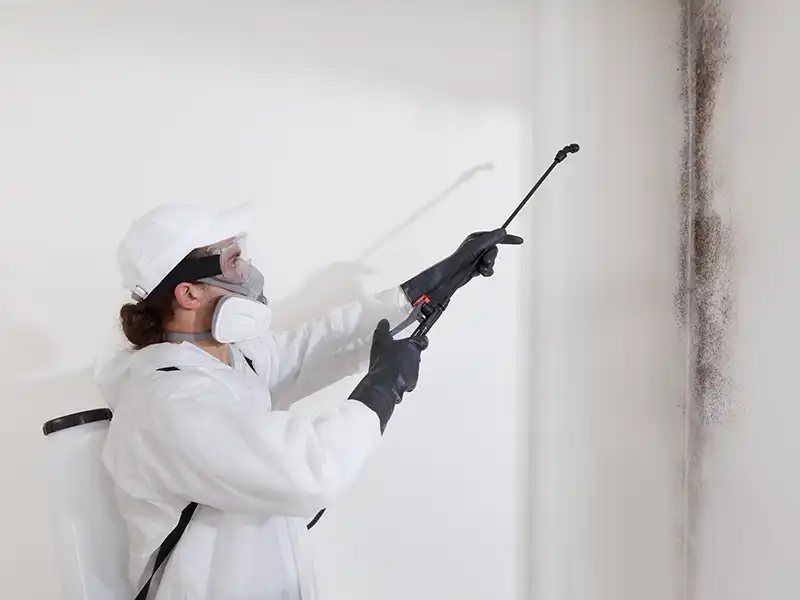
If you can see mold on walls, ceilings, floors, trim, wood, drywall, or other building materials, it should be dealt with before it spreads or returns. Quick Restore of Tucson provides mold removal in Tucson, AZ for homes and businesses. We identify the affected area, remove visible mold from surfaces that can be saved, take out materials that cannot be cleaned, and connect the cleanup to the moisture problem that caused it.
Call (520) 488-6759 and tell us what you see, where it is, and what the surface is made of. If the mold followed fresh water damage that is still wet, we offer 24/7 emergency service, and every emergency reaches a live team member, day or night. If it is not urgent, you can request service online and we will schedule a time to look at it.
Visible mold is often one part of a larger moisture problem. When the growth is widespread or the damage goes beyond what you can see, the job becomes a broader mold remediation plan, and we tell you so after we have looked at the area. We are based in Tucson, serve Greater Tucson, and are an IICRC Certified Firm.
What The Mold Removal Service Covers
Mold removal in plain terms means getting mold off or out of your building materials. Here is what that covers:
- Visible mold on hard, semi-porous, and porous materials
- Cleaning surfaces that can be saved, where cleaning is appropriate
- Removing drywall, insulation, carpet, ceiling tile, and other porous materials when cleaning is not reliable
- HEPA vacuuming and detail cleaning of the affected area
- Moisture checks, and a plain explanation of what has to change so the mold does not return
Mold Cleanup for Walls, Ceilings, and Trim
Mold on a wall, ceiling, or run of trim usually comes from one of four things: a leak, condensation, humidity, or an earlier water event that was not fully dried. The cause decides the cleanup. Limited growth on a hard, sealed surface can often be cleaned and dried. Soft, stained-through drywall usually has to come out.
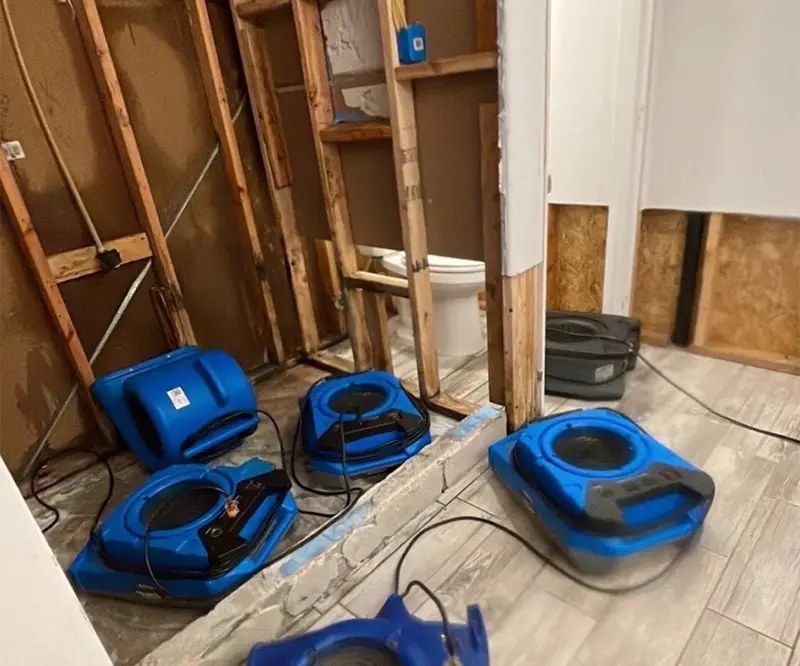
We check the moisture behind the surface before we decide, because a stain on a ceiling can be the visible end of a much larger wet area. Many homes here are stucco on a slab, and the dry desert air can make a wall look dry while the material behind it is still damp. We use moisture meters, not appearance, to decide what to clean and what to remove.
Mold Removal From Wood and Framing
Sound wood can sometimes be cleaned and dried instead of replaced. Whether that works depends on how deep the growth goes, what condition the wood is in, and whether it is structural. Framing that has been wet for a long time may be soft or weakened, and that is a question for a professional evaluation, not a guess from the surface.
We assess the wood, tell you what we find, and clean and dry what can be saved. Sanding or coatings are not a cure-all, and neither replaces fixing the moisture source. If the wood's strength is a concern, we say so.
Mold on Drywall, Carpet, and Porous Materials
Porous materials like drywall, carpet and pad, insulation, and ceiling tile absorb water, and mold can grow into them instead of just sitting on top. Wiping the surface does not reach growth that is inside the material, so these materials often have to be removed and replaced.
We assess each material instead of applying one rule. When we take material out, we protect the surrounding area and clean what remains. Replacing what we removed is a separate step, and we explain what is needed so you can plan for it.
DIY Mold Removal vs. Professional Mold Removal
Some homeowners can clean a small spot of mold on a hard, non-porous surface, such as bathroom tile, if they wear proper protection and keep the area ventilated. That is where DIY makes sense.
Do not disturb mold yourself when:
- The growth covers a large area
- It keeps coming back after you clean it
- It followed flooding, a sewage backup, or other contaminated water
- It is inside a wall, under flooring, or in your HVAC system
- Someone in the building has asthma, allergies, a chronic lung condition, or a weakened immune system
Never mix cleaning chemicals. Bleach mixed with ammonia, for example, creates dangerous fumes. If mold keeps returning after you clean it, the moisture source has not been solved, and more scrubbing will not fix it.
Mold Removal vs. Mold Remediation
Mold removal commonly describes cleaning mold off surfaces or taking out affected material, and providers often use the term alongside remediation. The broader mold remediation scope adds containment, source correction, drying, and documentation of the work. The terms alone do not establish what a provider will do, so compare the scope in writing.
Many real projects need both. A single moldy bathroom wall may need removal only. A ceiling that has been wet for weeks, with growth spreading through insulation and drywall, needs removal and a full remediation plan around it. We tell you which one your job is after we see it.
When to Call a Mold Removal Company
Call a mold removal company when any of these apply:
- Mold covers more than a small, isolated area
- Growth returns after cleaning
- Mold followed a roof leak, a plumbing or appliance leak, a storm, or flooding
- Mold is on porous materials
- There is a musty odor and you cannot find the source
- Anyone in the property has asthma, allergies, a chronic lung condition, or a weakened immune system
On that last point, we do not diagnose symptoms or judge anyone's health, so talk to a health professional. Mention it when you call, and we plan the work with the occupants in mind. If you are not sure you need a professional, call (520) 488-6759 and describe the situation. If we think mold testing would help define the scope first, we will say so and arrange it through a partner.
How Professional Mold Removal Works
The sequence changes with the job, but this is how mold removal typically goes:
- We inspect the visible mold and the moisture conditions around it, with moisture meters and photos.
- We protect nearby areas and contents, so dust from the work does not reach them.
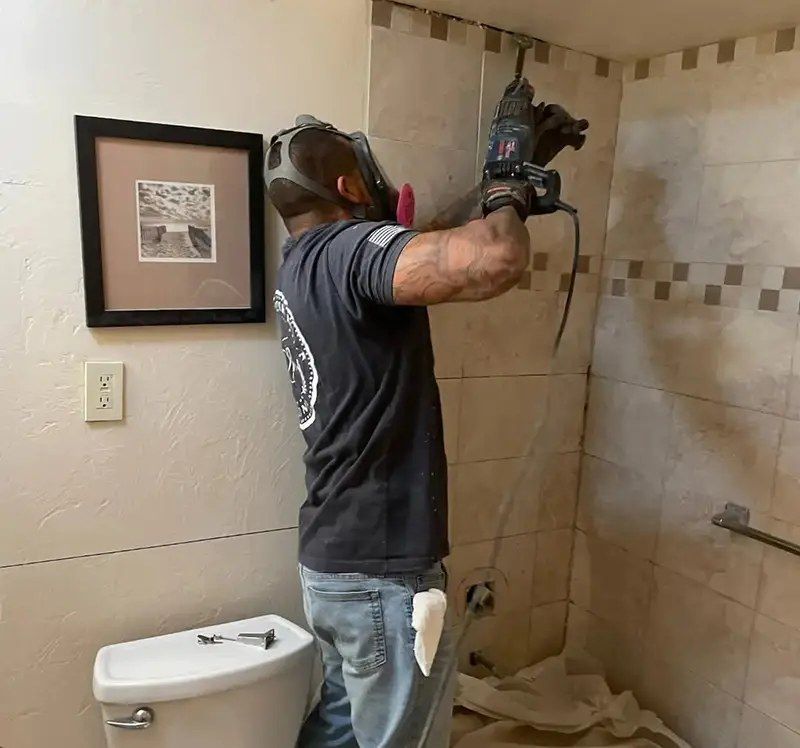
- We remove materials that cannot be saved, such as soaked drywall, insulation, or carpet.
- We clean hard surfaces that can be saved.
- We HEPA vacuum and detail clean the affected area, where appropriate.
- We dry the materials and tell you what needs to change to keep moisture away.
- We confirm the next step: remediation, inspection, or repairs, if any are needed.
We keep photos and moisture readings as we go. We work with all major insurance carriers, and what we record is available for your adjuster. We cannot tell you what your policy covers.
Mold After Water Damage
If mold followed a burst pipe, a roof leak, or a flood, we handle it together with the water side of the loss through our water damage restoration work, so the drying and the cleanup are planned together. The broader scope for that kind of job is in our mold remediation plan.
Black Mold Removal Concerns
Many dark molds look alike, and appearance alone does not confirm what kind of mold you have. Do not scrub, sand, or disturb suspected black mold, because that can spread it into clean areas.
We treat suspected black mold the same way we treat any growth: we look at where it is, how big the area is, and what it is growing on, then plan the work. Larger or recurring growth calls for professional removal, and often a broader remediation plan with containment. We make no health claims about mold types, and health concerns belong with a doctor.
Schedule Mold Removal in Tucson, AZ
If visible mold is spreading, returning after cleaning, or growing on drywall, wood, carpet, or other building materials, contact our Tucson mold removal team. We can inspect the affected area, explain what can be cleaned or removed, and recommend the safest next step.
Call Quick Restore of Tucson at (520) 488-6759. We offer 24/7 emergency service, our office is on East Speedway in Tucson, and we serve Greater Tucson. You can also request service and tell us where the mold is, what it is on, and whether there was recent water damage. If you do not know the cause, that is fine. We assess the moisture during the visit and explain the scope before work begins.