
Smoke Damage Restoration After Fire Residue in Tucson, AZ
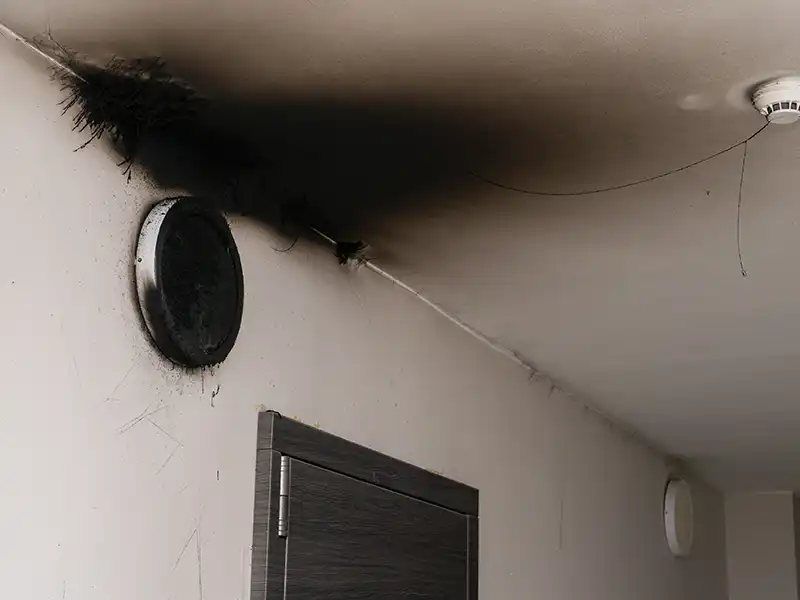
Smoke damage does not end at the burn area. After a kitchen fire, an appliance fire, a fireplace event, or a fire in the unit next door, smoke can leave residue on surfaces in rooms the flames never touched. Quick Restore of Tucson provides smoke damage restoration in Tucson, AZ for homes and businesses. We assess where the smoke went, what it left behind, and which materials can be cleaned, so the work is planned room by room instead of guessed at.
Call (520) 488-6759 and tell us what happened. We offer 24/7 emergency service, and every emergency reaches a live team member, day or night. We dispatch right away and give you a realistic arrival estimate.
Please call before you clean. Scrubbing soot, washing walls, or spraying household odor products can push residue deeper into a surface and make it harder to restore. We would rather look at it first and tell you what will work on each material.
Smoke damage is part of the larger job of fire damage restoration. It covers stabilization, firefighting water, and rebuilding. Here we focus on the smoke and soot itself.
What Smoke Damage Can Affect
Smoke is made of tiny particles and gases that travel with air. It rises, spreads through gaps, and settles on whatever it reaches. That is why a small fire can leave a whole home or suite looking and smelling affected. Smoke commonly reaches:
- Walls and ceilings, including the paint or finish on them
- Cabinets, closets, and the insides of drawers
- Flooring, including carpet and pad
- Fabric, upholstery, curtains, and bedding
- Insulation and the spaces inside walls and ceilings
- Heating and cooling pathways, such as vents and returns
- Rooms far from the fire that share air with it
Porous materials, such as carpet, insulation, and upholstery, take in smoke and hold it. Hard, sealed surfaces usually collect residue on top. That difference is a big part of why we inspect before we decide how to clean. Hidden rooms and enclosed spaces matter too, because smoke that is out of sight can still be the source of odor you keep noticing.
Smoke Residue, Soot, and Staining
Soot is the dark residue smoke leaves behind. It is not all the same. Depending on what burned and how hot the fire was, residue can be dry and powdery, or greasy and smeared, or somewhere in between. It can sit on the surface of a wall or work into the material, and it can stain if it is left or rubbed.
How we clean depends on the material, how sensitive its surface is, and how heavy the residue is. A sealed countertop, a painted wall, unfinished wood, and a fabric chair each need a different approach. We look at each one and try a method on a small, hidden area before we use it on the rest. We do not assume a standard method works everywhere.
Soot damage cleanup is part of this work, so you do not need a separate service for it. If the residue has stained a surface, we tell you whether cleaning is likely to be enough or whether the material may need to be replaced. Staining sometimes remains after cleaning, and we say so up front instead of promising a surface will look the way it did before.
The Smoke Damage Restoration Process
Smoke restoration is done in a sequence, because the order protects the work. Here is how it usually goes.
Inspection and residue testing
We walk the affected rooms and the rooms around them to see where smoke traveled and what it left. We check residue on each type of surface by hand and with small trial cleanings in hidden spots. This is a hands-on assessment of surfaces and materials, not laboratory testing. We take photos and notes as we go, and the findings become the scope of work.
Ventilation and containment where needed
Cleaning stirs up residue, so we plan work areas to keep it from reaching clean rooms. Depending on the job, that can mean closing off rooms, using barriers, and controlling airflow where it is safe to do so. We do not recommend turning on the heating or cooling system if it was exposed to smoke, because it can spread residue through the building. Have a qualified HVAC professional look at it before it runs again.
Cleaning and residue removal
We clean surfaces with methods matched to each material, and we check the results as we go instead of assuming the first pass worked. Hard surfaces and sealed finishes are generally easier to clean than porous materials. Materials that are too heavily affected to clean are removed according to the scope we agree on with you, and the area is left ready for repair.
Contents evaluation
Belongings in smoke-affected rooms need decisions too. We document the contents in the affected areas and note their condition, which helps with your records. Whether a particular item can be cleaned, needs a specialist's assessment, or is too affected to keep depends on the material and the residue. Food, medicine, and cosmetics that were exposed to smoke should be thrown away rather than used. If you are unsure about another item, ask us before you decide.
Odor source reduction
Odor comes from residue and from materials that absorbed smoke. As residue is cleaned and heavily affected materials are removed, the odor sources go away, and the smell usually improves with them. We do not promise that an odor will be completely gone, because that depends on the materials and how long the smoke sat. We check what odor remains and tell you what we find.
Final review and repair planning
When cleaning is done, we walk the rooms again and compare them against the scope. If anything still shows residue or odor, we tell you and talk about the next step. Repairs come after cleaning, and they cover whatever had to be removed or could not be cleaned. For rebuilding, we are a licensed Arizona contractor (ROC 345010), and our reconstruction services explain how that stage works.
Smoke Odor Removal After Fire Damage
A smoke smell that will not leave is usually coming from something specific. Residue still on a wall, carpet that took in smoke, insulation inside a ceiling, the back of a cabinet. Spraying the room does not remove the source, and it can interfere with cleaning. Odor removal starts with finding what is holding the smell and cleaning it or taking it out.
Porous materials are the hardest. Carpet and pad, upholstery, mattresses, and insulation can hold smoke deep inside. When cleaning cannot reach it, replacing the material is the honest answer, and we tell you when we think that is the case. How long the smoke sat and how heavily it settled both affect how much improvement you can expect.
We do the odor work as part of the cleaning, using the same inspection, so one step does not undo another. If a smell is not fading, call us, even if the fire was some time ago.
Insurance Documentation for Smoke Damage
Whether smoke damage is covered depends on your policy and the cause of the loss. Your insurer makes that decision. We can make sure the record is clear.
We document smoke damage with photos of the affected rooms, notes on where residue and odor are, the cleaning scope for each area, and the condition of contents in affected rooms. We work with all major insurance carriers, and we can communicate with your adjuster about what we documented.
You can help by photographing damage before anything is cleaned or moved, keeping the list of rooms affected, and asking your insurer which records it needs. Our guide to the insurance claims process explains the steps in more detail.
Schedule Smoke Damage Restoration in Tucson, AZ
If smoke has left soot, stains, or an odor in your property, call Quick Restore of Tucson at (520) 488-6759. We offer 24/7 emergency service, and every emergency reaches a live team member, day or night. We dispatch right away and give you a realistic arrival estimate.
Do not scrub the surfaces first. Tell us what happened, which rooms smoke reached, and whether the fire department has cleared the property. We will inspect the affected areas and give you a cleaning plan. If it is not an emergency, you can request service instead. Our office is on East Speedway in Tucson, and we serve Greater Tucson.