
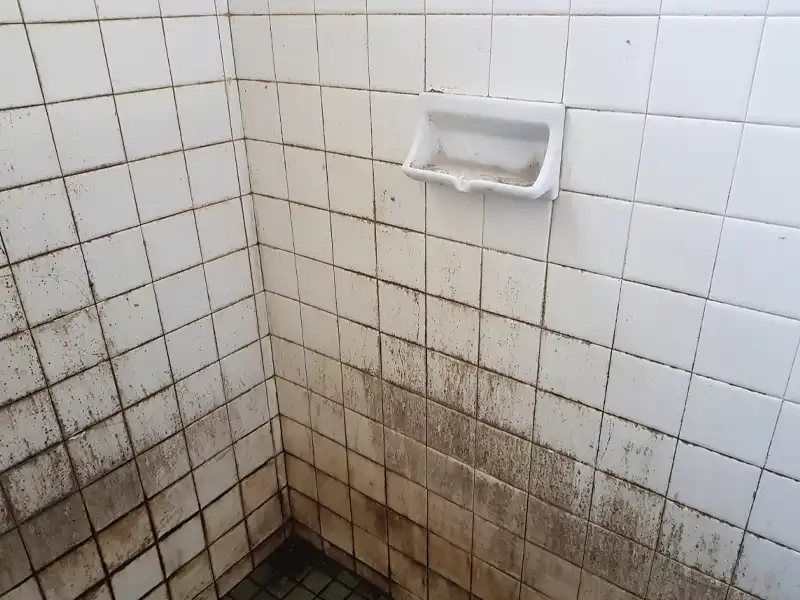
Professional Mold Remediation for Homes and Businesses in Tucson, AZ
The mold you can see is often only part of the problem. Growth can reach into wall cavities, under flooring, and behind trim, and the moisture feeding it is usually somewhere you cannot see. Quick Restore of Tucson provides mold remediation in Tucson, AZ for homes and businesses. We find the moisture source, contain the work area, remove materials that cannot be cleaned, clean the surfaces that can be saved, and dry the space so the conditions behind the growth are dealt with.
Call (520) 488-6759 and tell us what you see, where it is, and whether there was a recent leak, flood, or storm. We offer 24/7 emergency service, and every emergency reaches a live team member, day or night. Mold on its own is rarely an emergency, but mold that follows fresh water damage often is, because the materials are still wet. For urgent situations we dispatch right away and give you a realistic arrival estimate. For planned mold work, we schedule an assessment.
We are based in Tucson, serve Greater Tucson, and are an IICRC Certified Firm. If the mold followed a burst pipe, a roof leak, or a flood, our water damage restoration work handles the water side of the loss, so cleanup and drying are planned together.
What Mold Remediation Includes
Mold remediation is a plan, not a wipe-down. Wiping growth off a wall leaves the cause in place and can push spores and dust through the building. A remediation plan covers the whole sequence:
- An inspection of visible growth, moisture patterns, and the materials involved
- Containment to reduce cross-contamination into rooms that are not affected
- HEPA air filtration and controlled work practices where the job calls for them
- Removal of porous materials that cannot be cleaned reliably
- Cleaning of hard surfaces that can be saved
- Drying and work on the moisture condition behind the growth
- Documentation of what we found and did
Not every job needs every step. A small patch on a hard surface needs far less than a ceiling that has been wet for weeks. We set the scope after we see the conditions and explain it before work begins.
Mold Remediation vs. Mold Removal
Providers often use the two terms together. In general, mold removal describes cleaning mold from surfaces or taking out affected material. Remediation describes the larger scope around it: finding the moisture source, containing the area, controlling dust, drying, and documenting the work.
Many projects need both. A bathroom wall with a patch of growth may be mostly a removal job. Mold that followed a roof leak and spread into insulation and drywall is a remediation job that includes removal. The words alone do not tell you what a provider will do, so compare the written scope.
When Mold Remediation Is Required
Some situations point toward a full remediation plan instead of a spot cleanup:
- The growth covers a large area, or you cannot tell how far it goes
- Mold keeps coming back after it has been cleaned
- It appeared after a leak, a flood, or other water damage
- Porous materials such as drywall, carpet, insulation, or ceiling tiles are affected
- You suspect the HVAC system is involved
- Someone in the building has asthma, allergies, a chronic lung condition, or a weakened immune system
If the HVAC system may be involved, tell us before anything is disturbed. That needs its own evaluation and may call for a specialist. On the last point, we do not diagnose symptoms or judge anyone's health, so talk to a health professional. What we can do is plan the work so the affected area is contained.
If you are not sure, call us and describe what you see. We assess the affected area as part of planning any removal.
The Mold Remediation Process
The order shifts with the job, but a typical remediation follows these steps:
- Initial assessment and safety review. We walk the affected area and note visible growth, odor, staining, and damaged materials. We photograph what we find and check for safety concerns first.
- Moisture source identification. We use moisture meters, and thermal imaging where it helps, to find where the water came from and how far it spread. A thermal camera shows differences in surface heat, not mold, so the meters confirm which materials are actually wet.
- Containment setup and HVAC precautions. We isolate the work area with barriers and take precautions so the HVAC system does not carry dust from the work area into other rooms.
- Air filtration with HEPA equipment. Where the job calls for it, we run HEPA air filtration in the work area to capture fine airborne dust while the work is under way.
- Material removal, cleaning, and surface treatment. We remove porous materials that cannot be cleaned reliably, then HEPA vacuum and detail clean the hard surfaces and framing that stay.
- Structural drying and humidity control. We dry the area and the materials around it, with moisture readings to track progress. Our structural drying work covers how that is done.
- Final cleaning and documentation. We clean the work area and record what we did with photos and moisture readings. If you, your insurer, or a lender wants independent verification afterward, that is a separate step, and our records can support it.
How long each stage takes depends on how much material is affected, how hard it is to reach, and how wet the building is. We do not give a completion date before we have seen the job.
Mold After Water Damage, Leaks, or Humidity Problems
Mold grows where moisture stays. If the moisture is not dealt with, cleaning the mold only buys time. The most common sources we see are:
- Roof leaks that soak ceilings and insulation
- Plumbing and appliance leaks inside walls and under sinks
- Condensation and humidity in closed-up rooms
- Flood and storm water that was not dried quickly or completely
- Moisture in a basement or crawl space, where a property has one
The monsoon season, roughly mid-June through September, brings sudden heavy storms, and runoff can push water into a building fast. Many homes here are stucco on a slab foundation. Water can move into stucco walls and under flooring on a slab, and the dry desert air can make surfaces look and feel dry while the materials underneath stay wet. That is why we measure with moisture meters instead of trusting how a surface looks.
Drying and source correction both have to happen, or mold can return. We find the water and handle the water damage and drying. Repairing the failed pipe, fixture, appliance, or roof is work for a licensed plumber or roofer, and we will tell you when that repair needs to happen before the drying can be finished. Our water damage restoration and structural drying work handles the wet materials, and the mold work is planned alongside it.
Safety, Containment, and Indoor Air Protection
Mold should not be disturbed without protection. Scrubbing, sanding, dry brushing, or tearing out moldy material can throw dust and spores into the air and carry them into rooms that were not affected.
People with asthma, chronic lung conditions, allergies, or weakened immune systems should stay away from cleanup work and the area around it. If that applies to someone in your building, mention it when you call. Questions about symptoms belong with a doctor.
On our jobs, safety comes down to a few practices:
- Our crew wears protective equipment suited to the work
- Containment barriers keep dust and spores out of unaffected areas
- HEPA air filtration captures fine airborne particles in the work area
- The HVAC system is shut off if contamination is suspected, and an HVAC professional evaluates it
- Porous materials such as drywall, carpet, insulation, and ceiling tiles may need removal, because mold can grow into them
Spores are a normal part of indoor and outdoor air, so we do not promise a building will have none afterward. Our work is to remove visible growth from affected materials, address the moisture conditions, and support any post-remediation verification you or your insurer decide to pursue.
Mold Remediation Cost Factors
Mold remediation has no standard price, because no two jobs have the same conditions. A number without a look at your property would be a guess. These factors shape the scope:
- The size of the affected area
- The location and how easy it is to reach
- The type of material, porous or non-porous
- Whether demolition is needed, and whether contents cleaning or an HVAC professional is involved
- How much drying is involved and how long it takes
- Whether sampling or independent verification is requested
The most useful step is to have us assess the property. After we see it, we explain what the work involves and why. Call (520) 488-6759 or request service and we will set up the assessment.
Insurance and Documentation for Mold Damage
Whether mold is covered depends on your policy language and the cause of the loss. Sudden water damage may be treated differently from long-term moisture or maintenance issues, and your insurer decides how your policy applies. We cannot tell you what your policy covers.
What we can do is document the loss. We record the affected areas, moisture readings, photos, the scope of work, and the steps we took. We work with all major insurance carriers, and we can communicate with your adjuster about what we documented. Our insurance claims process explains how that works from the first call.
Ask your insurer what is covered and what records it wants. If mold came after a water event, call your insurer early and keep photos of anything you remove.
Related Mold Services
Mold problems come in different shapes. These are the services under this one and the situations we handle.
Mold Removal
When the main problem is visible growth on walls, ceilings, trim, wood, or drywall, mold removal is the focused service. It covers cleaning salvageable surfaces, taking out materials that cannot be cleaned, and linking the cleanup to the moisture problem behind it.
Mold Testing and Air Sampling
If you smell mold, suspect it behind a wall, or want the scope defined before work starts, tell us when you call. Testing or air sampling is a separate step from removal, and it only helps when it would answer a specific question. When it would, we arrange it through a partner.
Black Mold Removal
Many dark molds look alike, and appearance alone does not tell you what kind you have. Do not scrub or disturb suspected black mold. Call us so we can look at it and plan the work. Larger or recurring growth calls for a full remediation plan with containment.
Schedule Mold Remediation in Tucson, AZ
If you see mold, smell musty odors, or recently had water damage, contact our Tucson team about mold remediation. We will look at the affected areas, explain the scope, and recommend the next step for your home or business.
Call Quick Restore of Tucson at (520) 488-6759. We offer 24/7 emergency service, our office is on East Speedway in Tucson, and we serve Greater Tucson. If you would rather start with a message, you can request service and tell us where the mold is, what the materials are, and whether there was recent water damage. If you are not sure about any of it, that is fine. The scope depends on what we find.