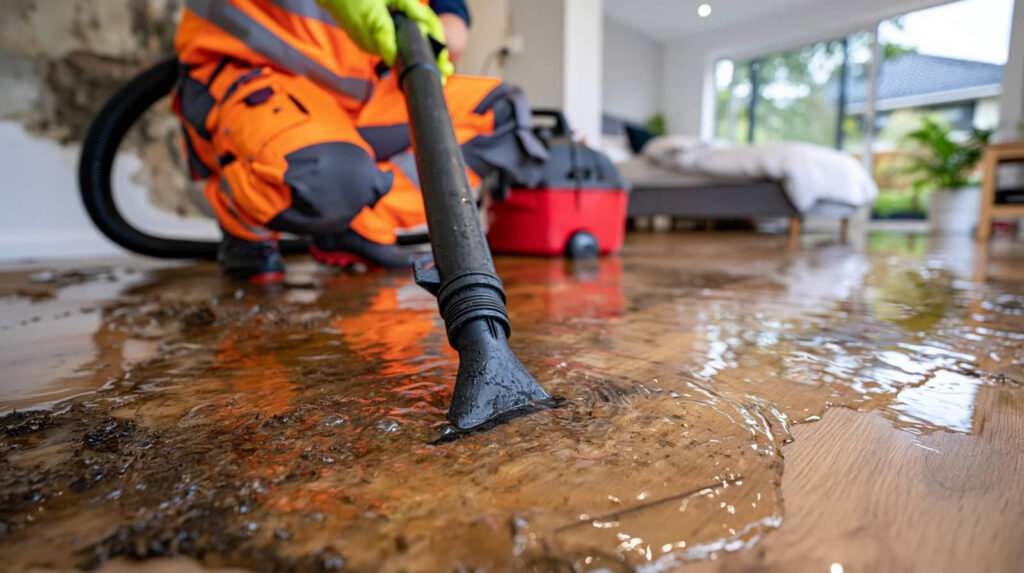
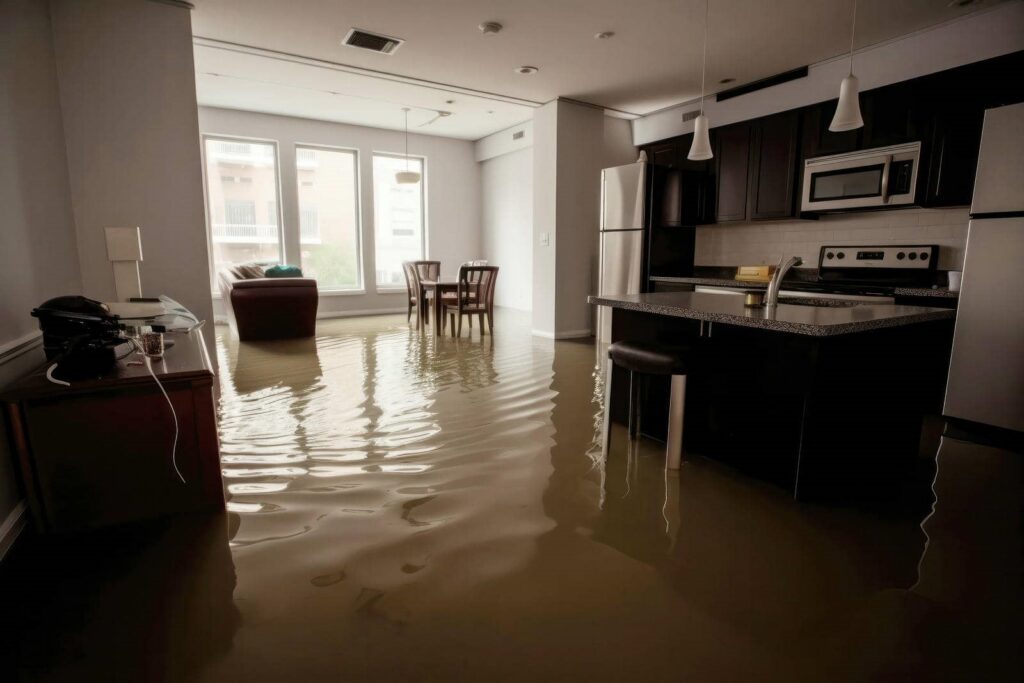
In 2021, Hurricane Ida caused widespread flooding, highlighting the need for effective emergency response protocols. You need to assess flood risks in your area and develop a thorough plan that includes communication flood emergency strategies and resource allocation. Training your team is essential, but there’s more. Understanding evacuation procedures and coordinating with local agencies can make all the difference. How can you ensure your community is prepared for the next flood?
Key Takeaways
- Conduct a thorough risk assessment to identify flood threats and vulnerable areas in the community.
- Develop clear communication protocols to coordinate effectively during flood events.
- Establish evacuation procedures, including identifying safe routes and shelter locations.
- Engage community members in preparedness initiatives to promote collective resilience.
- Regularly review and update emergency response protocols based on feedback and changing circumstances.
Assessing Flood Risks and Vulnerabilities
When evaluating flood risks and vulnerabilities, it’s crucial to understand the unique characteristics of your area. Begin by utilizing flood mapping tools to identify flood-prone zones. These maps provide valuable insights into historical flooding patterns and potential future risks.
Next, conduct a vulnerability analysis to assess how susceptible your community is to flooding. This involves evaluating infrastructure, population density, and critical facilities like hospitals and schools.
Consider factors such as drainage systems and land use, which can greatly affect flood impacts. Engage with local stakeholders to gather information about past experiences and concerns.
By combining flood mapping with a thorough vulnerability analysis, you’ll create a clearer picture of your community’s risks. This understanding fosters a stronger sense of belonging, as you work together to prepare and protect your neighborhood from future floods.
Developing a Comprehensive Emergency Response Plan
To create an effective emergency response plan, you must start with thorough risk assessment procedures that identify potential flood threats.
Then, establish a resource allocation strategy to ensure that you have the necessary tools and personnel ready to respond.
Finally, develop clear communication protocols to keep everyone informed and coordinated during a flood event.
Risk Assessment Procedures
Effective risk assessment procedures are essential for developing a thorough emergency response plan, as they help identify potential hazards and vulnerabilities before a flood occurs.
Start by gathering data on local flood forecasting to understand patterns and risks in your area. Involve your community through engagement initiatives; their insights can reveal unrecognized threats and promote collective preparedness.
Conduct surveys and workshops to ensure everyone feels included in the process. Map out flood-prone areas and evaluate the capacity of existing infrastructure to handle potential flood impacts.
Resource Allocation Strategy
As you develop a thorough emergency response plan, a well-thought-out resource allocation strategy is essential for ensuring your community’s readiness during a flood.
Start by evaluating your community’s needs and identifying critical resources like food, shelter, and medical supplies. Effective resource distribution hinges on understanding the population’s vulnerabilities and ensuring equitable access to aid.
Prioritize funding allocation to areas with the highest risk and greatest need, enabling swift action when disaster strikes. Collaborate with local organizations to pool resources and share expertise, fostering a unified response.
Regularly review and adjust your strategy based on feedback and changing circumstances, so your community remains resilient and prepared for future flooding events.
Together, you can create a safer environment for everyone.
Communication Protocols Development
When a flood threatens your community, clear communication can make all the difference in response efforts. Developing effective communication protocols is essential for managing crisis messaging and ensuring that everyone stays informed.
Start by identifying key stakeholders, including local authorities, emergency services, and community organizations. Engage them in the planning process to create a unified response strategy.
Establish clear channels for disseminating information, whether through social media, text alerts, or local radio. Regular updates will keep the community informed and reduce panic.
Establishing Communication Channels
Establishing reliable communication channels is essential for coordinating flood emergency responses, especially in chaotic situations. You need to ensure everyone involved knows their roles and can communicate effectively.
Start by establishing protocols that outline who communicates what and when. This clarity prevents confusion and helps teams react swiftly.
Utilize various communication tools, such as radios, mobile apps, and social media, to reach different audiences. These tools can help relay urgent information to both responders and the community, fostering trust and collaboration.
Make certain everyone is familiar with these tools before an emergency strikes.
Encourage regular updates and feedback loops among team members. This practice keeps everyone informed and strengthens your collective response capabilities.
Training and Drilling Emergency Response Teams
Regular drills are essential for keeping your emergency response team sharp and prepared for flood situations.
By practicing effective communication strategies during these drills, you ensure everyone knows their role and can act swiftly.
This preparation builds confidence and enhances overall team efficiency when real emergencies arise.
Importance of Regular Drills
Although many may underestimate the impact of routine drills, they’re essential for preparing emergency response teams for flood situations. Regular drills enhance skills and build team cohesion, ensuring everyone knows their role during a crisis.
By establishing an appropriate drill frequency, you create an environment where team members can practice and refine their responses. Incorporating participant feedback after each drill fosters continuous improvement, allowing you to address weaknesses and reinforce strengths.
This collaborative approach cultivates a sense of belonging and commitment within the team, making everyone feel valued and engaged. Ultimately, the effectiveness of your emergency response hinges on these drills, ensuring your team is ready to act swiftly and confidently when every second counts.
Effective Communication Strategies
Effective communication is the backbone of a successful emergency response during floods. To ensure your team is prepared, focus on training and drilling effective crisis messaging techniques.
Regularly practice clear, concise communication that everyone can understand, fostering a sense of belonging among team members. Engage stakeholders by keeping them informed and involved in the response plan. This builds trust and ensure everyone is on the same page.
Utilize role-playing scenarios during drills to simulate real-life situations, helping your team refine their messaging skills under pressure. Prioritize feedback sessions, allowing for continuous improvement in communication strategies.
Ultimately, strong communication saves lives and strengthens community ties during a crisis.
Implementing Evacuation Procedures
When flood conditions escalate, quickly implementing evacuation procedures becomes vital for ensuring safety. You should prioritize the well-being of your community by following these key steps:
- Identify evacuation routes: Know the safest paths to take when leaving your home.
- Communicate shelter locations: Make sure everyone knows where to find safe havens during emergencies.
- Prepare emergency kits: Include essentials like food, water, and medications for each family member.
Once these elements are in place, it’s important to activate your evacuation plan promptly.
Encourage your neighbors to join you, fostering a sense of unity during uncertain times. Keep your communication lines open to provide updates and support.
Coordinating With Local Authorities and Agencies
To ensure a coordinated response during a flood emergency, you must establish strong communication channels with local authorities and agencies right from the start. Building local partnerships is essential; they enhance your response efforts and strengthen community ties.
Reach out to local emergency management, public safety departments, and non-profit organizations. Regularly schedule meetings to discuss emergency protocols and share resources. This agency collaboration secures everyone is on the same page and ready to act when needed.
Utilize technology to share real-time information and alerts, allowing for swift decision-making. Moreover, encourage feedback from these agencies to refine your strategies.
When you foster a sense of belonging among your partners, you create a united front against flooding challenges. By working together, you improve your response capabilities and build resilience within the community, ensuring everyone can rely on each other in times of crisis.
Reviewing and Updating Protocols Regularly
Maintaining strong partnerships with local authorities and agencies sets the stage for an ongoing commitment to excellence in flood response.
Regularly reviewing and updating your protocols is essential to ensure their effectiveness and to foster stakeholder involvement.
Consider these key aspects when revising your protocols:
- Feedback Mechanisms: Establish channels for stakeholders to share insights and experiences.
- Training Opportunities: Incorporate new strategies and technologies to keep your team prepared.
- Risk Assessment: Evaluate changing environmental conditions to adapt your response strategies.
Frequently Asked Questions
How Can We Involve the Community in Flood Preparedness Efforts?
You can involve the community in flood preparedness efforts by organizing community workshops and establishing volunteer programs. These initiatives foster collaboration, educate residents, and strengthen connections, ensuring everyone feels prepared and supported in facing potential floods together.
What Are the Key Supplies Needed for a Flood Emergency Kit?
Imagine your lifeline during chaos. You’ll need water purification tablets, a sturdy first aid kit, non-perishable food, a flashlight, batteries, blankets, and a multi-tool. With these supplies, you’re ready to weather the storm together.
How Do We Assess the Effectiveness of Our Response Protocols?
You assess your response protocols by conducting regular response evaluations, gathering feedback from team members, and analyzing outcomes. This helps identify areas for protocol improvement, ensuring you’re better prepared for future flood emergencies together.
What Role Does Technology Play in Flood Emergency Management?
Technology enhances flood emergency management by streamlining data collection and improving communication tools. You can leverage these advancements to make informed decisions, coordinate effectively, and ensure your community stays connected and safe during crises.
How Often Should We Conduct Drills for Our Emergency Response Teams?
You should conduct drills at least quarterly to ensure your team’s readiness. Think of it as sharpening a sword; regular practice keeps skills honed and confidence high, fostering a strong bond among your emergency response team.
Conclusion
By prioritizing proactive planning, you can fortify your flood emergency response. Strengthening systems through strategic assessments, seamless communication, and skilled training ensures safety and security. Don’t forget to coordinate with local authorities to create a united front. Regularly revisiting and refining your protocols keeps your community resilient and ready. By embracing these essential steps, you’ll safeguard lives and foster a culture of preparedness for future floods. Stay vigilant, stay safe!