
When flooding occurs, quick and effective mold remediation is vital to protect your health and property. You need to assess the extent of water damage immediately and prioritize safety precautions. Time is of the essence, so you’ll want to start water extraction right away. Let’s examine the specific steps you should take to prevent mold growth and ensure a safe environment. Each action you take will play a pivotal role in the outcome.
Key Takeaways
- Conduct a thorough water damage assessment, checking for moisture signs in walls, ceilings, and flooring before starting remediation efforts.
- Extract standing water immediately using pumps and wet/dry vacuums to minimize damage and prevent mold growth.
- Remove and dispose of saturated materials, sealing them in plastic bags to prevent spreading spores during removal.
- Apply effective cleaning solutions and mold inhibitors to surfaces, ensuring areas are clean and dry before applying.
- Monitor humidity levels with a hygrometer, using dehumidifiers and air movers to maintain optimal moisture control.
Assess the Extent of Water Damage
Before you begin any mold remediation efforts, it’s essential to assess the extent of water damage thoroughly.
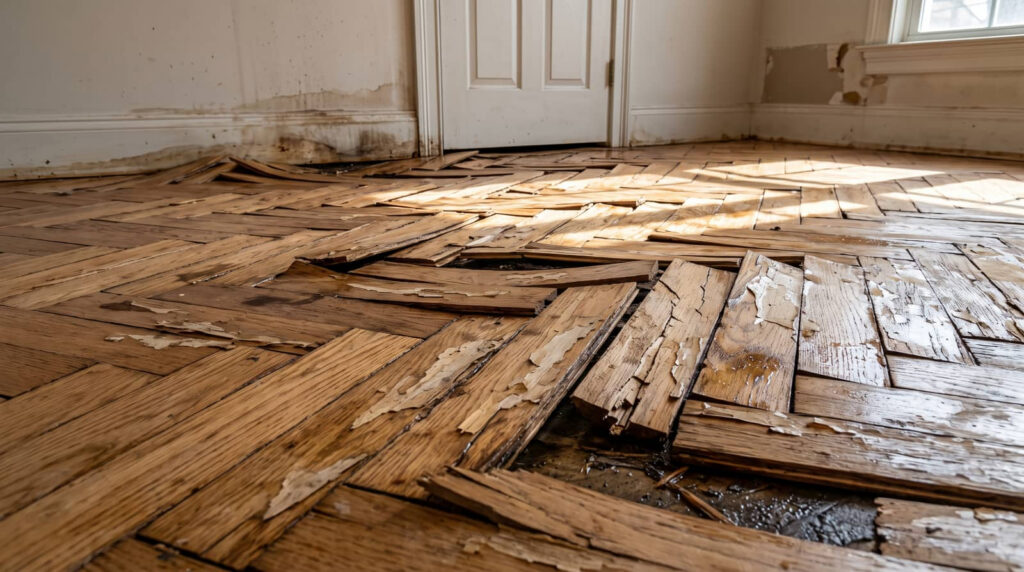
Start by conducting a detailed water damage assessment to identify affected areas. Inspect ceilings, walls, and flooring for discoloration, warping, or signs of moisture. Use a moisture meter to determine the moisture content in materials, which helps in your damage severity evaluation.
Next, document your findings with photographs and notes, as this will aid in the remediation process and provide clarity for any professionals you might involve later.
Pay attention to hidden spaces, such as behind cabinets or inside walls, where moisture can linger undetected. Understanding the scope of the damage is vital; it determines the urgency and scale of your remediation efforts.
With a clear assessment, you’ll be better equipped to tackle mold growth effectively and restore your environment to a safe state.
Prioritize Safety and Health Precautions
Once you’ve assessed the extent of water damage, prioritizing safety and health precautions is crucial. Mold can pose serious health risks, so it’s important to protect yourself and others during remediation.
Start by wearing appropriate safety gear, including gloves, masks, and goggles, to safeguard against mold exposure. Confirm you’re using N95 respirators, which filter out harmful particles effectively.
Before entering affected areas, ventilate the space by opening windows and doors if possible. This helps reduce airborne mold spores.
Keep children and pets away from contaminated areas to minimize their risk of exposure.
Stay alert for any signs of mold health issues, such as coughing, sneezing, or skin irritation. If you experience symptoms, seek medical advice promptly.
Begin Water Extraction Immediately
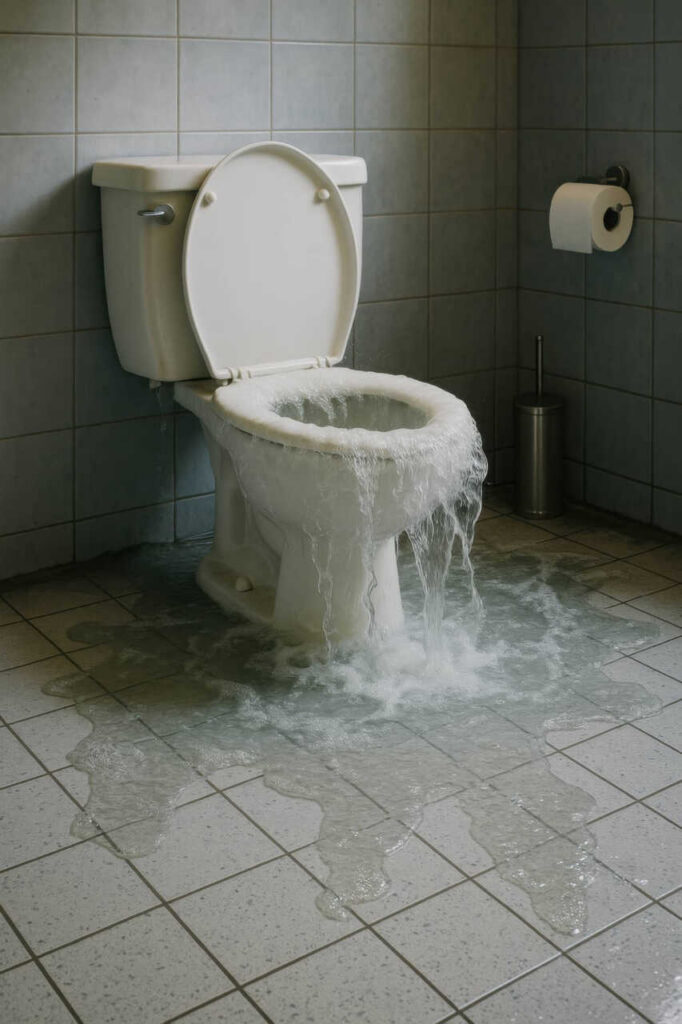
Once you identify water intrusion, start water extraction right away to minimize damage.
Use pumps and vacuums to remove standing water effectively, and ensure proper ventilation to facilitate drying.
Acting quickly reduces the risk of mold growth and protects your property.
Use Pumps and Vacuums
Immediately addressing water intrusion is crucial for preventing mold growth, and using pumps and vacuums is an effective way to begin the extraction process.
Start by selecting the appropriate pump types based on the water level and type—submersible pumps work well for deeper water, while utility pumps are suitable for smaller amounts.
For the final touches, consider vacuum selection; wet/dry vacuums can remove residual moisture effectively. Don’t forget to check that your equipment is in good working order before starting.
As you extract water, make sure you’re moving quickly and methodically to minimize the time surfaces remain wet.
Ensure Proper Ventilation
To effectively prevent mold growth, ensuring proper ventilation while you begin water extraction is essential.
Start by opening windows and doors to promote airflow management. This allows fresh air to circulate, which helps lower humidity levels in the affected area.
Utilize fans to reinforce airflow; positioning them strategically can greatly enhance ventilation. Employ ventilation techniques like ducting, directing air toward wet surfaces to expedite drying.
Consider using dehumidifiers to further control moisture levels. Remember, the goal is to create an environment where mold can’t thrive.
Control Humidity Levels
To effectively control humidity levels, use dehumidifiers in affected areas to reduce moisture quickly.
Ensure proper ventilation by opening windows or using fans to promote air circulation.
Regularly monitor indoor humidity with a hygrometer to maintain levels between 30% and 60%, preventing mold growth.
Use Dehumidifiers Effectively
While mold thrives in humid environments, using dehumidifiers effectively can considerably reduce moisture levels in your home, making it less conducive to mold growth.
Start by placing your dehumidifier in the most affected areas, such as basements or bathrooms, ensuring it’s centrally located for ideal airflow. Set the best settings to maintain humidity levels below 60%, which is vital for inhibiting mold development.
Regularly check the water tank and empty it as needed; a full tank will stop the dehumidifier from functioning efficiently. Additionally, consider using multiple units if necessary to cover larger spaces.
Consistent monitoring and adjustment will help you maintain a dry environment, fostering a healthier living space for you and your family.
Ventilate Affected Areas
Effective ventilation is essential for controlling humidity levels in areas affected by mold. To achieve ideal airflow management, open windows and doors whenever possible to create a cross-breeze.
Use fans to enhance air circulation, directing airflow towards damp areas to expedite moisture control. If outside conditions aren’t ideal, consider running exhaust fans in enclosed spaces, such as bathrooms and kitchens, to remove humid air.
It’s vital to maintain a consistent airflow to prevent stagnant conditions where mold thrives. Additionally, using air purifiers equipped with HEPA filters can help capture mold spores and enhance overall air quality.
Monitor Indoor Humidity
Monitoring indoor humidity is essential for preventing mold growth, as high moisture levels create a perfect environment for spores to flourish.
To effectively control humidity, you should aim to keep levels between 30% and 60%. Use a hygrometer for accurate moisture measurement, allowing you to track fluctuations in humidity.
If you notice levels exceeding 60%, consider using dehumidifiers or air conditioners to reduce moisture. Additionally, maintain proper ventilation in areas prone to dampness, like basements and bathrooms.
Regularly check for leaks and address any water intrusion immediately. By maintaining ideal humidity control, you’ll greatly lower the risk of mold growth, safeguarding your indoor environment and promoting a healthier living space for you and your family.
Remove Affected Materials
To effectively combat mold growth, promptly remove any affected materials from your space. This includes items like carpets, drywall, and insulation that have been exposed to moisture.
Using proper mold removal techniques, assess each item’s condition. If materials are saturated or have visible mold, disposal is imperative. Seal these affected materials in plastic bags to prevent spores from spreading during removal.
When it comes to affected materials disposal, follow local regulations for hazardous waste, as some items may require special handling. Confirm you’re equipped with protective gear, including gloves and masks, to safeguard against exposure.
After removing these materials, ventilate the area thoroughly to promote drying and minimize moisture.
Clean and Disinfect Surfaces
As you address mold issues, cleaning and disinfecting surfaces is essential to eliminate any remaining spores and prevent future growth. Start by using effective cleaning solutions that are specifically designed for mold remediation. A mixture of water and detergent can work well for non-porous surfaces, while specialized mold removers may be necessary for tougher stains.
Ensure you wear protective gear, including gloves and masks, to safeguard yourself against harmful spores. Focus on high-risk areas, such as bathrooms and kitchens, where moisture accumulates.
Don’t forget to tackle hidden spots like behind appliances and under sinks.
Implementing mold prevention strategies, like regular cleaning and maintaining low humidity levels, can greatly reduce the risk of mold reoccurrence. After cleaning, thoroughly dry all surfaces to inhibit any leftover moisture, which can foster mold growth.
Following these steps helps create a safer, healthier environment for you and your loved ones.
Utilize Dehumidifiers and Air Movers
After thoroughly cleaning and disinfecting surfaces, controlling moisture levels becomes a key step in mold remediation. To effectively reduce humidity, strategically place dehumidifiers in affected areas. This ensures the optimal moisture extraction, particularly in confined spaces such as basements or crawl spaces. Aim for one dehumidifier per room, adjusting its settings based on humidity levels.
In tandem with dehumidifiers, use air movers to enhance airflow. There are various air mover types, including centrifugal and axial fans. Centrifugal fans are great for directing airflow in specific areas, while axial fans are ideal for wide-ranging ventilation.
Position these air movers to create a cross-ventilation effect, which accelerates the drying process.
Combining dehumidifier placement and the right air mover types will greatly lower moisture levels, ultimately preventing mold growth and promoting a healthier environment. Stay proactive, and your efforts will pay off in safeguarding your space.
Apply Mold Inhibitors
To prevent mold from returning after remediation, you should apply mold inhibitors effectively.
Familiarize yourself with the different types available, and follow proper application techniques for maximum efficacy.
Additionally, keep safety precautions in mind to protect yourself during the process.
Types of Mold Inhibitors
While mold growth can be a persistent problem in damp environments, applying mold inhibitors effectively can markedly reduce the risk of infestations.
Understanding the various types of inhibitors is essential for successful mold prevention strategies. Here are some common types:
Biocides: Chemicals that kill mold spores upon contact.
Antimicrobial Coatings: Protective layers that prevent mold growth on surfaces.
Sealants: Products that seal porous materials, reducing moisture absorption.
Natural Inhibitors: Eco-friendly options like vinegar or tea tree oil that inhibit mold growth.
Application Techniques Explained
Applying mold inhibitors effectively requires careful attention to detail and technique. Start by selecting the right inhibitor based on the surface and type of mold. Use a sprayer or brush for application, ensuring even coverage.
When employing remediation techniques, focus on high-humidity areas like basements and crawl spaces, where mold thrives. Following mold prevention strategies, you should apply inhibitors to clean, dry surfaces. Ascertain the area is well-ventilated during application; this enhances effectiveness and reduces lingering odors.
After application, allow the inhibitor to dry completely before sealing or painting over it. Regular inspections after application will help you catch any new growth early, ensuring a mold-free environment in your home.
Safety Precautions to Consider
Before applying mold inhibitors, it’s vital to prioritize safety to protect yourself and others.
Following proper personal protective equipment guidelines is important to ensure your safety during the remediation process.
Here are key precautions to take into account:
- Wear N95 respirators to prevent inhaling mold spores.
- Use gloves and goggles to protect your skin and eyes from irritants.
- Confirm adequate ventilation in the area to disperse harmful fumes.
- Keep a first aid kit nearby in case of accidental exposure.
Monitor for Mold Growth
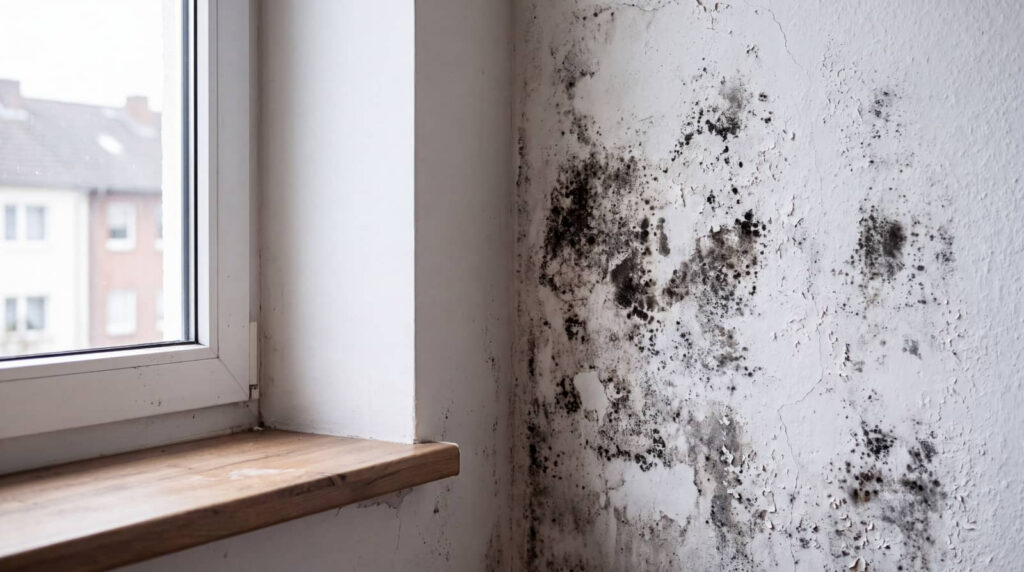
Monitoring for mold growth is vital in preventing extensive damage and health risks. After flooding, it’s important to regularly inspect your home for mold growth signs, such as discoloration, a musty odor, or water stains.
Utilize effective mold detection methods, like moisture meters and air sampling tests, to identify hidden mold. Focus on areas prone to dampness, including basements, bathrooms, and behind walls.
Check HVAC systems, as they can circulate mold spores throughout your home. Set a schedule for routine inspections—weekly for the first month, then monthly thereafter—to ensure any mold issues are addressed promptly.
If you notice any mold growth, act quickly to contain and remediate the problem. Keeping a close eye on moisture levels and mold indicators fosters a healthier living environment and helps you maintain peace of mind.
Consult Professionals for Extensive Damage
When extensive mold damage occurs, it’s crucial to consult professionals who specialize in mold remediation.
Attempting to handle severe infestations on your own can lead to health risks and further damage.
Professional services ensure a detailed approach that includes:
- Extensive mold inspection to assess the extent of the damage
- Safe containment procedures to prevent mold spores from spreading
- Effective remediation services tailored to your specific situation
- Post-remediation verification to confirm the area is mold-free
Frequently Asked Questions
How Long Does It Take for Mold to Grow After Flooding?
Mold can begin growing within 24 to 48 hours after flood damage, depending on environmental conditions. Understanding the mold lifecycle helps you act quickly to prevent further growth and protect your living space effectively.
Can I Use Bleach to Kill Mold?
Using bleach to kill mold is like using a band-aid on a deep cut; it may mask the problem, but it won’t eliminate all mold types. Bleach’s effectiveness is limited, especially on porous surfaces.
Is It Safe to Stay in My Home During Mold Remediation?
It’s generally not safe to stay in your home during mold remediation. A thorough home assessment is essential to identify mold safety risks, ensuring you’re protected from potential health hazards associated with mold exposure.
What Are the Health Risks Associated With Mold Exposure?
Mold exposure can feel like a storm in your lungs, triggering mold symptoms like coughing, sneezing, and respiratory issues. Prolonged exposure may lead to serious health problems, so addressing mold promptly is essential for your well-being.
How Can I Prevent Mold After Flooding in the Future?
To prevent mold in the future, focus on moisture control by promptly drying areas after flooding, fixing leaks, and using dehumidifiers. Regularly inspect your home to identify and eliminate potential sources of moisture.
Recap
In the aftermath of flooding, acting swiftly is like racing against time to save a ship from sinking. By following these tips, you can effectively combat mold growth and protect your home. Remember, the key to success is thoroughness and vigilance. Regularly monitor for any signs of mold, and don’t hesitate to consult professionals if the damage seems overwhelming. Taking these steps now ensures you’ll steer clear of future mold issues, keeping your space safe and healthy.