When floodwater enters your space, flood cleanup means you need to act fast. Shut off power to the affected area when it’s safe, use appropriate protective gear such as gloves and boots, and document every visible loss. Next, stop the source if possible and isolate wet areas before water migrates further. If the basement is involved, sewage or structural damage can change the response immediately. The next steps can determine whether you contain the damage or face a much larger cleanup.
Key Takeaways
- Shut off electricity and stop the water source if safe, then document damage with photos.
- Wear gloves, boots, and a mask before entering flooded areas.
- Isolate wet zones, block water paths, and start extraction from the perimeter inward.
- Treat sewage-contaminated basement water as a biohazard and call licensed professionals immediately.
- Dry the area with fans and a dehumidifier, keeping humidity below 60% to prevent mold.
Emergency Flood Cleanup: What to Do First
Before you start any cleanup, shut off the electricity to the flooded area if you can do so safely, then stop the water source and document the damage with photos for your insurance claim.
Next, put on gloves, boots, and a mask, then inspect the space for hazards before you enter. Move people and pets to a dry area, and keep your team clear of standing water.
Remove small valuables, paperwork, and electronics only if you can reach them without risk. Confirm local authorities have cleared the area if flooding was severe.
Your flood preparedness plan should list contacts, supplies, and shutdown steps, so you can act fast.
These first actions support damage prevention, protect your household, and help you stay organized with your community when pressure rises.
Contain Water Damage Before It Spreads
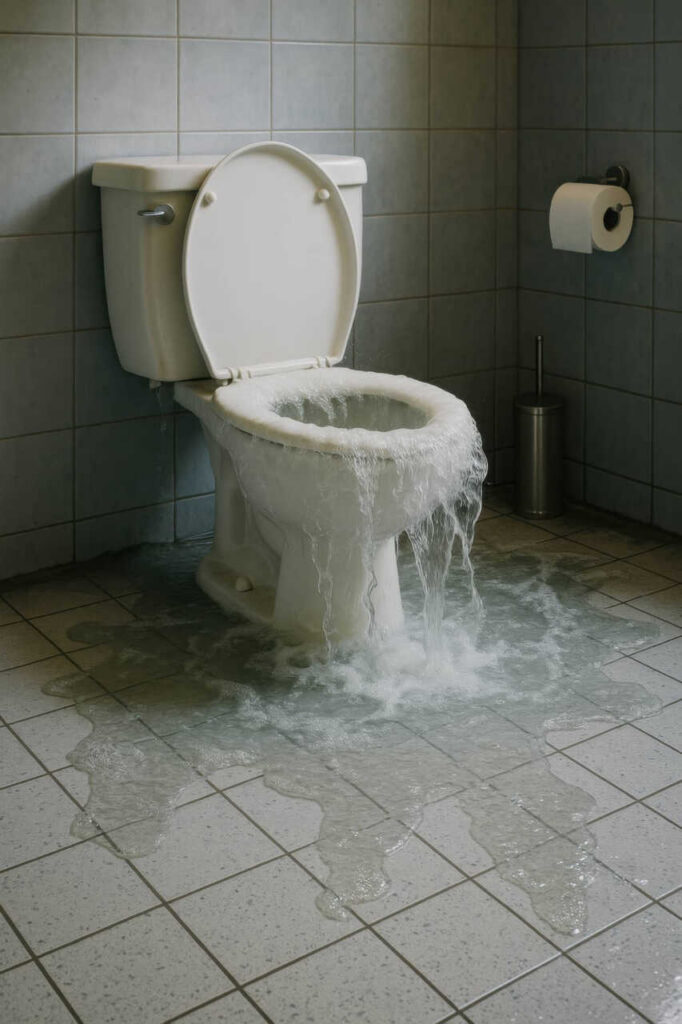
If water is still moving, stop it at the source and block its path right away with sandbags, towels, plastic sheeting, or whatever barrier you can deploy quickly.
Then isolate the wet zone by closing doors, sealing gaps, and moving dry materials beyond the spread line. Pull up rugs, lift furniture legs onto blocks, and protect outlets with dry covers.
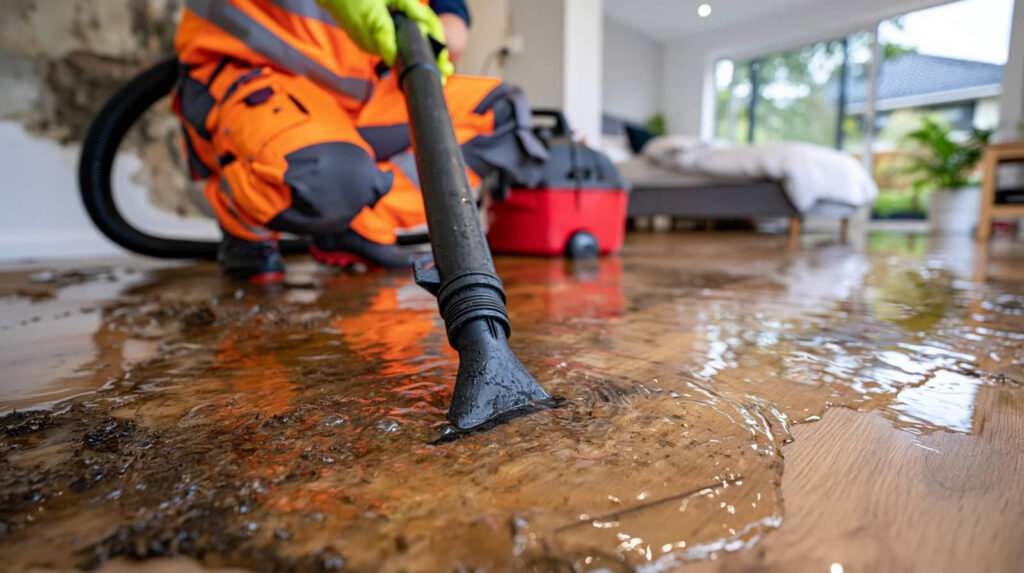
Start water extraction as soon as you can, working from the perimeter toward the center so you don’t push moisture deeper. Document the area with photos for damage assessment, then mark affected rooms so your crew stays coordinated.
You’re not handling this alone; every fast, disciplined step helps your team keep control, reduce secondary damage, and create a safer path for the next cleanup phase.
Handle Basement Floodwater and Sewage
When basement water is mixed with sewage, treat it as a biohazard and limit access immediately.
You should wear gloves, boots, eye protection, and an N95 or better respirator before entering.
Shut off power to the basement if water can reach outlets or equipment.
Then document the damage, call licensed professionals for sewage removal, and keep children and pets away.
Use pumps or wet vacs only if you can do so without stirring contaminated sediment.
Bag porous debris that can’t be cleaned, and seal it for disposal.
Open windows and run safe basement ventilation only after you’ve controlled exposure and verified electrical safety.
Work methodically, tag hazards, and coordinate with your team so everyone stays informed, protected, and ready for the next step.
Dry Out the Basement Before Mold Starts
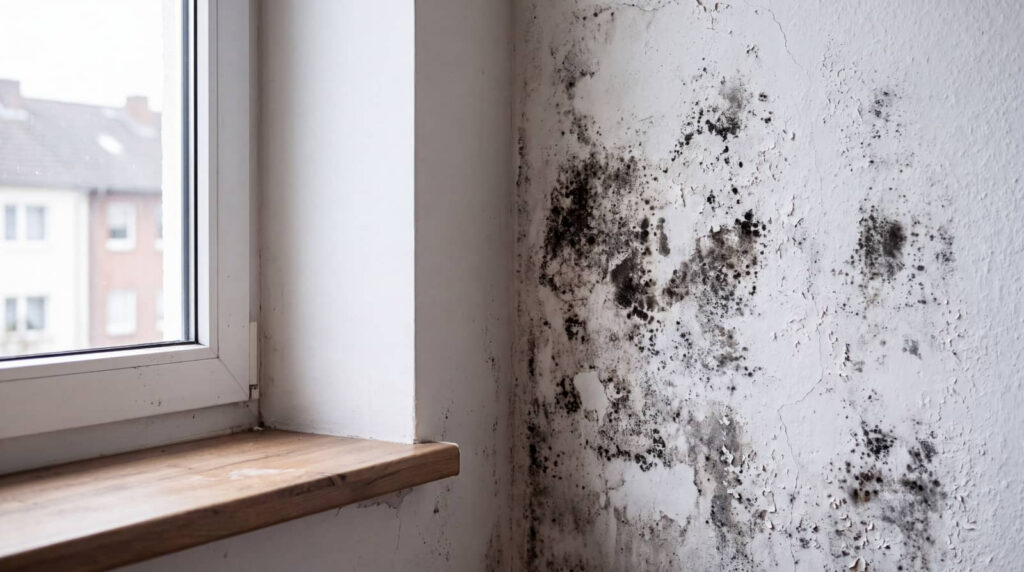
Once you’ve removed standing water and cleared contaminated debris, move straight into drying the basement to stop mold from taking hold.
You should run fans to push air across wet surfaces, place a dehumidifier in the center, and keep windows closed if outdoor air is damp.
Check framing, flooring, and insulation daily for trapped moisture. Maintain humidity control below 60% to support mold prevention and speed evaporation.
You’re part of a response team now, so work methodically and verify progress with a moisture meter.
- Aim airflow at corners and wall bases.
- Empty dehumidifier tanks before they fill.
- Pull back damp rugs and stored items.
- Recheck hidden voids, joints, and seams.
When to Call an Emergency Water Cleanup Professional
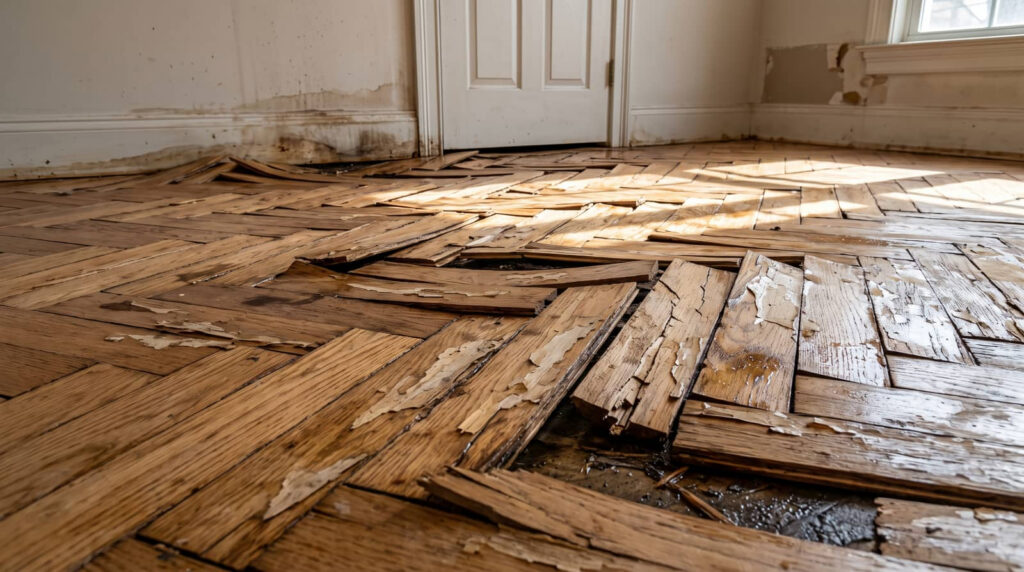
Call an emergency water cleanup professional as soon as you see structural saturation, sewage contamination, or water that’s reached wall cavities, subflooring, or electrical systems.
You shouldn’t wait for drying attempts when the leak keeps spreading, odors intensify, or flooring feels unstable. A certified team can start water extraction fast, isolate hazards, and perform a damage assessment to identify hidden moisture and contamination.
If you’re protecting your home and your crew, this is the moment to act together, not improvise. Call immediately after storm flooding, burst pipes, or appliance failures that affect multiple rooms.
Quick response limits microbial growth, structural decay, and costly secondary damage. When you bring in experts early, you get safer cleanup, clearer decisions, and a stronger path back to normal.
Wrap-Up
You’ve got to act fast during emergency flood cleanup to limit water damage response and protect your property. Shut off power, stop the water source, and isolate wet areas before the damage spreads like wildfire. Then dry the basement thoroughly, control humidity below 60%, and watch for sewage or structural hazards. If contamination, deep flooding, or hidden damage shows up, call a certified professional right away. Quick, precise action can save you from major losses.