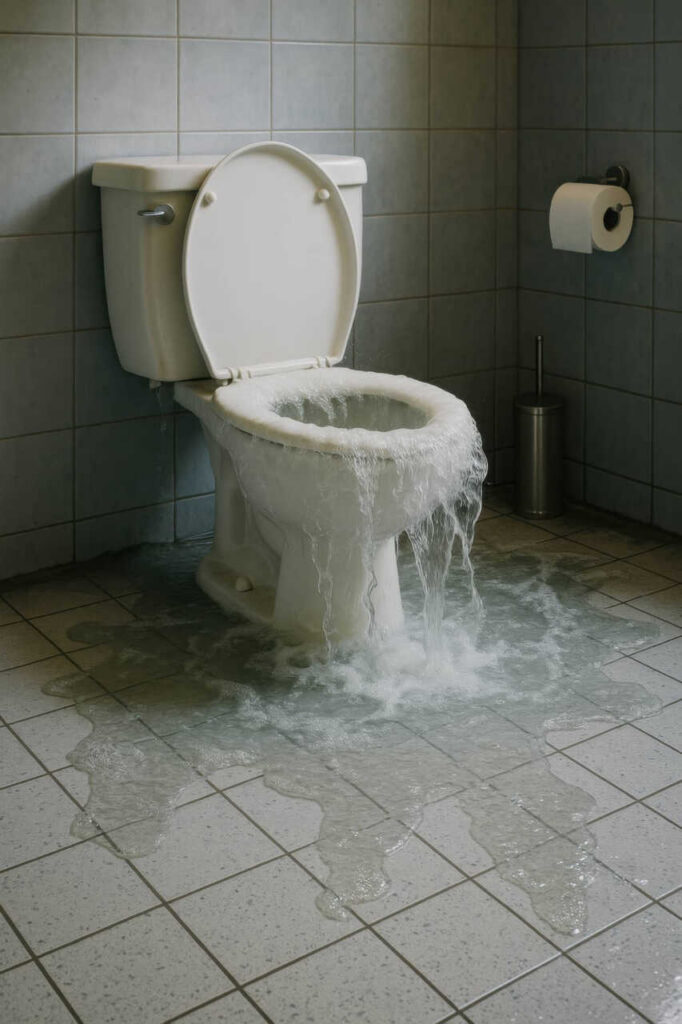
If a sewage spill feels like Pandora’s box, a sewage spill remediation company is the team you call to contain what’s escaped. You get certified technicians who remove contaminated water, haul biohazard waste, disinfect surfaces, and reduce exposure risks under health and environmental rules. Their work can decide whether a site stays unsafe or returns to use, but the exact process depends on what’s hidden below the surface.
Key Takeaways
- A sewage spill remediation company cleans, disinfects, and restores areas contaminated by sewage or wastewater backups.
- It contains the spill, removes standing waste, and disposes of contaminated materials safely.
- Certified crews use protective gear, proper disinfection methods, and regulated biohazard handling procedures.
- The company also dries affected areas and checks for odors, moisture, and remaining contamination.
- Fast response helps reduce health risks, cross-contamination, and further property damage.
What to Do After a Sewage Spill
After a sewage spill, you should isolate the affected area immediately and stop all foot traffic to prevent contamination from spreading.
Next, you should notify emergency contacts, including your property manager, utility provider, and local health department, so you can coordinate a fast, unified response.
Turn off HVAC systems if they may circulate aerosols, and keep children, pets, and unprotected occupants away.
Document the spill location, extent, and visible damage with photos for accurate reporting. You should avoid touching contaminated surfaces with bare skin.
If you belong to a facility team, follow your incident protocol and verify that everyone understands their role.
Use prevention strategies such as backflow checks and drain monitoring to reduce recurrence.
Stay calm; organized action protects your space and community.
What Sewage Spill Remediation Includes
Once you’ve isolated the spill and notified the necessary contacts, remediation can begin as a controlled sequence of containment, removal, cleaning, and verification.
You direct crews to stop spread with barriers, extract liquid waste, and remove saturated materials before residues migrate. Then they wash, disinfect, and dry affected surfaces while checking hidden cavities, drains, and adjacent zones for contamination.
Technicians also document conditions, sample if needed, and confirm that odor, moisture, and residue levels fall within acceptable limits.
This process reduces environmental impact and supports sewage spill prevention by identifying the failure point that caused the release.
When you understand each step, you can coordinate faster, protect shared spaces, and keep your facility aligned with health expectations and operational continuity.
Why Certified Sewage Cleanup Matters
Certified sewage cleanup matters because trained technicians follow regulated procedures that reduce exposure risks, limit cross-contamination, and ensure waste is handled in compliance with health and environmental standards.
You benefit when certification importance guides every decision, because it signals verified competence, documented training, and accountability you can trust.
Certified teams apply industry standards consistently, so your property receives controlled containment, precise disinfection, and documented compliance without guesswork.
That professionalism helps you align with a qualified response community that values safety, consistency, and shared responsibility.
When you choose certified support, you’re not just hiring labor; you’re selecting a system built to protect occupants, preserve structural integrity, and maintain regulatory alignment.
In a high-risk situation, that distinction matters.
How Emergency Sewage Removal Works
Emergency sewage removal starts with an immediate site assessment, where technicians identify the spill source, measure contamination spread, and classify affected materials by exposure level. You’re kept informed at each step, so you know the response follows strict emergency protocols and your property’s risk profile stays clear.
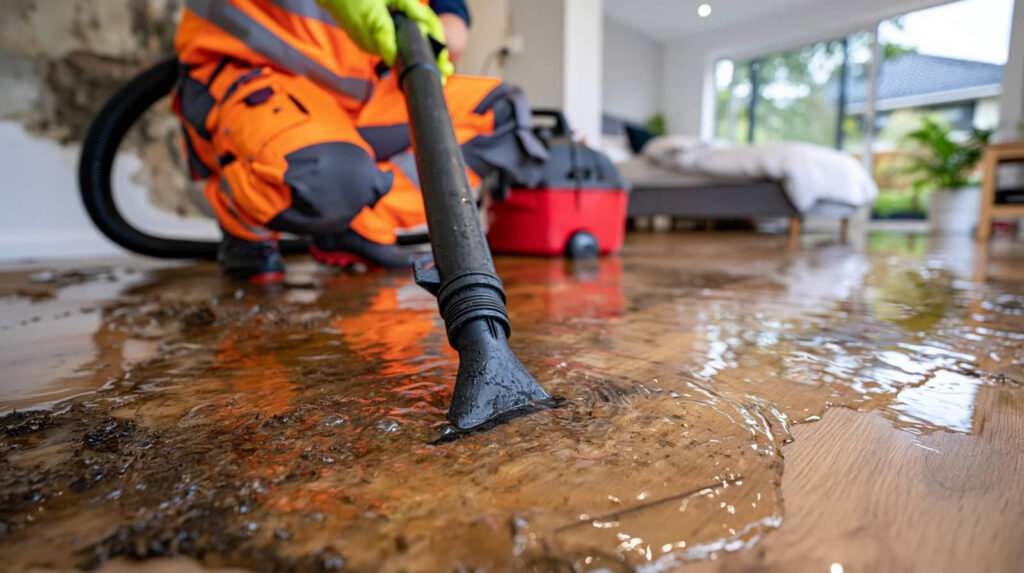
Next, crews isolate the area, shut off contributing flow, and establish controlled access to reduce cross-contamination. They then extract standing waste with specialized vacuum equipment and apply targeted disinfection to exposed surfaces.
After removal, technicians verify moisture levels, evaluate residual hazards, and document completion of cleanup procedures. This process helps you regain a sanitary, stable environment while coordinating with a team that works efficiently, communicates clearly, and treats your space with care and precision.
What Happens During Basement Sewage Cleanup
During basement sewage cleanup, technicians first evaluate the affected area to determine how far wastewater has spread, what materials have been contaminated, and whether structural elements, insulation, or stored contents require removal.
You’ll see them map basement flooding, document wet zones, and check for sewage odors that signal hidden migration. Their process stays systematic:
- isolate the entry path
- classify affected materials
- measure saturation depth
- plan controlled extraction
You stay informed because each step confirms what can remain and what must go.
Technicians then remove standing liquid and debris, using containment to limit cross-contamination. That careful sequence helps your space rejoin a safer, more orderly condition, and it shows you’re not handling the problem alone.
How Pros Sanitize and Disinfect the Area
Once the wastewater is removed, pros clean all salvageable surfaces with detergent and then apply EPA-registered disinfectants at the correct dwell time to reduce pathogen load.
You’ll see them work methodically, segmenting the area so every touchpoint gets equal attention. Their sanitization methods target residue on concrete, framing, and fixtures, while disinfection techniques focus on high-contact zones and porous materials that can still be treated safely.
They verify coverage with measured dilution, controlled contact time, and repeat passes where contamination persists. You stay informed because they document each step, helping you understand what’s been treated and why.
When Biohazard Waste Removal Is Needed
You need biohazard waste removal when you see high-risk contamination signs such as visible fecal matter, pervasive odors, porous materials soaked through, or wastewater intrusion into walls and subfloors.
Sewage backup creates acute health hazards because it can contain pathogens that spread through direct contact, aerosols, and contaminated surfaces.
Proper disposal requires isolating the waste, using sealed containers, and following regulated transport and disposal procedures to prevent secondary exposure.
High-Risk Contamination Signs
How do you know a sewage spill has crossed into high-risk contamination? You assess visible clues, odor intensity, and spread patterns, because contamination sources often multiply fast.
If you see these signs, treat the area as biohazard waste removal territory:
- Black water pooling near porous materials
- Sludge reaching walls, vents, or subfloors
- Persistent odor that doesn’t fade after ventilation
- Multiple affected zones, not one isolated spot
You’re not overreacting; you’re applying a risk-based filter. High-risk contamination means the spill can’t be managed as ordinary cleanup.
The longer it sits, the more it migrates into hidden surfaces and increases health risks. If you’re responsible for the space, you need a team that understands containment, source tracing, and safe removal.
Sewage Backup Health Hazards
When sewage backs up, the hazard isn’t just the visible mess; it’s the microbial and chemical load carried in the wastewater, including bacteria, viruses, parasites, and aerosolized contaminants that can spread through air, surfaces, and porous materials.
You face significant health risks if you inhale droplets, contact skin, or track residue into living areas. These contamination sources can trigger gastrointestinal illness, respiratory irritation, dermatitis, and wound infection, especially for children, older adults, and anyone with reduced immunity.
In your home or business, hidden moisture can sustain growth and extend exposure beyond the initial spill. You’re not overreacting if you treat the event as a biohazard; you’re protecting your space, your people, and your confidence in returning to normal.
Proper Waste Disposal Steps
Because sewage waste can contain pathogens, sharps, and contaminated porous materials, proper disposal starts with segregating all affected debris into approved biohazard containers and bagging it in leak-resistant, clearly labeled liners.
You then protect your team and keep your site aligned with waste management and disposal regulations. Follow these steps:
- Remove saturated materials and isolate them from salvageable contents.
- Double-bag waste, seal each liner, and document contents for traceability.
- Transport containers through designated routes to licensed treatment facilities.
- Disinfect tools, wash hands, and verify final manifests.
When you work this way, you reduce exposure, preserve compliance, and reinforce a shared standard of safety.
Your cleanup crew belongs to a process that values precision, accountability, and clean recovery.
How to Choose the Right Sewage Cleanup Company
You should verify that the sewage cleanup company uses licensed crews, since certification helps ensure compliance with health and waste-handling requirements.
You also need rapid response, because shorter turnaround reduces exposure time and limits secondary contamination.
Confirm that the team follows proper safety protocols, including containment, PPE, disinfection, and controlled disposal, before you authorize service.
Licensed Cleanup Crews
A qualified sewage cleanup company should deploy licensed crews who understand biohazard handling, containment, disinfection, and regulated waste disposal. You want licensed professionals who carry cleanup certifications because those credentials signal verified training and compliance.
When you evaluate crews, verify:
- State or local licensing status.
- Current biohazard cleanup certifications.
- Documented PPE and containment procedures.
- Waste transport and disposal records.
These controls reduce exposure, limit cross-contamination, and support a safe return to normal use. You’re not just hiring labor; you’re choosing a technical team that protects your home and the people in it.
Ask for written proof, not verbal assurances, so you can compare providers objectively. A credible crew will explain its methods clearly, respect your concerns, and work like part of your recovery network.
Response Time Matters
Fast response can make the difference between contained damage and a worsening biohazard. When you compare sewage cleanup companies, measure how quickly they answer, dispatch, and begin a rapid assessment.
A strong provider should give you clear arrival windows, triage the site promptly, and coordinate crews without delay. That response efficiency limits spread, reduces secondary contamination, and shortens downtime for your property and your team.
You deserve a company that treats your emergency as time-critical, not routine. Ask whether they offer 24/7 intake, local coverage, and documented turnaround metrics.
If they can’t explain their mobilization process, keep looking. The right partner moves fast, communicates clearly, and helps you feel confident that your situation is being handled by people who understand the urgency and the technical demands.
Proper Safety Protocols
Proper safety protocols should be nonnegotiable when you vet a sewage cleanup company, because any lapse can expose occupants, workers, and surfaces to pathogens, aerosols, and cross-contamination.
You should verify that the team follows health regulations and documents each control step. Ask whether they use calibrated monitoring, containment barriers, and approved safety equipment.
Then compare their process against these standards:
- PPE usage matches biohazard level.
- Entry and exit zones stay isolated.
- Waste gets bagged, labeled, and hauled.
- Disinfection meets local code.
When you choose a firm that treats protocol as discipline, you protect your property and join a community of clients who value rigorous, transparent remediation.
Review
When you face a sewage spill, you need fast, certified help to protect health and property. A sewage spill remediation company contains the contamination, removes hazardous waste, disinfects the area, and verifies the site is safe. You can’t afford delays, because untreated sewage can trigger serious structural and biological damage. By choosing trained professionals, you ensure compliance, reduce risk, and restore the space efficiently. Their expertise can feel like a lifesaving shield in chaos.