
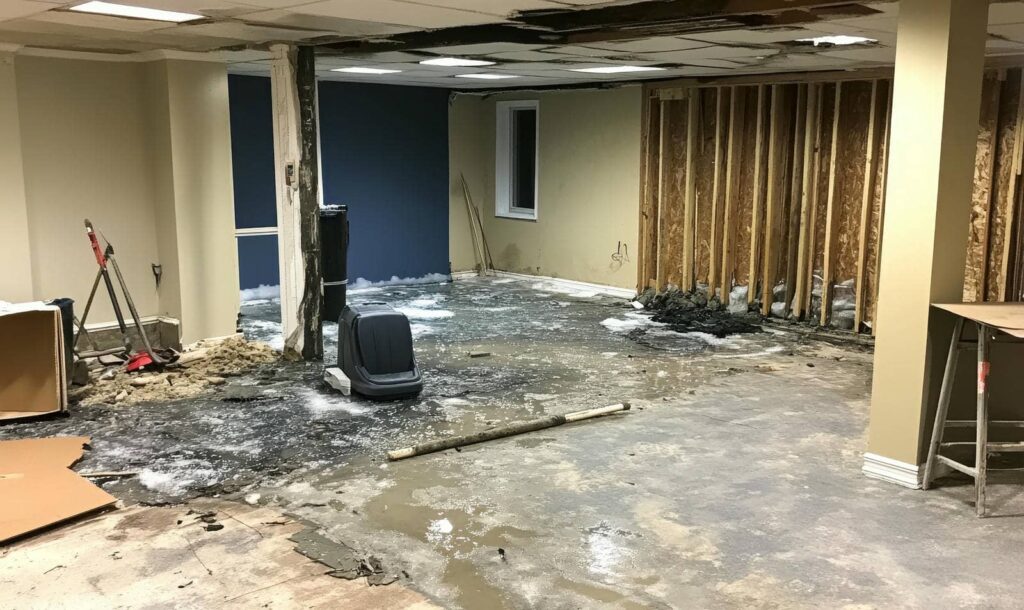
When facing the aftermath of a flood, maneuvering through your insurance claims can feel overwhelming. It’s vital to approach the flood cleanup situation methodically. Start by documenting the damage thoroughly and notifying your insurance company without delay. Keeping detailed records of communication and understanding your policy are essential steps. As you consider hiring professional cleanup services, there are specific strategies that can greatly influence your recovery. Let’s explore these important tips further.
Key Takeaways
- Document all damage thoroughly with detailed descriptions and timestamped photos for your insurance claim.
- Notify your insurance company promptly to initiate the claim process without delay.
- Keep meticulous records of all communication with your insurance representatives for reference.
- Hire professional cleanup services to manage flood damage effectively and identify hidden issues.
- Review your insurance policy coverage and limits to understand what damages are eligible for compensation.
Document the Damage Thoroughly
When dealing with flood damage, documenting the destruction thoroughly is vital for a successful insurance claim. Start with a detailed damage assessment, identifying all affected areas and items. Use a systematic approach; categorize damage by room or type of material. This method makes it easier for your insurance adjuster to understand the extent of your losses.
Photographic evidence is essential. Take clear, well-lit photos from multiple angles, capturing both the overall scene and specific damage. Be sure to include any damaged personal belongings, structural elements, and appliances. Photos should be timestamped to verify when the damage occurred, further strengthening your claim.
Consider keeping a written log of your observations, including dates and descriptions of each item’s condition. This detailed documentation aids your insurance process and provides peace of mind as you navigate recovery.
A thorough record supports your case and helps ensure you receive the compensation you deserve.
Notify Your Insurance Company Promptly
As soon as flood damage occurs, it’s essential to notify your insurance company without delay.
Prompt notification initiates the claim process, allowing you to begin recovery as quickly as possible. Most flood insurance policies have specific timeframes to report damage, and failing to act swiftly could jeopardize your eligibility for coverage.
When you contact your insurer, provide them with a clear account of the situation, including the extent of the damage and any immediate repairs you’ve made to prevent further loss.
This transparency helps in processing your claim efficiently and reinforces your commitment to resolving the issue.
Keep Records of All Communication
Maintaining thorough records of all communication with your insurance company is essential during the flood cleanup claim process. Keeping detailed communication logs can make a significant difference in how your claim is handled. Document every phone call, email, and in-person meeting, noting dates, times, and the names of representatives you spoke with. This provides a clear timeline of your interactions and reinforces the seriousness of your claim.
When you perform claim follow-ups, refer to your records to ensure continuity in discussions and address any unresolved issues. These logs will also serve as evidence if discrepancies arise later, supporting your case for the compensation you deserve.
Hire Professional Cleanup Services
Hiring professional cleanup services is vital for effectively managing the aftermath of a flood. These experts bring a wealth of knowledge and experience to the table, ensuring that cleanup procedures are executed efficiently and thoroughly.
They can quickly assess the damage and identify hidden issues, such as mold growth or structural weaknesses, that you might overlook. With their specialized equipment and techniques, professionals can remove water, debris, and contaminants safely.
Their expert assessment speeds up the recovery process and minimizes the risk of long-term damage, which could lead to costly repairs later on.
Moreover, working with a reputable cleanup service often provides peace of mind, knowing that your property is in skilled hands. This collaboration fosters a sense of community, as you’re not facing the challenges of recovery alone.
Understand Your Policy Coverage and Limits
Understanding your policy coverage and limits is essential after experiencing a flood. Your insurance policy will outline what’s covered, but it’s equally important to be aware of any policy exclusions that might affect your claim.
Review the specifics of your coverage limits closely; these will dictate how much you can receive for damages. Many policies have caps on certain items, like personal property or structural repairs.
Familiarize yourself with the types of flood damage your policy addresses. Not all water damage is treated equally, and you may find that some situations aren’t covered at all.
By knowing these details, you can manage your expectations and avoid surprises during the claims process. If you’re unsure about your coverage, reach out to your insurance agent for clarification.
Having this knowledge empowers you, helping you navigate the aftermath of a flood with greater confidence and understanding.
Frequently Asked Questions
What Types of Damage Are Typically Covered by Flood Insurance?
Flood insurance typically covers structural damage, personal property loss, and essential appliances. However, flood policy exclusions often include basements and certain contents. Always check your coverage limits to ensure adequate protection against potential losses.
How Long Do I Have to File a Flood Claim?
You typically have 60 days to file a flood claim after the incident. Familiarize yourself with the flood claim deadlines and filing procedures to ensure you submit everything accurately and on time for the best coverage.
Can I Claim for Temporary Living Expenses?
Yes, you can claim temporary housing expenses if your policy covers it. Check your insurance reimbursements for specifics, as policies vary. Document all costs incurred to support your claim effectively and ensure a smoother process.
What if My Insurance Claim Is Denied?
If your insurance claim’s denied, don’t despair. Start the appeal process by reviewing the denial letter, gathering supporting documents, and clearly outlining your case. Persistence can often lead to a successful resolution.
How Do I Appeal a Denied Flood Insurance Claim?
To appeal a denied flood insurance claim, gather your documentation and understand flood insurance basics. Follow the appeal process outlined in your policy, detailing your reasons for disagreement, and submit your appeal within the specified timeframe.
Conclusion
In the chaos of a flood, every detail counts. By meticulously documenting damage, promptly notifying your insurer, and keeping clear records, you’re not just managing a claim—you’re safeguarding your recovery. Hiring professionals can make a significant difference in the cleanup process, while understanding your policy ensures you’re not caught off guard. Remember, in the face of adversity, preparation and knowledge are your strongest allies. Don’t leave your future to chance; take control of your claim today.