
Filing water damage claims can feel like maneuvering through a maze, with twists and turns at every corner. You need to act quickly and methodically to guarantee your coverage applies. Start by documenting the damage and notifying your insurance company. But what specific steps do you need to take to strengthen your claim? Understanding the process can make all the difference in receiving the compensation you deserve.
Key Takeaways
- Document all damage with photos and notes before notifying your insurance company to support your claim.
- Review your insurance policy coverage and limits to understand what is included before filing.
- Contact your insurer promptly and provide necessary details, including the date and cause of damage.
- Gather documentation such as repair estimates and a timeline of events to strengthen your claim.
- Follow up regularly and stay organized to expedite the claims process and address any issues.
Understanding the Impact of Water Damage on Your Insurance Coverage
Water damage can greatly affect your insurance coverage, often in ways you mightn’t expect. Many policies have specific exclusions or limitations related to water damage, which can impact your ability to file a successful claim.
For instance, if damage results from a slow leak that wasn’t addressed promptly, your insurer might deny coverage based on maintenance issues. It’s essential to understand these insurance limitations before disaster strikes.
Engaging a professional for water restoration can help mitigate damage, but it won’t overcome your policy’s restrictions. Always review your policy details and consider additional coverage options to guarantee you’re protected.
Being informed empowers you to make better decisions when faced with potential water damage claims.
Types of Water Damage Claims You Can File
When you face water damage, understanding the types of claims you can file is vital.
You might encounter sudden incidents, gradual deterioration, or claims resulting from natural disasters. Each type has specific criteria and coverage implications, so it’s essential to know your options.
Sudden Water Incidents
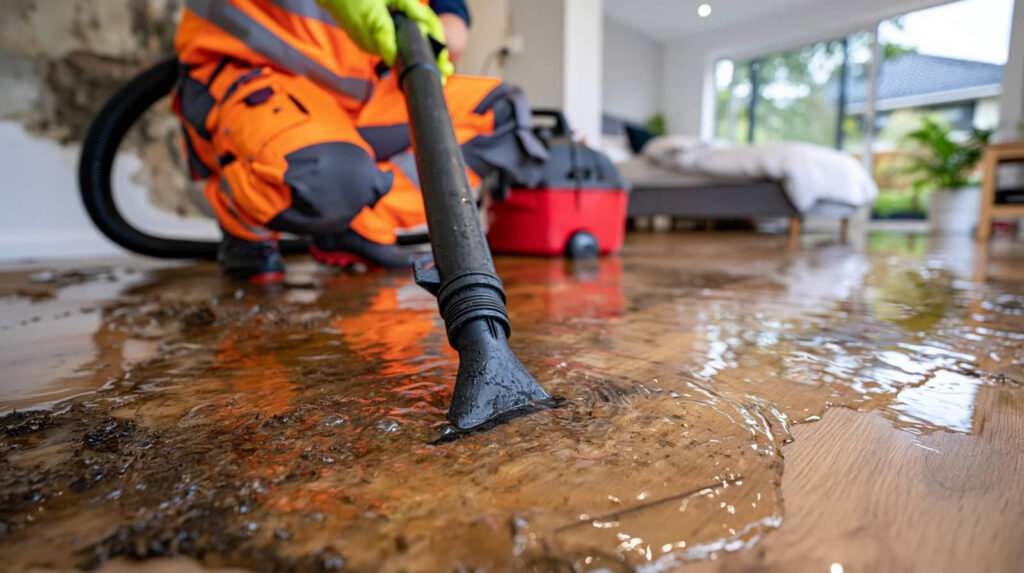
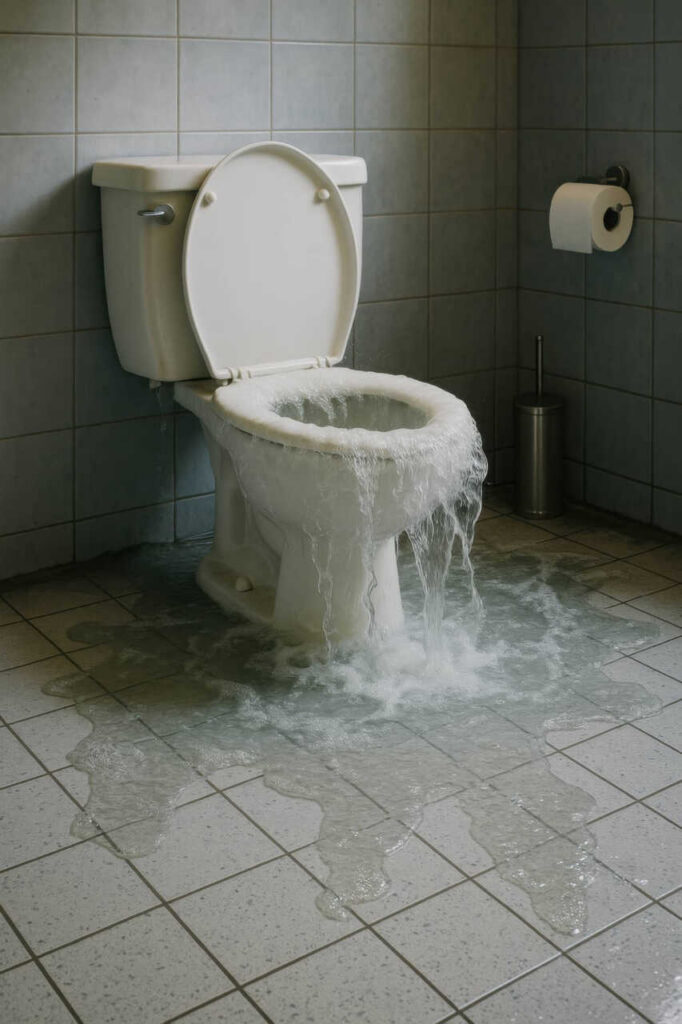
Many homeowners face unexpected water incidents that can lead to significant damage and costly repairs. Common sudden water incidents include burst pipes, overflowing toilets, or severe storms. In these situations, prompt emergency response is essential to minimize damage.
You should immediately shut off the water source and start the cleanup process.
To support your claim, use effective documentation strategies. Take photos of the damage and keep records of any repairs or expenses incurred.
Notify your insurance provider as soon as possible to initiate the claims process. Understanding the types of sudden water damage claims you can file will help you navigate this challenging situation, ensuring you’re not left to manage the aftermath alone.
Gradual Water Damage
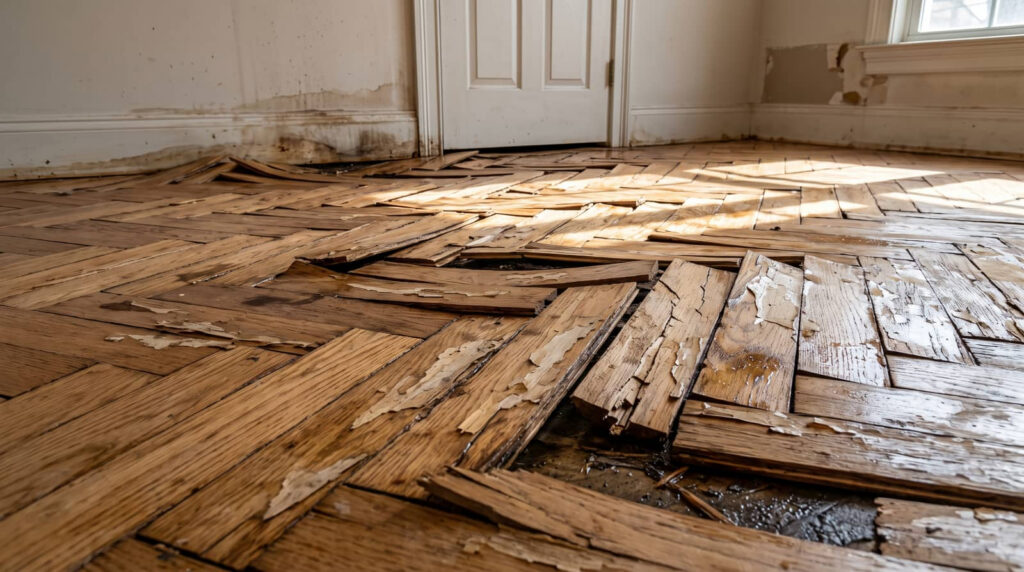
While sudden incidents often grab attention, gradual water damage can be equally detrimental and often goes unnoticed until significant harm is done. This type of damage typically results from leaks, high humidity, or poor drainage over time, leading to gradual deterioration of your property.
It’s essential to conduct regular moisture assessments to catch issues early. Look for signs like mold growth, warped walls, or peeling paint these can indicate ongoing problems.
When filing a claim for gradual water damage, document your findings meticulously, as insurance companies may require evidence of the damage’s progression.
Natural Disaster Claims
Gradual water damage isn’t the only concern for homeowners; natural disasters can lead to significant water damage claims as well. When a flood, hurricane, or heavy storm strikes, your property may face devastating impacts.
It’s essential to have flood insurance in place, as standard homeowners insurance often doesn’t cover water damage from these events. After a disaster, documenting the damage promptly helps strengthen your claim.
Make sure you’re prepared by reviewing your policy and understanding your coverage limits. Disaster preparedness isn’t just about having supplies; it’s also about knowing how to respond after an incident.
How to Notify Your Insurance Company About Water Damage
When you discover water damage, acting quickly is essential to minimize further issues and initiate your claim process.
Follow these claim notification steps to effectively notify your insurance company:
- Document the damage with photos and notes.
- Find your policy details, including coverage limits.
- Contact your insurance company promptly using their claims hotline.
- Provide necessary information, like the date of damage and its cause.
- Keep records of all communications for future reference.
Using these insurance contact tips will streamline your claim process, ensuring you don’t miss any significant details.
Quick action not only helps mitigate damage but also reinforces your position in receiving the support you need from your insurer.
What to Include in Your Claim
To guarantee your water damage claim is processed smoothly, it’s essential to include all relevant details.
Start by gathering documentation essentials like photos of the damage, repair estimates, and any correspondence with contractors.
Clearly outline the timeline of events, ensuring claim accuracy by noting when the damage occurred and how it was discovered.
Include a detailed description of the affected areas and any personal items impacted by the water.
If you’ve had any repairs done, document those as well.
This all-encompassing approach not only strengthens your claim but also helps your insurance adjuster understand your situation better.
How Adjusters Evaluate Water Damage Claims
After you’ve submitted your claim, an insurance adjuster will assess the damage to determine the extent of coverage.
To guarantee a thorough evaluation, the adjuster will typically consider:
- Adjuster qualifications: Look for their experience and training in water damage assessments.
- Claim documentation: Accurate records, including photos and repair estimates, are essential.
- Extent of damage: They’ll evaluate the severity and source of the water damage.
- Policy terms: Understanding your coverage limits and exclusions is critical.
- Mitigation efforts: They’ll review any immediate actions you took to prevent further damage.
Avoid Common Mistakes When Filing Water Damage Claims
Filing a water damage claim can be a straightforward process, but many policyholders stumble by making common mistakes that can jeopardize their chances of receiving full compensation.
One key misstep is failing to thoroughly document damage. Always take clear photos and make detailed notes about the extent of the loss. Additionally, gathering evidence like receipts for repairs or any communications with contractors is essential.
Don’t delay in reporting the damage to your insurer; prompt action helps strengthen your claim.
Finally, overlook policy specifics at your own risk; understanding coverage limits and exclusions can prevent unexpected surprises.
How to Appeal a Denied Water Damage Claim
Even with careful planning, some water damage claims may be denied, leaving you feeling frustrated and uncertain about your next steps.
To successfully appeal a denied claim, consider these strategies:
- Review your claim documentation thoroughly for accuracy.
- Understand the denial reason to address specific issues.
- Gather additional evidence****, like photos and repair estimates, to support your case.
- Draft a clear and concise appeal letter, outlining your points.
- Follow up regularly with your insurer to keep your appeal on track.
How Long Does It Take to Process My Water Damage Claim?
When you file a water damage claim, understanding the timeline is essential.
You’ll need to reflect on how long it takes for submission, the investigation and assessment, and the period before a final decision is made.
Each of these phases can impact when you’ll receive compensation.
Claim Submission Timeline
How long can you expect to wait for your water damage claim to be processed? Generally, the timeline can vary based on several factors, including the completeness of your claim documentation.
Here are some timeline expectations to keep in mind:
- Initial Acknowledgment: Usually within 1-3 days after submission.
- Claim Review: Typically takes 1-2 weeks, depending on the complexity.
- Additional Information Requests: May add 1 week or more if needed.
- Final Decision: Often within 30 days after the review process.
- Payment Processing: Can take another 1-2 weeks after approval.
Understanding these stages can help you manage your expectations and keep communication open with your insurer.
Staying organized with your documentation can also expedite the process considerably.
Investigation And Assessment Duration
While you may be enthusiastic to resolve your water damage claim, the investigation and assessment phase can take time. Typically, this process lasts a few days to several weeks, depending on various factors.
Adjusters use specific assessment techniques to evaluate the extent of the damage extensively. However, investigation challenges, such as obtaining necessary documentation or coordinating with contractors, can extend this timeline.
You’ll want to remain patient during this period, as a detailed assessment is vital for a fair settlement. By understanding these dynamics, you can better navigate the waiting game and stay informed about your claim’s progress.
Final Decision Period
After the investigation and assessment phase, you’ll be enthusiastic to know how long it takes to process your water damage claim. The final decision period can vary, but it typically depends on several key factors:
- Complexity of the claim
- Availability of documentation
- Insurer’s workload
- Local regulations
- Any necessary appeals process
Generally, you can expect a decision within a few weeks to a couple of months. Factors like missing information or disputes can extend this timeline.
If you disagree with the outcome, you’ll have the option to enter the appeal process, which can add more time. Understanding these aspects helps set your expectations and keeps you informed throughout the process.
Working With Contractors for Water Damage Repairs
When you face water damage, collaborating with the right contractor can greatly impact the repair process.
Start with careful contractor selection; seek recommendations from trusted sources and check online reviews. Look for professionals with specific experience in water damage repairs.
Once you’ve narrowed down your choices, request detailed repair estimates from each contractor. This will help you compare costs and understand the scope of work required.
Don’t hesitate to ask questions; clarity is essential for both parties. Confirm the contractor’s timeline aligns with your needs, and verify they’re licensed and insured.
A well-chosen contractor not only expedites repairs but also brings peace of mind, making the recovery process much smoother for you and your home.
Tips for a Smooth Claims Process
To guarantee a smooth claims process, start by documenting all aspects of the water damage thoroughly.
Effective documentation tips and communication strategies can make a significant difference. Here are some key steps:
- Take clear photos of the damage from various angles.
- Keep records of all repairs and expenses.
- Report the damage to your insurance company promptly.
- Maintain written communication with your claims adjuster.
- Follow up regularly to stay updated on your claim status.
Frequently Asked Questions
What Documentation Is Essential for Filing a Water Damage Claim?
You’ll need photos documenting the damage and repair estimates from professionals. These items establish the extent of the issue and the costs involved, helping your claim process go smoothly and efficiently.
Can I File a Claim for Gradual Water Damage?
Yes, you can file a claim for gradual water damage, but it often depends on your insurance coverage. Review your policy closely to understand any limitations or exclusions related to gradual damage before proceeding.
Are There Time Limits for Filing Water Damage Claims?
Yes, there are time limits for filing water damage claims. Claim timelines vary by state, often ranging from one to three years. It’s essential to understand legal considerations to protect your rights effectively.
How Does My Deductible Affect My Water Damage Claim?
Your deductible impacts your claim calculations directly. It reduces the payout amount, meaning you’ll receive less after covering your deductible. Understanding this helps you anticipate your out-of-pocket expenses when filing for water damage.
What if My Insurance Policy Excludes Certain Types of Water Damage?
If your policy excludes certain types of water damage, it’s like maneuvering through a maze without a map. You’ll need flood insurance or a rider to cover those exclusions, ensuring your protection against unexpected losses.
Review
Steering through the waters of a water damage claim can be intimidating, but with careful preparation, you can chart a course to success. By documenting your loss, promptly notifying your insurer, and including all necessary details, you’ll strengthen your position. Remember, persistence is key; if your claim faces denial, don’t hesitate to appeal. With the right approach, you can transform a turbulent experience into a smoothly flowing resolution, restoring not just your property, but your peace of mind.