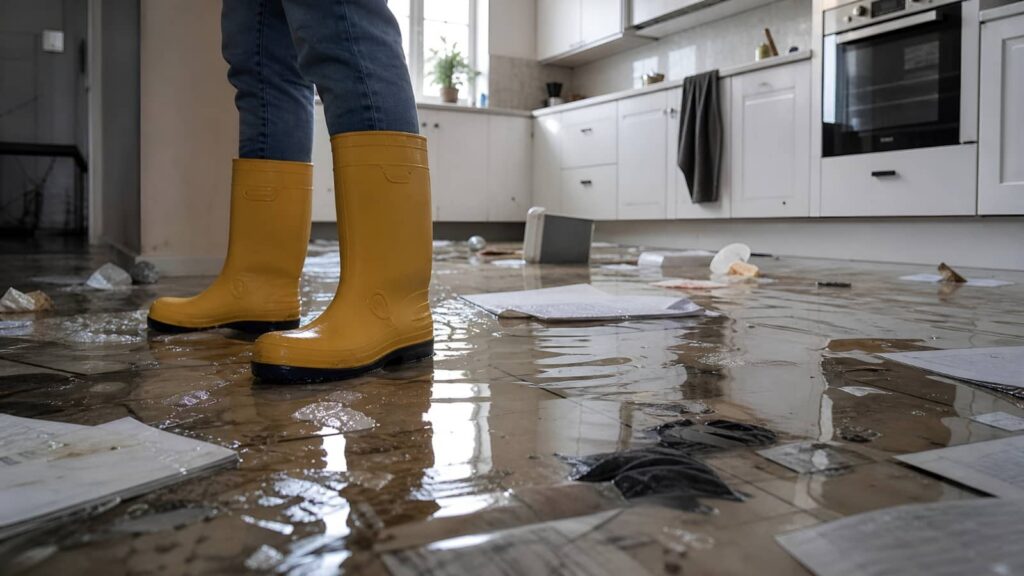
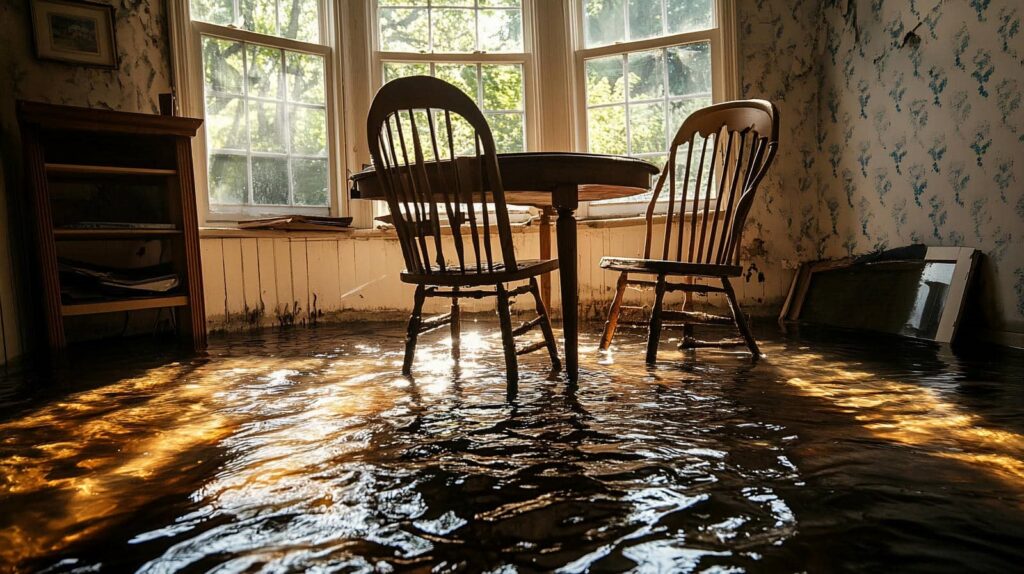
Ensuring quality control after water restoration is essential for a safe and healthy environment. You need to monitor moisture levels and test air quality to prevent future issues. Regular inspections and thorough documentation help maintain standards and track progress. Engaging clients through feedback can improve services and enhance satisfaction. But what specific techniques and protocols should you implement to achieve lasting results?
Key Takeaways
- Regular inspections and moisture level evaluations ensure compliance with restoration standards and identify potential issues early.
- Implement robust air quality testing to detect airborne pollutants and safeguard occupant health.
- Maintain open communication with clients to gather feedback and enhance service quality continuously.
- Invest in continuous training for technicians to uphold high standards in water restoration practices.
- Develop a structured follow-up plan to monitor post-restoration conditions and address any emerging concerns promptly.
Importance of Quality Control in Water Restoration
When it comes to water restoration, ensuring quality control is essential because it directly impacts the safety and longevity of the restored environment. Quality assurance processes help you verify that every step of the restoration meets established restoration standards. This ensures that the materials, techniques, and equipment used are both effective and safe for occupants.
By implementing strict quality control measures, you minimize risks associated with mold growth, structural damage, and health hazards. Regular inspections and testing during and after the restoration process help identify potential issues early, allowing for timely interventions.
Moreover, adhering to restoration standards fosters trust within your community, as clients recognize your commitment to safety and excellence.
Ultimately, prioritizing quality control in water restoration not only enhances the durability of the environment but also reinforces your reputation as a reliable service provider dedicated to delivering exceptional results.
Key Indicators of Successful Restoration
Successful water restoration hinges on several key indicators that demonstrate the effectiveness of the process. First, adherence to restoration benchmarks is essential. These benchmarks serve as measurable goals that ensure the restoration meets industry standards. You should regularly evaluate moisture levels, verifying they align with acceptable limits for safety and health.
Next, robust inspection protocols must be in place throughout the restoration process. This includes visual checks and moisture assessments at various stages to confirm that drying and repairs are effective. Documenting findings during inspections helps establish a clear record of progress, which builds trust within your community.
Finally, customer satisfaction plays a significant role. Engaging with clients to gather feedback can provide insights into how well the restoration meets their expectations.
Visual Inspections and Assessments
To ensure effective water restoration, you need to conduct thorough visual inspections and assessments.
Start with an initial visual examination to identify obvious damage, then perform a detailed surface assessment for more subtle issues.
Finally, utilize hidden moisture detection techniques to uncover any concealed moisture that could lead to further complications.
Initial Visual Examination
The initial visual examination serves as a critical step in the water restoration process, allowing you to identify the extent of damage and prioritize subsequent actions.
During this phase, you’ll conduct an initial damage assessment by inspecting the affected areas for signs of water intrusion, mold growth, and structural integrity issues.
Pay attention to materials like drywall, flooring, and insulation, as their condition will influence the restoration timeline.
Document your findings meticulously, as this information will guide your recovery efforts and help you make informed decisions.
Detailed Surface Assessment
While conducting a detailed surface assessment, you’ll need to focus on visual inspections and assessments to uncover any hidden damage that may not be immediately apparent.
Utilize effective surface evaluation techniques to systematically examine walls, floors, and ceilings for discoloration, warping, or other indicators of compromised restoration material integrity. Pay close attention to joints and seams, as these areas often reveal underlying issues.
Document your findings meticulously, as thorough records will aid in ensuring long-term quality control. If you identify any concerns during your assessment, it’s essential to address them promptly, reinforcing both your commitment to high standards and the trust of those relying on your expertise in water restoration.
This diligence protects both property and peace of mind.
Hidden Moisture Detection
Since hidden moisture can lead to significant damage if not detected early, implementing effective detection methods is essential. You should start with thorough visual inspections to identify obvious signs of moisture, such as discoloration or mold.
However, these methods alone might miss concealed issues. That’s where moisture mapping comes into play. By using advanced sensor technologies, you can pinpoint moisture levels behind walls or beneath floors, ensuring no problem goes unnoticed.
Employing these tools enhances your assessment accuracy and builds confidence within your team. Collaborating with experts familiar with these technologies can further solidify your efforts in maintaining quality control after water restoration, ultimately protecting your investments and ensuring a safe environment for all.
Moisture Level Monitoring Techniques
Moisture level monitoring is vital for effective water restoration, ensuring your environment returns to a safe, healthy state.
You can employ moisture mapping techniques to visually identify areas of high humidity and moisture retention, allowing for targeted remediation efforts. Utilizing advanced sensor technology is essential, as these sensors provide real-time data on moisture levels, enabling you to track changes over time.
You’ll want to place sensors in strategic locations, particularly in areas prone to hidden moisture. Regularly reviewing this data helps you determine if restoration efforts are effective and if additional measures are needed.
By integrating these moisture-level monitoring techniques into your restoration process, you protect your property and foster a sense of belonging and safety in your environment.
Consistent monitoring ensures peace of mind, knowing that your home or business is returning to a healthy state.
Air Quality Testing and Evaluation
Once you’ve monitored moisture levels, the next step is to assess air quality, as it directly impacts the safety and health of the environment.
Start by identifying potential airborne pollutants that may have emerged during the water restoration process. Common contaminants include mold spores, volatile organic compounds (VOCs), and bacteria, which can pose health risks if left unchecked.
Utilize specialized testing equipment, such as air sampling pumps and particle counters, to collect and analyze air samples effectively. This equipment helps you determine the concentration of various pollutants and evaluate whether they exceed acceptable thresholds.
After conducting the tests, interpret the results to identify any necessary remediation actions.
Regular air quality testing ensures a safe environment for occupants and fosters a sense of community assurance.
Documentation and Reporting Procedures
To ensure a thorough and efficient water restoration process, documenting each step and outcome is essential. Effective documentation practices help you track progress, identify issues, and maintain accountability.
Start by recording initial assessments, including water damage extent, affected materials, and moisture levels. As you progress, keep detailed notes on the methods used for extraction, drying, and remediation.
Adhering to reporting standards is vital for maintaining quality control. Make sure your reports are clear, accurate, and all-encompassing, providing a timeline of actions taken and their outcomes. Include before-and-after photographs to visually support your findings.
Regularly review your documentation for consistency and completeness, and be prepared to share it with relevant stakeholders. This transparent approach enhances your credibility and fosters trust among your team and clients, creating a sense of belonging within a community committed to excellence in water restoration.
Client Feedback and Satisfaction Surveys
Client feedback is essential for evaluating the effectiveness of your water restoration efforts.
By actively measuring satisfaction through surveys, you ensure direct communication with clients, which helps identify areas for improvement.
This data enhances your service quality and builds trust and loyalty among your customers.
Importance of Direct Communication
While ensuring quality control in water restoration, direct communication plays an essential role in gathering client feedback and satisfaction surveys. Effective communication enhances client transparency, fostering trust and ensuring that your concerns are addressed promptly.
By actively engaging with clients, you can gain valuable insights that refine your services.
- Strengthens client relationships
- Identifies areas for improvement
- Increases overall satisfaction
- Encourages repeat business and referrals
Utilizing direct communication methods like surveys or follow-up calls allows you to gauge client experiences accurately.
This feedback loop enhances your service quality while reinforcing your commitment to meeting client needs, ultimately leading to better restoration outcomes and stronger community ties.
Measuring Restoration Effectiveness
Gathering client feedback is vital for measuring restoration effectiveness. By utilizing satisfaction surveys, you can collect valuable insights that directly correlate with your restoration metrics.
These surveys help you gauge client perceptions and experiences, providing a clear picture of how well your services meet their needs. When you analyze this feedback, you enable an effectiveness evaluation that identifies areas of strength and opportunities for improvement.
It’s important to ask specific questions about the restoration process, communication, and overall satisfaction. This data fosters a sense of belonging among clients and strengthens your service quality.
Continuous Training for Restoration Technicians
To ensure the highest standards in water restoration, continuous training for restoration technicians is essential. By investing in ongoing education, you make certain your team is equipped with the latest techniques and knowledge. This enhances their skills and boosts their confidence in handling various restoration challenges.
Consider incorporating the following training strategies:
Hands-on workshops that simulate real-world scenarios, allowing technicians to practice their skills.
Certification programs that validate their expertise and keep them informed about industry standards.
Regular refresher courses to reinforce best practices and introduce new technologies.
Mentorship opportunities where experienced technicians can guide newer team members, fostering a culture of learning.
Implementing a Follow-Up Plan for Long-Term Results
After ensuring your restoration technicians are well-trained, the next step is implementing a follow-up plan that assures long-term results.
Start by developing effective follow-up strategies to monitor the progress of water restoration projects. Schedule regular inspections to assess the effectiveness of the restoration work, ensuring all areas are thoroughly dry and free of mold or structural issues.
Long-term evaluations should be part of your follow-up plan, allowing you to identify any potential problems early on. Utilize customer feedback to adjust your services and enhance your team’s performance.
Create a timeline for follow-ups, ranging from immediate checks post-restoration to annual evaluations. This proactive approach instills confidence in your clients and reinforces your commitment to quality service.
Frequently Asked Questions
How Often Should Quality Control Checks Be Conducted Post-Restoration?
You should conduct quality control checks at least weekly post-restoration. Utilize various quality assessment methods, like moisture readings and visual inspections, to ensure effectiveness and client satisfaction. Consistent monitoring maintains high standards throughout the process.
What Certifications Should Restoration Technicians Possess for Quality Assurance?
When it comes to restoration, wouldn’t you want the best? Technicians should hold certifications like IICRC, ensuring their qualifications meet industry standards. Certification’s importance ensures skilled professionals dedicated to delivering high-quality restoration results for your peace of mind.
Can I Perform My Own Inspections After the Restoration?
Yes, you can perform your own inspections. Use self inspection tips like checking for moisture, odors, and stains. DIY assessments help you identify issues early, ensuring your space remains safe and comfortable for everyone involved.
What Materials Are Most Prone to Water Damage?
Wood flooring and drywall panels are highly prone to water damage. They absorb moisture easily, which can lead to warping, mold growth, and structural issues. It is crucial to monitor them closely after any water exposure.
How Do I Choose a Reliable Water Restoration Company?
To choose a reliable water restoration company, assess their reputation through reviews and testimonials. This way, you’ll feel confident in their ability to effectively restore your property.
Conclusion
In the world of water restoration, quality control acts as your safety net, catching lingering issues before they escalate. By consistently monitoring moisture levels, testing air quality, and encouraging client feedback, you create a robust framework for success. This proactive approach ensures a healthier environment and builds trust with your clients. Remember, the key to outstanding restoration lies in continuous improvement; stay vigilant and committed to excellence for long-term results.