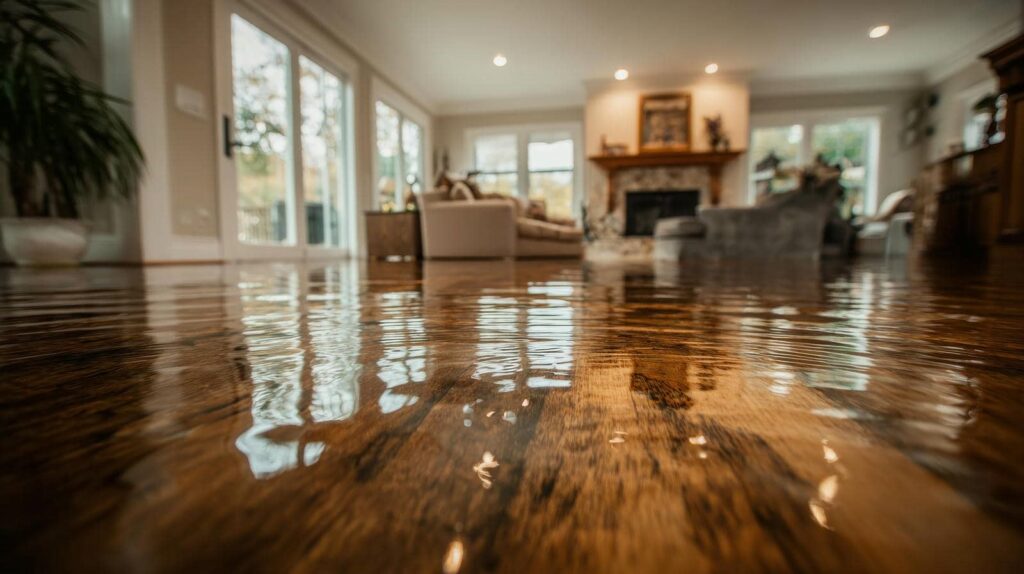
Water damage assessment can either be a minor inconvenience or a major disaster, depending on how quickly you address it. Understanding the nuances of assessment is essential for effective remediation. From identifying various types of damage to checking structural integrity, each step plays an important role. Are you equipped to measure the extent of the damage and document your findings accurately? Knowing the answers could save you time and money in the long run.
Key Takeaways
- Thoroughly document affected areas, including detailed notes and photos, to ensure accurate assessment and remediation planning.
- Use moisture meters to measure saturation levels in walls and floors for precise evaluation.
- Inspect for visible signs of damage, such as mold growth, water stains, or buckling surfaces.
- Assess structural integrity by checking for cracks, shifts, or sagging in foundations and walls.
- Consult a professional for severe damage signs to prevent further issues and ensure safety.
Identify Key Types of Water Damage You Might Encounter
When evaluating water damage, it’s essential to recognize the key types you might encounter.
Flood damage often results from heavy rainfall or overflowing bodies of water, impacting basements and ground levels.
Pipe leaks can occur due to aging infrastructure, leading to moisture build-up and structural issues.
Sewage backup presents serious health risks and requires immediate attention.
Storm water intrusion may compromise your property, causing extensive damage.
Appliance failure, like a burst washing machine hose, can also create significant issues.
Roof leaks allow rainwater to seep in, while groundwater intrusion can undermine your foundation integrity.
Understanding these types helps you respond effectively, ensuring your home remains safe and sound.
How to Identify the Source of Water Infiltration?
After understanding the key types of water damage, pinpointing the source of water infiltration becomes essential for effective remediation.
Start by examining visible signs of moisture, like stains or mold, which often indicate specific infiltration patterns. Next, look for leaks in plumbing, roofing, or windows—common culprits in water source identification.
Utilize tools like moisture meters to measure dampness in walls or floors, helping you trace the problem more efficiently. Pay attention to weather conditions; heavy rains can reveal weaknesses in your property’s exterior.
Check Structural Integrity and Safety
Evaluating structural integrity and safety is essential when dealing with water damage. Start with a thorough foundation evaluation to identify any cracks, shifts, or settling that may compromise your home’s stability.
Look for signs of mold or decay in wooden structures, as these can weaken support beams. Verify you’re following safety protocols; wear protective gear, and turn off electricity in affected areas to prevent hazards.
Assess walls and ceilings for bowing or sagging, which can indicate underlying issues. If you notice significant damage, don’t hesitate to consult a structural engineer.
Keeping your home safe is a priority, and addressing these concerns promptly can prevent further complications down the line.
How to Measure the Damage Effectively?
To effectively measure water damage, start by documenting the affected areas thoroughly. Use reliable water measurement techniques and damage assessment tools to ensure accuracy in your evaluation.
Here’s what to focus on:
Identify Moisture Levels: Use moisture meters to gauge saturation in walls and flooring.
Assess Structural Damage: Look for warping or buckling in materials.
Check for Mold Growth: Inspect for visible mold or musty odors.
Evaluate Contents: Determine damage to personal belongings and furnishings.
Record Measurements: Take detailed notes and photos for future reference.
Document Your Findings for Insurance Claims
To support your insurance claims, you need to document your findings meticulously.
Start by taking thorough photos of all affected areas, ensuring you capture the extent of the damage.
Additionally, maintain detailed records of any repairs or assessments made, as this information will be essential during the claims process.
Take Comprehensive Photos
While evaluating water damage, taking thorough photos is essential for documenting your findings and supporting your insurance claims.
Proper photo organization helps in presenting your case effectively and aids in the image analysis process. Here are some tips to ensure your photographs are impactful:
- Capture wide-angle shots of the affected areas.
- Focus on specific damage details, like stains and warping.
- Include timestamps for each photo to establish a timeline.
- Take photos from multiple angles to provide context.
- Document any affected personal items and infrastructure.
Maintain Detailed Records
Maintaining detailed records is essential for a successful water damage assessment and subsequent insurance claims. Effective record keeping involves documenting all findings systematically, ensuring you capture every aspect of the damage.
Start by organizing data chronologically, noting the time and date of each observation. Include descriptions of affected areas, materials, and any immediate actions taken. Photos should complement your notes to provide visual evidence.
Consistent data organization makes your claim stronger and facilitates communication with your insurance adjuster. Use a dedicated folder for all documents, receipts, and reports related to the incident.
This thorough approach will help you present a clear, all-encompassing case, fostering a sense of confidence and belonging in the process.
Spot Early Signs of Mold Growth to Prevent Further Damage
Recognizing early signs of mold growth is essential for preventing extensive damage to your property. By employing effective mold identification techniques, you can spot issues before they escalate. Here are some signs to watch for:
- Visible mold patches on walls or ceilings
- Musty odors in confined spaces
- Water stains or discoloration on surfaces
- Condensation on windows and walls
- Increased humidity levels in your home
Implementing mold prevention strategies, like maintaining proper ventilation and controlling moisture, can further protect your property.
When to Call in the Experts for Water Damage Assessment?
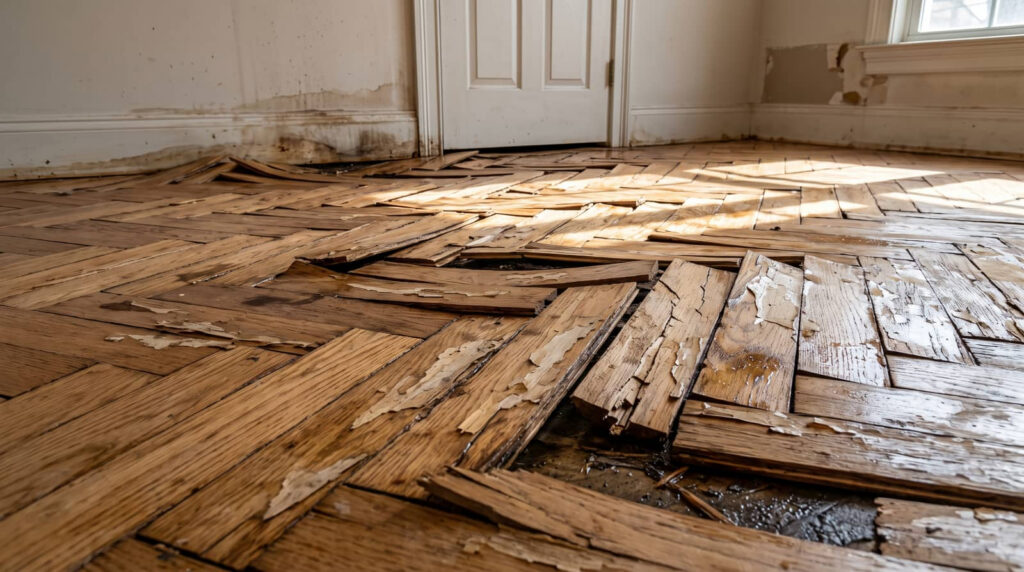
When you notice signs of severe damage, such as buckling floors or warped walls, it’s time to call in the experts.
If you observe extensive structural compromise or persistent mold growth that you can’t control, professional assessment is essential.
Addressing these issues promptly can prevent further complications and ensure safety.
Signs Of Severe Damage
Severe water damage can manifest in various ways, and identifying these signs early is crucial for minimizing long-term effects. If you notice any of the following, it’s time to call in the experts:
- Water stains on walls or ceilings
- Ceiling sagging, indicating trapped water
- Mold or mildew growth, especially in hidden areas
- Unpleasant, musty odors that linger
- Warped or buckled flooring materials
Ignoring these indicators can lead to more serious issues, so don’t hesitate to seek professional help.
A thorough assessment can prevent costly repairs down the line and ensure the safety and integrity of your home.
Stay proactive and protect your space from the hidden dangers of water damage.
Extensive Structural Compromise
Ignoring the signs of severe water damage can lead to extensive structural compromise in your home. When you notice sagging ceilings, cracked walls, or warped floors, it’s essential to act fast.
These issues often indicate that water has weakened foundational stability and compromised structural materials. Don’t wait for the problem to escalate; engaging professionals can help you assess the extent of the damage accurately.
Experts can identify hidden water sources and evaluate the integrity of beams, joists, and other vital components. By seeking help early, you protect your home from further deterioration and costly repairs.
Trusting specialists ensures your home remains safe and secure, fostering a sense of belonging in your living environment.
Persistent Mold Growth
As water damage persists, mold growth can become a significant concern that threatens both your health and property.
If you notice the following signs, it’s time to call in the experts:
- Visible mold spots on walls, ceilings, or floors.
- Musty odors that linger in your home.
- Increased allergy symptoms, like sneezing or coughing.
- Water stains that indicate ongoing moisture issues.
- Warped or discolored surfaces that suggest hidden mold.
Implementing mold prevention strategies, such as proper ventilation and humidity control, can help mitigate risks.
However, if you encounter persistent mold, consider using mold remediation techniques to ensure a safe, clean environment.
Don’t hesitate to reach out for professional help—your health and home depend on it.
Frequently Asked Questions
How Can I Prevent Water Damage in My Home?
To prevent water damage in your home, ensure your drainage systems are clear and functional, and install moisture barriers in vulnerable areas. Regular maintenance helps protect your space and fosters a secure, comfortable environment.
What Are the Long-Term Effects of Untreated Water Damage?
Untreated water damage can lead to mold growth and greatly compromise your home’s structural integrity. You’ll face health risks and expensive repairs, making prompt action essential to protect your living environment and investment.
Is Water Damage Covered by My Homeowner’s Insurance?
If you discover water damage, your homeowner’s insurance might cover it, but it depends on your policy. Review your coverage details carefully to ensure you’re protected against unexpected floods that could threaten your sanctuary.
How Quickly Should I Act After Discovering Water Damage?
Act immediately after discovering water damage. Conduct a thorough damage assessment within 24 to 48 hours to prevent further issues. Quick action minimizes long-term effects and helps you effectively address the problem before it worsens.
What Tools Are Best for Assessing Water Damage?
You’ll want a moisture meter and thermal camera for evaluating water damage effectively. The moisture meter detects hidden moisture, while the thermal camera reveals temperature variations, helping you pinpoint problem areas quickly and accurately.
Final Thoughts
Evaluating water damage is essential for effective remediation. By identifying types of damage, pinpointing sources, and checking structural integrity, you’re laying the groundwork for a successful recovery. Don’t underestimate the importance of documenting your findings—it’s your lifeline for insurance claims. Catching mold early can save you from a financial tsunami later on. When in doubt, don’t hesitate to call in the experts. Your home’s safety is worth its weight in gold!