Mold can creep into your home like an unwelcome guest, thriving in damp corners and hidden spaces. Identifying and addressing mold damage is essential to maintaining a healthy living environment. You’ll need to recognize the signs early, assess the severity, and know the best remediation methods. Understanding these steps helps you tackle existing issues and equips you to prevent future infestations. Let’s explore how to effectively manage this persistent problem.
Key Takeaways
- Conduct regular visual inspections in damp areas to identify early signs of mold, such as discoloration or fuzzy growth.
- Use moisture meters to monitor humidity levels and detect leaks in pipes or roofs.
- For minor mold issues, consider DIY cleaning solutions like vinegar or hydrogen peroxide while wearing protective gear.
- For extensive mold problems, hire certified professionals for thorough assessment and remediation, ensuring underlying moisture issues are addressed.
- Implement effective ventilation strategies and maintain humidity levels below 60% to prevent future mold growth.
Why Mold Matters: Understanding the Risks
Mold matters because it poses significant health risks and can damage your property. Understanding the various mold types is essential, as some, like black mold, can lead to severe health impacts, including respiratory issues and allergic reactions.
When inhaled, mold spores can aggravate existing conditions and even create new health problems. You may notice symptoms such as coughing, sneezing, or skin irritation.
Beyond health concerns, mold can weaken structural integrity, leading to costly repairs. Regularly evaluating your environment for moisture and potential growth spots can help you mitigate these risks.
Identify Signs of Mold Damage Early
Recognizing signs of mold damage early can greatly reduce health risks and property damage.
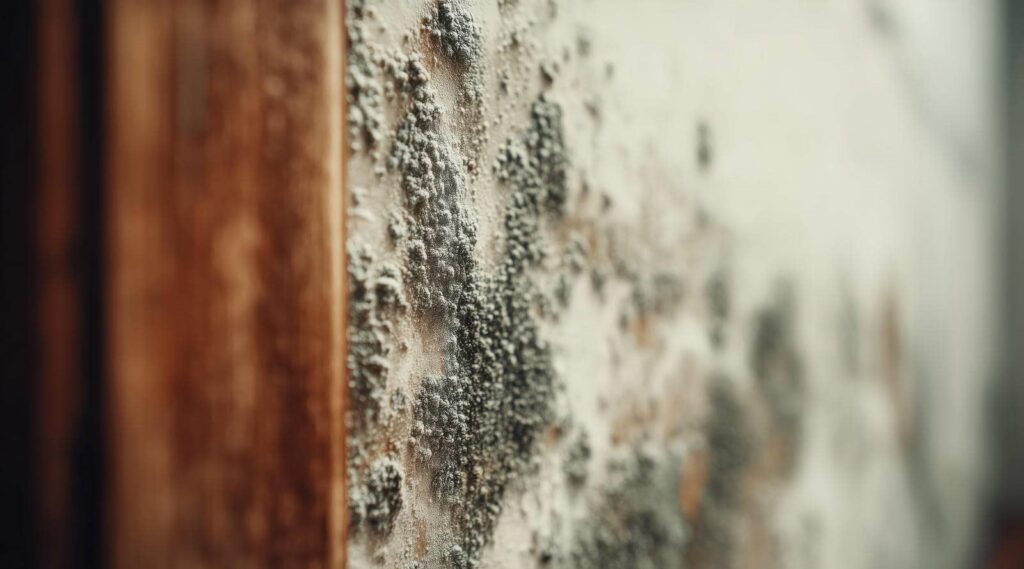
Start by using effective mold identification techniques, such as visual inspections for discoloration or fuzzy growth, especially in damp areas like basements and bathrooms.
Pay attention to musty odors, which often indicate hidden mold.
Utilize early detection methods like moisture meters to assess humidity levels in your home.
Regularly check for leaks in pipes or roofs, as these can create ideal conditions for mold growth.
If you notice any of these signs, act swiftly to mitigate further damage.
How to Figure Out Just How Bad the Mold Is?
How can you accurately assess the severity of mold in your home? Start by conducting thorough mold testing. This involves sampling air and surfaces to identify mold types and concentrations. Use a reliable testing kit or hire a professional for precise results.
Next, evaluate your air quality; elevated mold spores can indicate a serious problem. Monitor symptoms among household members, as respiratory issues or allergic reactions may correlate with mold presence.
Check often-overlooked areas like basements and attics, where moisture accumulates. Document your findings to track changes over time.
Top Mold Remediation Methods for Homeowners
Effective mold remediation can involve several methods tailored to the severity and location of the infestation. For minor issues, consider DIY solutions like vinegar or hydrogen peroxide, which can effectively kill mold on non-porous surfaces.
Be sure to wear protective gear and maintain proper ventilation while working. If the problem is extensive or persistent, professional services are your best bet.
Certified mold remediation specialists use advanced techniques, including HEPA filtration and chemical treatments, ensuring thorough removal and preventing future growth. They can also identify underlying issues, like moisture sources, that you might overlook.
Ultimately, understanding your options empowers you to make informed decisions about your home’s health and safety.
How to Prevent Mold From Returning
To prevent mold from returning after remediation, it’s essential to address moisture control in your home.
Start by implementing effective ventilation strategies, such as using exhaust fans in kitchens and bathrooms. Make sure that your home has adequate airflow to reduce humidity levels.
Consider installing mold-resistant materials, like drywall and paints, especially in areas prone to moisture.
Regularly inspect areas like basements and attics for leaks or condensation, and promptly address any issues.
Maintain a humidity level below 60% using dehumidifiers or air conditioning.
Finally, keep gutters clean and direct water away from your foundation.
Frequently Asked Questions
Can I Handle Mold Removal Without Professional Help?
Yes, you can handle mold removal without professionals, but prioritize DIY safety. Use proper mold removal techniques, like wearing protective gear and ensuring good ventilation, to minimize health risks while effectively tackling mold issues.
What Types of Mold Are Most Harmful to Health?
Oh sure, just invite toxic mold to your home party! It can cause allergic reactions and serious health issues. Stachybotrys and Aspergillus are particularly harmful, so it’s best to keep them off your guest list!
How Long Does Mold Remediation Typically Take?
Mold remediation typically takes a few days to a week, depending on the mold growth timeline. You’ll follow specific remediation process steps, including assessment, containment, removal, and final inspections to ensure a safe environment.
Will Homeowners Insurance Cover Mold Damage Repairs?
Think of your home as a shield; mold insurance often covers damage repairs, but check your policy. Coverage varies, so understanding your specific terms ensures you’re protected when mold threatens your sanctuary.
Are There Natural Products Effective for Mold Removal?
Yes, natural alternatives like vinegar and baking soda are effective for mold removal. You can try DIY solutions by mixing these ingredients to create a paste, applying it on affected areas, and scrubbing thoroughly.
Final Thoughts
Addressing mold damage isn’t just about cleaning up; it’s about safeguarding your home and health. By staying vigilant and recognizing signs early, you can nip potential problems in the bud. Remember, an ounce of prevention is worth a pound of cure—implementing moisture control and proper ventilation will keep mold at bay. Don’t hesitate to seek professional help for extensive issues, ensuring your home remains a safe haven for you and your family.