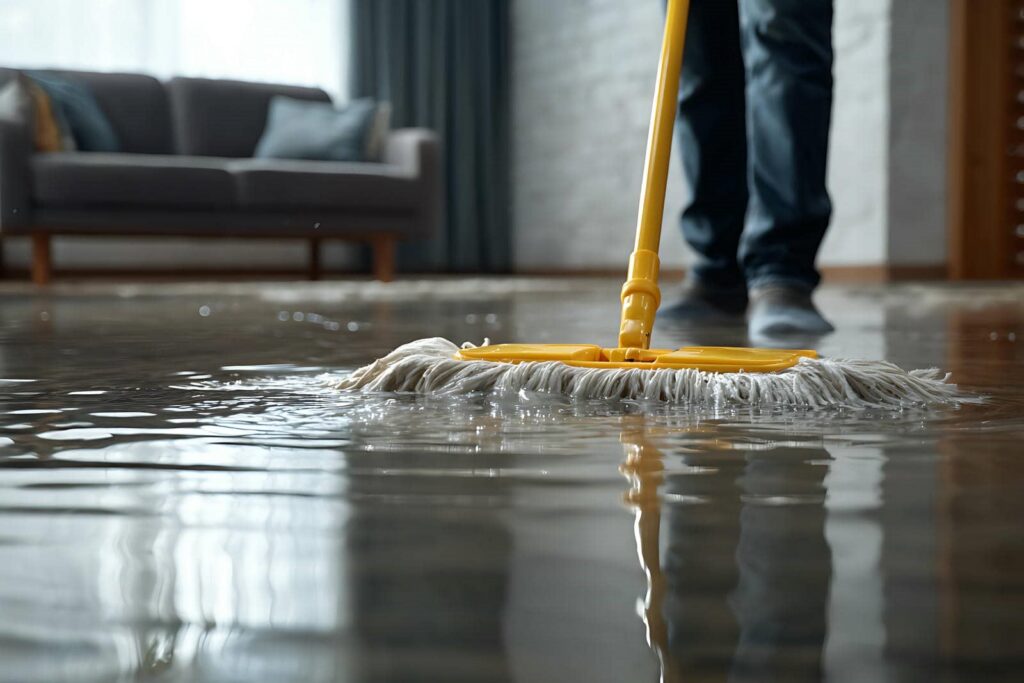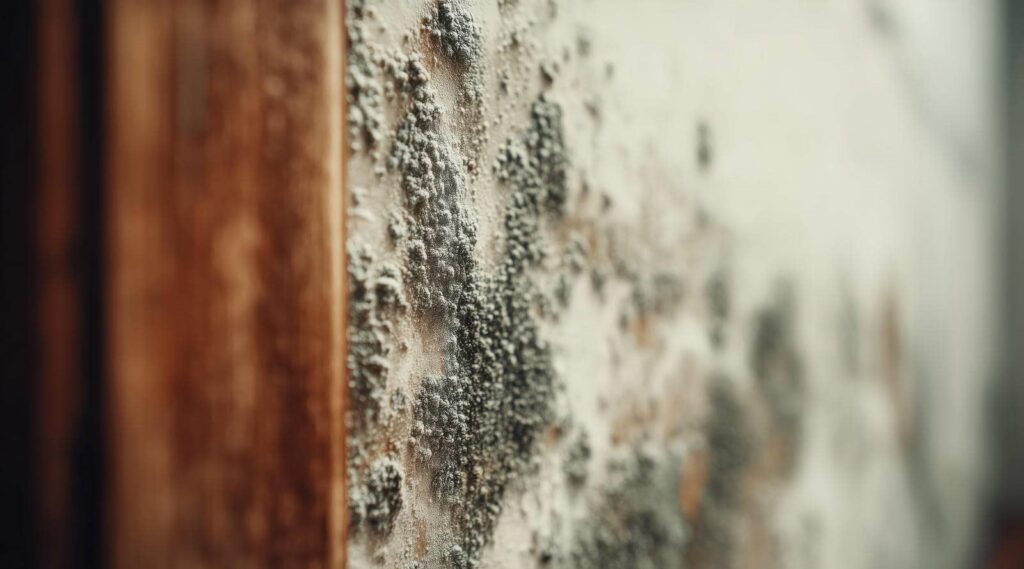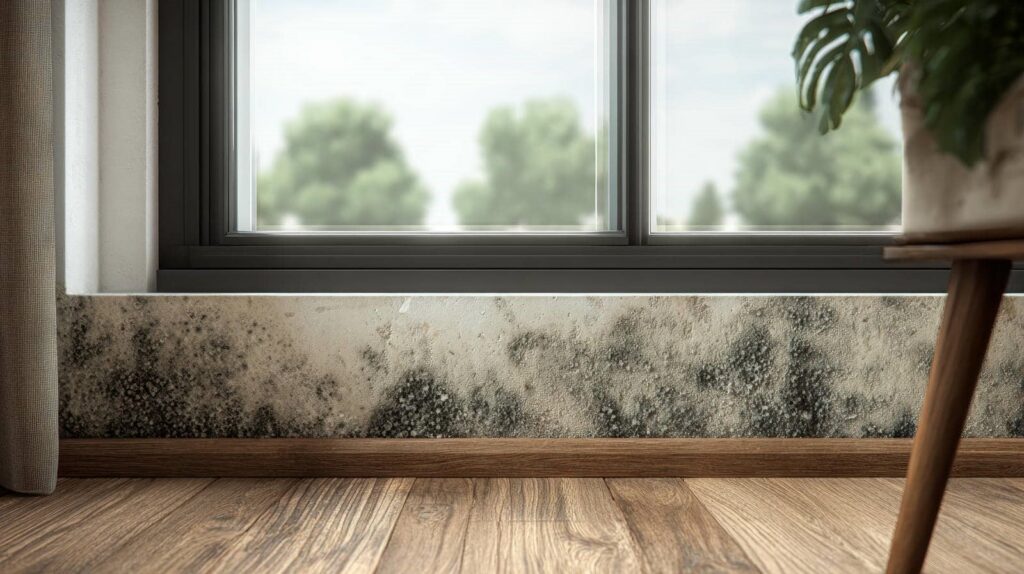

After experiencing flood damage, effective mold remediation is vital to prevent long-term health risks and property damage. You need to assess the extent of the water damage and understand the potential for mold growth in your space. Following systematic steps for mold removal is important, but safety precautions can’t be overlooked. What methods should you implement first to ensure a thorough and safe remediation process? Let’s explore the necessary steps to tackle this issue effectively.
Key Takeaways
- Assess the extent of water damage and identify affected areas before starting remediation efforts.
- Wear appropriate PPE and ensure proper ventilation to minimize health risks during mold removal.
- Remove contaminated materials like drywall and carpeting that cannot be adequately cleaned.
- Clean non-porous surfaces with mold remover or a water-detergent mixture to eliminate mold spores.
- Maintain low humidity levels and ensure proper ventilation to prevent future mold growth.
Understanding Mold Growth After Flooding
When a flood occurs, it creates an ideal environment for mold growth, as the excess moisture permeates various surfaces and materials. Understanding the factors influencing mold growth is essential to mitigating its impact.
Temperature, humidity, and the type of material affected play significant roles in the mold lifecycle. Warm, damp conditions accelerate mold reproduction, while porous materials like drywall and wood provide nutrients for its development.
You need to act quickly, as mold can begin to establish itself within 24 to 48 hours after flooding. The presence of organic matter, such as dust or debris, further supports mold proliferation.
Identifying these factors helps you implement effective remediation strategies. By recognizing the potential for mold growth, you can create a safer, healthier environment for yourself and your loved ones. Understanding these dynamics fosters a sense of belonging, emphasizing the shared responsibility of maintaining safe living spaces.
Assessing Water Damage and Mold Risk
To effectively assess water damage and mold risk, you must first evaluate the extent of the flooding and identify the affected areas.
Start by inspecting your property for visible signs of water intrusion, such as discoloration or warping in walls and floors.
Next, conduct water testing to determine the presence of contaminants that could exacerbate mold growth.
It’s essential to measure moisture levels in vulnerable areas like basements and crawl spaces, as high humidity can create an ideal environment for mold development.
Utilize a moisture meter to get accurate readings, focusing on areas that remain damp after the floodwaters recede.
Document your findings to establish a clear picture of the damage and potential mold risk.
Essential Safety Precautions for Mold Remediation
As you prepare for mold remediation, prioritizing safety precautions is essential to protect yourself and others from potential health risks associated with mold exposure.
Start by donning personal protective equipment (PPE) such as gloves, goggles, and respiratory masks to shield against inhaling spores and skin contact. This gear is your first line of defense.
Next, implement effective ventilation strategies. Open windows and use fans to circulate air, reducing airborne mold spores and lowering humidity levels. Proper ventilation enhances safety and aids in the drying process, preventing further mold growth.
Finally, make sure you inform anyone nearby about the mold remediation activities, fostering a sense of community awareness and safety.
Step-by-Step Mold Removal Process
After ensuring safety precautions are in place, you can begin the mold removal process. Start by identifying the mold types present, as different species may require specific remediation techniques. Use a mold test kit or consult a professional if needed.
Once identified, isolate the affected area to prevent spores from spreading.
Next, remove any contaminated materials, such as drywall or carpeting, as they can harbor mold. For non-porous surfaces, scrub with a mixture of water and detergent or a specialized mold remover. Ascertain you wear protective gear while doing this.
After cleaning, dry the area thoroughly using dehumidifiers or fans, as moisture control is vital in preventing mold recurrence.
Finally, if necessary, apply a sealant to surfaces to inhibit future growth. Following this step-by-step guide addresses existing issues and fosters a healthier environment for you and your loved ones.
Preventing Future Mold Growth
While mold remediation is vital for addressing existing problems, preventing future mold growth requires ongoing vigilance and proactive measures.
You can greatly reduce the chances of mold returning by focusing on moisture control and enhancing air circulation in your home. Here are some effective strategies:
- Keep humidity levels below 60%.
- Use dehumidifiers in damp areas like basements.
- Ensure proper ventilation in kitchens and bathrooms.
- Regularly clean and maintain HVAC systems to promote airflow.
- Inspect and repair leaks promptly to prevent water accumulation.
When to Seek Professional Mold Remediation Services
Recognizing when to seek professional mold remediation services is key to maintaining a healthy living environment. If you notice signs of infestation, such as a musty odor, visible mold growth, or water stains, it’s time to act.
Don’t underestimate the impact of mold; it can pose health risks and damage your property. If the affected area exceeds 10 square feet, or if mold keeps reappearing despite your efforts, it’s definitely when to call in the experts.
Additionally, if your home experienced significant flooding or water damage, immediate professional assessment is essential.
Professionals have the training and equipment to effectively handle mold issues, ensuring thorough removal and preventing recurrence. By seeking help when needed, you protect your home and foster a safe space for your family.
Frequently Asked Questions
How Long Does It Take for Mold to Develop After Flooding?
Mold growth can start as quickly as 24 to 48 hours in the flood aftermath. With moisture present, it’s essential you act fast to prevent extensive damage and protect your living environment from health risks.
Can I Use Bleach to Remove Mold Effectively?
While bleach can kill surface mold, it isn’t effective for deep-set spores. For thorough mold removal, consider dedicated products or professional help. Understanding bleach’s limitations can help you achieve better results in your mold remediation efforts.
What Are the Signs of Hidden Mold Behind Walls?
You’ll notice signs of hidden mold behind walls through discoloration, musty odors, or water stains. Employing mold detection methods and wall inspection techniques can help you identify and address potential mold issues effectively.
Will Mold Return After Remediation if Not Properly Addressed?
If you don’t implement mold prevention strategies and moisture control techniques, mold can resurface like a stubborn weed in your garden. Consistent monitoring and proactive measures are essential to ensure it doesn’t return after remediation.
How Can I Test for Mold Contamination in My Home?
You can test for mold contamination by conducting a home inspection, using mold testing kits, or hiring professionals. It’s vital to identify hidden mold sources and ensure a safe, healthy environment for you and your family.
Wrap-Up
In the aftermath of a flood, tackling mold isn’t just a chore; it’s a race against time, as spores spread like wildfire. By systematically evaluating damage, donning protective gear, and meticulously removing contaminated materials, you can reclaim your space. Remember, maintaining low humidity is like keeping the door shut on mold’s relentless advance. If the task feels overwhelming, don’t hesitate to call in the experts—sometimes, a seasoned hand is what you need to restore your sanctuary.