After experiencing water damage, you need to act quickly to prevent mold growth. Removing standing water is essential, but it’s just the beginning. Thorough drying of affected areas within 24 to 48 hours is critical for minimizing risks. You should also focus on improving air circulation and monitoring humidity levels. Each step plays a significant role in your mold prevention strategy. But what specific actions can you take to ensure your space remains mold-free?
Key Takeaways
- Remove standing water promptly using a wet/dry vacuum to minimize moisture levels and prevent mold growth.
- Dry affected areas thoroughly within 24-48 hours using fans and dehumidifiers to maintain optimal humidity levels.
- Improve air circulation by opening windows, using fans, and installing exhaust fans in high-moisture areas to reduce dampness.
- Regularly inspect hidden moisture areas, such as behind walls and under sinks, to detect and address leaks promptly.
- Clean surfaces with mold-resistant products and establish a routine cleaning schedule to eliminate potential mold spores.
Assess and Document Water Damage
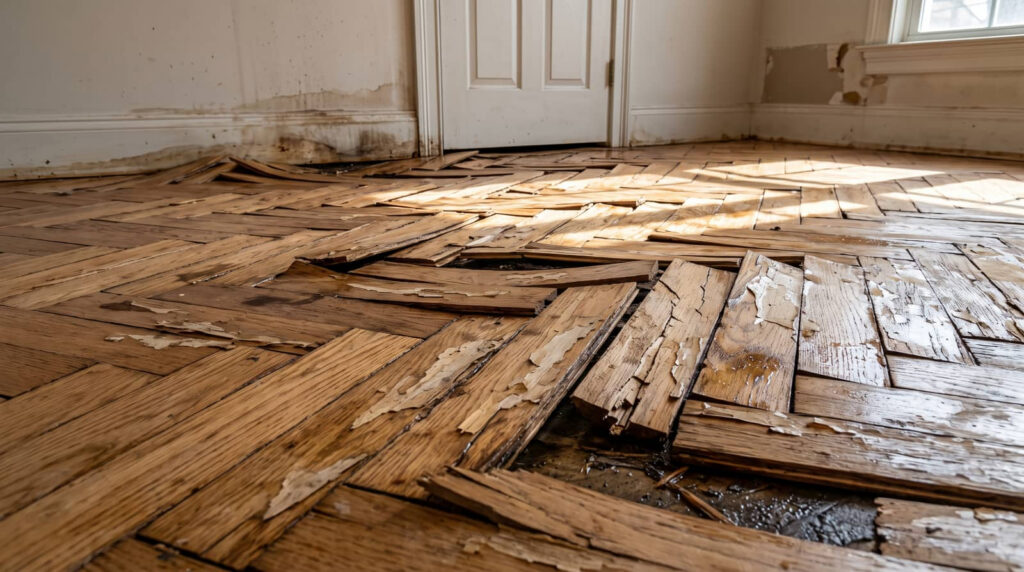
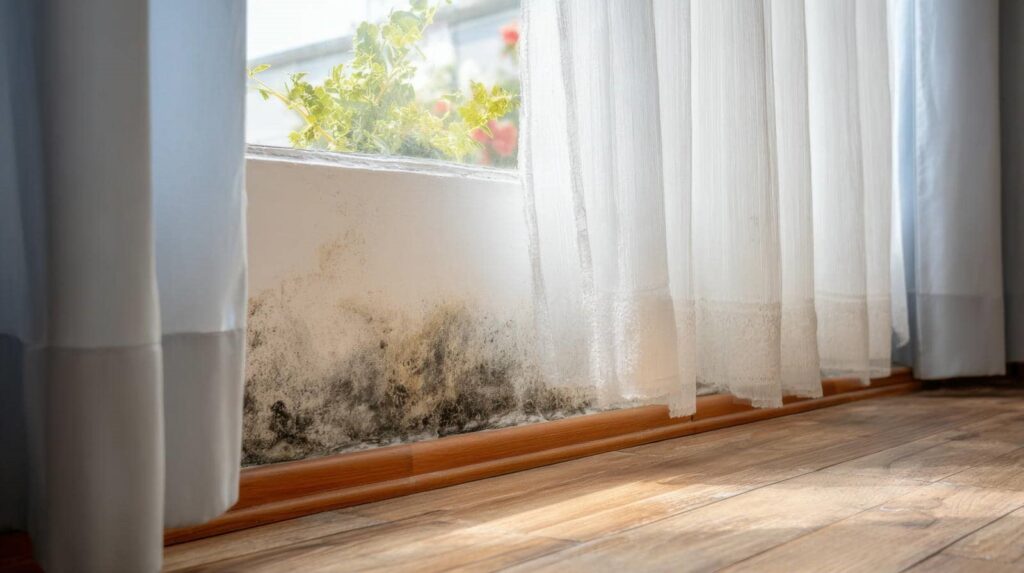
When dealing with water damage, the first step is to thoroughly assess and document the extent of the damage. Start by inspecting all affected areas, noting any visible signs like discoloration, warping, or mold growth.
It’s essential to conduct a detailed damage assessment, as this will guide your next steps in prevention and repair. Use a camera or smartphone to capture images that illustrate the severity of the situation; these can be invaluable for insurance claims or restoration specialists.
Documentation practices are key here. Make a detailed list of affected items, including furniture, appliances, and structural components. Record dates and times of your observations, as well as any actions taken to mitigate the damage.
This thorough documentation helps you understand the scope of the problem and fosters a sense of community when sharing experiences with others facing similar challenges. You’re not alone in this process.
Remove Standing Water Promptly
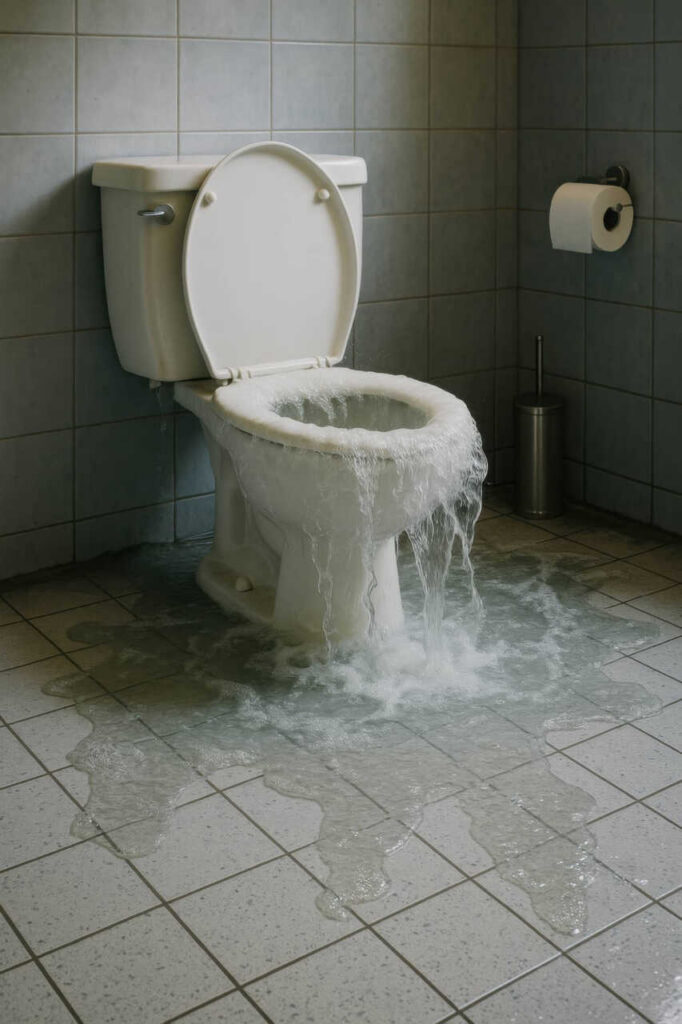
To prevent mold growth, you must remove standing water as soon as possible.
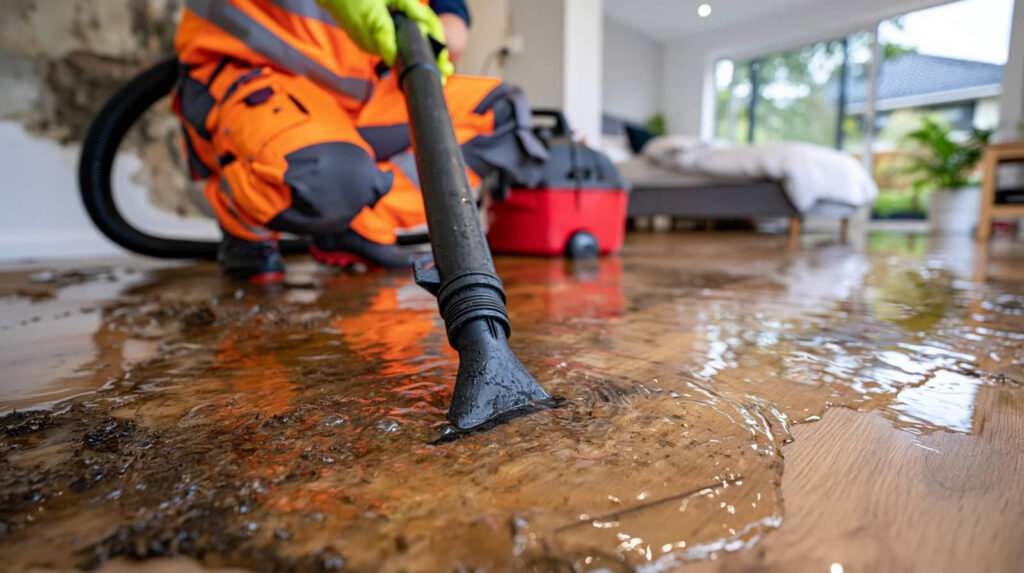
Start by using a wet/dry vacuum to extract the water, and then open windows and doors to enhance ventilation.
If the situation is difficult, don’t hesitate to contact water damage experts for assistance.
Use Wet/Dry Vacuum
Remove standing water promptly by using a wet/dry vacuum, an essential step in preventing mold growth after water damage.
Wet/dry vacuum tips include ensuring you select a model with adequate suction power and capacity for your space. Start by thoroughly vacuuming the affected areas to eliminate as much water as possible.
Don’t forget to empty the vacuum regularly to maintain efficiency and prevent overflow. Following your cleanup, prioritize vacuum maintenance by cleaning the filters and checking for clogs or damage.
This extends your vacuum’s lifespan and ensures it performs at its best. By taking these steps, you’re actively safeguarding your home and fostering a healthier environment for you and your loved ones.
Open Windows and Doors
While it might seem simple, opening windows and doors is a critical step in mitigating mold growth after water damage. By allowing fresh air to circulate, you create an effective ventilation strategy that helps reduce humidity levels in your space.
Mold thrives in damp environments, so it’s vital to eliminate any lingering moisture. When you open windows and doors, you let in fresh air and promote the evaporation of standing water. This process speeds up drying and diminishes the chances of mold taking hold.
Contact Water Damage Experts
After ensuring proper ventilation by opening windows and doors, the next critical step is to contact water damage experts who can efficiently remove standing water.
Quick action is essential; stagnant water creates an ideal breeding ground for mold. These professionals use advanced water extraction techniques to eliminate moisture and prevent further damage.
They also specialize in mold remediation, ensuring your home is safe and healthy after water intrusion. By entrusting this task to skilled experts, you protect your property and foster a sense of community and support.
Their experience allows them to identify hidden moisture sources, ensuring thorough treatment. Don’t delay; prompt action can make all the difference in safeguarding your home from mold and structural issues.
Dry Affected Areas Thoroughly
After removing standing water, it’s essential to dry affected areas thoroughly to prevent mold growth.
Use fans and dehumidifiers to expedite the drying process, and be certain to remove any wet materials promptly.
Regularly monitor humidity levels to ensure they remain within a safe range, as high humidity can promote mold growth.
Use Fans and Dehumidifiers
To effectively combat mold growth following water damage, you need to prioritize drying the affected areas thoroughly using fans and dehumidifiers.
Start by selecting appropriate fan types; oscillating fans are great for increasing air circulation, while box fans can focus airflow in specific spots. Position them strategically to maximize effectiveness.
Next, adjust your dehumidifier settings to maintain ideal humidity levels, ideally between 30-60%. This prevents moisture from lingering in the air, which is vital in stopping mold spores from settling.
Run the dehumidifier continuously for at least 24-48 hours, depending on the extent of the damage.
Combining these tools accelerates the drying process and fosters a healthier environment, helping you feel secure and at home again.
Remove Wet Materials Quickly
Removing wet materials quickly is essential in preventing mold growth after water damage. When water infiltrates your space, porous materials like carpets, drywall, and furniture absorb moisture, creating an ideal environment for mold.
To combat this, remove any wet items within 24 to 48 hours. Start by drying out affected areas thoroughly; this includes using fans, dehumidifiers, and even natural ventilation. Discard any materials that can’t be salvaged, as they pose a significant risk for mold development.
Monitor Humidity Levels Regularly
Monitoring humidity levels regularly is essential, especially since elevated moisture can quickly lead to mold growth even after you’ve dried affected areas.
For effective humidity control, invest in a hygrometer to measure indoor humidity levels. Ideally, you want to maintain humidity between 30-60%. If levels exceed this range, consider using dehumidifiers or improving ventilation in your space.
Regular moisture monitoring will help you detect potential problems before they escalate. Be proactive by checking humidity levels frequently, particularly in areas prone to dampness, like basements or bathrooms.
Improve Air Circulation
While you might focus on drying out the affected areas after water damage, improving air circulation is vital for preventing mold growth. Effective ventilation techniques can considerably enhance airflow, making it harder for mold spores to settle and thrive.
Start by opening windows and doors to create cross-ventilation; this allows fresh air to replace stagnant, humid air.
Using fans strategically can also boost airflow; position them to blow air toward damp areas to facilitate quicker drying. If possible, consider installing exhaust fans in essential areas like bathrooms and kitchens, where moisture tends to accumulate.
Incorporating these airflow strategies helps reduce humidity and creates a fresher indoor environment.
Remember, a well-ventilated space fosters a sense of comfort and belonging, ensuring you and your loved ones can enjoy a mold-free home.
Prioritize air circulation as a key defense against mold after water damage.
Use Dehumidifiers
Using dehumidifiers is crucial for maintaining ideal humidity levels in areas affected by water damage.
To maximize their effectiveness, consider strategic placement in high-moisture zones and make certain they’re not obstructed by furniture or other items.
Regular maintenance, such as cleaning the filters and emptying the water reservoir, will keep your dehumidifiers running efficiently and help prevent mold growth.
Optimal Humidity Levels
To effectively prevent mold growth after water damage, maintaining ideal humidity levels is crucial. Proper humidity control curbs mold and promotes a healthier living environment.
You can achieve this through the use of dehumidifiers and moisture barriers. Here are three tips to optimize humidity levels:
Maintain humidity between 30-60%: This range is often ideal for preventing mold growth.
Use dehumidifiers in damp areas: Focus on basements and bathrooms where moisture tends to collect.
Seal moisture barriers: Confirm windows and doors are properly sealed to prevent outside humidity from entering your home.
Placement Strategies
Choosing the right placement for your dehumidifiers is vital for maximizing their effectiveness in combating mold after water damage.
Position your dehumidifiers in areas with high humidity, such as basements or near water-damaged spots. Confirm you place them on a flat surface for ideal airflow.
Avoid placing them against walls or behind furniture, as this can restrict air circulation. To enhance their performance, combine dehumidifiers with mold-resistant materials in your home’s construction.
Proper ventilation is also important; open windows and use exhaust fans to facilitate air movement.
Regular Maintenance Tips
While it’s essential to invest in dehumidifiers after water damage, their effectiveness hinges on regular maintenance.
To ensure your dehumidifier continues to operate efficiently and combat mold growth, follow these routine inspections and seasonal checks:
Clean the filter: Monthly, remove and clean the filter to prevent dust buildup, facilitating optimal airflow.
Check the water tank: Regularly inspect the water tank for any signs of leaks or mold, emptying it as needed to prevent overflow.
Inspect drainage hoses: Make it a habit to check drainage hoses for clogs or damage, assuring proper water removal.
Inspect for Hidden Moisture
Since hidden moisture can lead to mold growth, it’s vital to conduct a thorough inspection after water damage.
Start by checking areas that are often overlooked, like behind walls, under sinks, and in crawl spaces. Hidden leaks can be sneaky, allowing moisture to accumulate without your knowledge.
Use moisture sensors to detect dampness in these hard-to-reach spots. These devices can identify moisture levels that your eyes might miss, giving you peace of mind and ensuring your home stays mold-free.
Don’t forget to examine your plumbing and appliances, as they’re common sources of hidden leaks. If you spot any areas that seem damp or discolored, take immediate action.
Remember, mold thrives in damp environments, so addressing hidden moisture is critical to protecting your home and your health.
Clean and Disinfect Surfaces
After water damage, it’s essential to clean and disinfect surfaces promptly to prevent mold growth. Neglecting this step can lead to serious health issues and further damage.
Use effective surface cleaning techniques that target mold spores and bacteria.
Here are three key steps to follow:
Select the Right Cleaners: Use mold-resistant products that effectively kill mold spores. Look for EPA-approved disinfectants.
Focus on High-Touch Areas: Pay special attention to surfaces like countertops, doorknobs, and faucets. These areas can harbor germs and mold.
Use Proper Technique: Apply the cleaner with a cloth or sponge, allowing it to sit for the recommended time. Rinse and dry thoroughly to limit moisture.
Replace Damaged Materials
Evaluating the extent of water damage is crucial for determining which materials need replacement. Start by inspecting areas like drywall, insulation, and flooring, as these are often the most vulnerable.
If any materials feel soft, discolored, or emit a musty odor, it’s time to replace damaged materials. This prevents mold growth and helps maintain your home’s structural integrity.
When you replace damaged materials, choose appropriate replacements that are moisture-resistant. For instance, opt for water-resistant drywall or treated wood, which can withstand future water exposure.
Additionally, consider using mold-resistant paints and sealants to further protect your space.
It’s essential to act quickly and decisively in this process. By replacing damaged materials promptly and wisely, you’re not just restoring your home; you’re also creating a safer, healthier environment for yourself and your loved ones.
Monitor Humidity Levels
Once you’ve replaced any damaged materials, the next step is to monitor humidity levels in your home.
Effective humidity control is essential for preventing mold growth, as high moisture levels create a perfect environment for mold spores to thrive. You should aim to keep indoor humidity between 30% and 60%.
Here are three tips for moisture monitoring:
Use a Hygrometer: Invest in a hygrometer to track humidity levels accurately. This simple device helps you stay informed about your home’s moisture content.
Ventilate: Ensure proper ventilation in areas prone to moisture, such as bathrooms and kitchens. Use exhaust fans during and after activities that generate humidity.
Control Temperature: Keep your home cool, as warmer air holds more moisture. Adjust your thermostat to maintain ideal conditions.
Schedule Regular Inspections
To prevent mold from taking hold in your home, scheduling regular inspections is essential. These proactive assessments help identify hidden moisture and areas at risk for mold growth before they become a significant issue.
Many mold inspections are quick and non-invasive, allowing you to stay informed without disrupting your daily life.
Implementing prevention strategies during these inspections can be vital. An experienced inspector won’t only check for visible mold but also assess ventilation, plumbing, and any water-damaged materials.
They can provide tailored advice on maintaining a mold-free environment, focusing on areas that may need extra attention.
Frequently Asked Questions
How Long Does It Take for Mold to Grow After Water Damage?
Mold can start growing within 24 to 48 hours after water damage, depending on various factors like humidity, temperature, and material type. Understanding this mold growth timeline helps you take timely action to prevent infestations.
Can I Prevent Mold With Just Ventilation?
While ventilation benefits your space, it alone isn’t enough to prevent mold growth. Studies show that mold can develop within 24-48 hours. Combine ventilation with moisture control for effective prevention and a healthy environment.
What Are the Health Risks Associated With Mold Exposure?
Mold exposure can lead to various health effects, including respiratory issues, allergies, and skin irritations. You might experience mold symptoms like coughing, sneezing, or headaches, which can greatly impact your quality of life.
Should I Hire a Professional for Mold Assessment?
You should definitely hire a professional for mold inspection. They’ve got the expertise to identify hidden issues and recommend effective remediation services, ensuring your home stays safe and healthy for you and your family.
Is Bleach Effective for Mold Removal?
Bleach can be a double-edged sword in mold removal; it’s effective on non-porous surfaces but doesn’t penetrate porous materials. You’ll often need a thorough approach for lasting results, considering bleach’s limitations in effectiveness.
Recap
In the grand scheme of home maintenance, you might think water damage is just a minor inconvenience. Ironically, neglecting mold prevention could turn that small issue into a major crisis. By following these tips—removing water, drying areas, and monitoring humidity—you’re not just fighting mold; you’re safeguarding your home’s integrity. So, while you might enjoy a good DIY project, dealing with mold isn’t one of them. Stay proactive, and let your home thrive, free from the lurking dangers of moisture.