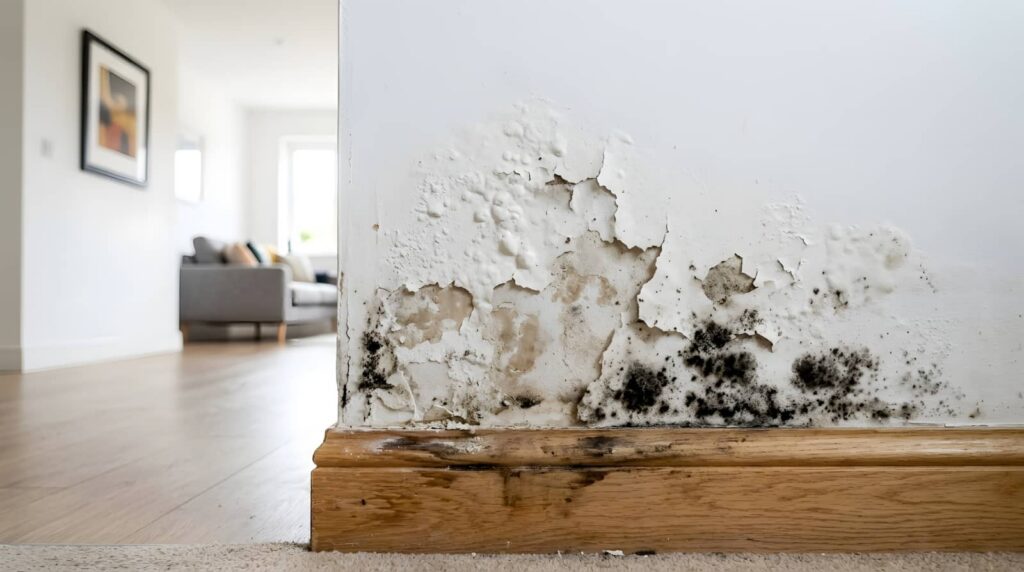
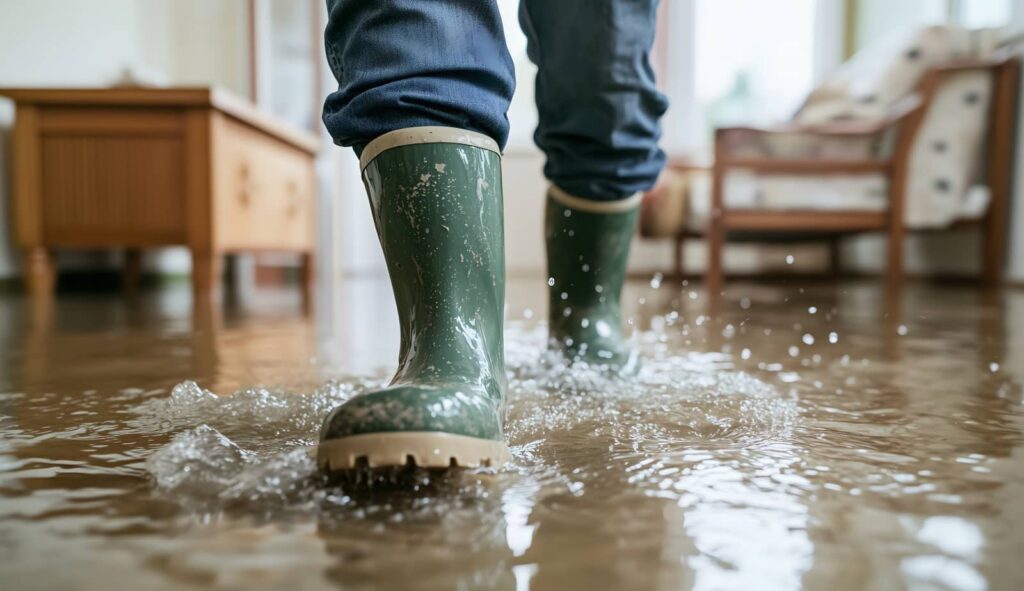
Did you know that nearly 14,000 individuals in the U.S. experience a water damage emergency each day? Steering through the complexities of water damage claims can be intimidating, but understanding your coverage and the claims process is essential. From documenting damages to effectively filing your claim, each step plays a key role. Let’s explore how to guarantee you’re well-prepared to tackle this challenge and secure the compensation you deserve.
Key Takeaways
- Assess the type of water damage to determine coverage under your homeowners insurance policy and identify exclusions.
- Document the damage with clear photos and detailed notes, including dates and observations.
- Organize all necessary documentation, including damage reports and repair receipts, before filing the claim.
- Report the damage promptly to your insurer to strengthen your claim and avoid potential denials.
- Maintain communication with the insurance adjuster, documenting their observations and recommendations during their assessment.
Know Your Water Damage Coverage
How well do you understand your water damage coverage? Knowing the specifics can save you time and money when disaster strikes.
Water damage falls into different types: sudden incidents like burst pipes, or gradual issues like leaks. Each type may have distinct coverage limits in your policy.
For instance, standard homeowners insurance often covers sudden water damage but excludes flooding, which requires separate flood insurance. Familiarize yourself with these distinctions to avoid surprises during claims.
Review your policy’s details carefully, paying attention to coverage limits and exclusions. This knowledge not only empowers you but also fosters a sense of belonging in a community that values preparedness.
Understanding your coverage is essential for effective damage management and peace of mind.
Documenting the Damage: Key Steps to Capture
When documenting water damage, it’s essential to capture clear photos that show the extent of the destruction.
Alongside these images, you should record detailed notes, including the date and time of the incident, as well as specific observations about the damage.
This thorough documentation will support your claim and guarantee you don’t overlook any vital details.
Take Clear Photos
Capturing clear photos of water damage is essential for a successful insurance claim. Start by using various photo angles to showcase the extent of the damage. Close-ups can highlight specific issues, while wider shots provide context.
Pay attention to lighting conditions; natural light often yields the best results. If you’re indoors, turn on lights and avoid shadows that could obscure details.
Take photos from different heights and perspectives to create a thorough visual record. Document not just the damage itself, but any affected belongings or structural issues.
Record Detailed Notes
While documenting water damage, recording detailed notes is essential to strengthen your insurance claim. Start by creating a damage timeline, noting when the incident occurred and any subsequent developments. Include specifics about the extent of the damage, affected areas, and the materials involved. This clarity will help your insurer understand the full scope of your loss.
Use a claim checklist to guarantee you cover all necessary details. Document conversations with adjusters and any repairs you’ve initiated. The more precise your notes, the stronger your case will be.
How to File Your Water Damage Claim Effectively
To file your water damage claim effectively, start by thoroughly documenting all visible damage, including photos and detailed descriptions.
Next, familiarize yourself with your insurance policy to understand coverage limits and exclusions. This knowledge will empower you to present a strong, informed claim that aligns with your policy’s requirements.
Documenting The Damage
When it comes to filing your water damage claim, thorough documentation is essential for a smooth process. Start by identifying the water sources, whether it’s a burst pipe, roof leak, or flooding.
Take clear photographs of all affected areas, capturing the extent of the damage. Create a detailed damage timeline; note when the incident occurred, how long the damage persisted, and any actions you took in response.
Keep receipts for repairs and any temporary measures you implemented, as these can support your claim. Finally, organize all documentation systematically, making it easy to present to your insurer.
This structured approach not only strengthens your claim but also fosters a sense of community among those maneuvering similar challenges.
Understanding Your Policy
How well do you understand your insurance policy? Knowing the ins and outs of your coverage is essential, especially when filing a water damage claim.
Here are key aspects to take into account:
-
Coverage Limits: Understand the maximum your policy will pay for water damage.
-
Policy Exclusions: Identify what types of water damage aren’t covered, such as flood or sewer backup.
-
Claims Process: Familiarize yourself with the steps required to file a claim effectively.
-
Deductibles: Know how much you’ll need to pay out-of-pocket before your coverage kicks in.
Common Water Damage Claim Mistakes to Avoid
While traversing the complex landscape of water damage claims, it’s essential to understand the common mistakes that can jeopardize your reimbursement. One significant pitfall is misunderstanding coverage; many policyholders overlook specific clauses or limitations in their insurance. This can lead to unexpected denials.
Additionally, neglecting timelines can severely impact your claim. Insurance companies often require prompt reporting of damage, and delays can weaken your case. Always document your damage immediately and notify your insurer without delay.
Failing to keep thorough records of communications and repairs can also hinder your claim’s success. By avoiding these common mistakes, you enhance your chances of a smoother claims process and a more favorable outcome. Stay informed and proactive in your approach.
How to Handle Your Adjuster’s Visit
Understanding how to manage your adjuster’s visit can greatly influence the outcome of your water damage claim. Effective adjuster communication is essential, so be prepared.
Here are four steps to guarantee a smooth interaction:
-
Gather Documentation: Have all relevant paperwork ready, including your policy and previous communication.
-
List Damages: Create a thorough list of affected areas and items to discuss.
-
Be Present: Stay on-site during the visit to provide immediate answers and clarifications.
-
Take Notes: Document what the adjuster says, including their observations and recommendations for transparency.
What to Expect in the Claims Process
As you navigate the claims process, expect a series of organized steps designed to evaluate your water damage situation thoroughly.
Initially, your insurer will assign an adjuster to assess the damage. They’ll review your policy and explain relevant insurance terminology, ensuring you understand your coverage.
Next, you’ll submit necessary documentation, including photographs and repair estimates. Your adjuster may also request additional information to substantiate your claim.
Once they finalize their assessment, you’ll receive a decision on your claim payout. Be prepared for possible negotiations if the initial offer doesn’t align with your expectations.
Understanding these steps helps you stay informed and engaged throughout the claims process, fostering a sense of control during this challenging time.
Tips for Maximizing Your Water Damage Claim Payout
Maximizing your water damage claim payout requires careful preparation and attention to detail. Here are four essential tips to help you navigate the process effectively:
-
Document Everything: Take photos and videos of the damage, and keep receipts for any repairs or temporary accommodations.
-
Review Your Policy: Understand the specific coverage limits and exclusions in your insurance policy.
-
Seek Expert Consultations: Engage professionals to assess damages accurately; their reports can strengthen your claim.
-
Master Claim Negotiation: Be prepared to negotiate with your insurer, using your documentation and expert opinions to justify your claim’s value.
Frequently Asked Questions
What Types of Water Damage Are Typically Covered by Insurance?
Your insurance typically covers water damage from pipe bursts and certain flood damage, depending on your policy. Always review your coverage details to understand exclusions or limitations that might affect your claims.
How Long Do I Have to File a Water Damage Claim?
You usually have one to two years to file a water damage claim, depending on your state. Be sure to follow your insurer’s filing procedures to meet claim deadlines and avoid complications later.
Can I Claim for Mold Damage After Water Exposure?
Yes, you can claim mold damage after water exposure. To strengthen your case, document the water exposure effects and follow mold prevention tips, showcasing your proactive approach to minimizing damage and protecting your home.
Will My Premiums Increase After Filing a Water Damage Claim?
Yes, your premiums might increase after you file a water damage claim. Insurers often assess the claim process and its premium impact, so it’s wise to review your policy and discuss concerns with your agent.
What if I Disagree With My Adjuster’s Assessment?
If you disagree with your adjuster’s assessment, communicate your concerns directly. Engage in clear adjuster communication, and consider initiating the appeal process. This guarantees your perspective is heard and may lead to a favorable resolution.
Conclusion
Managing water damage claims can be challenging, but understanding your coverage and documenting everything is essential. For instance, if you experienced a burst pipe that flooded your basement, thorough documentation and prompt filing could make all the difference. Remember to communicate openly with your adjuster and avoid common pitfalls to guarantee you receive a fair payout. By following these steps, you can effectively handle your claim and alleviate some of the stress that comes with water damage.