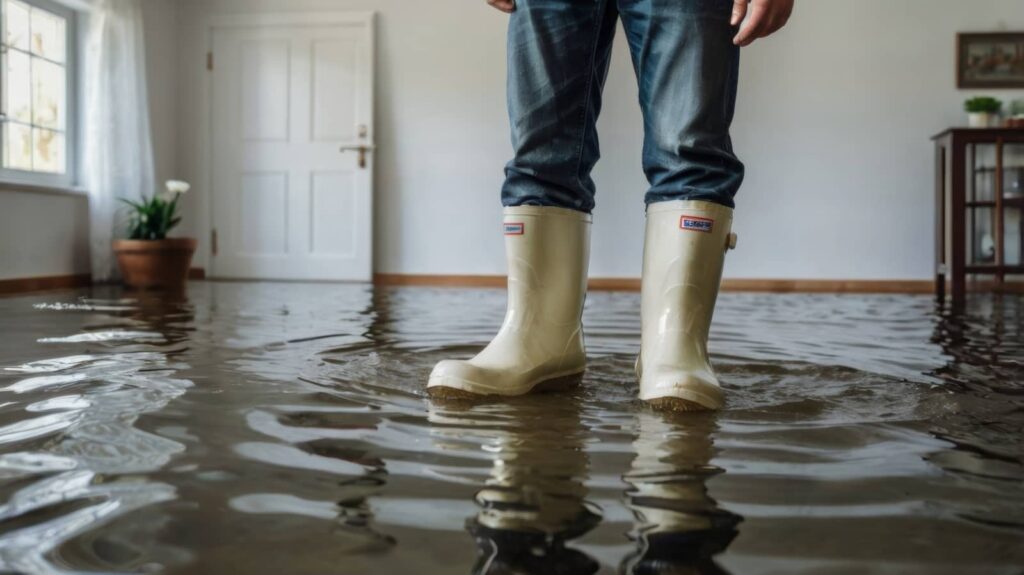
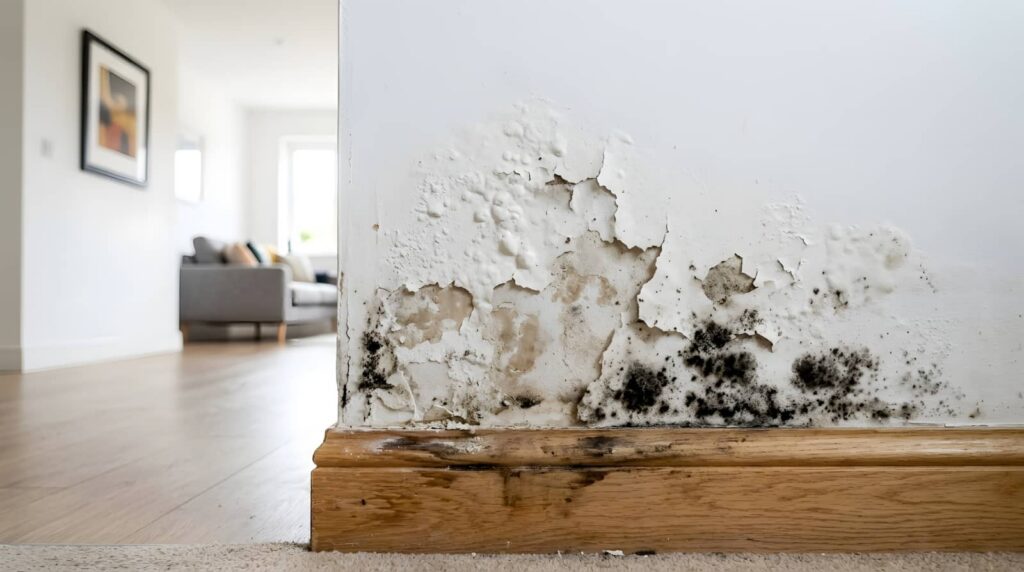
After a storm, you might find your basement flooded with several inches of water, leaving you feeling overwhelmed. It’s essential to act quickly and safely to minimize damage and prevent mold growth. From evaluating the damage to knowing when to call in professionals, each step matters. Understanding the right tools and techniques can make all the difference in your recovery efforts. Let’s explore the key tips that can help you navigate this challenging situation effectively.
Key Takeaways
- Assess initial flood damage by inspecting structural integrity and documenting issues for insurance claims.
- Use essential tools like sump pumps and wet/dry vacs for effective water removal.
- Prioritize safety by shutting off electricity and wearing protective gear during cleanup.
- Clean and disinfect affected areas with EPA-approved solutions to prevent mold and bacteria.
- Organize documentation and receipts meticulously to streamline the insurance claims process.
How to Assess Initial Flood Damage for Effective Cleanup
When floodwaters recede, the first step you should take is evaluating the damage to your property.
Start by using effective flood assessment techniques, such as visually inspecting structural integrity and checking for mold growth. Document every affected area with photos for insurance claims and future reference.
Employ damage evaluation methods like moisture meters to assess hidden water pockets in walls and floors. This not only helps identify the extent of the damage but also guides your cleanup efforts.
Remember, you’re not alone in this; many have faced similar situations. Connecting with your community can provide support and resources.
Taking these initial steps will empower you to move forward with confidence, ensuring your home can be restored safely and effectively.
Essential Tools for Emergency Water Removal
Having the right tools on hand is essential for effective emergency water removal. Start with a sump pump to tackle excess water quickly; it can handle significant volumes.
Water vacuums and wet/dry vacs are invaluable for smaller areas, allowing you to remove residual moisture. Keep an eye on hydrostatic pressure to prevent further damage.
Use moisture meters to assess dampness in walls and floors accurately. Drainage hoses can help direct water away from your home, while portable generators guarantee your equipment runs smoothly, even during power outages.
Finally, tarp covers can protect vulnerable areas from additional water exposure. By equipping yourself with these essentials, you create a safer environment for you and your loved ones.
Shut Off Electricity and Gas Before Cleanup
Before you start any cleanup, it’s essential to prioritize safety by shutting off the electricity and gas.
Locate your main power switch and turn it off to prevent any electrical hazards.
Then, verify the gas supply is also turned off, keeping you safe as you tackle the water removal.
Locate Main Power Switch
Shutting off electricity and gas is essential for safety during water removal. Before you begin cleanup, locate your main power switch. This step is vital for flood preparedness and guarantees that you’re not exposed to electrical hazards.
If water has reached electrical outlets or appliances, turning off the power can prevent shocking accidents.
To find the main power switch, look for your circuit breaker or fuse box, usually located in a basement or utility room. Familiarize yourself with the layout beforehand, so you can act quickly in emergencies.
Turn Off Gas Supply
Since water can damage appliances and create hazardous situations, turning off your gas supply is vital before starting any cleanup.
To guarantee gas line safety, locate your emergency shutoff valve, typically found near your gas meter. Turning this valve clockwise will stop the flow of gas, reducing the risk of leaks or explosions while you work.
It’s important to take this step seriously; water can compromise gas lines, leading to dangerous conditions. If you’re unsure about how to proceed safely, don’t hesitate to call a professional for assistance.
Remember, protecting yourself and your loved ones is the priority. Taking these precautions helps create a safer environment as you begin the cleanup process.
You’re not alone in this; support is available.
Ensure Safety First
With the gas supply secure, your next step is to confirm the safety of your electrical system.
Before you begin any cleanup, turn off the electricity at the main breaker. This is essential for flood safety, as standing water can create hazardous conditions.
If you’re unsure or uncomfortable, don’t hesitate to reach out to a professional.
Remember, emergency preparedness isn’t just about removing water; it’s about protecting yourself and your loved ones. Make certain your environment is safe before taking action.
Once you’ve secured your electricity, you can focus on restoring your space.
Keep in mind that safety is a shared responsibility; by prioritizing it, you’re contributing to the well-being of your community during this challenging time.
Wear Protective Gear for Safe Water Removal
When tackling water removal, it’s essential to prioritize your safety by wearing appropriate protective gear. Start with sturdy protective clothing, like waterproof boots and gloves, to shield yourself from contaminants in floodwaters.
A mask and goggles will protect your respiratory system and eyes from harmful substances.
It’s easy to underestimate the hazards present in flood situations, but wearing the right safety equipment can make a significant difference.
Make certain your gear isn’t just functional but also comfortable, so you can focus on the task at hand without distractions.
Quickly Remove Standing Water to Prevent Mold
Act swiftly to remove standing water, as even a small amount can lead to mold growth within 24 to 48 hours.
Begin by using a wet/dry vacuum or a pump to extract water effectively. If the water is shallow, mops and towels can help, but make sure to wear protective gear.
Focus on areas prone to moisture, like basements and crawl spaces, as they’re particularly vulnerable to mold. During this process, keep an eye out for any hidden pockets of water, which can contribute to mold development.
Deploy Dehumidifiers and Fans for Effective Drying
Deploying dehumidifiers and fans is crucial for effective drying after water removal. Start by strategically placing dehumidifiers in the most affected areas to maximize moisture extraction.
Make sure they’re elevated to improve airflow and prevent water pooling. Adjust fan settings to create a cross-breeze, which helps evaporate remaining moisture. You can use oscillating fans to cover larger spaces, directing airflow toward damp surfaces.
Remember, it’s essential to keep windows closed to maintain a controlled environment for drying. Regularly check the dehumidifier’s water tank and empty it as needed.
Clean and Disinfect All Affected Areas Thoroughly
After successfully using dehumidifiers and fans, it’s time to turn your attention to cleaning and disinfecting all affected areas thoroughly.
This step is essential for preventing mold growth and ensuring a safe environment for you and your loved ones.
Here are three important cleaning techniques to follow:
Use Appropriate Disinfecting Solutions: Choose EPA-approved products that effectively kill bacteria and viruses.
Focus on High-Touch Surfaces: Pay special attention to doorknobs, light switches, and countertops, as these areas are more prone to contamination.
Clean Fabrics and Upholstery: Wash or replace items like curtains and cushions that have absorbed moisture.
Check for Sneaky Water Damage You Might Miss?
How can you be sure you’ve caught all the hidden water damage after a flooding incident? Start by inspecting areas that mightn’t be immediately visible.
Check behind walls and under floors for hidden leaks that could lead to mold growth. Pay close attention to subtle discoloration on ceilings and walls, as this can indicate moisture trapped beneath the surface.
Don’t forget to examine your furniture and appliances; they can harbor water damage that’s easy to miss. Use a moisture meter if you have one, as this can help you pinpoint trouble spots.
Document Damage for Your Insurance Claim
When dealing with water damage, it’s essential to document everything for your insurance claim.
Make certain to photograph all affected areas thoroughly, keep your receipts organized, and note important dates and details.
This information will streamline the claims process and help guarantee you get the compensation you deserve.
Photograph Everything Thoroughly
While dealing with the aftermath of water damage, it’s essential to photograph everything thoroughly to document the extent of the destruction for your insurance claim.
Using effective flood photography techniques can make a significant difference in your recovery process. Here are three damage documentation strategies to keep in mind:
Capture Wide Shots: Take photos of entire rooms to show overall damage.
Close-Up Details: Document specific items with close-ups, highlighting the damage.
Date and Time Stamps: Guarantee your photos have timestamps for accurate records.
These steps not only aid your insurance claim but also help you process what’s happened.
Keep Receipts Organized
Keeping your receipts organized is essential for a smooth insurance claim process, especially after experiencing water damage. By implementing effective receipt tracking, you can guarantee that you have all necessary documentation at your fingertips.
Start by creating a designated folder for all receipts related to repairs, replacements, and any services rendered. Use organized filing methods, whether digital or physical, to categorize these documents by date or type.
This way, when it comes time to submit your claim, you’ll have everything neatly arranged and easily accessible. Remember, the more organized you’re now, the less stress you’ll face later.
You’re not alone in this; staying organized can make a significant difference in maneuvering through the claims process with your insurance provider.
Note Dates and Details
Documenting the damage promptly is essential for your insurance claim, as it helps establish a clear timeline and provides evidence of the extent of the loss.
In your flood recovery efforts, being thorough now can ease the claims process later. Here are three key details to note:
Dates: Record when the flood occurred and when you began cleanup efforts.
Photographs: Take clear pictures of the damage to support your insurance coverage claim.
Inventory: List damaged items, including their value and replacement costs.
When to Call in Water Removal Experts
Recognizing when to call in water removal experts can make a significant difference in the outcome of a water-related incident. If you receive a flood warning or experience significant water accumulation, it’s vital to act quickly.
Experts can assess the damage and initiate a restoration timeline that minimizes further issues, like mold growth or structural damage. If you notice persistent moisture, foul odors, or visible mold, don’t hesitate to reach out for help.
These signs often indicate that the situation is beyond DIY solutions. Remember, you’re not alone in this; professionals are trained to restore your space efficiently and safely, ensuring your home feels like home again.
Trusting the experts can bring peace of mind during this challenging time.
Frequently Asked Questions
How Long Does It Take for a Home to Dry After Flooding?
Your home can take anywhere from a few days to several weeks to dry completely after flooding. Dehumidifier efficiency and effective drying techniques play vital roles in speeding up the process and restoring comfort.
Can I Use a Regular Vacuum for Water Removal?
You can’t use a regular vacuum for water removal; it’ll get damaged. Instead, grab a wet vacuum it’s designed for this task. Think of it as your trusty ally in reclaiming your dry, safe space.
What Health Risks Are Associated With Floodwater Exposure?
Floodwater exposure poses serious health risks, including contamination leading to waterborne diseases, mold growth, and respiratory issues. You need to act quickly to protect yourself and your loved ones from these potential dangers.
Are There Specific Cleaning Products Recommended for Flood Damage?
For flood damage, you’ll need strong sanitation supplies like bleach or specialized mold prevention products. Make certain surfaces are thoroughly cleaned and dried to prevent mold growth, protecting your home and your health during recovery.
How Do I Prevent Future Flooding in My Home?
To keep your home dry and cozy, implement flood prevention strategies like regular drainage system maintenance. Make sure gutters flow freely and landscaping directs water away, creating a welcoming space that’s safe from future surprises.
Wrap-Up
In the chaos of flooding, it might feel like you’re battling a tidal wave of disaster, but with these tips, you can reclaim your space! Remember, every moment counts swift action can mean the difference between a minor setback and a mold-infested nightmare. So don your protective gear, grab those tools, and jump into the cleanup! You’ve got this! And if it ever feels overwhelming, don’t hesitate to call in the pros. Your home deserves the best recovery!