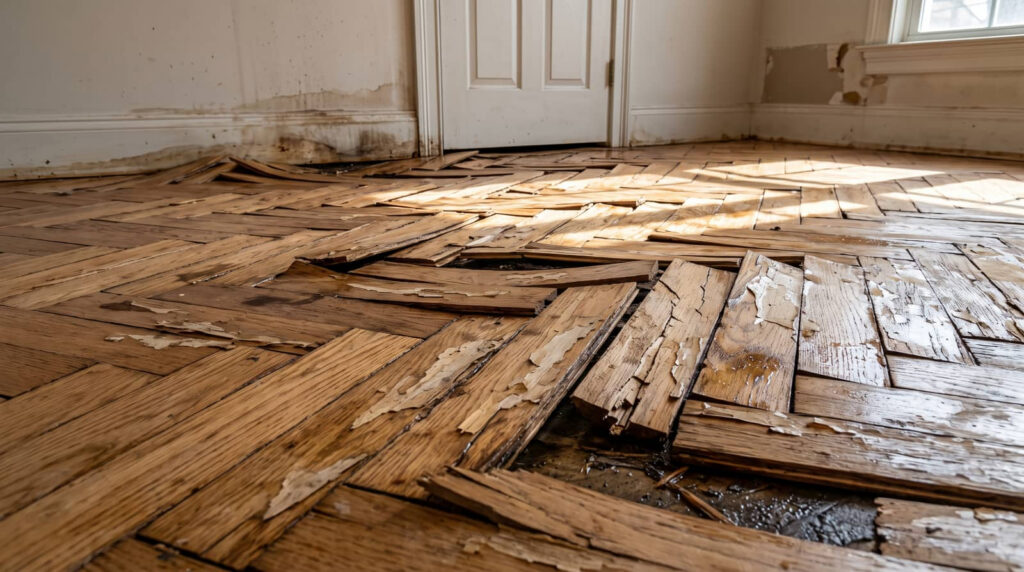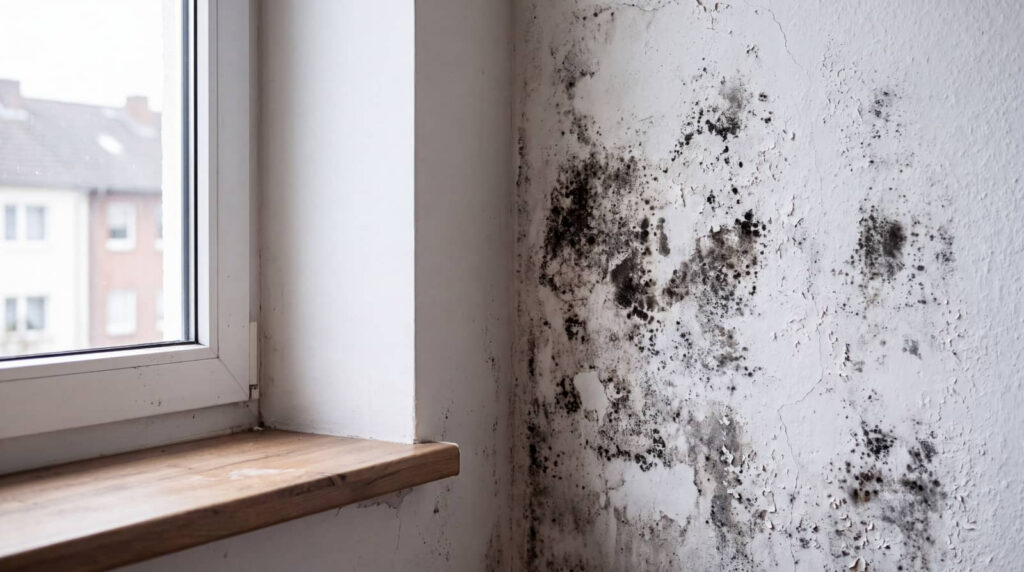

Picture your home, waterlogged and damaged, remnants of your belongings scattered about. When faced with such chaos, managing the claims process can feel overwhelming. You need a clear, methodical approach to guarantee you receive the compensation you deserve. Understanding your insurance policy and documenting the damage are essential steps. Each detail matters, and overlooking even a small aspect can impact your claim. Let’s explore how to effectively tackle this challenging situation.
Key Takeaways
Identify the Damage Type: Determine if the water damage is from a burst pipe, flooding, or roof leaks to guide your claim process.
Document the Damage: Take photos, create an inventory of affected items, and keep receipts to support your claim effectively.
Contact Your Insurance Company: Report the damage promptly, providing clear communication about the extent and nature of the loss.
Gather Necessary Documentation: Compile all relevant evidence, including photos, repair estimates, and proof of ownership, to strengthen your claim.
Follow Up Regularly: Maintain communication with your insurance adjuster, noting all discussions, and be prepared to provide additional evidence if requested.
Get to Know Your Water Damage Insurance
When you face water damage, understanding your insurance policy is essential, as it can greatly impact how you navigate the claims process.
Start by identifying coverage types, such as dwelling, personal property, and liability. Each type offers different protections, so knowing what applies to your situation is vital.
Pay close attention to your policy limits, which dictate the maximum amount your insurer will pay for damages. If your policy has low limits, you might find yourself financially vulnerable.
It’s also wise to clarify any exclusions, as these can notably affect your claim.
Documenting Water Damage: A Step-by-Step Guide
Understanding your water damage insurance sets the stage for effectively documenting any damage you encounter. Start by taking photographic evidence of all affected areas. Capture wide shots to provide context, then zoom in on specific damages. This visual record will support your claim.
Next, create a detailed inventory of damaged items, including descriptions, values, and purchase dates. List everything from furniture to electronics, prioritizing the most significant losses. Keep receipts or any proof of ownership handy; they can bolster your claim.
Finally, consider noting any steps you take to mitigate further damage, like contacting professionals for repairs. By meticulously documenting damage, you enhance your ability to receive fair compensation from your insurance provider.
How to File Your Water Damage Claim
How do you navigate the complexities of filing a water damage claim? Start by determining the specific water damage types affecting your property whether it’s from a burst pipe, flooding, or roof leaks.
Next, gather all necessary documentation, including photos, repair estimates, and any relevant receipts. This information will be essential in the claim process, as it substantiates your case.
Contact your insurance company promptly to report the damage and initiate your claim. Be clear about the extent of the damage and provide your documentation.
Keep records of all communications and follow up regularly to guarantee your claim is progressing. By staying organized and proactive, you can simplify your experience and increase your chances of a successful outcome.
Talk to Your Insurance Adjuster
Engaging with your insurance adjuster is a crucial step in the claims process. Effective adjuster communication can greatly impact your claim negotiation.
Start by presenting all necessary documentation clearly and concisely. Be prepared to discuss the specifics of the water damage, including its cause and extent. Your adjuster may ask for additional evidence, so stay organized and responsive.
Establishing a rapport can facilitate smoother discussions, making it easier for both of you to reach an understanding. Listen carefully to their feedback and ask questions if something isn’t clear.
Avoiding Common Reasons for Claim Denials
While you might think filing a water damage claim is straightforward, several common pitfalls can lead to denials. First, make sure you document all damage thoroughly; lack of evidence can weaken your case.
Next, be mindful of your policy’s terms understanding coverage limits and exclusions is essential for successful claims.
Water damage prevention measures, like timely repairs and proper maintenance, also play a role; insurers may deny claims if they determine negligence contributed to the damage.
Finally, if your claim is denied, don’t be discouraged. Familiarize yourself with the claim appeal process, allowing you to challenge the decision effectively.
Frequently Asked Questions
What Types of Water Damage Are Typically Covered by Insurance?
Most insurance policies cover sudden water damage, like burst pipes or sump pump failures. However, flood damage often requires separate coverage. Always review your policy to understand specific inclusions and exclusions regarding water-related incidents.
How Long Do I Have to File a Water Damage Claim?
Think of your claim timeline as a ticking clock; you typically have one to two years to file. Keep thorough documentation to meet requirements, ensuring your chances of a successful claim aren’t lost to time.
Can I Hire My Own Contractor for Repairs?
Yes, you can hire your own contractor for repairs. Just confirm your insurer approves the contractor selection to avoid disputes over repair costs. Communicating openly with your insurer can help streamline the process effectively.
Will My Insurance Premium Increase After Filing a Claim?
Filing a claim can impact your premium, especially if you file frequently. Insurers often raise rates after claims, so it’s wise to weigh potential costs against the benefits before proceeding with your water damage claim.
What Should I Do if My Claim Is Denied?
If your claim’s denied, review your insurance policy for coverage details and start the claim appeal process. Gather supporting documents and clearly outline why you believe your claim should be reconsidered. Stay persistent and organized.
Recap
Filing a water damage claim can feel like maneuvering through a maze, but with careful preparation, you can find your way through. By understanding your insurance, documenting the damage meticulously, and communicating effectively with your insurer, you set yourself up for success. Remember, staying organized and proactive can make all the difference in getting the compensation you deserve. Don’t let the stress of water damage overwhelm you take control of the process and safeguard your interests.