Steering through the murky waters of mold remediation insurance can feel like walking a tightrope, balancing financial protection and health risks. You’re likely unaware of how much mold can affect your home and wallet. Understanding the nuances of this coverage is essential, especially since standard homeowners policies may not provide adequate safeguards. What specific scenarios does your insurance cover, and how can you ensure you’re adequately protected?
Key Takeaways
- Mold remediation insurance provides financial protection for mold removal, covering assessments, repairs, and related damages.
- Homeowners should be aware of the types of mold and their associated risks, impacting insurance eligibility.
- Common causes of mold, such as water damage and HVAC issues, may influence coverage under homeowners insurance policies.
- Documenting mold issues and maintaining communication with your insurer is crucial before filing a claim.
- Regular home inspections and moisture control strategies can prevent mold growth and reduce potential insurance claims.
What Is Mold Remediation Insurance and Why Is It Important?
Mold remediation insurance is a specialized form of coverage designed to protect property owners from the financial burden of mold removal and related damages.
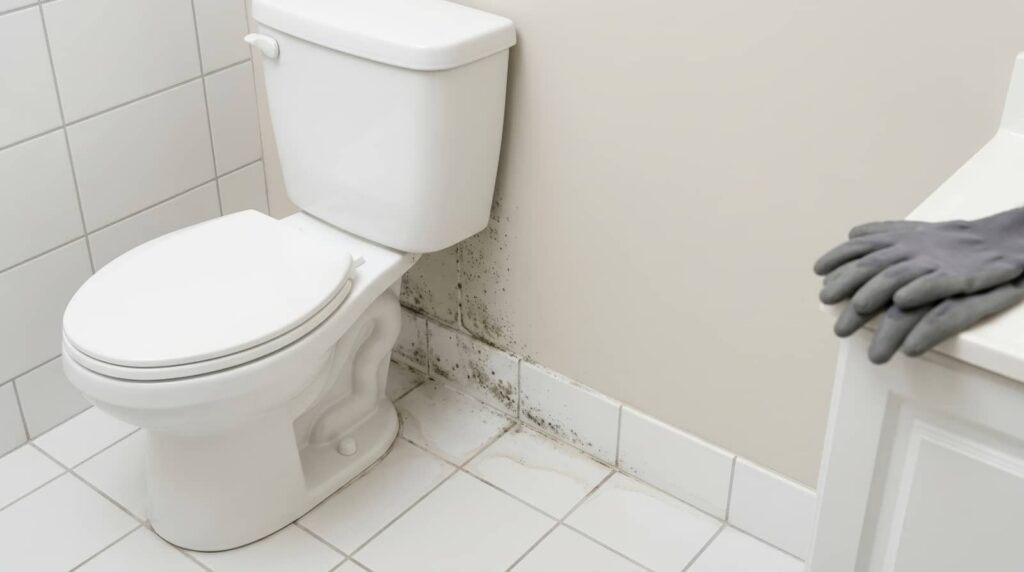
Understanding the different mold types, like black mold or Aspergillus, is vital when evaluating your insurance needs. These molds can pose health risks and structural issues, making effective remediation methods essential.
Insurance typically covers professional assessments, removal, and repairs associated with mold infestations. Without this coverage, you could face significant out-of-pocket expenses.
Common Mold Damage Scenarios That Insurance Covers
When it comes to mold damage, understanding what your insurance covers is essential.
Common scenarios include water damage incidents, HVAC system issues, and flooding or leaks, all of which can create an environment ripe for mold growth.
Knowing how your policy responds to these situations can help you make informed decisions and minimize financial risk.
Water Damage Incidents
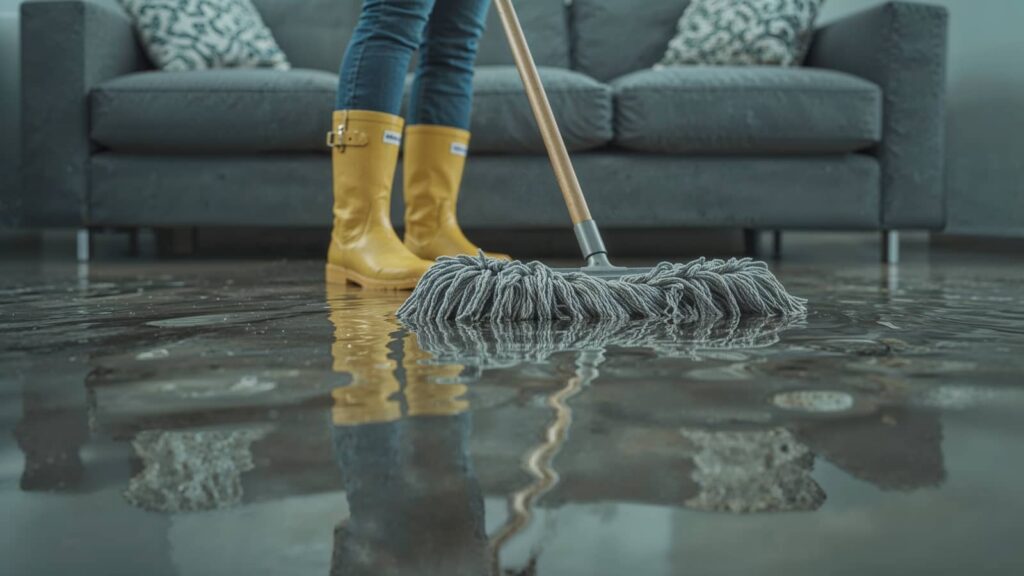
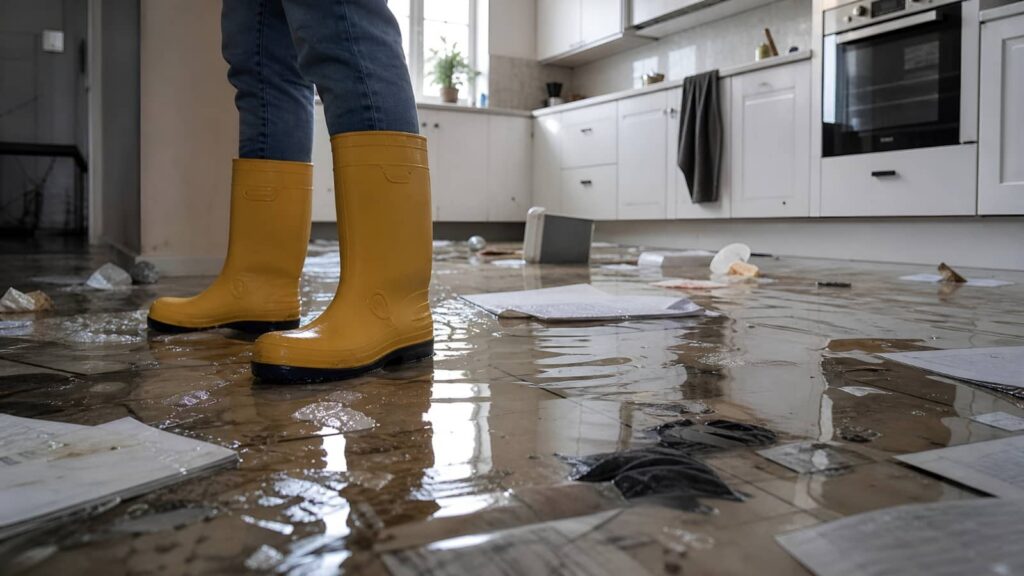
Leakages from burst pipes, heavy rains, or malfunctioning appliances can create ideal conditions for mold. Most policies cover sudden and accidental water damage, but insurance requirements vary considerably.
Be sure to review your policy to understand exclusions and limits. Implementing water damage prevention measures, like regular maintenance and inspections, can also help safeguard your home and potentially lower your premiums.
Knowing what’s covered protects your investment and offers peace of mind, fostering a sense of belonging in your community as you take proactive steps to maintain a safe living environment.
HVAC System Issues
This is especially true in areas like ductwork, where stagnant air can breed spores, affecting your home’s air quality. Regular HVAC maintenance is vital to prevent these scenarios.
If mold develops as a result of a faulty system, homeowners may find themselves facing costly remediation. Understanding your insurance policy is essential, as many plans cover mold damage linked to HVAC failures.
Flooding and Leaks
Ignoring HVAC maintenance can lead to mold issues, but flooding and leaks present even more immediate risks. These scenarios can create a perfect environment for mold growth, often covered by your homeowner’s insurance.
Flood prevention strategies, like proper drainage and maintaining gutters, can minimize potential damage. If leaks occur, timely leak detection is vital; the sooner you address the source, the less chance mold has to thrive.
Most policies cover mold resulting from sudden water damage, but it’s essential to understand your specific coverage. Document any incidents thoroughly and act quickly to mitigate damage.
Being proactive safeguards your home and fosters a sense of community responsibility toward maintaining healthy living spaces.
How Different Insurance Policies Handle Mold Coverage
While many homeowners might assume their insurance covers mold damage, the reality is often more complex. Different policies address mold growth in various ways, and you should know what to expect.
Here’s how they typically handle coverage:
Homeowners Insurance: Often includes limited mold coverage, typically tied to specific perils.
Flood Insurance: Generally excludes mold damage unless directly caused by flooding.
Renters Insurance: May cover personal property damage from mold, but not the structure.
Landlord Insurance: Coverage varies; often excludes mold unless specified.
Specialty Policies: Some offer broader mold coverage but come with higher premiums and insurance limits.
Understanding your policy’s specifics can help you navigate potential mold issues more effectively.
Steps to Take Before Filing a Mold Remediation Claim
Before you file a mold remediation claim, it’s important to gather extensive documentation of the situation.
Start by scheduling a mold inspection to assess the extent of the problem. This step identifies the type of mold and helps you understand the necessary remediation measures. Document the findings, including photographs of the affected areas and any previous inspections.
Next, outline your homeowner responsibilities; this includes reporting the issue to your insurance provider promptly. Keep records of any communications with contractors or insurance agents.
Finally, compile receipts for any immediate actions you’ve taken to mitigate damage. This thorough documentation will strengthen your claim and ensure you’re prepared for the next steps in the process.
Filing a Successful Mold Remediation Claim
Claim Documentation: Provide detailed records of the damage and previous repairs.
Expert Assessments: Include reports from certified mold inspectors or remediation specialists.
Photographic Evidence: Capture images of the affected areas before and after remediation.
Repair Estimates: Get written estimates from licensed contractors for the remediation work needed.
Communication Records: Keep a log of all interactions with your insurer regarding the claim.
Factors Influencing Your Mold Remediation Insurance Coverage
Understanding the factors that influence your mold remediation insurance coverage is vital for managing potential claims effectively. Key elements include the age and condition of your home, as older structures may have more mold growth due to deteriorating materials.
Insurance limits also play an important role; policies often cap coverage for mold-related damages, which can greatly affect your financial responsibility. Additionally, your location matters—homes in humid climates are at higher risk, leading to different underwriting assessments.
Make sure you’re aware of your policy’s specifics, including limits and conditions tied to mold remediation. By understanding these factors, you can make informed decisions that protect your home and your finances.
Exclusions in Mold Remediation Policies
While knowing the factors influencing your mold remediation insurance coverage is important, it’s equally critical to grasp what exclusions may limit your protection.
Understanding these exclusions helps you navigate potential pitfalls in your policy.
Consider these common exclusions:
Pre-existing mold growth: Many policies don’t cover mold that existed before the policy took effect.
Neglect or lack of maintenance: If mold results from your failure to maintain the property, coverage may be denied.
Flood damage: Mold resulting from flooding may fall outside your policy limits.
Certain building materials: Some materials may not be covered if they’re susceptible to mold.
Business-related claims: Mold issues tied to a business operation often aren’t included.
Being aware of these exclusions can help you make informed decisions.
Tips for Choosing Mold Remediation Insurance
How can you ensure you’re choosing the right mold remediation insurance? Start by conducting thorough policy comparisons to identify options that best suit your needs.
Look for policies that explicitly cover mold remediation, as not all do. Pay close attention to coverage limits; confirm they’re sufficient to handle potential remediation costs in your area.
It’s also wise to read customer reviews and seek recommendations from fellow homeowners to gauge the reliability of different insurers.
Ask about claims processes and any additional services they provide, such as inspections or preventive measures.
Ultimately, understanding your specific risks and the protections available can help you make an informed decision that fosters a sense of security in your home.
How to Prevent Mold Growth and Reduce Insurance Claims?
To effectively prevent mold growth and minimize insurance claims, you should conduct regular home inspections to identify potential issues early.
Implementing effective moisture control measures, like using dehumidifiers, can greatly reduce the risk of mold proliferation.
Additionally, promptly addressing any leaks will help maintain a dry environment and protect your home.
Regular Home Inspections
Early detection of moisture sources
Identification of hidden leaks
Assessment of ventilation systems
Evaluation of insulation effectiveness
Monitoring of high-risk areas like basements and attics
Taking proactive steps through routine assessments helps you maintain a healthy living environment and greatly reduces the likelihood of insurance claims related to mold damage.
With consistent attention to your home’s condition, you’ll foster a sense of belonging and security for yourself and your loved ones.
Effective Moisture Control
Moisture control serves as a critical line of defense against mold growth, considerably impacting both your home’s health and your insurance premiums.
Start by prioritizing humidity control; ideally, keep indoor humidity levels between 30% and 60%. Use dehumidifiers in damp areas, like basements, to prevent excess moisture.
Implement moisture barriers in crawl spaces and around foundations to block water intrusion. These barriers can greatly reduce the risk of mold growth.
Additionally, ensure proper ventilation in bathrooms and kitchens to allow moisture to escape.
By actively managing moisture levels and investing in effective barriers, you not only protect your home but also minimize potential insurance claims related to mold damage.
These proactive measures create a safer, healthier living environment for you and your family.
Prompt Leak Repairs
Quickly addressing leaks is essential for preventing mold growth and minimizing insurance claims.
Utilizing prompt repair strategies ensures your home stays safe and dry. Here are some effective measures for prompt leak detection and repair:
Regular inspections: Check plumbing fixtures and roofs for signs of wear.
Monitor humidity: Keep indoor humidity levels below 60% to deter mold.
Seal gaps: Verify windows and doors are properly sealed to prevent water entry.
Use moisture meters: Invest in tools that can help identify hidden damp areas.
Act swiftly: If you notice a leak, repair it immediately to avoid escalation.
Frequently Asked Questions
Can I Get Mold Remediation Insurance After Discovering Mold?
Yes, you can seek mold remediation insurance after discovering mold, but your options depend on your current insurance policy. Review your coverage and consider additional policies to ensure thorough protection throughout the mold discovery process.
Does Mold Remediation Insurance Cover Mold Caused by Flooding?
Mold remediation insurance often covers mold from flood damage, but check your policy’s coverage limits. Flood-related mold might require additional endorsements, so review your options to ensure you’re fully protected against potential costs.
How Often Should I Review My Mold Remediation Coverage?
You should review your mold coverage annually, like checking a garden’s health. Policy review tips include evaluating any changes in your home or environment that might affect coverage frequency, ensuring you’re always protected against potential mold issues.
Will My Insurance Premium Increase After a Mold Claim?
Yes, a mold claim can impact your insurance premium. Factors like your claim history, the severity of the mold issue, and your insurer’s policies all play a role in determining any potential increases. Stay informed!
Are There Specific Mold Remediation Companies My Insurer Recommends?
Yes, your insurer may have specific mold remediation companies they recommend. These recommendations often follow mold remediation guidelines to ensure proper handling, so check with your insurance company for a list that meets their standards.
Review
In the world of homeownership, mold can be a silent intruder, much like a thief in the night. Securing mold remediation insurance isn’t just a safety net; it’s your shield against potential chaos. By understanding your policy and proactively preventing mold growth, you can protect both your home and health. Remember, a stitch in time saves nine—so take the necessary steps today to ensure your living space remains safe and sound, free from the clutches of mold.