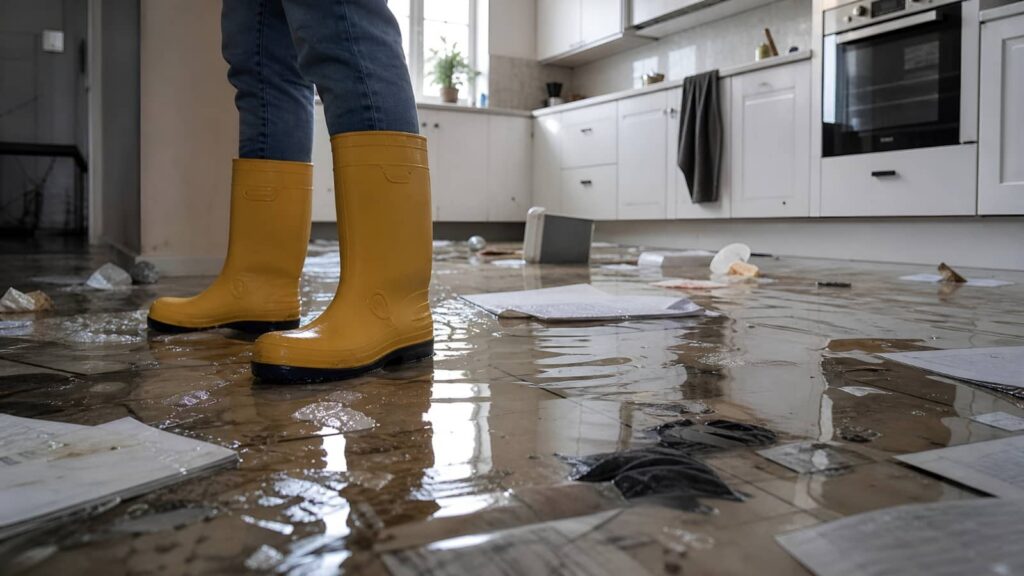
Just as a ship needs a sturdy hull to withstand turbulent seas, your home requires effective flood cleanup solutions to navigate the aftermath of water damage. Relying solely on DIY methods can exacerbate problems, making professional intervention essential. From swift water extraction to meticulous structural drying and mold remediation, specific techniques ensure a thorough recovery. Each solution plays a critical role, but understanding their individual impacts can shape your approach to restoration. What’s the best option for your situation?
Key Takeaways
- Look for services with strong local reputations and positive customer reviews to ensure quality and reliability.
- Choose companies that utilize industry-standard equipment and have certified technicians for effective cleanup.
- Ensure the service offers comprehensive water removal and moisture control techniques to prevent future damage.
- Select providers that assist with insurance claims to streamline the financial recovery process.
- Prioritize companies that emphasize health and safety, particularly in mold and bacteria prevention.
The Risks of DIY Flood Cleanup vs. Professional Help
When you face a flood, you might be tempted to tackle the cleanup yourself to save time and money. However, DIY cleanup can expose you to significant health hazards, such as mold and bacteria.
The equipment limitations of a typical homeowner may not effectively handle extensive water damage, leading to inadequate results. Cost implications also arise; while you might save initially, improper cleanup can result in long-term expenses due to structural damage.
Additionally, time management becomes essential; professional teams can often complete the job faster, allowing you to return to normalcy sooner. Weigh these factors carefully.
Relying on experts can ensure thorough cleanup and minimize risks, making it a smart choice for your well-being and peace of mind.
Exploring Effective Techniques for Flood Cleanup
Effective flood cleanup requires a strategic approach to ensure thorough restoration and mitigate damage.
Start with water removal; using industrial pumps and wet vacuums makes certain you eliminate standing water quickly. This step is vital in preventing further structural damage and mold growth.
Once the water’s gone, focus on drying out affected areas. Dehumidifiers and fans will help accelerate the drying process, reducing moisture levels.
To combat mold prevention, treat surfaces with antimicrobial solutions and maintain proper ventilation. Inspect hidden areas, like behind walls, to catch any lingering moisture.
Choosing the Best Flood Cleanup Service for You?
After completing the initial cleanup and drying process, selecting the right flood cleanup service becomes a priority.
Start by evaluating each service’s reputation. Look for companies that have a proven track record in your area, as local expertise matters.
Next, explore customer reviews; they can provide insights into the service quality, response times, and professionalism of the team. Pay attention to feedback about their handling of insurance claims, as this can greatly impact your recovery process.
Additionally, inquire about their certifications and equipment used, ensuring they meet industry standards.
Frequently Asked Questions
How Long Does Professional Flood Cleanup Typically Take?
Professional flood cleanup typically takes one to three days, depending on the damage severity and cleanup duration. You’ll find that thorough flood recovery processes ensure your space is restored efficiently and safely, fostering a sense of belonging.
What Certifications Should I Look for in a Cleanup Service?
Look for service qualifications like IICRC and RIA certifications. These badges of expertise ensure your cleanup team knows the nuances of restoration, turning chaos into calm with precision and care for your home.
Will My Insurance Cover Professional Flood Cleanup Costs?
Your insurance often covers flood damage cleanup costs, but it depends on your policy. Review your insurance claims for specific coverage details, and consult your agent to understand the extent of your benefits and any exclusions.
How Do I Prevent Future Flooding Issues?
To prevent future flooding issues, maintain your drainage systems, install sump pumps, and regularly check for blockages. Keeping gutters clean, sealing cracks, and landscaping wisely also helps protect your home from water damage.
What Should I Do Immediately After a Flood Occurs?
Immediately after a flood, prioritize your emergency response. Confirm your safety first by avoiding standing water and checking for hazards. Then, document damage, contact your insurance, and begin initial cleanup to prevent further issues.
Wrap-Up
When it comes to flood cleanup, don’t gamble with your health and home, like Icarus flying too close to the sun. Relying on DIY methods can lead to greater risks, including mold growth and structural damage. Instead, opt for professional services like water extraction, structural drying, and mold remediation. These solutions ensure effective restoration while safeguarding your indoor environment. Choose wisely, and you’ll recover and protect your home for the future.