When dealing with mold in your home, following best practices in remediation is essential. It minimizes health risks and ensures effective removal. You need to use proper personal protective equipment and containment methods to prevent cross-contamination. Skipping these mold remediation steps can lead to further issues, compromising indoor air quality. Understanding the fundamental techniques and tools is critical for long-term safety and effectiveness. So, what specific steps should you take to ensure thorough remediation?
Key Takeaways
- Following best practices ensures thorough identification and removal of mold, preventing future growth and health issues.
- Professional assessments provide accurate mold detection, minimizing the risk of hidden spores and related health hazards.
- Proper safety measures protect remediation workers and occupants from exposure to harmful mold spores during the process.
- Effective containment strategies prevent cross-contamination, ensuring mold removal is localized and minimizes spread throughout the property.
- Adhering to established protocols enhances the efficiency and effectiveness of remediation, leading to long-term resolution and restoration.
Identifying Mold Problems in Your Home: Health Risks and Solutions
How can you effectively identify mold problems in your home? Start by monitoring mold symptoms, like persistent cough or itchy eyes, which could indicate allergic reactions.
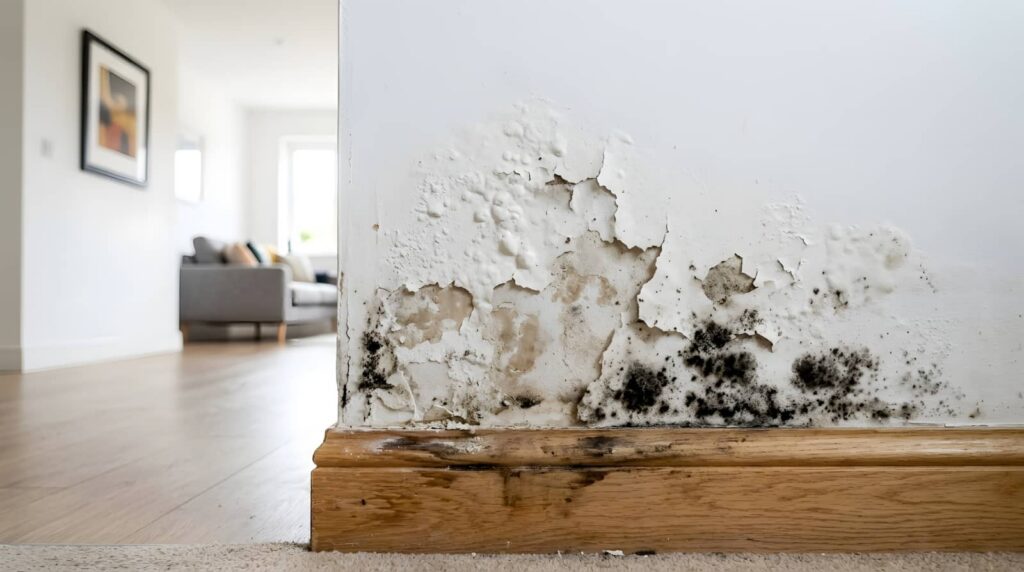
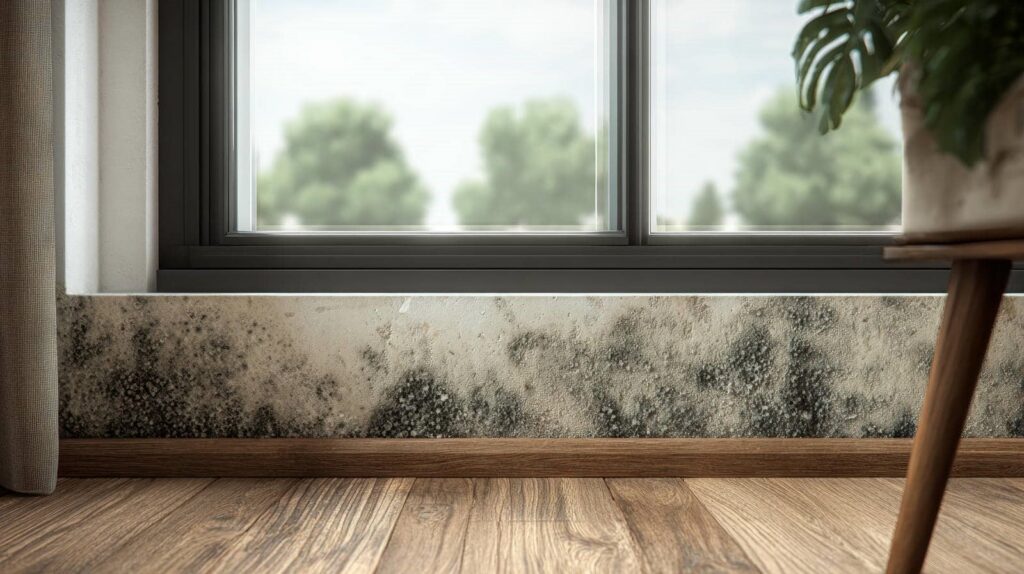
Assess indoor air quality; a musty smell often signals hidden mold. Use inspection techniques such as checking for water stains on walls and ceilings, and examine areas prone to moisture.
Implement moisture control strategies, like using dehumidifiers and ensuring proper ventilation, to prevent mold growth.
If you suspect mold, outline a remediation timeline to address the issue promptly.
Remember, the health implications of mold exposure can be serious, so taking these steps enhances your living environment and supports your well-being.
Prioritizing these actions fosters a healthier home for everyone.
Why Professional Mold Assessment Is Essential
Although you might be tempted to tackle mold issues on your own, a professional mold assessment is crucial for accurately identifying the extent of the problem.
Trained specialists utilize advanced mold assessment techniques to detect hidden growth and moisture sources that you may overlook. Their expertise ensures a thorough evaluation that goes beyond surface issues, providing a detailed picture of your home’s condition.
The benefits of a professional evaluation include accurate identification of mold types, assessment of health risks, and tailored remediation strategies.
This enhances safety for you and your family and fosters a sense of community by promoting shared knowledge and best practices.
Trusting professionals ensures effective resolution and peace of mind in maintaining a healthy living environment.
Essential Steps for Effective Mold Remediation
To ensure effective mold remediation, you must follow a systematic approach that addresses both the visible and hidden issues.
Start by identifying and eliminating moisture sources, as moisture control is vital for preventing mold growth. Use appropriate remediation techniques to remove affected building materials and clean surfaces thoroughly to reduce fungal spores.
Ascertain you monitor air quality during the process to safeguard health and mitigate health impacts associated with mold exposure.
After removal, implement prevention strategies to maintain dry indoor environments.
Finally, engage in restoration processes to repair any damage, ensuring that your space remains safe and welcoming.
These steps will eliminate existing mold and foster a healthier living environment for everyone involved.
Effective Tools for Mold Removal
When tackling mold removal, having the right tools is vital for effective remediation.
You’ll need essential equipment, proper safety gear, and appropriate cleaning solutions to ensure thorough elimination.
Let’s explore each of these components to enhance your mold remediation efforts.
Essential Mold Removal Equipment
Effective mold removal hinges on having the right equipment at your disposal. To tackle mold effectively, consider these essential tools:
- Moisture Meters: These help you identify damp areas that can harbor fungal spores, allowing you to target problem spots efficiently.
- Air Purifiers: Equipped with HEPA filters, they improve indoor air quality by capturing airborne spores and contaminants, vital for a healthier environment.
- Remediation Kits: These kits typically include surface treatments and chemical agents designed for effective mold removal.
Using these tools in conjunction with proper mold testing and inspection tools enhances your remediation strategies.
Don’t forget to employ containment barriers to prevent cross-contamination during the removal process.
With the right equipment, you’ll ensure a thorough and effective mold remediation.
Safety Gear Necessities
Mold removal isn’t just about the right tools; safety gear is equally important to protect you from health hazards associated with mold exposure.
When tackling mold, you’ll want to invest in essential safety gear types. Start with protective clothing like coveralls, which shield your skin from spores and contaminants.
Don’t overlook gloves; they should be durable and waterproof to prevent direct contact with mold. A high-quality respirator is vital to filter out harmful particles you might inhale.
Safety goggles will protect your eyes, preventing irritation from mold spores.
Effective Cleaning Solutions
Three key cleaning solutions are essential for successful mold removal: soap and water, vinegar, and hydrogen peroxide.
These options serve as effective surface cleaners and align with eco-friendly solutions for those who prefer natural remedies.
Here’s how you can utilize them:
- Soap and Water: Use this basic mixture for deep cleaning non-porous surfaces.
It’s a great starting point for mold prevention strategies.
- Vinegar: This natural disinfecting agent works as a mold inhibitor.
Spray undiluted vinegar on affected areas and let it sit.
- Hydrogen Peroxide: A powerful chemical treatment, it effectively kills mold spores.
Apply it directly to surfaces for thorough disinfection.
The Importance of Containment During Remediation
When it comes to mold remediation, containment plays an essential role in preventing the spread of spores to unaffected areas. Effective containment strategies involve using specialized containment materials and barriers to isolate the affected zone.
By implementing proper containment techniques, you ensure maximum containment effectiveness, reducing the risk of cross-contamination. Containment planning is vital; it helps you anticipate potential containment challenges and address them proactively.
You’ll find that a well-structured containment approach protects other areas while enhancing the overall efficiency of the remediation process. Prioritizing containment importance means safeguarding both your health and the integrity of your environment.
Why Proper Ventilation Is Key in Mold Cleanup
While effective mold remediation relies heavily on containment, proper ventilation is equally essential in ensuring a successful cleanup.
Adequate air circulation not only helps to disperse mold spores but also enhances overall safety.
Here are three key ventilation benefits:
- Reduces Humidity: Proper airflow lowers moisture levels, making it less favorable for mold growth.
- Promotes Spores Removal: Ventilation aids in carrying away airborne spores, minimizing their spread to unaffected areas.
- Improves Indoor Air Quality: Fresh air circulation enhances the living environment, reducing health risks associated with mold exposure.
How to Safely Dispose of Mold-Infested Materials
When disposing of mold-infested materials, you must prioritize safety by using proper protective equipment to prevent exposure.
Ensure you contain and seal the materials effectively to avoid spore release during handling.
Additionally, adhere to local disposal regulations and guidelines to manage waste responsibly.
Proper Protective Equipment Usage
Proper protective equipment (PPE) is essential for safely disposing of mold-infested materials. Using the right protective gear minimizes contamination risks and ensures your health.
Follow these best practices to enhance your safety:
- Wear appropriate respiratory protection: N95 masks or higher prevent inhalation of mold spores.
- Utilize durable gloves and coveralls: This prevents skin contact and protects your clothing from contamination.
- Confirm proper equipment maintenance: Regularly inspect and replace PPE to meet compliance standards and maintain effectiveness.
Adhering to these safety protocols not only safeguards your health but also aligns with training requirements and effectiveness assessments.
Long-term safety is achieved through consistent use of PPE, demonstrating commitment to health considerations and best practices in mold remediation.
Containment and Sealing Methods
To effectively dispose of mold-infested materials, establishing proper containment and sealing methods is essential for preventing the spread of spores.
Start by using containment strategies like plastic sheeting to create a barrier around the affected area. This isolates the contaminated space and minimizes exposure.
Seal all openings, including doors and vents, using tape and additional sheeting to ensure no spores escape.
When removing infested materials, place them directly into sealed bags or containers to prevent airborne contamination.
Always maintain negative pressure within the containment area to keep spores contained.
Disposal Regulations and Guidelines
While addressing mold remediation, understanding disposal regulations and guidelines is essential for ensuring safe and compliant disposal of mold-infested materials.
Proper disposal methods help protect your health and the environment. Here are three key points to contemplate:
- Identify Hazardous Materials: Recognize which materials are deemed hazardous and require special handling.
- Follow Local Regulations: Always adhere to your local waste management guidelines to ensure compliance.
- Use Appropriate Containers: Transport mold-infested items in sealed, labeled containers to minimize exposure and contamination.
How to Control Moisture for Mold Prevention
Controlling moisture is essential in preventing mold growth, as high humidity levels create an ideal environment for spores to thrive.
Start by identifying moisture sources, such as leaks, condensation, and inadequate ventilation. Use dehumidifiers to maintain indoor humidity levels below 60%.
Regularly inspect areas prone to moisture, like basements and bathrooms, ensuring proper drainage and ventilation. Seal windows and doors to prevent outside humidity from infiltrating your space.
When cooking or showering, use exhaust fans to remove excess moisture.
It’s vital to address any water damage immediately, drying affected areas within 24 to 48 hours.
How to Prevent Future Mold Growth?
To prevent future mold growth, you need to control humidity levels and improve ventilation systems in your space.
Maintaining humidity below 60% can greatly reduce mold spores’ ability to thrive.
Additionally, ensuring proper airflow throughout your environment helps eliminate stagnant air, which can contribute to moisture buildup.
Control Humidity Levels
Maintaining ideal humidity levels is essential for preventing future mold growth in your home. Effective humidity control and moisture management can considerably reduce the risk of mold.
Here are three key strategies to keep humidity in check:
- Use Dehumidifiers: Invest in dehumidifiers for damp areas, like basements, to remove excess moisture.
- Monitor Humidity Levels: Use hygrometers to regularly check indoor humidity, aiming for levels between 30-60%.
- Seal Leaks: Inspect and seal any leaks around windows, doors, or plumbing to prevent moisture intrusion.
Improve Ventilation Systems
Improving ventilation systems is essential for preventing mold growth, as it allows for better air circulation and moisture control throughout your home.
You can achieve considerable ventilation improvements by strategically placing exhaust fans in high-moisture areas like kitchens and bathrooms.
Make sure that your attic and crawl spaces have adequate airflow to reduce humidity levels.
Regularly clean and maintain vents to prevent blockages that hinder air circulation.
Using air purifiers can also enhance indoor air quality and help eliminate mold spores.
Additionally, consider installing a whole-house ventilation system for peak performance.
Common Mistakes to Avoid in Mold Remediation
While tackling mold remediation, it’s essential to recognize and avoid common pitfalls that can hinder the process. Overlooking these mistakes can lead to recurring issues and health risks.
- DIY Pitfalls: Many fall for mold myths, believing they can handle remediation without professional help. This often leads to inadequate training and safety negligence.
- Inspection Errors: Skipping thorough inspections can result in missed sources of mold, causing further contamination and cleanup oversights.
- Remediation Shortcuts: Rushing through the process can lead to common misconceptions about mold removal, ultimately allowing spores to thrive again.
Frequently Asked Questions
How Can I Identify Hidden Mold in My Home?
To identify hidden mold, use mold detection techniques like infrared cameras and moisture meters. Inspect areas near hidden moisture sources, such as plumbing, roofs, or basements, ensuring you cover all potential trouble spots thoroughly.
What Are the Costs Associated With Professional Mold Remediation?
Mold removal costs can range from $500 to $6,000, depending on the extent of the problem. Remediation pricing often includes inspections, containment, and cleanup, ensuring your home’s safety and health. You deserve peace of mind.
Can I Use Bleach for Mold Removal?
You shouldn’t rely solely on bleach for mold removal methods. While it might kill surface mold, it doesn’t penetrate porous materials effectively. Consider using specialized products for deeper remediation and long-term prevention instead.
How Long Does Mold Remediation Typically Take?
Mold remediation typically takes one to seven days, depending on mold growth and the affected area. Understanding the remediation timeline helps you feel secure, knowing your space will soon be safe and healthy again.
Will My Insurance Cover Mold Remediation Costs?
Your mold insurance coverage often depends on your remediation policy details. Check your policy for specific exclusions or limits related to mold damage, as coverage varies widely among insurers and individual plans.
Wrap-Up
In mold remediation, following best practices isn’t just a guideline; it’s a necessity. Ignoring proper protocols can lead to health risks, while diligent adherence ensures a safe, mold-free environment. Think of it this way: chaos breeds danger, but systematic action fosters security. By investing time and resources into effective techniques, you’ll eradicate existing mold and prevent future growth. Stay vigilant, and embrace a proactive approach to safeguard your indoor air quality and overall health.