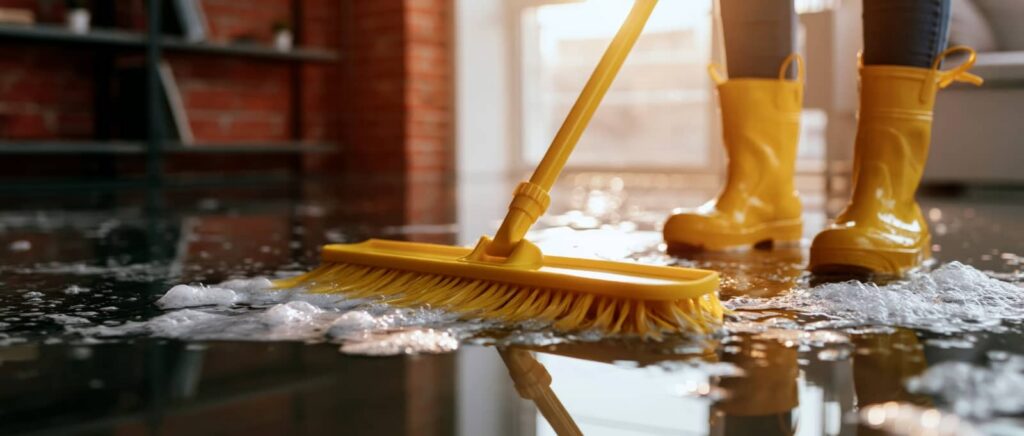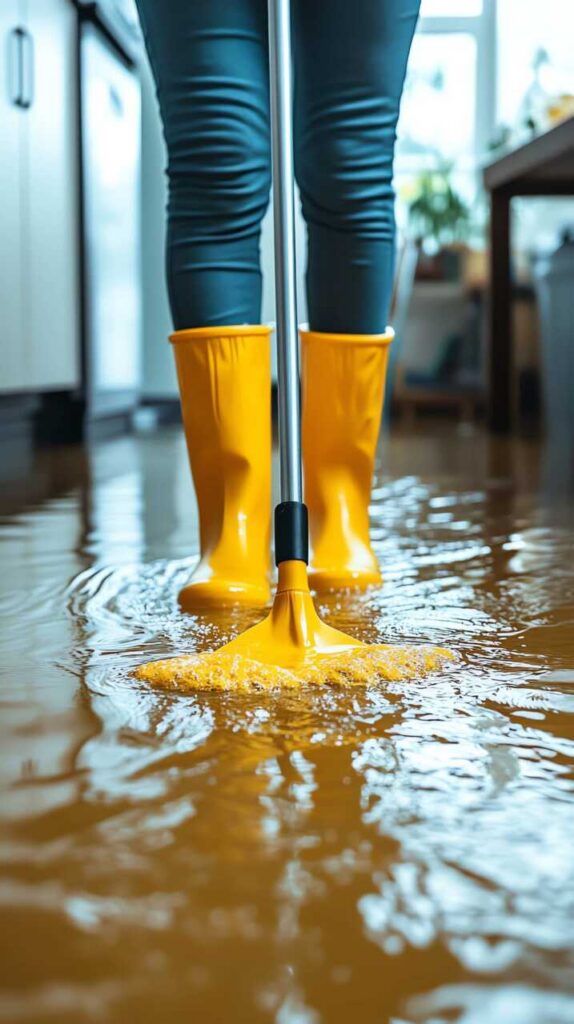
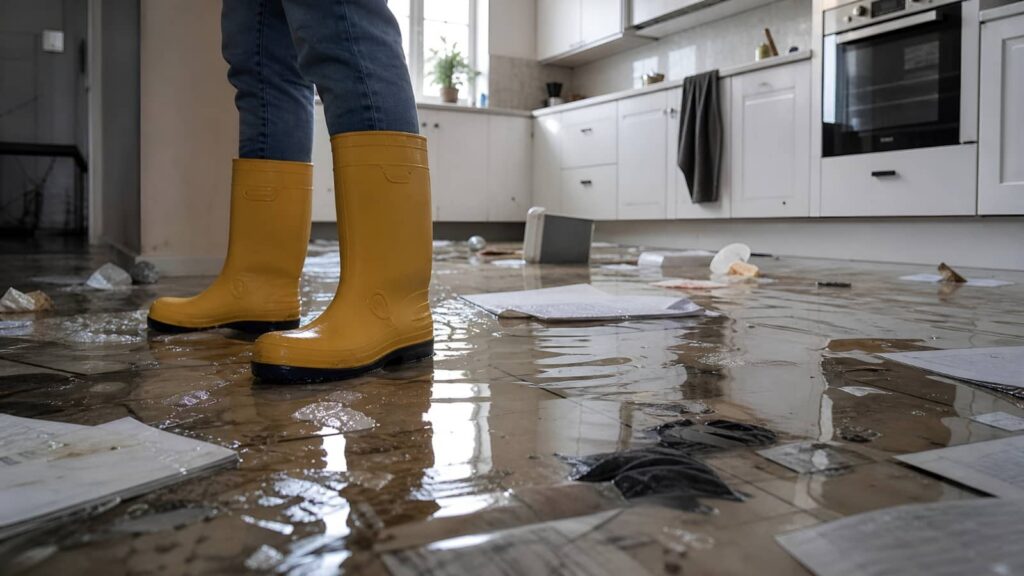
Understanding Flood Cleanup and Remediation is essential for protecting homes and businesses after water damage. By prioritizing safety and using the right techniques for water extraction and controlled drying, you can reduce the risk of mold and structural damage. From removing contaminated materials to checking for hidden moisture, each step plays a role in a thorough recovery and safer return to the property.
Key Takeaways
- Act quickly to extract floodwater using pumps or vacuums to minimize damage and health risks.
- Utilize dehumidifiers and fans for effective drying to prevent mold growth.
- Conduct thorough inspections to identify mold and structural damage post-flood.
- Document all damage for insurance claims, taking detailed photos and notes.
- Consider professional services for extensive damage to ensure safety and efficiency.
Immediate Steps for Flood Water Extraction
When floodwaters invade your property, swift action is essential to minimize damage and ensure safety.
Start by evaluating the situation; make certain everyone’s safe before attempting any water extraction methods. If you’re dealing with minor flooding, a sump pump or wet/dry vacuum might suffice.
For larger volumes, consider professional emergency response teams equipped with industrial-grade equipment. They can efficiently remove water, preventing mold and structural damage.
Always wear protective gear, as contaminated water can pose health risks. Document the damage for insurance purposes, and don’t forget to shut off electricity to avoid hazards.
Taking these immediate steps helps preserve your property and fosters a sense of community resilience in the face of adversity.
Understanding the Importance of Timely Flood Cleanup
Although floodwaters may recede quickly, the urgency of timely cleanup can’t be overstated.
You need to act fast to minimize the flood impact on your property and health. Delaying cleanup can lead to mold growth, structural damage, and increased repair costs, extending your recovery timeline considerably.
Effective Drying Techniques After Flooding
Timely flood cleanup sets the stage for effective drying techniques, which are essential in preventing long-term damage.
To successfully dry your space, focus on these key strategies:
- Dehumidification Methods: Use dehumidifiers to reduce moisture levels quickly. This minimizes the risk of mold growth and helps preserve building materials.
- Air Circulation: Increase airflow by opening windows and using fans. Proper air circulation speeds up the drying process and ensures that damp areas dry thoroughly.
- Temperature Control: Keep the indoor temperature warm to facilitate evaporation. A warmer environment enhances the effectiveness of both dehumidification and air circulation.
Mold Identification and Removal Techniques for Flooded Areas
When you’re dealing with flooded areas, identifying mold quickly is essential to prevent health risks.
You can use visual inspection methods to spot mold growth and then employ effective removal techniques to address the issue.
Understanding these steps helps ensure a safer environment post-flooding.
Visual Mold Identification Methods
- Visual Inspection: Conduct a thorough look for color variations and surface textures, noting any unusual growths.
- Surface Testing: Use swab tests to verify mold types and determine their potential impact on air quality.
- Moisture Meters: Measure moisture levels in walls and materials to identify areas that may foster mold growth.
Understanding these identification techniques helps you address mold issues before they escalate, protecting both your environment and your well-being.
Effective Removal Techniques
After drying, conduct a thorough inspection to identify any remaining mold.
For visible mold, utilize HEPA vacuums and non-toxic cleaning agents to remove it effectively.
Always wear protective gear to safeguard your health.
DIY vs. Professional Flood Cleanup: Pros and Cons
When deciding between DIY and professional flood cleanup, you need to weigh cost considerations, time efficiency, and safety risks.
While DIY might save you money upfront, it often requires significant time and may expose you to hazardous conditions.
On the other hand, hiring professionals can streamline the process but at a higher financial cost.
Cost Considerations
Considering the aftermath of a flood, you might wonder whether tackling the cleanup yourself or hiring professionals is the better option. Each choice comes with its own financial implications, requiring careful budget planning.
- DIY Cleanup: You’ll save on contractor fees but must consider material costs and equipment rentals. Insurance coverage may not fully cover your expenses.
- Professional Services: While more expensive initially, professionals streamline cleanup logistics and provide restoration estimates, ensuring thoroughness.
- Emergency Funds: Whether you DIY or hire experts, having emergency funds ready can help manage unexpected costs.
Ultimately, weighing these factors against your personal situation will guide you in making the most suitable decision for your flood cleanup needs.
Time Efficiency
Choosing between DIY cleanup and hiring professionals not only affects your budget but also considerably impacts the time required to restore your space.
When you opt for DIY, you might think you’re saving time, but without effective time management strategies, the process can drag on. You may face unexpected challenges, leading to delays.
On the other hand, professionals bring rapid response techniques, allowing them to tackle flooding issues efficiently. They’re equipped with specialized tools and experience, often completing the job faster than you could on your own.
Weighing these options carefully can help you decide which method aligns better with your timeline and personal circumstances, ensuring a quicker return to a safe and comfortable environment.
Safety Risks
Flood cleanup can expose you to various safety risks, especially when tackling the situation on your own. Understanding these risks is vital for ensuring your flood safety and health. Here are three key considerations:
- Electrical Hazards: Standing water can cause electrical shocks. Always turn off power sources before entering flooded areas.
- Biological Contaminants: Floodwaters can carry harmful bacteria and pathogens. Use protective gear like gloves and masks to minimize exposure.
- Structural Risks: Damaged buildings may collapse. Inspect your surroundings carefully and avoid entering unstable structures.
Weighing the pros and cons of DIY versus professional cleanup is essential.
While DIY may seem cost-effective, professionals can mitigate these health hazards effectively, ensuring a safer restoration process for you and your loved ones.
How to Pick the Right Flood Cleanup Service for You?
When you’re faced with the aftermath of a flood, how do you determine which cleanup service is best for your needs?
Start by researching the service reputation of potential companies. Look for reviews and testimonials that highlight their effectiveness, reliability, and customer service.
Next, request cost estimates from several providers to compare pricing and services. Make certain you understand what’s included in these estimates, as hidden fees can arise.
It’s also wise to check if they’ve proper certifications and insurance, confirming they meet industry standards.
Finally, choose a company that communicates clearly and shows empathy for your situation.
Flood Cleanup: Preventative Measures to Avoid Future Damage
To effectively prevent future flooding damage, it’s essential to take proactive measures that enhance your property’s resilience. Implementing these strategies can considerably reduce your risk:
- Install Flood Barrier Systems: These barriers can protect your home from rising water levels.
- Utilize Drainage Solutions: Proper drainage ensures water flows away from your property, minimizing flood risks.
- Incorporate Water-Resistant Materials: Use these materials in construction and renovations to fortify your home against moisture damage.
Additionally, consider sump pump installation for basements.
Maintain your landscaping with proper soil management, and keep emergency kits ready.
Insurance coverage and community preparedness also play critical roles in safeguarding your home.
Regular maintenance of these systems ensures your property remains resilient against future flooding.
Best Practices for Post-Flood Recovery
After taking steps to prevent flooding, knowing how to navigate the aftermath is essential for restoring your property.
First, document the damage thoroughly for your insurance claims; clear photos and detailed notes will support your case.
Next, connect with local community support groups—they can provide resources, advice, and emotional backing during this challenging time.
Prioritize safety by wearing protective gear and checking for structural damage before entering your home.
Remove water and debris promptly to prevent mold growth, and consider hiring professionals if the damage is extensive.
Finally, keep communication open with your insurer and community members; sharing experiences can foster a sense of belonging and collective resilience as you rebuild your lives together.
Frequently Asked Questions
What Are the Health Risks Associated With Floodwaters?
Floodwater contamination poses serious health risks, including disease transmission. You can encounter harmful bacteria and viruses, leading to gastrointestinal issues and infections. Staying informed and taking precautions is vital to protect yourself and your loved ones.
How Can I Assess My Home’s Flood Damage?
To assess your home’s flood damage, use flood assessment techniques like visual inspections and moisture meters. Employ damage evaluation methods to check structural integrity and identify affected areas, ensuring you document everything for insurance purposes.
What Insurance Coverage Is Available for Flood Damage?
You’ve got several flood insurance options, like private policies or the National Flood Insurance Program. However, be aware of coverage limitations; some policies may not cover certain damages or have specific exclusions you need to understand.
How Long Does Flood Cleanup Typically Take?
Flood cleanup duration varies widely, typically ranging from a few days to several weeks. Factors affecting cleanup include water severity, property size, and available resources. You’ll want to assess these elements for accurate timing.
Are There Government Assistance Programs for Flood Victims?
Yes, there are government assistance programs for flood victims. You can access federal aid through FEMA, while local resources often provide additional support. Exploring both options can ensure you receive the help you need.
Recap
In the aftermath of a flood, you might find yourself knee-deep in water but armed with a bucket and a hopeful grin. Ironically, while you clean up, the real battle lies in preventing future floods, not just mopping up the last disaster. By using the right techniques and understanding when to call in the pros, you can turn your soggy mess into a lesson learned, ensuring your home stays dry while your worries float away.