When it comes to mold remediation insurance, understanding your coverage is key. Many homeowners find themselves surprised by exclusions that can lead to unexpected costs. By reviewing your policy details with an agent, you can uncover potential pitfalls. Furthermore, knowing how to document any damage and taking preventive measures can save you time and money. But what specific steps should you take to ensure you’re protected?
Key Takeaways
- Review your insurance policy thoroughly to understand mold coverage limits and exclusions related to maintenance and neglect.
- Document mold damage meticulously with photos, dates, and professional inspection reports before filing a claim.
- Engage a mold inspection service to provide detailed assessments that support your insurance claim.
- Maintain open communication with your insurer throughout the claims process to ensure clarity and support.
- Implement preventive measures, such as proper ventilation and humidity control, to reduce future mold risks.
Understanding Your Mold Remediation Insurance Coverage
How well do you understand your mold remediation insurance coverage? Knowing the specifics can save you from unexpected expenses.
Different mold types can affect your property in various ways, and not all policies cover every scenario. It’s essential to review your coverage limits, as some plans might only address certain mold situations or exclude specific types.
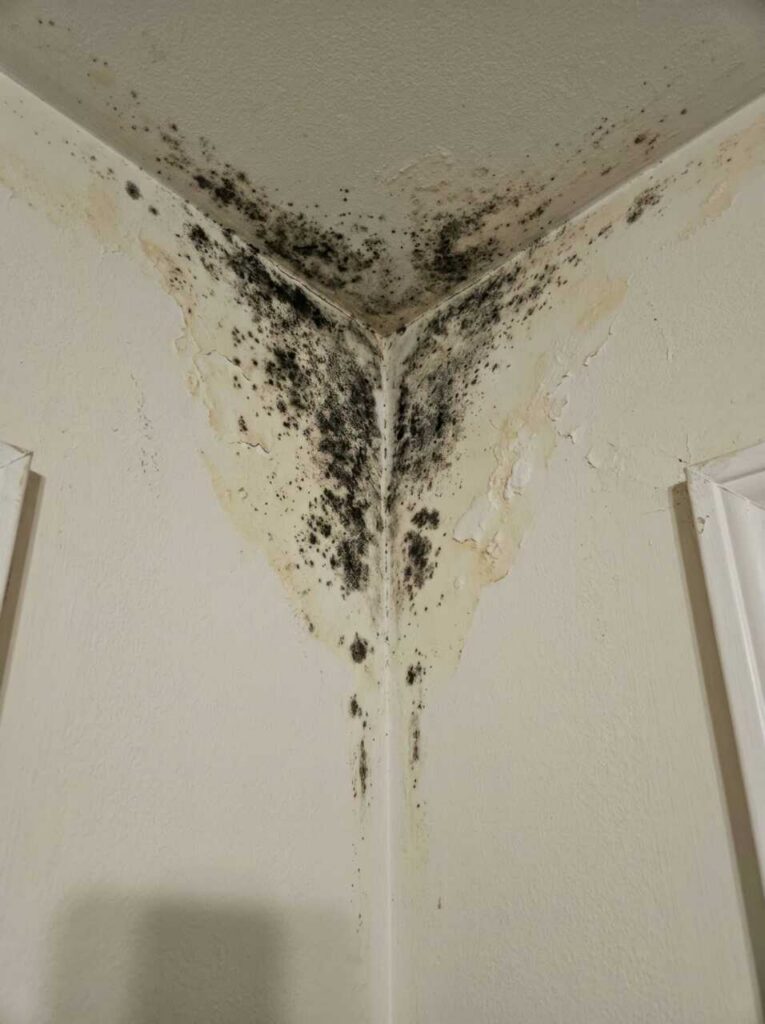
For instance, if you discover black mold, your standard coverage may not apply if it results from poor maintenance.
By thoroughly understanding your policy, you can identify gaps and ensure you’re adequately protected. Engaging with your insurance agent can clarify these details, helping you feel more secure in your home.
After all, belonging starts with knowing you’re supported when issues arise.
Common Mold Insurance Exclusions to Avoid
While understanding your mold remediation insurance coverage is essential, it’s equally important to recognize the common exclusions that could leave you vulnerable.
Many insurance policies don’t cover mold damage resulting from neglect or lack of maintenance. If you fail to address leaks promptly, your claim may be denied.
Additionally, some policies exclude mold coverage in certain areas, like basements or attics, where moisture accumulation is common.
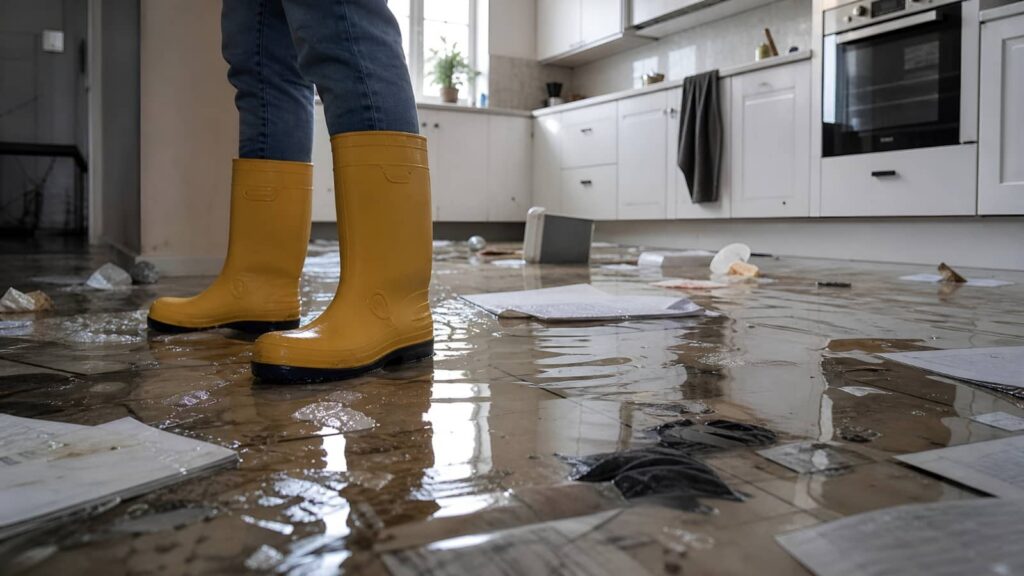
Be aware that damage from flooding often falls outside standard mold coverage, requiring separate flood insurance.
Always read your policy carefully and ask questions to clarify any unclear terms.
Knowing these exclusions helps you make informed decisions and ensures you’re adequately protected against potential mold-related issues.
Essential Steps Before Filing a Mold Insurance Claim
Before you file a mold insurance claim, it’s essential to gather all necessary documentation and evidence to support your case. Start by conducting a thorough insurance policy review to understand your coverage limits and exclusions.
Engaging professional mold inspection services can provide you with detailed reports that substantiate your claim.
Here are key items to collect:
- Photos of mold damage
- Mold inspection reports
- Invoices from remediation services
- Communication records with your insurer
Having this information ready will streamline the claims process and strengthen your position.
How to Document Mold Damage Effectively
Documenting mold damage effectively is essential for a successful insurance claim. Start by using mold identification techniques to pinpoint the affected areas and types of mold.
Take clear, detailed photographs from multiple angles, ensuring you capture the extent of the damage. Keep a record of dates and times when you discovered the mold, along with any actions you took to mitigate it.
Additionally, maintain effective communication with your insurance provider; share your findings and provide all necessary documentation promptly.
Create a thorough report that includes your observations, photos, and any professional assessments. This thorough approach not only strengthens your claim but also fosters a sense of community among homeowners facing similar challenges.
How to Choose a Mold Remediation Contractor?
Choosing a mold remediation contractor can feel overwhelming, especially when you’re already dealing with the stress of mold damage.
To ensure you make the right choice, consider the following:
Contractor Qualifications: Verify licenses, certifications, and insurance.
Experience: Look for contractors with a proven track record in mold remediation.
Remediation Methods: Ask about their approach and the technology they use for effective mold removal.
Reviews and References: Check online reviews and request references from past clients to gauge satisfaction.
Tips for Preventing Future Mold Issues
After selecting a qualified mold remediation contractor, the next step is taking proactive measures to prevent future mold issues.
Start by implementing effective mold prevention strategies, such as ensuring proper ventilation in your home. Open windows when weather permits, especially in high-moisture areas like kitchens and bathrooms. Install exhaust fans to improve airflow and reduce humidity.
Humidity control measures are equally essential. Keep indoor humidity levels below 60% by using dehumidifiers and air conditioners.
Regularly check for leaks in pipes, roofs, and windows, addressing any issues immediately.
Finally, routinely inspect your home for signs of mold, allowing you to act swiftly.
Frequently Asked Questions
How Can I Find a Reliable Mold Remediation Insurance Provider?
To find a reliable mold remediation insurance provider, research and compare policies. Focus on coverage details, including mold prevention strategies, and read customer reviews to ensure you’re choosing a trustworthy option that meets your needs.
Will My Homeowners Insurance Cover Mold Caused by Flooding?
Your homeowners insurance might cover mold caused by flooding, but it often depends on your policy. Consider implementing mold prevention strategies to minimize risks, and check your flood damage coverage for specific details.
How Often Should I Have My Home Inspected for Mold?
You should inspect your home for mold growth at least annually. However, if you live in a humid area or notice water damage, increase the inspection frequency to ensure a safe, healthy living environment.
What Should I Do if My Claim Is Denied?
If your claim’s denied, review your insurance policy for coverage details. Gather and organize claim documentation, then appeal the decision. Engaging with your insurer’s representatives can often turn a setback into a successful resolution.
Can I Appeal a Mold Remediation Claim Decision?
Yes, you can appeal a mold claim decision. Start by reviewing your insurance policy for specific guidelines, gather supporting documentation, and submit a well-organized mold claim appeal to strengthen your case and increase your chances of approval.
Summary
In understanding your mold remediation insurance, knowing your coverage and avoiding exclusions is crucial. Taking essential steps before filing a claim and effectively documenting damage can save you headaches. Choosing a qualified contractor ensures thorough remediation, while implementing preventive measures protects your home. By being proactive and informed, you protect your investment and create a healthier living environment. Stay vigilant, act decisively, and prioritize prevention to minimize mold-related risks and expenses in the future.