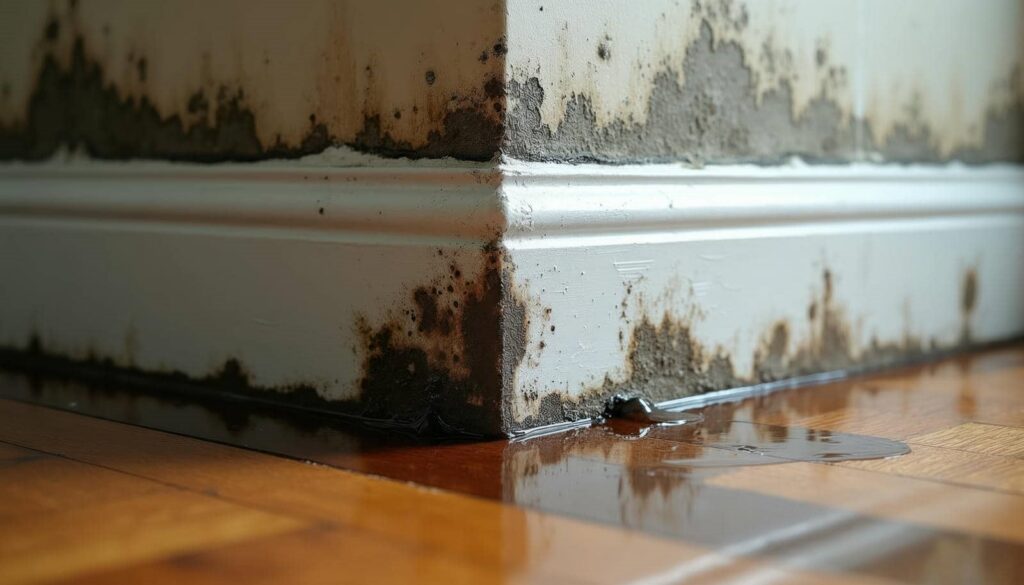
Understanding the process of professional mold remediation is vital for maintaining a healthy living environment. It involves systematic assessment, containment, and removal of mold, ensuring your home is safe and structurally sound. However, the steps taken during remediation can greatly influence the outcome. What exactly does this process entail, and why is it important to enlist expert help?
Key Takeaways
- Mold can grow rapidly within 24 to 48 hours after water damage, making prompt action crucial for remediation.
- Professionals conduct thorough inspections and use advanced techniques to identify hidden mold and moisture sources.
- Effective remediation involves containment methods to prevent spore spread and ensure safety during removal.
- Professionals perform air quality testing and post-remediation verification to confirm the area is safe and clean.
- Proper disposal of contaminated materials is essential to prevent ongoing mold issues and ensure effective remediation.
Understanding Mold Growth After Water Damage
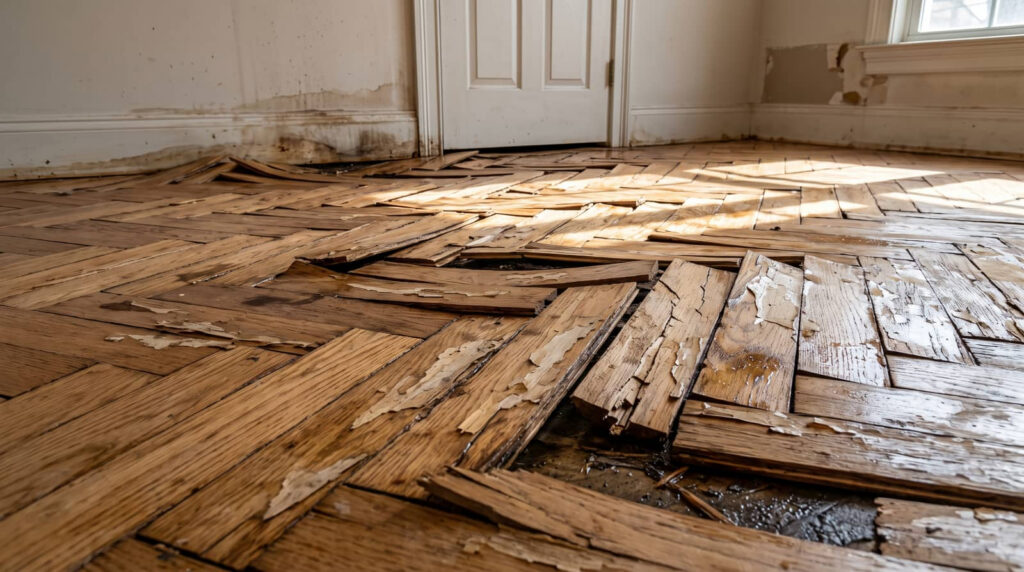
When water damage occurs, mold can begin to grow within 24 to 48 hours if the conditions are right. Understanding the mold lifecycle is essential for anyone dealing with water damage.
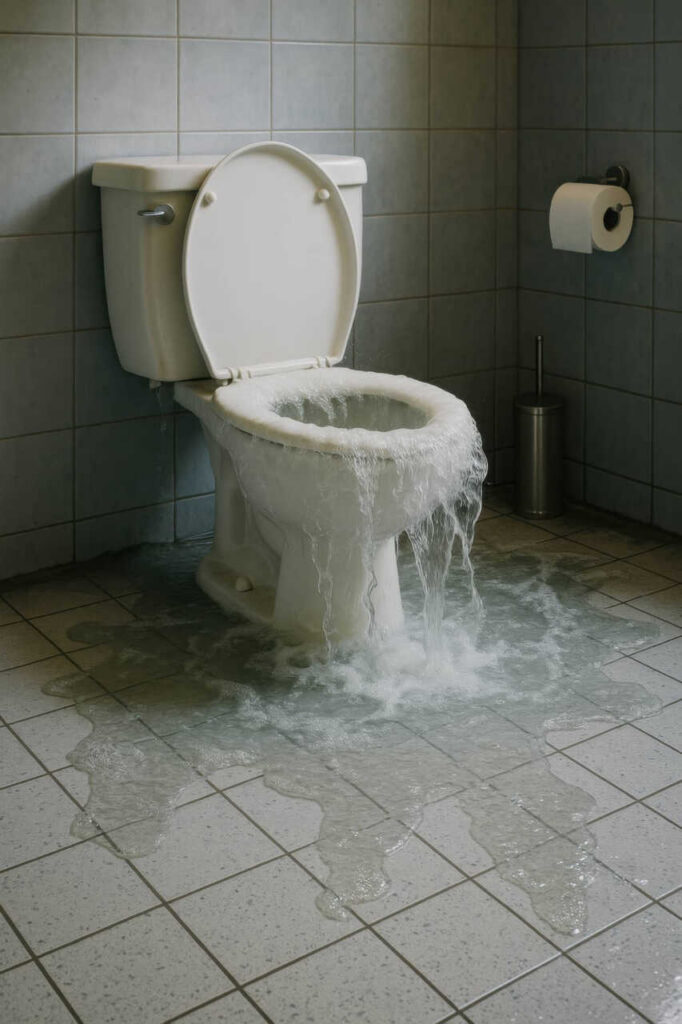
Mold thrives in damp environments, so you should identify and eliminate moisture sources like leaks, flooding, or high humidity. Once moisture is present, spores can germinate, leading to rapid growth.
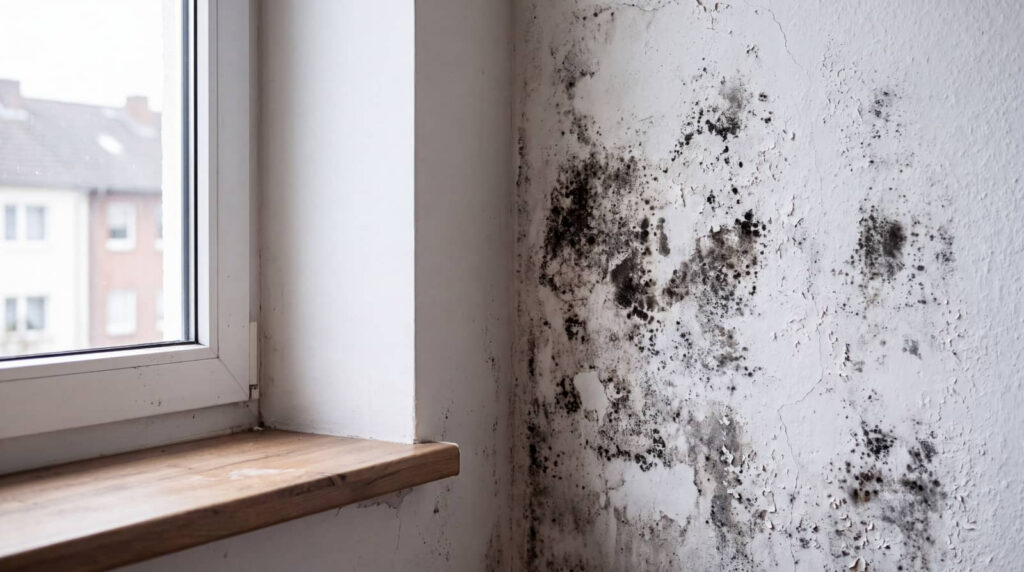
This growth can compromise indoor air quality and structural integrity. You might notice discoloration or a musty odor, indicating a problem.
Regular inspections and prompt actions can help prevent mold from establishing itself. By recognizing these factors, you foster a safer, healthier environment for yourself and your community.
Awareness is the first step to effective prevention.
Steps for Effective Mold Remediation
To effectively remediate mold, you need to follow a structured approach.
Start with an initial assessment to identify the extent of the problem, then proceed with containment and removal to prevent further spread.
Finally, conduct post-remediation verification to ensure the area is safe and free from mold.
Initial Assessment Process
Before you begin any mold remediation efforts, a thorough initial assessment is essential for effective results. Start with an initial inspection of the affected area, looking for visible signs of mold and moisture.
Document the extent of the damage, noting any damp materials and potential sources of water intrusion. This damage assessment helps you prioritize areas that need immediate attention and guides your remediation strategy.
Consider using moisture meters to measure hidden dampness behind walls or under flooring.
Engage with homeowners to understand their concerns and experiences, fostering a sense of partnership. By establishing a clear understanding of the situation, you’ll set the groundwork for successful mold remediation and ensure a healthier environment.
Containment and Removal
Following the initial assessment, the next step in mold remediation involves effective containment and removal of the mold.
You’ll want to implement mold containment methods to prevent spores from spreading during the process. This may include sealing off affected areas with plastic sheeting and using negative air pressure systems.
Once containment is established, you can move on to removal techniques. Depending on the severity, you might need to discard porous materials like drywall or carpet. For non-porous surfaces, thorough cleaning with specialized solutions is vital.
Always wear appropriate protective gear to ensure safety. By adhering to these methods, you can effectively eliminate mold and protect your home from future issues, fostering a healthier living environment for everyone.
Post-Remediation Verification
Once the mold removal process is complete, it’s essential to conduct post-remediation verification to confirm the area is safe and free from residual contamination. This involves thorough mold testing to assess whether mold spores remain in the environment. You should engage a certified professional to perform this testing, as they’ve the necessary tools and expertise.
In addition to mold testing, evaluating air quality is vital. High air quality indicates successful remediation and ensures your space is healthy for occupants.
After tests are conducted, review the results carefully. If contamination persists, further action may be necessary.
Ultimately, post-remediation verification confirms effective cleanup and fosters a sense of security in your living or working environment.
Why You Should Hire a Pro for Mold Remediation?
When it comes to mold remediation, hiring a professional is essential for several reasons.
Their expertise ensures effective mold removal, addressing safety and health concerns that might arise during the process.
Additionally, they streamline the restoration process, saving you time and reducing the risk of further complications.
Expertise In Mold Removal
Although tackling mold removal might seem manageable, hiring a professional for remediation is essential for ensuring a thorough and safe process.
Experts utilize advanced mold identification techniques to accurately detect hidden mold growth that you might overlook. They understand the complexities of different mold species and their potential health impacts.
By conducting air quality testing, professionals can assess the mold spores in your environment, ensuring that it’s not just the visible mold that’s being addressed. This knowledge helps you maintain a safe living space, minimizing health risks associated with mold exposure.
Involving a professional ensures that the remediation process adheres to industry standards, providing peace of mind while fostering a healthy home environment for you and your loved ones.
Safety And Health Concerns
Hiring a professional for mold remediation is crucial, especially since exposure to mold can lead to serious health issues.
Mold can trigger various health risks, including respiratory problems, allergic reactions, and even neurological symptoms. You might experience mold symptoms like coughing, sneezing, or skin irritation, which can escalate if left untreated.
Professionals identify mold sources and understand how to mitigate these risks effectively. They use specialized equipment and protective gear to ensure safety during the removal process.
Efficient Restoration Process
Addressing mold issues effectively requires a systematic approach, which is where professional mold remediation excels. When you hire experts, they utilize advanced restoration techniques to tackle mold growth thoroughly.
Professionals assess the extent of the contamination, identifying hidden mold spores that you might miss. They employ specialized equipment to contain and remove mold safely, preventing further spread throughout your home.
Additionally, they ensure proper ventilation and moisture control, vital in preventing future infestations. By relying on their expertise, you restore your space efficiently and protect your health and well-being.
Ultimately, professionals provide peace of mind, knowing that the job is done right, allowing you to feel secure and comfortable in your environment once again.
Choosing the Right Mold Remediation Specialist
How do you ensure you’re selecting the right mold remediation specialist? Start by looking for professionals with relevant specialist qualifications. They should hold certifications from recognized organizations, indicating they’re trained in mold assessment and remediation techniques.
Ask for references and check reviews to gauge their reputation in the community. It’s essential they follow industry standards, ensuring a thorough evaluation and safe removal of mold.
Additionally, inquire about their process—do they conduct a detailed assessment before starting work? A reliable specialist will provide a detailed plan, including containment strategies and post-remediation verification.
Top 5 Common Mistakes to Avoid During Mold Remediation
Mold remediation requires careful attention to detail, and avoiding common pitfalls can make all the difference.
First, don’t fall for mold myths; all mold isn’t toxic, but ignoring it can lead to health issues.
Second, steer clear of DIY dangers; improper removal can spread spores, worsening the problem.
Third, neglecting to wear protective gear exposes you to harmful allergens.
Fourth, failing to fix the source of moisture means mold will return.
Finally, overlooking proper disposal of contaminated materials can result in ongoing contamination.
By understanding these mistakes, you can ensure a more effective remediation process.
Preventing Future Mold Remediation Issues
While effective mold remediation can resolve immediate issues, taking proactive steps ensures you won’t face the same problems again.
Implementing solid mold prevention strategies and moisture control techniques is essential. Here are three key actions to keep in mind:
Control Humidity: Maintain indoor humidity levels below 60% by using dehumidifiers and ensuring proper ventilation.
Inspect Plumbing: Regularly check for leaks in pipes and fixtures. Address any issues immediately to prevent water accumulation.
Seal Entry Points: Caulk windows and doors, and repair cracks in walls or foundations to minimize moisture intrusion.
Frequently Asked Questions
How Long Does Mold Remediation Typically Take?
Mold remediation typically takes one to five days, depending on the extent of mold growth and the remediation techniques used. Efficient professionals assess the situation, ensuring thorough removal and preventing future issues in your space.
Is Mold Remediation Covered by Homeowners Insurance?
Mold remediation is often covered by homeowners’ insurance, but only some policies include extensive mold coverage. Review your insurance policy for specific coverage limits; understanding these details can save you from high costs in case of damage.
What Are the Health Risks of Mold Exposure?
Mold exposure can lead to various symptoms, including respiratory issues, allergies, and skin irritations. Different mold types, like black mold, pose unique health risks, making it essential to address any mold presence promptly.
Can I Stay in My Home During Remediation?
Staying in your home during remediation’s like walking through a storm—risky. For mold safety, it’s best to temporarily relocate, ensuring you avoid exposure while professionals manage the remediation process effectively. Your health comes first.
What Should I Do if Mold Returns After Remediation?
If mold returns, inspect for signs of re-emergence immediately. Implement mold prevention tips, like controlling humidity and improving ventilation. Address any leaks or moisture issues promptly to ensure a healthier living environment for everyone.
Conclusion
Professional mold remediation is essential for safeguarding your home after water damage. By understanding the process and avoiding common pitfalls, you can ensure a thorough cleanup. Remember, tackling mold isn’t just a weekend DIY project; it’s a serious undertaking that requires expertise. So, don’t be a lone ranger—hire a qualified specialist to restore your space and prevent future issues. Protect your indoor air quality and maintain your home’s structural integrity for years to come.