
Evaluating flood damage professionally requires a systematic approach to ensure you accurately assess the extent of the impact on your property. You need to recognize key indicators, utilize appropriate tools, and document your findings thoroughly. Understanding how each step contributes to a thorough evaluation is critical. As you navigate this process, you’ll uncover significant information that could influence restoration decisions and costs. Let’s explore the essential elements that facilitate a precise assessment.
Key Takeaways
Conduct a thorough visual inspection for water stains, mold, and structural damage to identify visible indicators of flood impact.
Utilize specialized tools like moisture meters and thermal imaging cameras to detect hidden water damage and assess structural integrity accurately.
Document all damage meticulously, including descriptions and photographs, to support insurance claims and restoration efforts.
Engage professionals when extensive water pooling, mold presence, or structural damage is observed, ensuring safety and effective restoration.
Develop a comprehensive recovery plan, outlining repair strategies based on the initial assessment and professional evaluations.
How Flood Damage Affects Your Property
When you experience flood damage, the effects on your property can be immediate and long-lasting. The flood impact extends beyond visible destruction; it can compromise structural integrity and lead to mold growth, affecting your living environment.
This not only disrupts your daily life but also diminishes your property value considerably. Even after repairs, potential buyers might hesitate due to the history of flooding, fearing future issues.
It’s essential to assess the extent of damage promptly and thoroughly. Taking swift action can mitigate long-term consequences, helping you maintain property value.
Understanding these factors allows you to navigate the complex aftermath of flooding effectively, ensuring your home remains a safe and valuable space for you and your family.
Identifying Common Signs of Water Damage
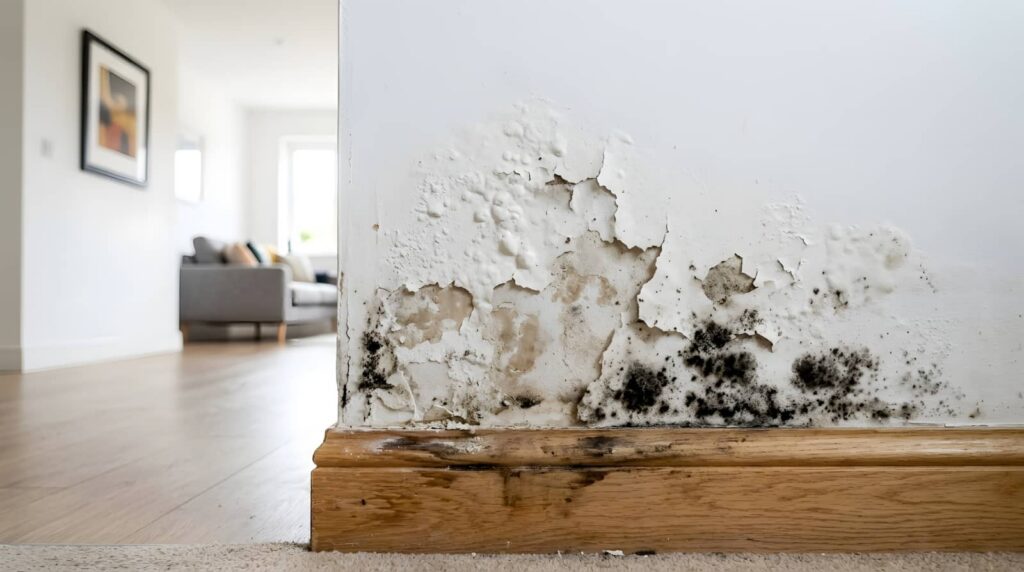
Water stains on walls or ceilings
Mold growth in corners or around windows
Structural cracks in foundations or walls
Musty odors, especially in closed spaces
Damaged flooring or drywall issues
Additionally, keep an eye out for electrical hazards stemming from plumbing leaks, insulation problems, or furniture damage.
Addressing these signs promptly protects your investment and fosters a sense of security and belonging within your home.
Being vigilant about water damage ensures a healthier living space for everyone.
Tools for Evaluating Flood Damage
To effectively evaluate flood damage, you need to employ a combination of visual inspection techniques and specialized equipment.
Visual assessments help identify immediate issues, while tools like moisture meters and thermal imaging cameras can reveal hidden damage.
Understanding how to use these methods ensures a thorough evaluation process.
Visual Inspection Techniques
While evaluating flood damage, employing effective visual inspection techniques is crucial for accurately gauging the extent of destruction.
Start with a thorough inspection checklist to ensure you don’t overlook essential visual cues. Pay attention to the following elements:
- Discoloration on walls and ceilings
- Warping or buckling of floors
- Mold growth or damp spots
- Damaged insulation or drywall
- Ruined furniture and personal belongings
These indicators reveal structural issues and evoke the emotional toll of the disaster.
Specialized Equipment Usage
Specialized equipment plays an essential role in accurately evaluating flood damage. Using moisture meters, you can measure the saturation levels in various materials, helping identify hidden damage that mightn’t be visible during a visual inspection. This tool allows you to pinpoint areas that require immediate attention, ensuring a thorough assessment.
Additionally, thermal imaging cameras provide a non-invasive way to detect temperature variations, revealing moisture pockets behind walls and ceilings. This technology enhances your evaluation and supports effective remediation strategies.
How to Evaluate Structural Integrity Post-Flood?
After a flood, evaluating the structural integrity of a building is essential to ensure safety and prevent further damage.
Start with a foundation assessment to identify any cracks or shifts. Conduct a thorough structural evaluation, focusing on load-bearing walls, beams, and roofs.
Check for water damage signs, like mold or warping, which can compromise safety.
- Feeling secure in your home again
- Protecting your loved ones
- Preserving memories tied to your space
- Avoiding costly repairs down the line
- Restoring your community’s strength
Assessing Your Belongings After Flood Damage
After a flood, it’s vital to prioritize your essential items for recovery.
Start by documenting the damage thoroughly to support any insurance claims or recovery efforts. This systematic approach will help you make informed decisions about what to keep and what to discard.
Prioritize Essential Items
When evaluating the damage from a flood, prioritizing essential items is crucial for effective recovery.
Focus on salvaging belongings that hold significant personal or practical value. This approach aids in restoration and provides emotional comfort during a challenging time.
Consider the following essential items:
- Family heirlooms or photographs
- Important documents (IDs, insurance papers)
- Medications and medical equipment
- Electronics necessary for communication
- Basic clothing and personal hygiene products
Document Damage Thoroughly
Documenting flood damage is crucial for efficient recovery and insurance claims. Start your damage assessment by meticulously cataloging each affected item. Create a detailed list that includes descriptions, purchase dates, and estimated values.
Use photographic evidence to capture the damage—take clear pictures from multiple angles to provide a thorough view. Focus on both large items, like furniture, and smaller belongings, such as electronics and personal items.
Make sure you photograph any structural damage as well, as this will support your claim. Organize your documentation systematically, making it easier for insurance adjusters to review.
This detailed approach aids in recovery and helps you feel more in control during a chaotic time.
Mold Inspection’s Role in Flood Damage Evaluation
Mold inspection plays an essential role in evaluating flood damage, as it helps identify hidden threats that can compromise both structural integrity and health. Understanding various mold types and employing effective inspection methods is vital for ensuring safety in a flood-affected property.
Mold can trigger allergies and respiratory issues.
Hidden mold can worsen over time, leading to costly repairs.
Specific mold types may indicate longer-term water issues.
Early detection can save you from serious health risks.
Professional inspections foster peace of mind for you and your loved ones.
How to Document Flood Damage for Insurance Claims?
Identifying mold during a flood damage evaluation is just one step in the recovery process.
To effectively document flood damage for insurance claims, begin with a thorough damage assessment. Capture high-quality photos of affected areas, making sure to include wide shots and close-ups.
Make detailed notes about the extent of the damage, including specific items impacted. This information will be essential for your claim submission.
Keep receipts for any temporary repairs or mitigation efforts you undertake. Organize all documentation, including photographs, notes, and receipts, into a complete file.
When filing your insurance claim, provide this organized information to streamline the process. Clear and precise documentation supports your claim and helps ensure you receive the compensation you deserve.
When to Call in Flood Restoration Experts
When faced with significant flood damage, knowing when to call in restoration experts can make all the difference in your recovery process. If you notice any of the following, it’s time to seek a professional’s help:
- Extensive water pooling that doesn’t drain
- Mold growth or musty odors
- Structural damage to walls or ceilings
- Electrical hazards or damaged wiring
- Health concerns for you and your family
Flood restoration is complex, and an expert assessment can identify hidden issues that might worsen over time.
By consulting professionals, you ensure a thorough, safe recovery, allowing you to return to a secure and healthy environment.
Don’t hesitate; reaching out early can save you time and money in the long run.
Frequently Asked Questions
How Quickly Should I Act After Experiencing Flood Damage?
You should act immediately after experiencing flood damage. Conduct a thorough damage assessment within the first 24 to 48 hours to minimize further issues and ensure effective restoration. Timely action is essential for successful recovery.
Can I Evaluate Flood Damage Myself, or Should I Hire a Professional?
You can evaluate flood damage yourself using self-assessment tips, but hiring a professional offers benefits like thorough inspections. For example, a homeowner missed hidden mold, leading to costly repairs later. Choose wisely for your safety.
What Types of Insurance Typically Cover Flood Damage?
Flood insurance typically includes standard policies like the National Flood Insurance Program (NFIP) and private options. Coverage limits vary, so you should review your policy to ensure you’re adequately protected against potential flood losses.
How Can I Prevent Future Flood Damage to My Property?
To prevent future flood damage, make certain your drainage systems are clear and functional, and improve landscape grading to divert water away from your property. Regular maintenance can greatly reduce the risk of flooding in your area.
Are There Specific Regulations Regarding Flood Damage Assessments?
Yes, there are flood assessment regulations you must follow, often requiring specific professional certification. Familiarizing yourself with local laws ensures compliance and enhances your credibility in evaluating flood damage effectively and responsibly.
Conclusion
In evaluating flood damage, thoroughness is essential. By recognizing signs of damage, utilizing advanced tools, and documenting findings meticulously, you can ensure a thorough assessment. If the damage is extensive, remember that calling in certified professionals can save you from further risks and costly repairs. Being proactive now can make all the difference in your property’s recovery.