Water can nourish life, but it can also invite hidden dangers. If you’ve noticed persistent allergies or unexplained fatigue, it might be more than just seasonal changes. Skin irritations and frequent headaches could also signal underlying issues. Increased asthma attacks often stem from mold and humidity. Understanding these water damage signs is essential for protecting your health and well-being—so what should you look for?
Key Takeaways
- Persistent allergies or respiratory issues, like sneezing and coughing, indicate poor air quality from mold exposure due to water damage.
- Unexplained fatigue or weakness may stem from chronic dehydration and mycotoxin exposure linked to water damage.
- Skin irritations or rashes can arise from prolonged exposure to mold and contaminated moisture, signaling health risks.
- Frequent headaches or migraines may result from mold mycotoxins, dehydration, and poor indoor air quality caused by water damage.
- Increased instances of asthma attacks can occur due to mold spores and high humidity levels following water damage.
Persistent Allergies or Respiratory Issues
When water damage occurs in your home, it can lead to persistent allergies and respiratory issues that affect your overall well-being.
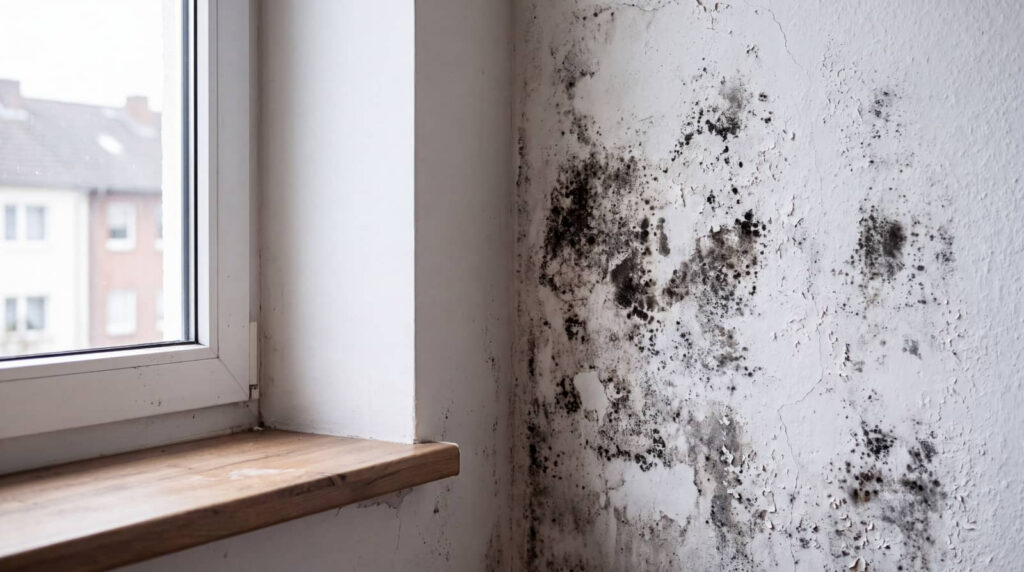
Mold exposure thrives in damp environments, releasing spores that compromise indoor air quality. You mightn’t notice these spores immediately, but their effects can manifest as sneezing, coughing, or even asthma attacks.
Poor indoor air quality can exacerbate existing respiratory conditions, making it vital to address mold problems swiftly. If you’ve noticed a musty smell or visible mold growth, it’s important to take action.
Ensuring proper ventilation and using dehumidifiers can help mitigate mold’s impact.
Regularly inspect areas prone to moisture, like bathrooms and basements, to prevent mold from taking hold.
Unexplained Fatigue or Weakness
Although you may not immediately associate water damage with feelings of unexplained fatigue or weakness, the two can be closely linked. When your living space suffers from water damage, it often leads to chronic dehydration due to increased humidity and poor air circulation. This dehydration can sap your energy levels, leaving you feeling unusually tired.
Additionally, mold exposure is a significant concern in water-damaged environments. Mold can release spores and mycotoxins that affect your health, leading to fatigue and weakness. Your body’s immune response may be working overtime to combat these toxins, which further drains your energy.
If you’re experiencing unexplained fatigue, consider the conditions in your home. Addressing any water damage promptly can improve your living environment and, ultimately, your well-being.
Skin Irritations or Rashes
Unexplained fatigue isn’t the only health issue stemming from water damage; skin irritations and rashes can also arise in these environments.
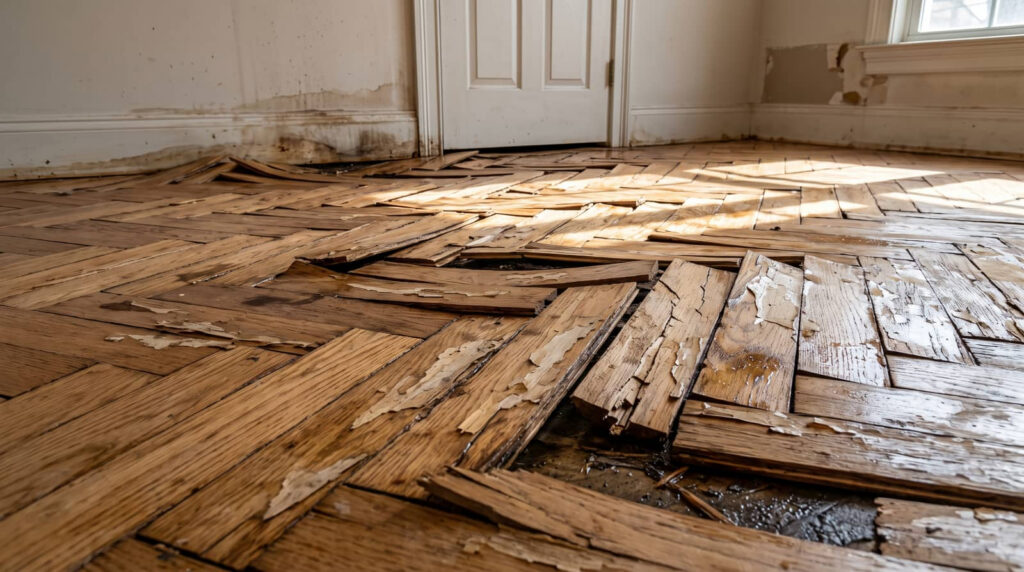
When moisture seeps into walls or floors, it creates a breeding ground for mold and bacteria. These pathogens can lead to skin infections, manifesting as rashes, redness, or itching. You might notice that your skin reacts unfavorably to the dampness, which could indicate an allergic reaction.
If you find yourself developing unexplained skin issues, it’s essential to reflect on your surroundings. Prolonged exposure to contaminated water can exacerbate these conditions, making them more persistent.
Taking action to address water damage protects your home and your health. If skin irritations persist, consult a healthcare professional for guidance.
Frequent Headaches or Migraines
If you’re experiencing frequent headaches or migraines, it’s worth evaluating the impact of water damage in your environment. Water damage can lead to mold exposure, which is known to trigger various health issues.
Additionally, the stress of dealing with water-damaged spaces can contribute to dehydration symptoms, exacerbating your discomfort.
Here are some key factors to assess:
- Mold presence can produce mycotoxins, affecting brain function.
- High humidity levels can lead to dehydration symptoms, including headaches.
- Poor air quality from water damage can irritate your sinuses.
- Allergens in the environment can trigger migraine episodes.
- Stress from the situation may increase tension headaches.
Taking note of these elements might help you identify the root cause of your headaches.
If you suspect water damage, addressing it promptly can improve not just your living conditions but your overall wellbeing.
Increased Instances of Asthma Attacks
When water damage occurs in your home, the increased humidity and potential for mold growth can greatly impact your respiratory health, leading to a rise in asthma attacks.
Mold exposure is a significant concern, as it releases spores that can circulate in your indoor air quality. If you’re already prone to asthma, these spores can trigger severe reactions, making it essential to address any water damage promptly.
Poor indoor air quality often stems from unaddressed mold, which can exacerbate existing respiratory conditions.
You might notice more frequent asthma symptoms, including wheezing, coughing, and shortness of breath.
To foster a healthier environment, consider investing in dehumidifiers and ensuring proper ventilation in affected areas.
Regularly inspecting your home for signs of water damage will help you maintain a safe and comfortable space, ultimately reducing the risk of asthma attacks and improving your overall health.
Frequently Asked Questions
How Can I Test My Home for Water Damage?
To test your home for water damage, use water detection tools like moisture meters and infrared cameras. Conduct a thorough moisture assessment in vulnerable areas to identify hidden leaks or dampness that may require attention.
What Types of Mold Are Harmful to Health?
You should be cautious of toxic molds like black mold and Aspergillus, which can cause serious health issues. Mold identification is essential; these fungi thrive in damp spaces, silently infiltrating your home and well-being.
Can Water Damage Affect Mental Health?
Yes, water damage can affect mental health by contributing to anxiety disorders and cognitive decline. The stress of dealing with mold and property loss can exacerbate these issues, impacting your overall well-being and sense of security.
How Long Does It Take for Mold to Grow?
Mold growth can begin within 24 to 48 hours, depending on environmental factors like humidity and temperature. Understanding this mold growth timeline helps you act swiftly to prevent potential health hazards in your space.
What Are the Long-Term Effects of Water Damage Exposure?
Long-term exposure to water damage can lead to chronic respiratory issues and structural integrity concerns in your home. Addressing these problems promptly ensures your living environment remains safe and healthy for you and your loved ones.
Review
Recognizing the signs of health risks from water damage is crucial for your well-being. Just like a hidden leak can slowly erode a foundation, these symptoms can quietly deteriorate your health. If you notice persistent allergies, unexplained fatigue, skin irritations, frequent headaches, or increased asthma attacks, it’s essential to act swiftly. Addressing these issues improves your living environment and protects your health, ensuring a safer and more comfortable space for you and your loved ones.