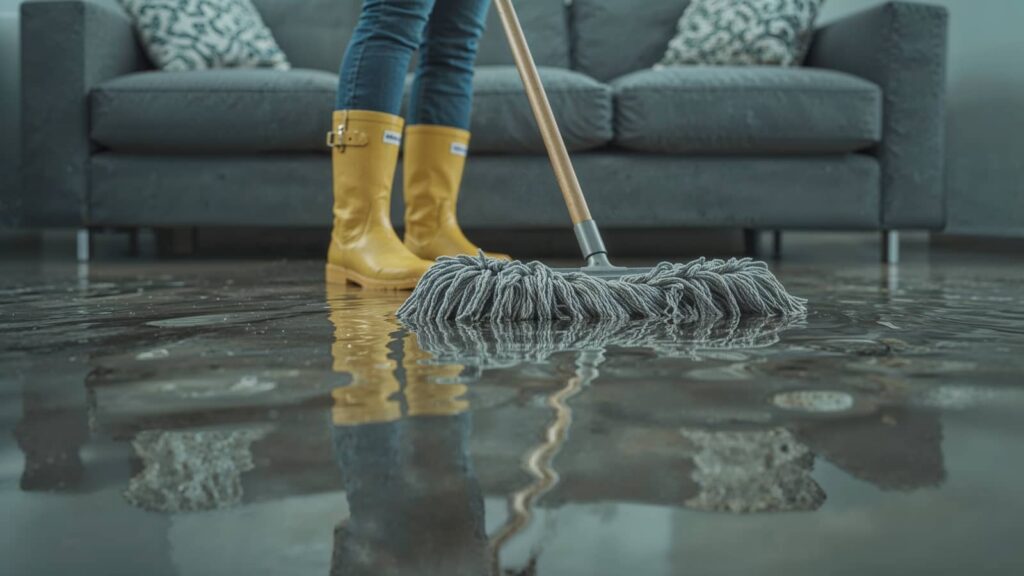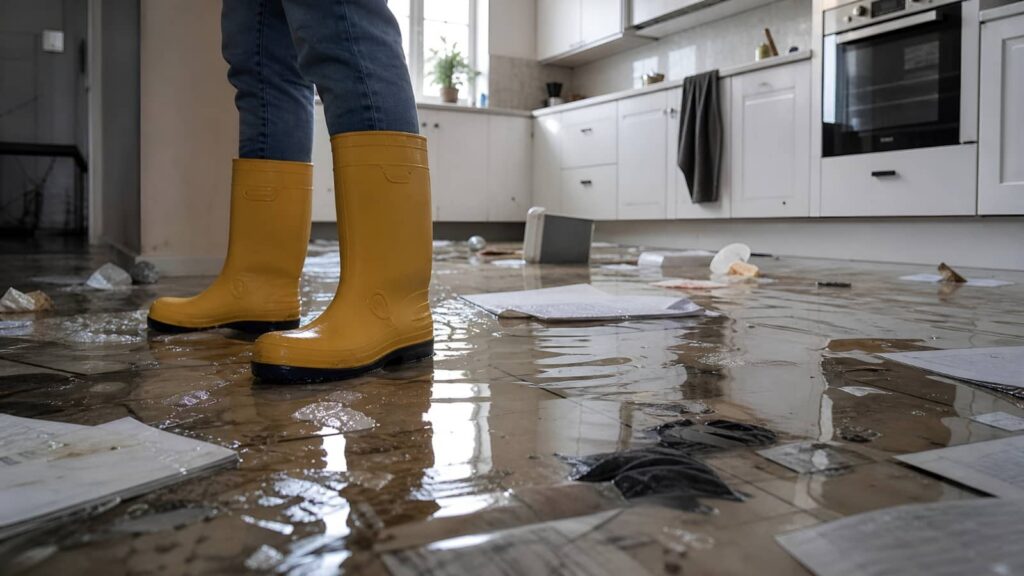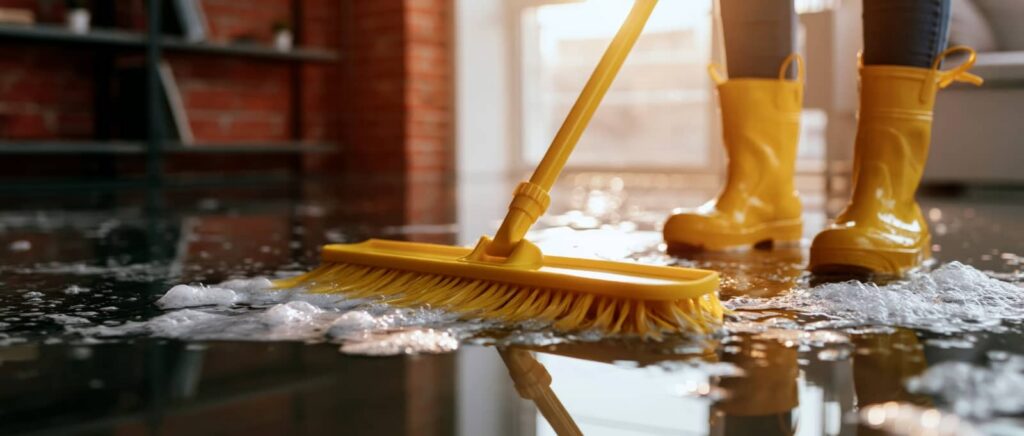
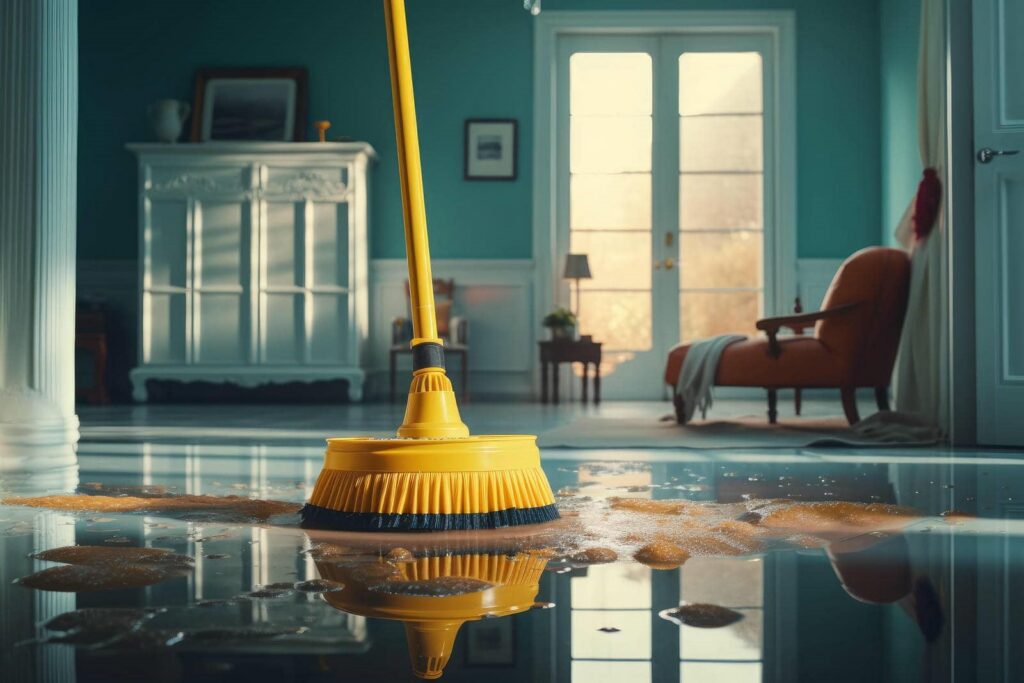
When faced with flood damage, immediate water extraction is essential to protect your property and minimize long-term issues. You might notice signs like pooling water or dampness, which require prompt attention. Understanding the urgency of this situation can save you from costly repairs down the line. Let’s explore the critical steps you need to take and the tools that can make a significant difference in your recovery efforts.
Key Takeaways
- Immediate water extraction is crucial to minimize damage and protect property from long-term issues.
- Look for signs like water pooling, mold growth, and musty odors to prompt urgent action.
- Equip yourself with high-quality pumps, vacuums, and protective gear for effective water removal.
- Document all damage and actions taken for insurance claims and future reference.
- Consult professionals for extensive damage to ensure thorough recovery and safety.
Why Immediate Water Extraction Is Crucial After a Flood
When a flood strikes, immediate water extraction is essential to minimize damage and protect your property. Acting quickly can greatly reduce the risk of extensive water damage, which can lead to costly repairs and long-term issues like mold growth.
Being prepared for floods means understanding the urgency of water removal. You’ll want to make sure you have the right equipment and support in place. Delaying extraction allows water to seep deeper into structures, compromising their integrity.
Signs You Need Immediate Water Extraction
Recognizing the signs that you need immediate water extraction can be crucial in preventing further damage to your property.
If you notice water pooling in your basement or other areas, that’s a clear flood sign.
Mold growth, even small patches, indicates moisture levels are rising, requiring urgent attention.
If you smell mustiness or see discoloration on walls and ceilings, it’s time for immediate action.
Pay attention to your floors; warped or buckling surfaces often signal hidden water damage.
Listening for sounds of dripping or rushing water can also alert you to a leak.
Acting quickly can save your home and belongings, ensuring you’re not facing costly repairs later.
Don’t hesitate—your property deserves swift, decisive care.
Preparing for Water Extraction: What to Know
Before you begin the water extraction process, it’s essential to gather the necessary information and supplies to ensure a smooth operation.
Effective emergency preparedness can make all the difference in minimizing damage. Here’s what you’ll need:
Water Extraction Equipment: Invest in a high-quality pump and wet/dry vacuum for efficient water removal.
Protective Gear: Wear gloves, boots, and masks to protect yourself from contaminants.
Moisture Detection Tools: Use moisture meters to identify hidden damp areas.
Dehumidifiers and Fans: Prepare to dry out the affected space after extraction to prevent mold growth.
The Step-By-Step Process of Emergency Water Extraction
As you begin the emergency water extraction process, understanding each step can greatly reduce damage and expedite recovery.
Start by evaluating the affected area, noting the source of the flooding and safety hazards.
Next, employ effective water extraction techniques, such as submersible pumps or wet vacuums, to remove standing water.
Once the bulk of the water’s gone, focus on drying surfaces with fans and dehumidifiers. It’s essential to address moisture quickly to prevent mold growth.
While you’re working, document everything for insurance purposes.
Finally, consider flood recovery strategies, like consulting professionals if the damage is extensive.
Essential Tools and Equipment for Effective Water Removal
When facing flood damage, having the right tools is vital for effective water removal.
You’ll need pumps and hoses to efficiently extract standing water, while dehumidifiers and fans help dry out residual moisture.
Understanding these essential pieces of equipment can greatly speed up the recovery process and minimize damage.
Pumps and Hoses
Effective water removal during a flood relies heavily on the right pumps and hoses. Choosing the appropriate equipment can make a significant difference in your recovery efforts. Here’s what you’ll need:
Submersible Pumps: Ideal for deep water extraction, these pump types efficiently remove large volumes.
Trash Pumps: Best for debris-laden water, they handle solids without clogging.
Hoses: Select hoses with varying lengths to reach different areas. Longer hoses can help access hard-to-reach spots.
Suction Hoses: These are essential for effective water transfer, ensuring you capture every drop.
Dehumidifiers and Fans
To achieve a thorough recovery after flooding, dehumidifiers and fans are essential for drying out affected areas. Different dehumidifier types, such as refrigerant and desiccant models, cater to various environments—choosing the right one is vital.
Once you’ve set up the dehumidifier, focus on fan placement. Position fans to create a cross-flow of air, directing moisture toward the dehumidifier for maximum efficiency. This combination accelerates drying, prevents mold growth, and minimizes structural damage.
Tips for Effective Water Removal
Although water extraction can feel overwhelming after a flood, following a structured approach can make the process more manageable.
Here are some effective water removal techniques to help you tackle the situation:
Assess the Area: Identify the most affected zones to prioritize your efforts.
Remove Standing Water: Use pumps or wet vacuums for swift removal to minimize damage.
Dry Out the Space: Employ dehumidifiers and fans to accelerate evaporation and prevent mold growth.
Disinfect Surfaces: Clean and disinfect affected areas to ensure flood damage prevention and maintain a safe environment.
Professional Water Extraction Methods
When water damage overwhelms your property, professional water extraction methods can provide the expertise and equipment necessary for thorough recovery.
These specialists utilize advanced extraction techniques to efficiently remove standing water and moisture, preventing further damage.
You’ll appreciate that they prioritize eco-friendly solutions, ensuring your home and the environment are protected during the recovery process.
Top 5 Mistakes to Avoid When Extracting Water
When extracting water after a flood, it’s essential not to overlook safety precautions.
Rushing into the process can lead to serious risks and complications, so don’t hesitate to call in professionals if the situation feels overwhelming.
Avoiding these common mistakes will help ensure a smoother and safer recovery.
Ignoring Safety Precautions
Neglecting safety precautions during water extraction can lead to serious hazards, putting you and others at risk. To protect yourself and your team, always prioritize safety gear and personal protection.
Here are four key safety measures to follow:
Wear Protective Clothing: Use waterproof boots, gloves, and masks to shield against contaminants.
Check for Electrical Hazards: Before entering flooded areas, verify that the power is turned off to prevent electrocution.
Monitor Air Quality: Use a gas detector to identify harmful gases that may be present in stagnant water.
Work in Pairs: Always have a buddy system in place. It’s essential to have someone with you in case of emergencies.
Delaying Professional Assistance
While DIY extraction might seem like a cost-effective solution, it often falls short in addressing underlying issues like mold growth and structural damage.
You might think your flood insurance will cover everything, but delays can complicate claims and reduce coverage.
Professionals have the right equipment and expertise to eliminate water efficiently and safely, minimizing long-term consequences.
Remember, the sooner you act, the better your chances of recovery.
Relying solely on DIY methods prolongs your distress and can jeopardize your home’s integrity and your family’s health.
Don’t hesitate—reach out for help when you need it most.
Mold Remediation: A Key Step After Water Extraction
After water extraction, addressing mold remediation is essential to prevent further damage and health risks.
Mold growth can start within 24-48 hours, so swift action is vital. Here’s how you can effectively tackle mold issues:
Mold Inspection: Assess areas for visible mold and moisture.
Mold Treatment: Use appropriate solutions to kill mold spores.
Mold Removal: Safely remove contaminated materials to prevent spread.
Mold Prevention: Implement strategies like dehumidifiers and proper ventilation to avoid future outbreaks.
Frequently Asked Questions
How Long Does Water Extraction Typically Take?
Water extraction typically takes a few hours to a couple of days, depending on the severity. You’ll benefit from advanced water removal techniques and extraction equipment, ensuring a thorough and efficient process that prioritizes your needs.
Can I Extract Water Myself Without Professional Help?
You can extract water yourself using DIY techniques, but safety precautions are essential. Like sailing a fragile boat in stormy seas, you’ll need to navigate carefully to avoid risks and ensure your home’s safety.
What Are the Costs Associated With Emergency Water Extraction?
Emergency water extraction costs vary based on factors like the extent of damage, extraction methods used, and required equipment. Understanding these cost factors helps you make informed decisions and feel supported during this challenging time.
Will My Insurance Cover Flood Water Extraction Services?
Your flood insurance might cover extraction services, but check your policy for specific coverage limits. Understanding these details ensures you’re prepared, and feeling secure in your choices can make this stressful situation a bit easier.
How Can I Prevent Future Flooding in My Home?
To prevent future flooding, consider installing sump pumps, flood barriers, and effective drainage solutions. Proper landscape grading, waterproofing techniques, and maintaining rain gutters will safeguard your home and provide peace of mind. You’ve got this!
Recap
In the aftermath of a flood, swift action can be your best ally in maneuvering through the murky waters of recovery. By addressing water extraction promptly and effectively, you’re not just salvaging your property—you’re safeguarding your peace of mind. Remember, while the journey may seem intimidating, each step you take brings you closer to restoring your home. Don’t overlook the essential role of professional help and mold remediation to ensure a safe, healthy environment for you and your loved ones.