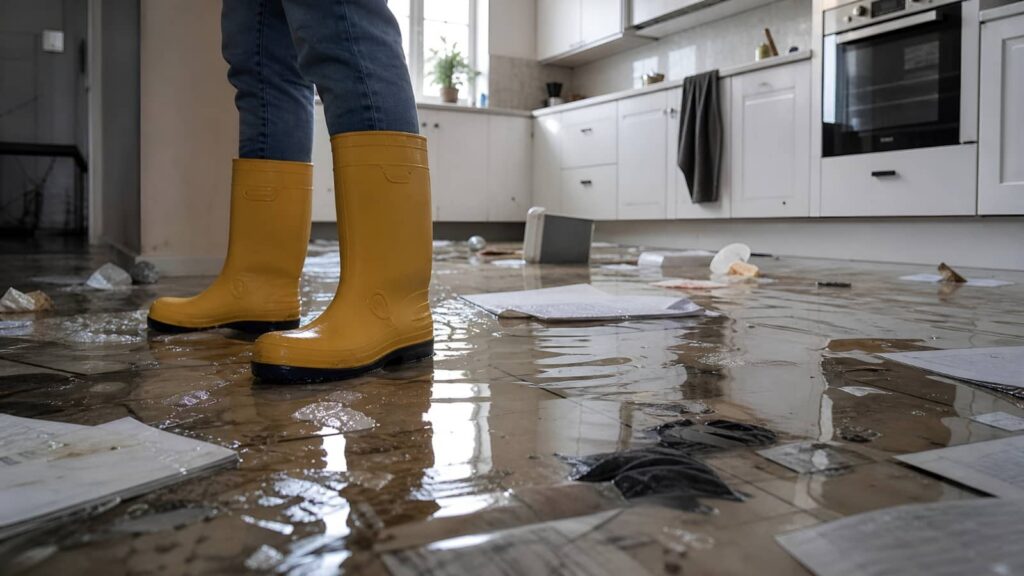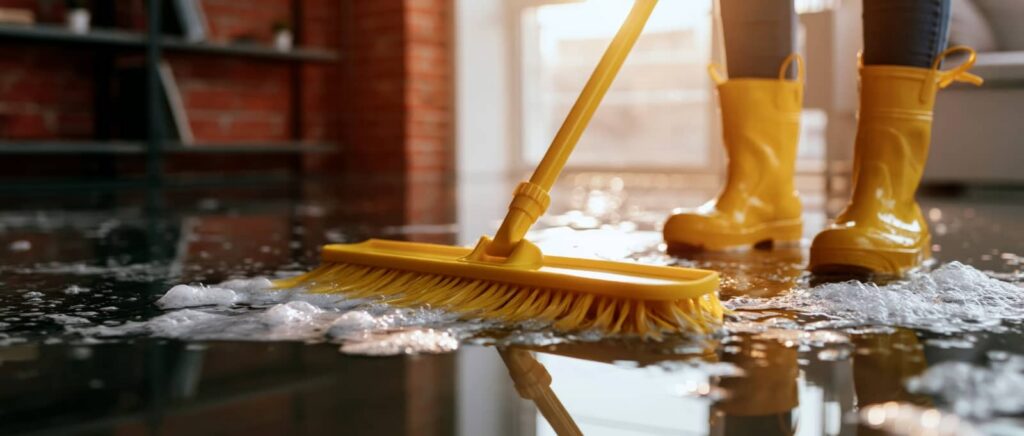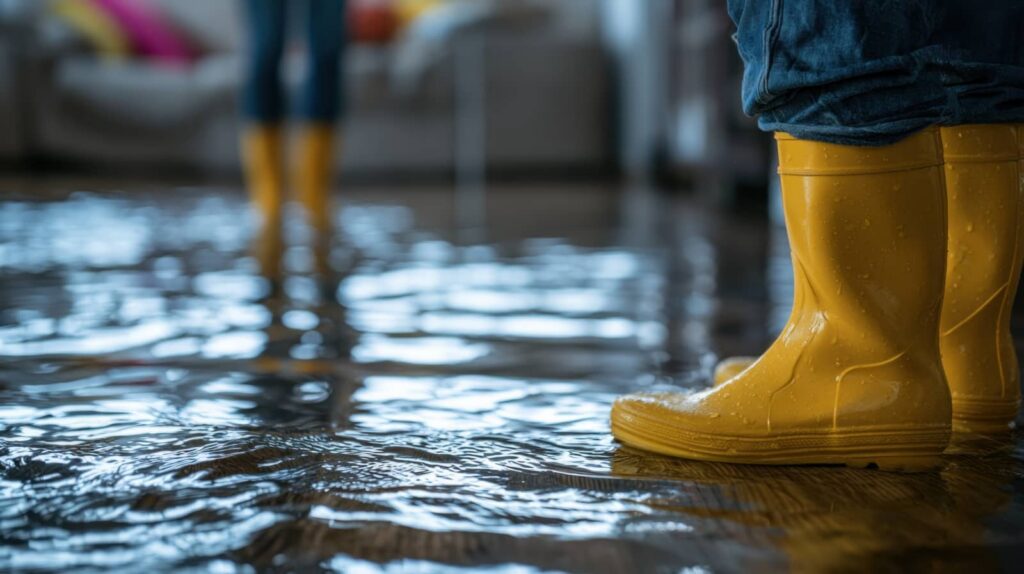
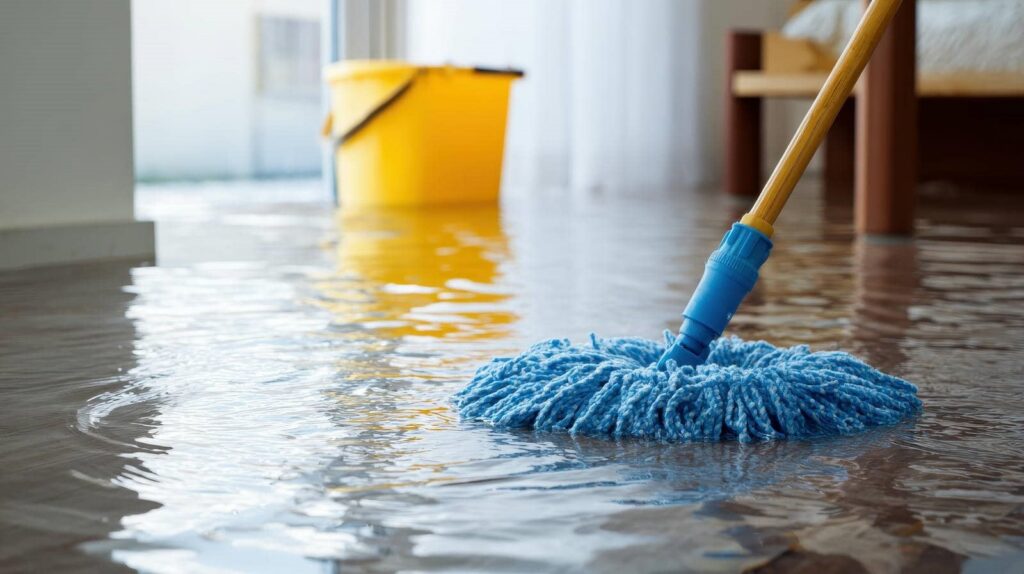
Imagine standing in a room filled with murky water, the weight of the situation pressing down like a thick fog. Timely flood water extraction isn’t just about removing water; it’s about safeguarding your home and health. You need the right tools and techniques to tackle this challenge effectively. But what happens if you overlook key steps in the process? Let’s explore the essential methods that can make all the difference.
Key Takeaways
- Utilize reliable submersible pumps for efficient removal of large volumes of standing water from affected areas.
- Employ wet/dry vacuums for addressing residual moisture on surfaces and in smaller spaces.
- Incorporate dehumidifiers to reduce humidity levels and prevent mold growth after water extraction.
- Ensure proper placement of pumps at the lowest points to maximize water removal efficiency.
- Wear safety gear to protect against hazards during the extraction process.
Why Timely Flood Water Extraction Is Crucial
When floods strike, the importance of timely water extraction can’t be overstated. Every minute counts, as standing water can lead to severe structural damage and mold growth, threatening both safety and well-being.
By implementing effective flood prevention strategies and emergency response planning, you can mitigate these risks. Rapid water removal protects your property and fosters a sense of community resilience.
You’ll find that swift action can prevent health hazards and facilitate quicker recovery for everyone affected. Engaging in timely extraction shows care for your environment and neighbors, reinforcing the bonds that hold communities together.
Assessing Damage: Identifying Areas for Extraction
Evaluating the damage after a flood is essential for effective water extraction and recovery efforts. Start your flood assessment by systematically inspecting each affected area. Look for standing water, saturated materials, and structural integrity.
Identify high-risk zones where extraction will be most critical, like basements or ground floors.
Use a thorough damage evaluation approach to document the extent of water intrusion, noting items that require immediate attention. Your observations will guide you in prioritizing extraction efforts, helping you focus on the most impacted areas first.
Essential Equipment for Effective Water Removal
To effectively remove floodwater, you need the right equipment tailored to the situation.
Pumps and vacuums will help you tackle large volumes, while dehumidifiers and fans are essential for drying out the area.
Don’t forget your safety gear; protecting yourself is just as important as the extraction process.
Pumps and Vacuums
Effective flood water extraction hinges on two critical pieces of equipment: pumps and vacuums. You need reliable pumps to handle large volumes of water quickly, so make sure you’re up to date on pump maintenance to prevent breakdowns during essential moments.
Choose a vacuum that suits your specific needs, whether you’re dealing with standing water or damp surfaces. Look for features like suction power and portability, which can make a significant difference in efficiency.
Remember, selecting the right equipment isn’t just about speed; it’s about protecting your space and belongings from further damage. By understanding these tools, you’re not just tackling a task; you’re actively safeguarding your home and community.
Together, we can navigate through these challenging times.
Dehumidifiers and Fans
When dealing with flood aftermath, having at least two essential tools—dehumidifiers and fans—can make a significant difference in effectively removing moisture.
Dehumidifiers, when used correctly, enhance dehumidifier efficiency by extracting excess humidity from the air, reducing the risk of mold and mildew.
For best results, place your fans strategically to promote air circulation. Position them near damp areas and make certain they’re directed toward walls and corners to maximize airflow.
This combination allows for faster drying and creates a healthier environment. Remember, the sooner you act, the better your chances of preventing long-term damage.
Safety Gear Essentials
While tackling flood water extraction, prioritizing safety gear is essential to protect yourself from potential hazards.
Start with waterproof boots to keep your feet dry and safe from sharp objects. Next, invest in heavy-duty gloves to shield your hands from contaminants and debris.
Protective clothing, like waterproof coveralls, can prevent exposure to harmful substances in the water. Don’t forget safety goggles to guard your eyes from splashes and irritants.
Consider a hard hat if there’s a risk of falling debris. Finally, a reliable face mask can help filter out harmful airborne particles.
Using Submersible Pumps for Cleanup
Submersible pumps play an essential role in efficiently removing floodwater from affected areas, ensuring a quicker recovery process.
By understanding the different submersible pump types and their ideal pump placement, you can effectively manage the cleanup.
Types of Submersible Pumps: Choose between drainage, sewage, or utility pumps based on the flood’s nature.
Ideal Pump Placement: Position your pump at the deepest point of water accumulation for maximum efficiency.
Regular Maintenance: Confirm your pump is in good working condition to prevent breakdown during critical moments.
Using submersible pumps speeds up the extraction process and helps minimize damage to your property.
This allows you to restore your home and sense of normalcy more swiftly.
The Role of Wet/Dry Vacuums in Flood Water Extraction
Although submersible pumps are essential for large-scale floodwater removal, wet/dry vacuums play a significant role in addressing smaller, residual areas that might be overlooked.
These versatile tools excel at extracting water from tight spaces, carpets, and hardwood floors, ensuring no moisture lingers to promote mold growth.
The wet/dry vacuum benefits include portability and ease of use, allowing you to tackle flood remnants effectively.
To maximize their efficiency, regular vacuum maintenance is vital; clean the filters and check hoses for clogs after each use.
By adopting these practices, you enhance your vacuum’s lifespan while ensuring a thorough cleanup.
Best Chemical Solutions for Flood Water Extraction
When tackling flood water extraction, employing the right chemical solutions can greatly enhance your efforts in removing contaminants and ensuring a safe environment.
Understanding various chemical types and their application methods is essential for effective remediation.
Disinfectants: Use to eliminate harmful pathogens.
Surfactants: Help break down grease and oil, making extraction easier.
Odor Neutralizers: Combat unpleasant smells that can linger after flooding.
Choosing the appropriate chemicals for your specific situation can make a significant difference.
Always follow the manufacturer’s guidelines for safe application, and consider the environmental impact of the chemicals you choose.
Step-by-Step Guide to Manual Water Extraction
To effectively tackle manual water extraction after a flood, you’ll want to follow a structured approach that ensures safety and thoroughness.
Start by evaluating the area for hazards like debris or electrical risks. Once it’s safe, gather necessary tools: buckets, mops, and towels for efficient water removal.
Use manual techniques like scooping and mopping to tackle standing water. Work in sections, ensuring you’re not overwhelmed.
After initial removal, ventilate the space to aid drying; open windows and use fans if possible.
Dispose of contaminated materials responsibly to prevent health risks.
How to Stay Safe During Flood Water Extraction
Staying safe during flood water extraction is vital, especially since hidden dangers can lurk beneath the surface.
Prioritizing flood safety protects you and those around you. Here are some essential extraction precautions to keep in mind:
- Wear appropriate personal protective equipment (PPE) like boots and gloves.
- Be aware of electrical hazards; confirm power sources are shut off before beginning.
- Avoid wading through floodwaters to prevent potential contaminants and debris.
What to Do After Extraction to Prevent Mold
After extracting floodwater, it’s crucial to act quickly to minimize the risk of mold growth, as even a small amount of moisture can lead to significant issues.
Start with a thorough post extraction inspection of affected areas. Check for dampness in walls, floors, and hidden spaces.
Use fans and dehumidifiers to dry out the environment effectively; aim for a relative humidity below 60%.
Implement mold prevention strategies such as applying antifungal solutions to susceptible surfaces.
Seal any leaks in walls or foundations to prevent future moisture intrusion.
Regularly monitor the space for signs of mold, as early detection can save you from more extensive damage.
Taking these steps fosters a safer, healthier environment for everyone involved.
When to Call in Professional Flood Cleanup Services?
Knowing when to call in professional flood cleanup services can make all the difference in protecting your property and health. If you’re unsure, consider these key points:
A thorough flood damage assessment reveals hidden dangers.
Professional cleanup benefits include advanced equipment and expertise.
Delays in addressing water damage can lead to mold growth and structural issues.
If you notice extensive water damage, or if you’ve attempted cleanup but it’s overwhelming, don’t hesitate to reach out for help.
Professionals can efficiently assess the situation, ensuring no area is overlooked. They bring specialized knowledge that speeds up the process and minimizes long-term effects.
Frequently Asked Questions
How Can I Assess My Home’s Risk for Future Flooding?
To assess your home’s flooding risk, check its flood zone designation, review local flood maps, and conduct a risk assessment. Understanding these factors helps you make informed decisions to protect your home and loved ones.
What Insurance Coverage Is Best for Flood Damage?
When disaster strikes, you’ll want flood insurance options that truly protect you. Look for policies with extensive coverage limits, ensuring your home’s value is safeguarded. It’s essential for peace of mind in uncertain times.
How Long Does Flood Water Extraction Typically Take?
Flood water extraction typically takes 2 to 5 days, depending on the severity. Using advanced water removal methods and extraction equipment speeds up the process, ensuring your space is safe and dry as quickly as possible.
Can I Use My Regular Vacuum for Water Extraction?
You can’t use your regular vacuum for water extraction; it isn’t designed for that purpose. Instead, invest in a wet/dry vacuum, specifically made for handling water, ensuring efficient and safe extraction during flooding situations.
What Are the Health Risks Associated With Flood Water?
Flood water’s a treacherous sea, teeming with bacterial contamination and toxic sludge. You risk exposure to waterborne diseases and mold growth, which can harm your health and well-being. Stay cautious; your safety matters.
Conclusion
In the aftermath of flooding, you might think quick extraction alone is enough, but it’s not just about removing water—it’s about preventing future damage. Timely extraction paired with proper techniques can save your property from mold and structural issues. By understanding the essential equipment and safety measures, you’re not just reacting; you’re proactively safeguarding your home. So, when disaster strikes, remember: effective flood water extraction is a vital step in preserving your space and peace of mind.