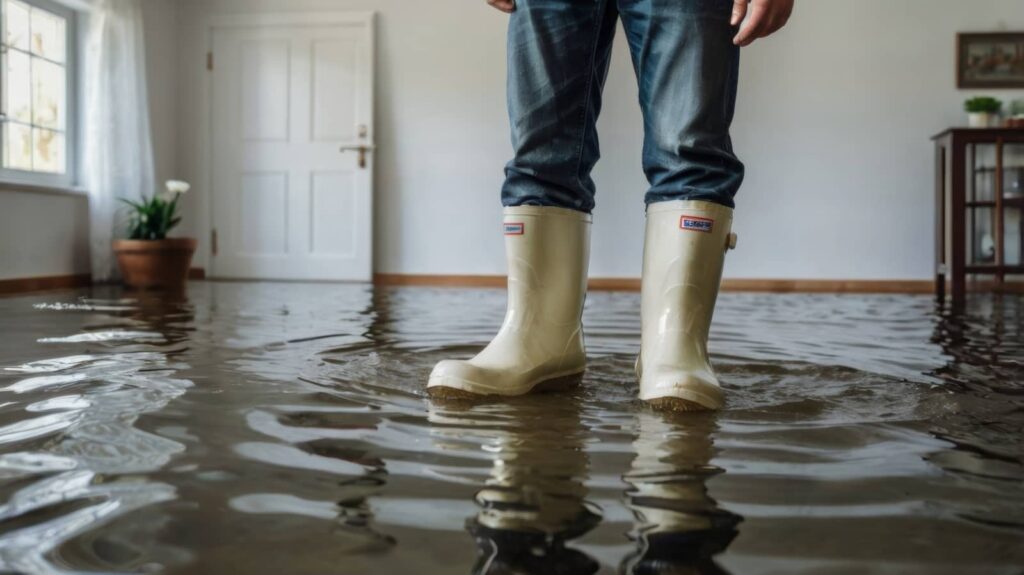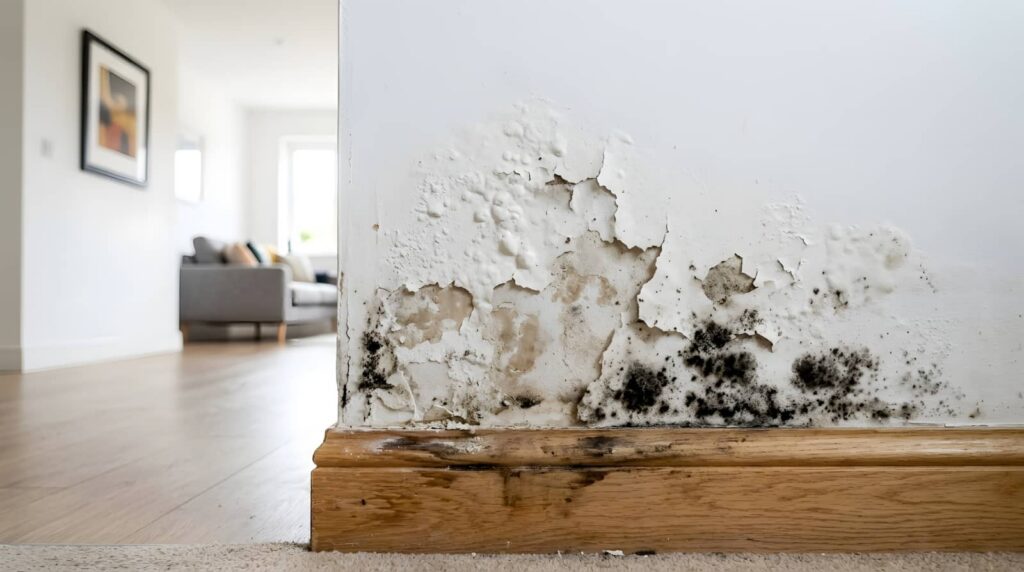
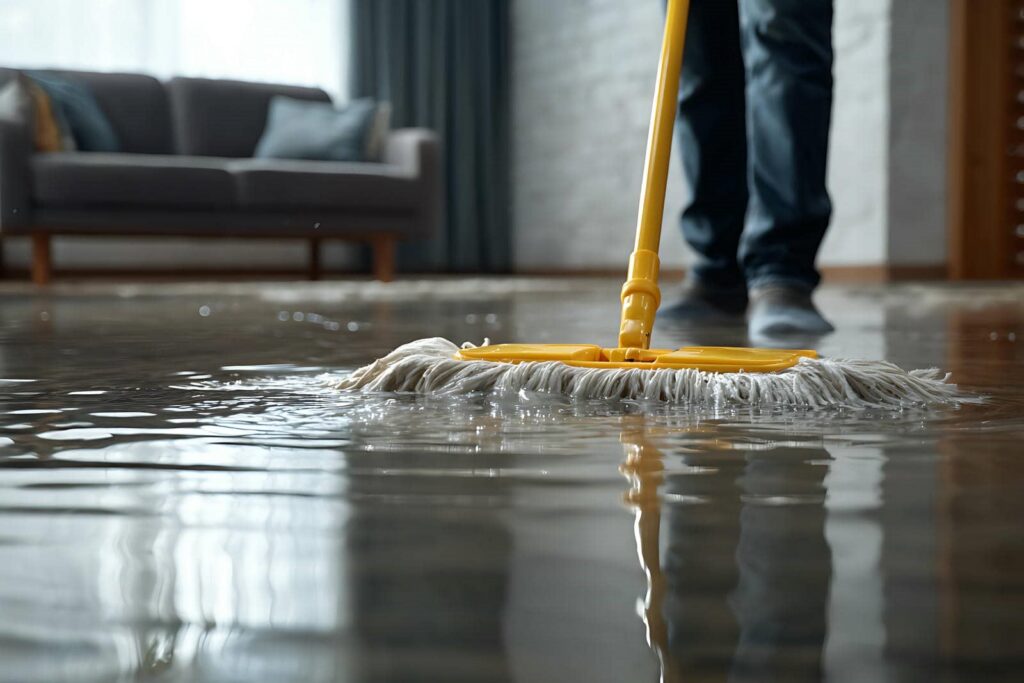
You might think water extraction is a simple task, but effective techniques are crucial for minimizing damage during a flood emergency. Quick action can prevent mold growth and structural issues. Various methods exist, each suited for different scenarios, from powerful pumps to manual tools. Understanding these options can make a significant difference in your response. Let’s explore the essential techniques and equipment that can streamline the extraction process and safeguard your space.
Key Takeaways
- Quick water extraction is crucial to minimize damage and prevent mold growth during flood emergencies.
- Utilize submersible, centrifugal, and diaphragm pumps for efficient water removal based on the situation.
- Manual extraction can involve buckets and siphon hoses, but always assess water depth first.
- Prioritize safety by wearing protective gear and turning off power to avoid electrical hazards.
- Signs like prolonged water presence or structural damage indicate the need for professional assistance.
Why Quick Water Extraction Is Essential: Key Benefits
When floodwaters rise, quick water extraction isn’t just important; it’s essential for minimizing damage. You need to act swiftly to protect your property and belongings.
Rapid water removal reduces the risk of severe water damage, which can lead to costly repairs and mold growth. By prioritizing emergency preparedness, you empower yourself to respond effectively during a crisis.
Ensuring access to proper equipment and trained professionals can make all the difference in restoring your space. Additionally, quick action protects physical assets and fosters a sense of community, as neighbors often come together in these challenging times.
Staying informed and prepared can help you navigate the chaos and safeguard what matters most.
Common Water Extraction Techniques Used in Flood Emergencies
In flood emergencies, effective water extraction is essential for minimizing damage.
You’ll typically rely on pumping systems and vacuum extraction methods to remove excess water quickly.
Understanding these techniques can enhance your response strategy and ensure a more efficient recovery.
Pumping Systems Overview
There are several effective pumping systems designed to extract water during flood emergencies, each tailored to specific conditions and requirements. You’ll find various pump types, including submersible, centrifugal, and diaphragm pumps.
Submersible pumps are ideal for deep water extraction, while centrifugal pumps excel in moving large volumes quickly. Diaphragm pumps are often used for handling debris-laden water. Understanding these pumping techniques is vital for efficient water removal.
When choosing a system, consider factors like water depth, flow rate, and the presence of solids. By selecting the appropriate pump, you ensure a more effective response to flooding, helping your community recover faster and more efficiently.
Your choice of equipment can make a significant difference in emergency situations.
Vacuum Extraction Methods
Building on the understanding of pumping systems, vacuum extraction methods offer another effective solution for water removal during flood emergencies.
These techniques leverage suction efficiency to quickly remove water from affected areas. Portable vacuums, designed for ease of transport, are particularly useful in tight spaces or locations with limited access.
By creating a vacuum, these systems pull water out efficiently, minimizing damage and helping restore normalcy faster.
When selecting a vacuum, consider factors like water volume and the area’s layout to maximize effectiveness.
Whether you’re part of a community response team or a homeowner, knowing how to utilize these methods can make a significant difference during critical times.
What Equipment Do You Need for Effective Water Extraction?
Effective water extraction during flood emergencies requires a range of specialized equipment to ensure swift and thorough recovery.
First, invest in high-capacity pumps to maximize extraction efficiency. These pumps remove large volumes of water quickly, improving the overall recovery process.
Next, use industrial-grade wet/dry vacuums for smaller areas; they make certain you capture residual water that pumps might miss, maintaining water quality.
Additionally, consider water filtration systems to address contaminants during extraction. Portable generators can power your equipment in areas without electricity.
Finally, don’t overlook personal protective gear, as safety is vital when dealing with flood situations.
With the right tools, you’ll enhance your water extraction efforts and contribute to a quicker return to normalcy for affected communities.
Manual Water Extraction: A Step-by-Step Guide
When you’re faced with a flood, manual water extraction can be vital.
You’ll need specific tools and a clear process to follow, along with essential safety precautions.
Let’s break down what you need and how to do it effectively.
Essential Tools Needed
To successfully tackle manual water extraction during flood emergencies, having the right tools at your disposal is vital.
Start with a sturdy submersible pump, as it efficiently removes large volumes of water. A wet/dry vacuum is important for smaller areas, allowing you to extract residual moisture.
Don’t forget buckets for manual removal; they’re invaluable for quick, hands-on efforts. Additionally, a siphon hose can help drain water from hard-to-reach spots.
Protective gear, like gloves and boots, ensures your safety while working in hazardous conditions.
Finally, a reliable flashlight and extension cords are necessary for visibility in dark, flooded environments.
With this vital equipment, you’re better equipped to handle water extraction effectively and efficiently.
Step-by-Step Process
With the right tools ready, you can begin the manual water extraction process. First, assess the affected area and determine the water depth.
Use a bucket or a siphon to remove standing water, starting from the lowest points for maximum extraction efficiency. As you work, monitor the water quality; if it appears contaminated, take precautions to prevent exposure.
After removing the bulk of the water, use towels or mops to soak up residual moisture. For improved extraction efficiency, consider using a wet/dry vacuum if available.
Once the area is clear, ventilate to promote drying and reduce mold growth. Completing these steps helps ensure a safer environment post-flood, fostering a sense of community resilience.
Safety Precautions To Follow
Although manual water extraction is crucial in flood emergencies, adhering to safety precautions is essential to protect yourself and others.
First, wear appropriate safety gear, including gloves, boots, and masks to shield against contaminants. Make sure you’re aware of your surroundings and any potential hazards, such as unstable structures or electrical risks.
Follow established emergency protocols to ensure a coordinated response; communicate clearly with your team to avoid accidents.
Before starting, assess the water’s depth and potential for hidden dangers. If you encounter any hazardous materials, stop work immediately and report it.
Choosing the Right Pump for Water Removal
When faced with flood emergencies, selecting the right pump can considerably impact the speed and efficiency of water removal.
You’ll encounter various pump types, such as submersible, diaphragm, and centrifugal pumps, each suited for different situations.
Consider the pump capacity; it’s essential to match the pump’s output to the volume of water you need to remove.
For small areas, a submersible pump may work best, while larger floods might require a high-capacity centrifugal pump.
Always check the pump’s specifications to ensure it meets your needs.
How Dehumidifiers Aid in Drying After Water Extraction
After selecting the right pump for efficient water removal, the next step is addressing moisture levels left in the aftermath of flooding.
Dehumidifiers play an essential role in this process by enhancing dehumidifier efficiency. By drawing excess moisture from the air, they help prevent mold growth and structural damage.
When choosing a dehumidifier, consider its capacity to ensure effective moisture control. Position it strategically in the most affected areas for ideal results.
Additionally, running fans alongside the unit can improve airflow, further speeding up the drying process.
Remember, a well-maintained dehumidifier can greatly reduce humidity levels, aiding in a safer, healthier environment as you recover from the flood’s impact.
Your proactive approach makes all the difference.
Stay Safe While Extracting Water
As you begin extracting water, prioritizing safety is vital to avoid injury and further damage.
Start by evaluating the environment; be aware of electrical hazards and slip risks. Wear protective gear, including gloves, boots, and a mask, to ensure your personal safety. If possible, turn off the power supply before you start.
Keep a first aid kit handy and let someone know your location and plans. Familiarize yourself with emergency preparedness protocols, as this knowledge can make a significant difference during a flood situation.
Stay hydrated and take breaks to avoid fatigue. Remember, your safety is a priority—don’t hesitate to call for help if the situation becomes overwhelming or unsafe.
When to Hire Professional Water Extraction Services
How can you determine if it’s time to call in the professionals for water extraction? It’s important to assess the situation carefully. Here are four key indicators that suggest you need expert help:
Extent of Water Damage: If water levels are significant and widespread, a professional assessment is essential.
Structural Concerns: If you notice warping or cracks in walls and floors, immediate action is necessary for damage evaluation.
Mold Risk: If water remains for more than 24 hours, the risk of mold increases, making professional extraction crucial.
Electrical Safety: If there’s any risk of electrical hazards, don’t hesitate to call professionals to ensure safety.
Trusting experts in these situations can save you time, money, and give you peace of mind.
Frequently Asked Questions
How Can I Prevent Mold Growth After Water Extraction?
To prevent mold growth after water extraction, use effective ventilation methods and maintain moisture control. Ensure air circulates by opening windows and using fans, while monitoring humidity levels to keep them below 60%.
What Personal Protective Equipment Should I Wear?
You should wear safety gear, including gloves, boots, and masks. Protective clothing like coveralls keeps you safe from contaminants while working. Always prioritize your health and well-being in these challenging situations—it’s essential for everyone involved.
Are There Insurance Considerations During Water Extraction?
Yes, you should check your insurance coverage during water extraction. Understand the claim process to ensure you’re properly compensated for damages. Document everything, and communicate with your insurer to maximize your benefits and support.
How Long Does It Take for a Space to Dry Completely?
It typically takes 3 to 7 days for a space to dry completely, depending on drying factors like airflow and humidity levels. Lower humidity speeds up drying, so monitor conditions closely for ideal results.
Can I Use a Regular Vacuum for Water Extraction?
No, you can’t use a regular vacuum for water extraction. Water vacuum alternatives possess stronger suction power, ensuring efficient removal. Regular models risk damage, while specialized ones handle wet messes like pros, keeping your space safe.
Recap
In the chaos of a flood, you might think water extraction is just about getting wet and wild with a bucket. Ironically, it’s the precise techniques and equipment that save the day. So, whether you’re wielding high-powered pumps or the trusty old siphon, remember: swift action prevents mold and costly damage. Stay prepared, stay safe, and embrace the irony that the best way to fight water is with the right tools at hand.