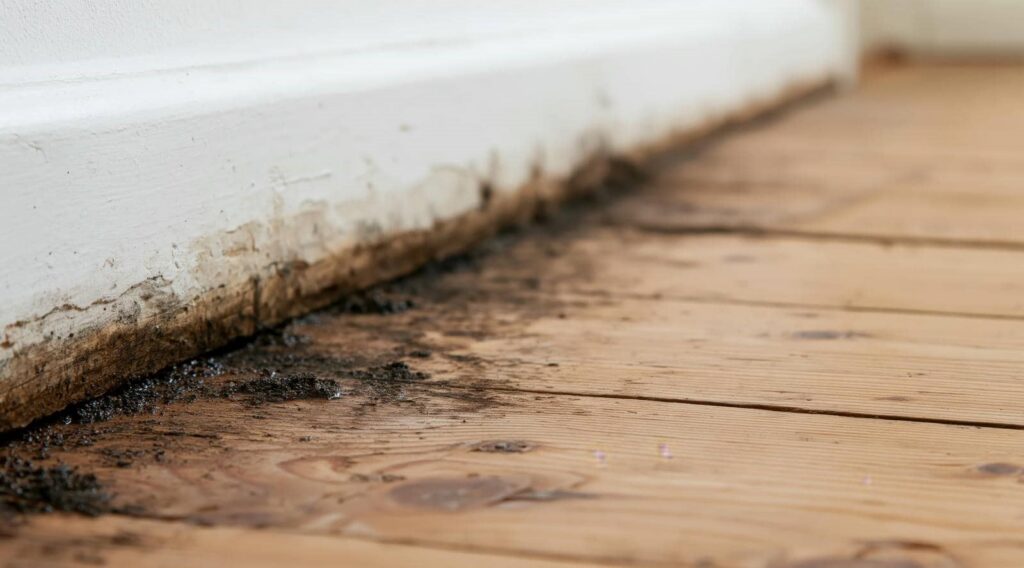
Water damage can feel like a silent thief, stealthily compromising your home’s integrity. Water Removal and Mold Repair are essential to preventing long-term structural damage and protecting your indoor environment. If left unchecked, excess moisture can lead to mold growth and serious health risks. Understanding the essential steps for effective water removal and remediation is vital. You need to assess the damage quickly, employ the right tools, and take preventive measures. What specific techniques can you implement to safeguard your home against future issues?
Key Takeaways
- Quickly assess water damage severity and gather essential equipment like vacuums and dehumidifiers for effective removal.
- Identify and eliminate moisture sources to prevent mold growth, focusing on areas like basements and bathrooms.
- Use PPE and containment measures during mold remediation to ensure safety and prevent spore spread.
- Employ HEPA vacuums and disinfectants to clean affected surfaces thoroughly, ensuring areas are completely dried.
- Maintain low indoor humidity and fix leaks promptly to prevent future mold issues and water damage.
Why Water Damage Is a Serious Concern: Risks and Consequences
When water damage occurs, it’s not just an inconvenience; it poses serious risks that can escalate quickly if left untreated. You mightn’t realize it, but the health hazards from mold growth can affect your family’s well-being.
Additionally, the financial implications can be staggering, especially if structural damage compromises your home’s integrity. Delaying action could lead to costly repairs and decreased property value.
Filing insurance claims can further complicate matters, as not all policies cover water damage thoroughly. The long-term effects of neglecting water damage could haunt you, from persistent mold issues to ongoing structural concerns.
Recognizing these risks is essential for maintaining a safe and financially secure living environment. Don’t let water damage become a silent threat.
Essential Steps for Immediate Water Removal
When water damage occurs, you need to act fast to minimize its impact.
Start by evaluating the damage quickly to understand the extent of the problem, then gather the necessary equipment for effective removal.
Prompt water extraction is essential to prevent further issues, including mold growth.
Assess The Damage Quickly
To effectively mitigate water damage, you must assess the situation quickly and thoroughly. Start with a damage assessment to identify the severity and scope of the problem.
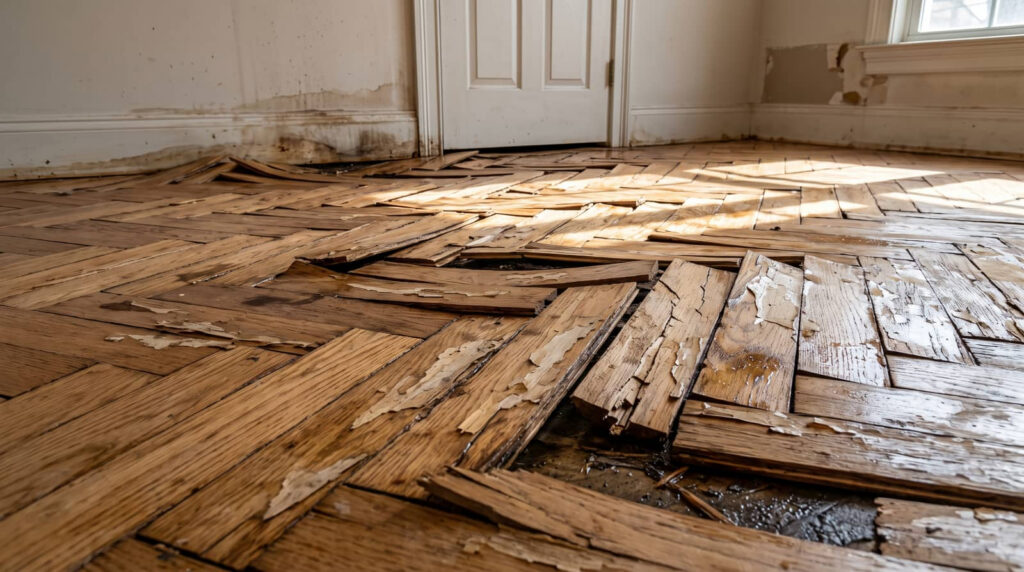
Walk through the affected area, checking for visible water, dampness, and any structural issues. A quick evaluation of walls, floors, and furnishings will help you determine what’s salvageable and what needs to be replaced.
Don’t forget to inspect hidden areas, such as behind appliances and under flooring, as damage can lurk where it’s least expected. Document your findings, as this information will guide your next steps and make sure you’re prepared for any necessary repairs.
Acting swiftly can greatly reduce long-term issues like mold growth.
Gather Necessary Equipment
After evaluating the damage, gathering the right equipment is vital for immediate water removal.
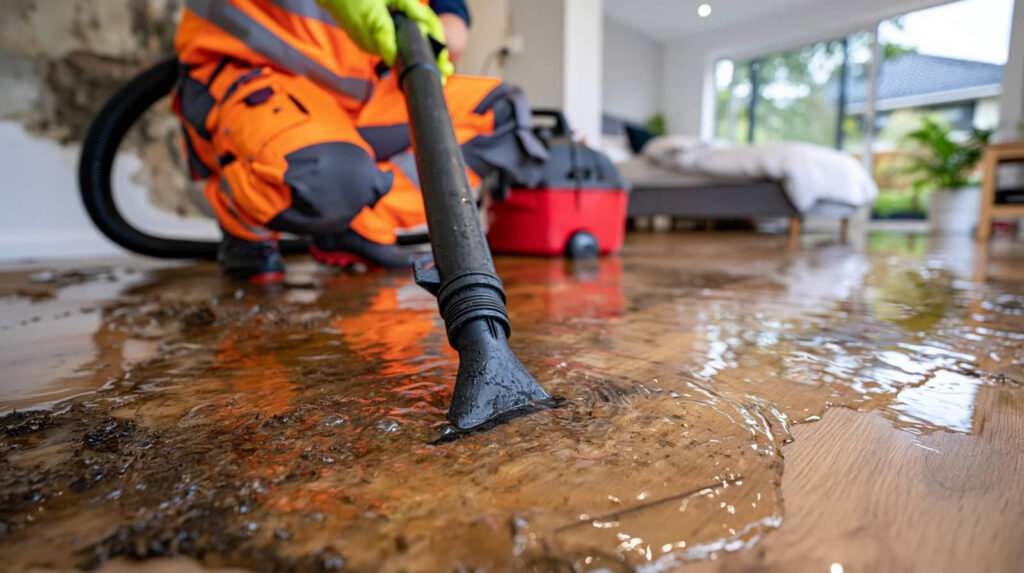
You’ll need a high-capacity wet/dry vacuum for effective water extraction, as it can handle large volumes swiftly. Make sure you have sturdy buckets for collecting excess water and towels for quick absorption.
A dehumidifier is essential for drying out the area, which helps in mold prevention. Additionally, wear protective gear like gloves and masks to safeguard yourself against contaminants.
If you have access, consider using a moisture meter to check humidity levels. By assembling these tools beforehand, you’re positioning yourself for a more efficient response, minimizing the risk of mold growth and making your space safe again.
Start Water Extraction Promptly
Starting water extraction promptly is essential, as delays can exacerbate damage and increase the risk of mold growth.
Your initial response can greatly influence the outcome. Here are key steps to take immediately:
- Shut off power to avoid electrical hazards.
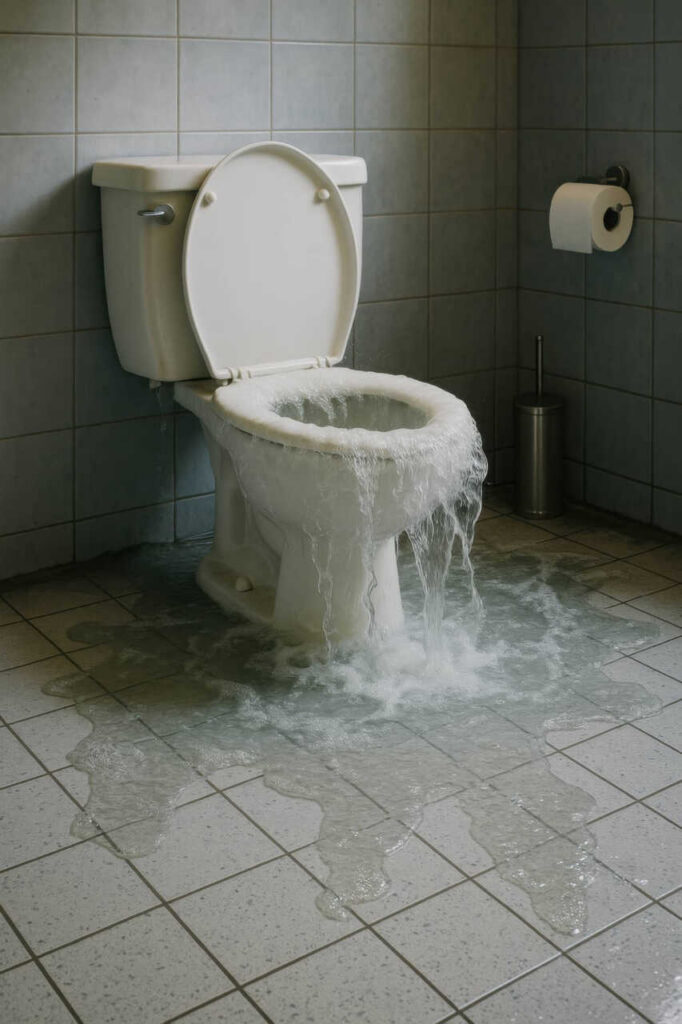
- Identify and contain the source of water to prevent further flooding.
- Use pumps or wet vacuums to remove standing water efficiently.
- Set up dehumidifiers and fans to dry out the area thoroughly.
Step-by-Step Mold Remediation Techniques for Homeowners
To effectively manage mold issues in your home, you first need to identify the sources of moisture that encourage growth.
Next, prepare the remediation area to ensure safety and containment before you start cleaning.
Finally, you’ll clean and disinfect surfaces thoroughly to eliminate mold spores and prevent future infestations.
Identify Mold Sources
Identifying mold sources is essential for effective remediation and prevention in your home. By pinpointing where mold thrives, you can address the underlying issues and protect your living space.
Here are key areas to investigate:
- Basements and crawl spaces: Often damp and prone to mold types like black mold.
- Bathrooms: High humidity levels create moisture sources that foster growth.
- Leaky roofs or pipes: Water intrusion provides ideal conditions for various mold types.
- Poor ventilation: Stagnant air in attics and kitchens traps moisture, encouraging mold proliferation.
Prepare Remediation Area
Before diving into mold remediation, it’s essential to prepare the area effectively to secure safety and maximize results.
Start by wearing appropriate personal protective equipment (PPE), such as gloves and masks, to ensure your remediation safety.
Next, seal off the affected area using containment measures like plastic sheeting to prevent spores from spreading to other parts of your home.
Ensure proper ventilation by opening windows and using fans to direct airflow outside.
Remove any furniture or belongings from the space, safeguarding them from contamination.
Finally, consider turning off your HVAC system to avoid further circulation of mold spores.
Clean and Disinfect Surfaces
Once you’ve prepared the remediation area, it’s crucial to clean and disinfect surfaces thoroughly to eliminate mold and prevent its return.
Effective surface cleaning ensures you tackle hidden spores and residues. Here’s how to approach this step:
- Use a HEPA vacuum to remove loose mold particles.
- Apply a suitable disinfectant specifically designed for mold remediation.
- Scrub surfaces with a brush to ensure deep cleaning, especially in porous materials.
- Allow disinfectant to sit for the recommended time before rinsing or wiping away.
Best Tools for Water Damage Cleanup
When tackling water damage cleanup, having the right tools at your disposal can greatly streamline the process and enhance effectiveness.
Water pumps are essential for quickly removing standing water, preventing further damage. Choose a submersible pump for larger areas or a utility pump for smaller spaces.
Next, moisture meters are invaluable for accurately evaluating dampness in walls and floors. They help you identify hidden moisture pockets, ensuring thorough drying.
Additionally, consider investing in a high-capacity dehumidifier to reduce humidity levels and prevent mold growth.
By equipping yourself with these tools, you’ll speed up the cleanup and create a safer environment for you and your loved ones.
Effective cleanup is a team effort, and you’re on the right path.
Preventing Future Water Damage: Essential Tips
After addressing immediate water damage with the right tools, it’s crucial to focus on prevention to avoid future issues.
Implementing effective strategies now will save you headaches later. Consider these essential tips:
- Install proper drainage solutions to redirect water away from your home.
- Monitor indoor humidity levels regularly and use dehumidifiers when necessary.
- Inspect and maintain gutters to ensure they’re free of debris and functioning correctly.
- Seal any cracks in walls and foundations to prevent water intrusion.
When to Call Professionals for Water and Mold Problems?
Determining the right moment to call in professionals for water and mold issues can be challenging. If you’ve recently experienced significant water damage or notice persistent musty odors, it’s time to act.
A thorough water assessment is vital; professionals can identify hidden moisture that you might overlook. Furthermore, if mold growth exceeds ten square feet or if it’s in hard-to-reach areas, a mold inspection becomes necessary.
Health risks escalate with prolonged exposure, especially for vulnerable individuals. Don’t hesitate to reach out; experts have the necessary tools and knowledge to handle these problems safely and effectively.
Frequently Asked Questions
How Can I Identify Hidden Water Damage in My Home?
To identify hidden water damage, check for hidden leaks by inspecting walls and ceilings for discoloration or peeling paint. Use moisture detection tools to measure dampness in areas that seem suspicious, ensuring your home stays safe.
What Insurance Coverage Is Available for Water and Mold Damage?
Most homeowners’ insurance policies cover some water damage claims. You’ll need flood insurance for floods, but be aware of mold exclusions; many policies don’t cover mold damage unless it results from a covered event.
Can I Use Bleach to Kill Mold Effectively?
You can’t rely on bleach to kill mold effectively; it often leads to mold misconceptions. Instead, consider bleach alternatives like vinegar or hydrogen peroxide, which can penetrate porous materials and offer better, long-lasting results.
How Long Does Mold Remediation Typically Take?
Mold remediation typically takes one to five days, much like tending a garden. You’ll see quicker results with effective remediation techniques, but patience is key to fully combatting mold growth and restoring your space.
Are There Any DIY Solutions for Minor Mold Issues?
Yes, you can tackle minor mold issues with DIY solutions. Use vinegar or baking soda for cleaning, and remember mold prevention tips like reducing humidity and ensuring proper ventilation to maintain a healthy home environment.
Recap
Addressing water damage swiftly is vital to preventing mold and health hazards. For instance, consider a homeowner who ignored a small leak. Within weeks, mold spread, requiring expensive remediation and posing health risks to the family. By acting quickly, using the right tools, and following preventive measures, you can protect your home and loved ones. Remember, timely intervention saves money and ensures a safe and healthy living environment.