
Many homeowners underestimate how quickly mold can develop after flooding, often within 24 to 48 hours. Ignoring this issue can lead to significant structural damage and serious health risks. You might think a quick clean-up is enough, but effective mold remediation goes beyond surface cleaning. Understanding the proper techniques can make all the difference in safeguarding your home and health. So, what exactly makes these techniques so essential?
Key Takeaways
Effective mold remediation techniques prevent structural damage and health risks by addressing mold growth within 24-48 hours after flooding.
Professional assessments identify mold sources and hidden problem areas, ensuring thorough removal and prevention of future outbreaks.
Utilizing specialized equipment and eco-friendly cleaning solutions enhances the efficiency of mold removal while safeguarding occupants’ health.
Maintaining humidity levels below 60% and ensuring proper ventilation are critical steps in preventing mold regrowth after flooding.
Prompt action and systematic approaches during remediation create a healthier environment, reducing the risk of allergies and respiratory issues.
Why You Must Address Mold After Flooding
When flooding occurs, it’s essential to address mold promptly because even small amounts of moisture can lead to extensive growth.
Mold awareness is vital for maintaining a safe living environment. If you don’t act quickly, you risk structural damage and potential health issues for you and your loved ones.
Implementing effective prevention strategies, like drying out affected areas within 24-48 hours, helps minimize mold risks. Make sure your home is well-ventilated and use dehumidifiers in damp areas.
Regularly inspecting hidden spots, such as behind walls or under carpets, can catch mold before it spreads.
Signs of Mold Developing in Your Home
Mold can develop quickly in your home, often without you noticing until it’s too late. Being aware of mold indicators is vital for early detection.
Here are some signs you should look out for:
- Visible Spots: Dark or fuzzy patches on walls, ceilings, or floors.
- Musty Odor: A persistent, earthy smell that lingers in certain areas.
- Increased Moisture: Dampness in the air or condensation on windows.
- Health Symptoms: Unexplained allergies or respiratory issues in your household.
Detecting moisture is important, as it creates the perfect environment for mold growth.
Health Risks of Mold After Flooding
After experiencing flooding, the risk of mold growth escalates considerably, posing serious health threats.
Mold spores can quickly spread in damp environments, leading to various health impacts. Breathing in these spores may trigger allergies, asthma, or respiratory infections, particularly in vulnerable populations like children and the elderly.
You might also notice symptoms like sneezing, coughing, or skin irritation, which can disrupt your daily life. Long-term exposure can result in more severe conditions, including chronic respiratory issues.
Understanding these risks is vital for your health and well-being. By addressing mold promptly, you protect yourself and create a safer environment for everyone around you.
Prioritizing mold remediation is essential for safeguarding your home and health.
Why You Should Hire Professionals for Mold Remediation?
When tackling mold issues, hiring professionals ensures you benefit from their expertise in mold removal.
They utilize advanced equipment designed to effectively eradicate mold while adhering to strict safety protocols.
This protects your home and minimizes health risks associated with mold exposure.
Expertise In Mold Removal
Hiring professionals for mold remediation offers a level of expertise that can greatly reduce health risks and property damage. Their knowledge of mold identification techniques ensures that hidden infestations are detected, while their experience helps implement effective preventative measures.
Consider these key benefits of hiring experts:
Thorough assessment: Professionals can pinpoint problem areas you might overlook.
Safety protocols: They follow strict guidelines to protect your health during removal.
Effective solutions: Experts use proven methods to eliminate mold effectively.
Long-term results: Their preventative measures can help avoid future outbreaks.
Advanced Equipment Utilization
While tackling mold issues on your own might seem tempting, the advanced equipment used by professionals is essential for effective remediation.
With specialized mold detection tools, experts can identify hidden spores that you might miss. They employ advanced drying techniques and moisture control systems to eliminate the environment conducive to mold growth.
Additionally, efficient air filtration systems remove airborne contaminants, ensuring healthier indoor air quality. Professionals also utilize state-of-the-art surface treatment methods to treat affected areas thoroughly.
Safety Protocols Followed
Five key safety protocols underscore the importance of hiring professionals for mold remediation.
These experts bring advanced equipment and essential safety training to ensure your well-being during the process. They adhere to strict emergency protocols, minimizing risks associated with mold exposure.
Personal Protective Equipment (PPE): Professionals use gear like respirators and gloves to protect themselves and you.
Containment Measures: They establish barriers to prevent mold spores from spreading to unaffected areas.
Proper Disposal: Trained teams know how to handle and dispose of contaminated materials safely.
Air Quality Monitoring: Experts continuously assess air quality to ensure a safe environment throughout the remediation process.
Choosing professionals means prioritizing safety and effective mold removal for your home.
Proven Methods for Safe Mold Removal
Removing mold effectively requires a strategic approach to ensure safety and thoroughness.
First, conduct mold testing to identify the type and extent of the infestation. This step is vital for determining the appropriate remediation methods.
Next, implement containment strategies to prevent the spread of mold spores during removal. Seal off affected areas using plastic sheeting and create negative pressure by using fans.
Once contained, use specialized cleaning agents or natural solutions to treat the mold. Remember to wear protective gear, including masks and gloves, to secure your safety.
Finally, monitor the area for any signs of regrowth, as ongoing vigilance is essential in maintaining a mold-free environment.
Taking these steps fosters a sense of community care and responsibility.
Key Tools for Mold Remediation
When tackling mold remediation, having the right tools is essential for effective and safe results.
You’ll need important safety gear to protect yourself, effective cleaning solutions to eliminate mold, and drying equipment to prevent future growth.
Each of these components plays a key role in ensuring a successful remediation process.
Essential Safety Gear
In mold remediation, having the right safety gear is essential to protecting yourself from harmful spores and toxins. Without proper equipment, you risk exposure to health hazards.
Here’s what you need to ensure safety during the process:
Protective clothing: Wear long-sleeved shirts and pants to minimize skin exposure.
Respirator masks: Select masks rated for mold to filter out airborne particles effectively.
Eye protection: Use safety goggles to shield your eyes from irritants.
Boot covers and gloves: Confirm you choose durable gloves and wear boot covers to maintain personal hygiene and prevent tracking spores.
Being aware of these hazards and using the right gear helps create a safer environment for you and those around you.
Effective Cleaning Solutions
By opting for green cleaning and eco-friendly solutions, you safeguard your health and contribute to a sustainable environment.
Consider using chemical alternatives like natural disinfectants, which effectively eliminate mold without harmful side effects.
Surface treatments are vital; focus on areas prone to moisture control to prevent future outbreaks.
For odor removal, products with natural ingredients can neutralize unpleasant smells while supporting a healthier indoor atmosphere.
Incorporate maintenance tips into your routine to keep mold at bay.
Drying Equipment Importance
Although mold removal is essential, the role of drying equipment often goes overlooked in the remediation process. Effective moisture control is crucial in preventing mold regrowth.
Understanding various drying methods and equipment types can greatly impact your restoration techniques.
Dehumidifier usage: Reduces humidity levels, speeding up the drying timeline.
Industrial fans: Enhance airflow management, promoting quicker evaporation.
Moisture meters: Help monitor moisture levels, ensuring thorough drying.
Heat sources: Aid in accelerating the drying process in cooler environments.
Preventing Mold Growth After Flooding
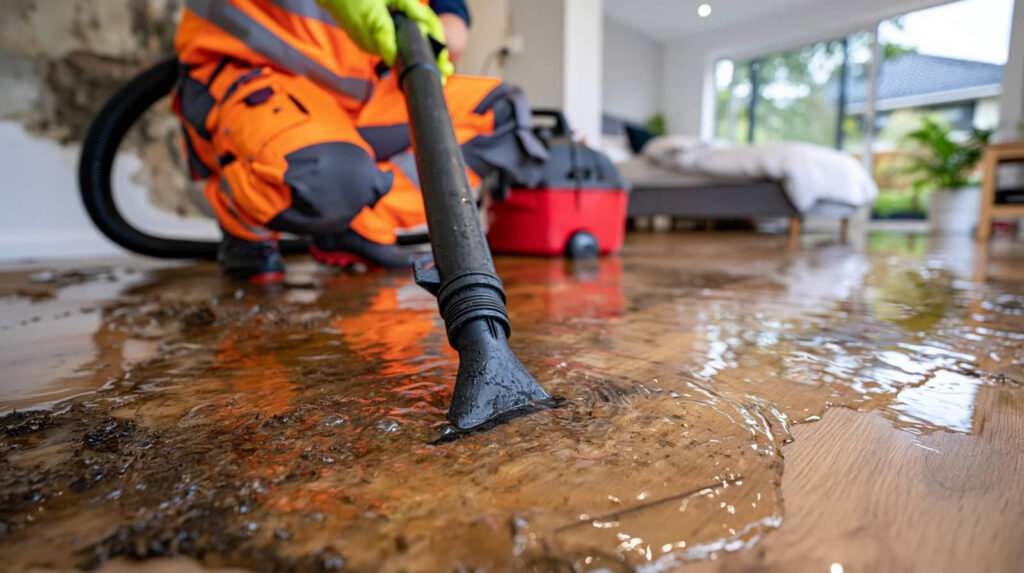
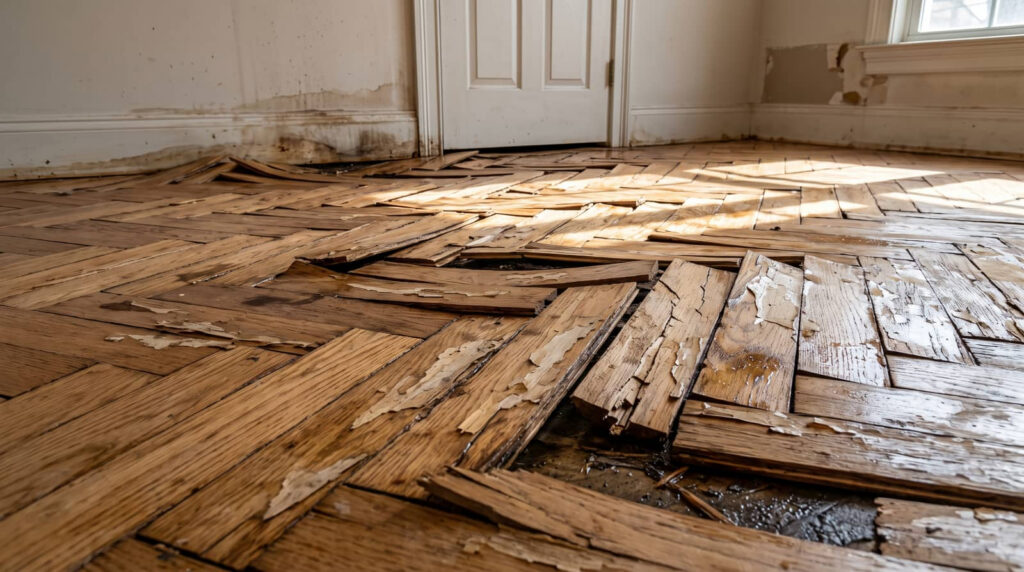
When floodwaters recede, the risk of mold growth escalates dramatically if immediate action isn’t taken. To prevent mold, focus on effective preventive measures and moisture control.
First, thoroughly dry affected areas within 24 to 48 hours. Use fans and dehumidifiers to reduce humidity levels, ensuring they remain below 60%. Remove soaked materials like carpets and drywall, as they can trap moisture.
Clean surfaces with a mixture of water and detergent to eliminate potential spores. Seal any cracks or gaps to prevent further water intrusion. Regularly inspect your home for leaks or damp spots, and maintain proper ventilation.
How Professionals Handle Mold Remediation?
Professionals tackle mold remediation with a systematic approach that prioritizes safety and efficiency. They focus on mold detection and moisture control to ensure your space is properly restored. Here’s how they do it:
Initial Assessment: They conduct thorough inspections to identify mold sources and affected areas.
Containment: Professionals seal off contaminated spaces to prevent spores from spreading.
Removal Process: They use specialized equipment and techniques to safely remove mold, ensuring it’s disposed of correctly.
Prevention Measures: After remediation, they implement moisture control strategies to prevent future growth.
This methodical process addresses current mold issues and helps create a healthier environment for you and your loved ones.
Your well-being is their priority.
Frequently Asked Questions
How Quickly Should I Start Mold Remediation After Flooding?
You should start mold remediation within 24 to 48 hours after flooding. Quickly evaluating flood damage and implementing mold prevention strategies can greatly reduce health risks and property loss, ensuring a safer environment for everyone involved.
Can I Use Household Cleaners for Mold Removal?
You can use household cleaners for minor mold removal, but they often fall short against stubborn mold spores. For effective results, consider specialized products or professional help to ensure thorough remediation and lasting safety.
What Types of Mold Are Most Common After Flooding?
After flooding, you’ll commonly encounter black mold, along with other mold types like Aspergillus and Penicillium. These thrive in water-damaged areas, exacerbating flooding effects and posing health risks if not properly addressed.
Is Mold Removal Covered by Home Insurance?
Mold removal’s often covered by home insurance, but check your mold insurance policies for specific coverage limits. Knowing what’s included helps you feel secure, ensuring you’re prepared for unexpected challenges after flooding.
How Can I Tell if Mold Is Gone Completely?
To tell if mold’s gone, use mold detection methods like air sampling and visual inspection tips. Check for moisture, discoloration, or musty odors. Trust your instincts; if something seems off, investigate further.
Summary
In the aftermath of flooding, ignoring mold isn’t just a lapse in judgment; it’s a gamble with your health and home. By addressing mold swiftly and effectively, you safeguard both your property and well-being. The investment in professional remediation techniques pays off, ensuring a safe living environment free from the dangers of mold. After all, when it comes to your health, can you really afford to take chances? Prioritize mold remediation and protect what matters most.