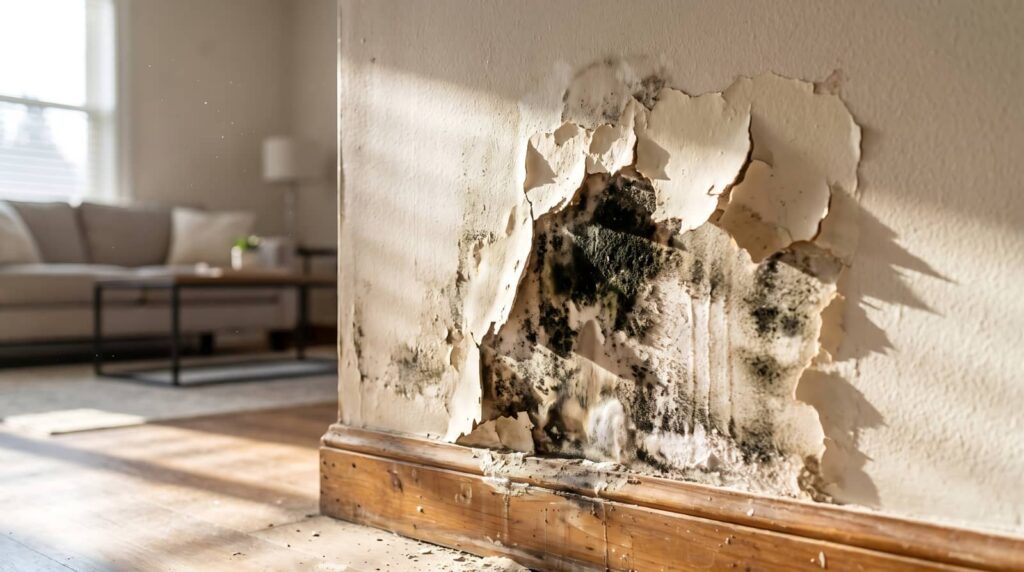
Identifying mold, understanding its risks, and addressing it promptly are vital for maintaining a safe home environment. Mold can thrive in hidden areas, posing serious health hazards if left untreated. You need to recognize the signs of mold growth and the importance of professional mold remediation. As you explore the essential steps in the remediation process, you’ll discover how to effectively choose a qualified service and guarantee your home remains mold-free for the long term.
Key Takeaways
- Identify Mold Types: Recognize common mold species like Stachybotrys and Aspergillus to understand potential health risks associated with exposure.
- Professional Assessment: Engage experts for thorough mold inspections to determine the extent of contamination and necessary remediation measures.
- Effective Remediation Process: Follow a structured approach including containment, cleanup, and final inspection to ensure thorough mold removal and safety.
- Utilize Specialized Tools: Implement advanced equipment like vacuums and moisture meters to accurately detect and eliminate mold spores during remediation.
- Prevent Future Growth: Maintain humidity levels below 50% and use mold-resistant materials to minimize the risk of future mold infestations.
Signs of Mold Growth After Water Damage
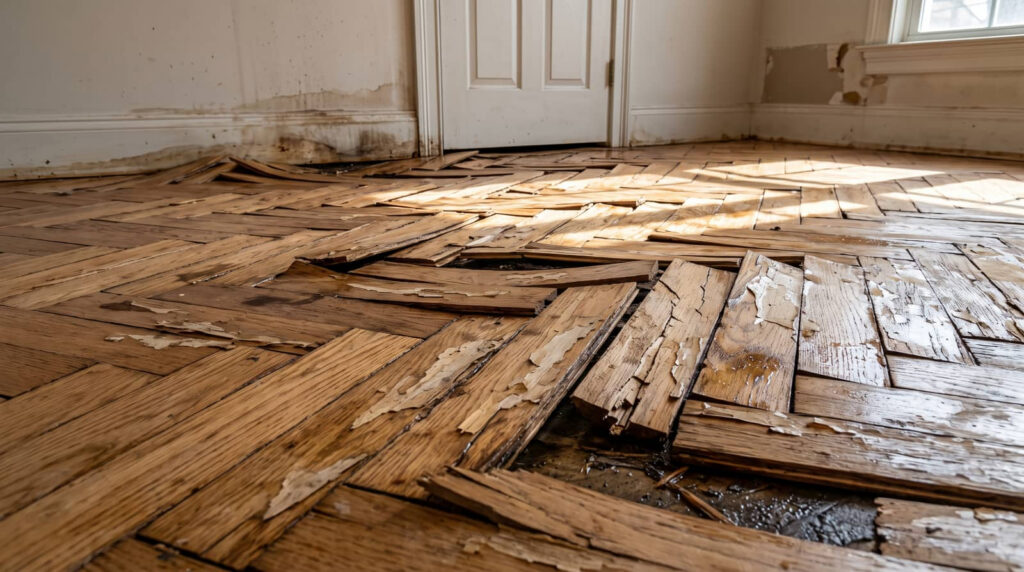
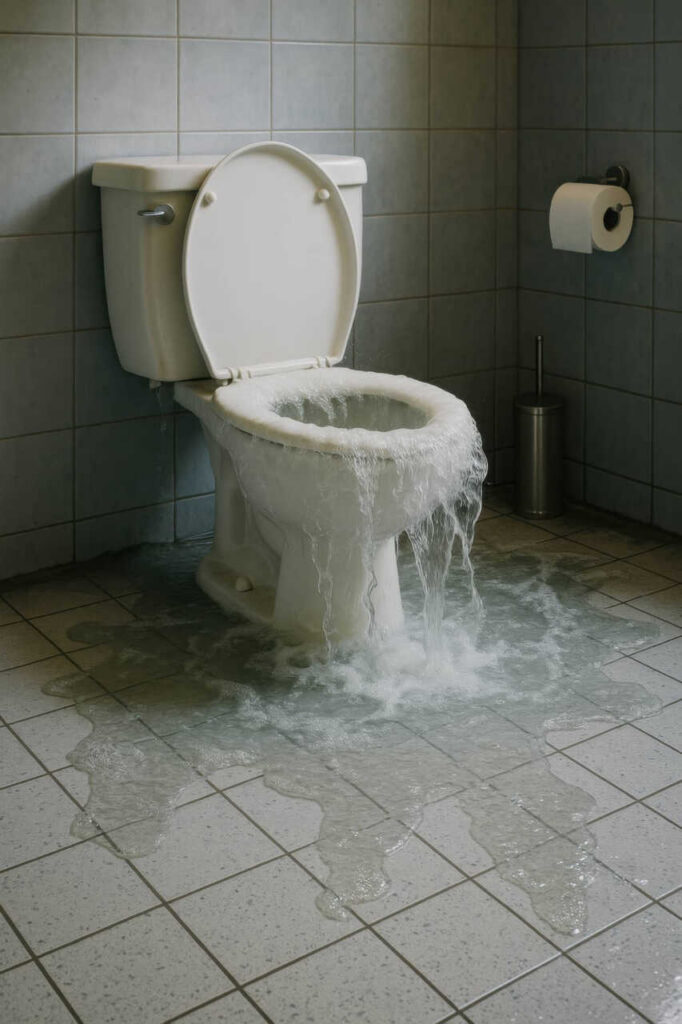
When water damage occurs, it’s essential to act quickly, as mold can begin to grow within 24 to 48 hours.
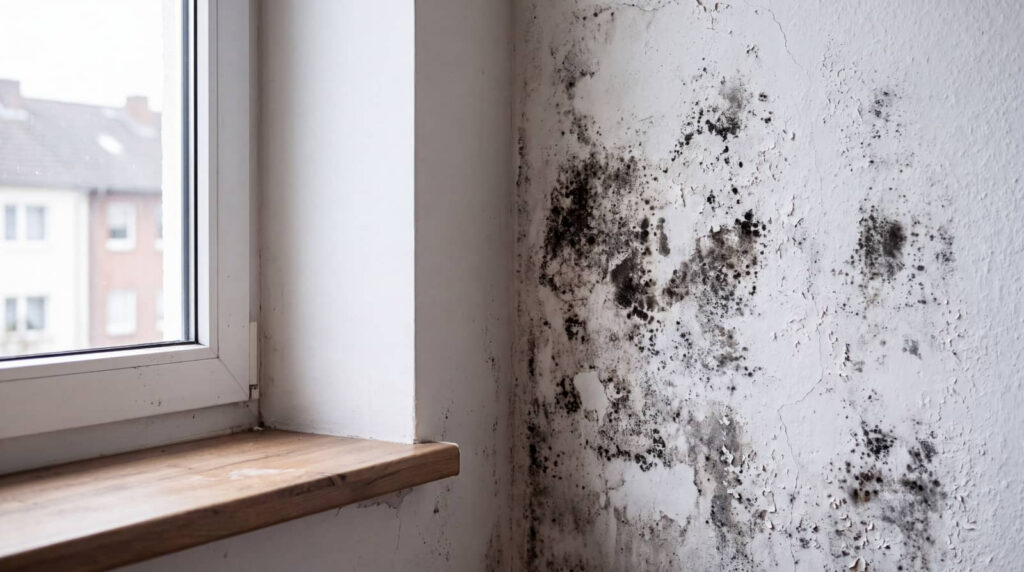
You’ll want to be vigilant for key signs of mold growth, such as a musty odor, visible discoloration, or water stains on walls and ceilings.
Different mold types can thrive in damp environments, including black mold, which is particularly hazardous.
To prevent mold from taking hold, implement effective prevention strategies like maintaining low humidity levels, ensuring proper ventilation, and promptly addressing any leaks.
Regularly inspect areas prone to moisture, such as basements and bathrooms, to catch issues early.
What You Need to Know About Mold
Mold is a pervasive organism that can pose serious health risks and structural damage if left unchecked. Understanding mold types and colors is vital for effective remediation. Here are three key points you need to know:
- Mold Types: Common varieties include Stachybotrys (black mold), Aspergillus (green or yellow mold), and Penicillium (blue or green mold). Each type can impact health differently.
- Mold Colors: The color of mold can indicate its species and potential risks. Black and green molds are often more toxic, while white and yellow molds are generally less harmful.
- Growth Conditions: Mold thrives in damp, warm environments. Identifying and controlling moisture sources is essential to prevent growth.
Stay informed and proactive to protect your home and health.
Why Professional Mold Remediation Is Essential for Safety
When you encounter mold, it’s essential to understand the health risks it poses, including respiratory issues and allergic reactions.
Additionally, unchecked mold growth can compromise your property’s structural integrity, leading to costly repairs.
Professional mold remediation guarantees safe removal and mitigates these risks effectively.
Health Risks Involved
Although many homeowners underestimate the dangers, exposure to mold can lead to significant health risks. Understanding these risks underscores why professional mold remediation is essential for safety:
- Mold Allergies: You might experience sneezing, runny nose, or itchy eyes due to mold allergies, aggravating your immune response.
- Respiratory Issues: Prolonged exposure can trigger asthma or worsen existing respiratory problems, impacting your daily life.
- Skin Irritation: Direct contact with mold can cause rashes or irritation, leading to discomfort and potential long-term effects.
Additionally, toxic exposure to mold can adversely affect your mental health and increase stress levels.
Ignoring these risks not only jeopardizes your well-being but can also lead to property damage, making swift remediation vital.
Structural Integrity Concerns
Ignoring mold growth can compromise the structural integrity of your home, leading to costly repairs and safety hazards.
Mold can weaken wood, drywall, and other essential materials, jeopardizing your home’s structural stability. A thorough mold assessment is critical to identify hidden infestations and prevent further damage.
When mold penetrates structural elements, it can lead to rot and decay, which not only affects aesthetics but also the safety of your living environment.
Professional mold remediation addresses these issues effectively, ensuring that affected areas are properly treated and restored.
By acting swiftly, you can protect your investment and maintain a safe, healthy home for you and your family.
Don’t underestimate the importance of professional intervention in safeguarding your property.
Steps in the Mold Remediation Process
In the mold remediation process, you’ll start with an initial assessment and inspection to identify the extent of the problem.
Next, containment and safety measures are implemented to prevent further spread of mold spores.
Finally, a thorough cleanup and final inspection guarantee that your environment is safe and free from mold.
Initial Assessment and Inspection
A thorough initial assessment and inspection are essential steps in the mold remediation process. By effectively utilizing visual inspection techniques, you can identify mold growth and potential contamination areas. Here’s how to conduct your assessment:
- Conduct Visual Inspections: Examine walls, ceilings, and hidden spaces for discoloration, musty odors, or visible mold.
- Identify Moisture Sources: Look for leaks, condensation, or high humidity areas that could be feeding mold growth.
- Evaluate Affected Materials: Determine the extent of damage to materials like drywall, insulation, or carpets to prioritize remediation efforts.
This focused approach not only sets the stage for effective remediation but also guarantees you address underlying issues, fostering a healthier environment for everyone involved.
Containment and Safety Measures
To effectively manage mold remediation, implementing containment and safety measures is essential. Start by establishing containment barriers, such as plastic sheeting, to isolate the contaminated area. This prevents mold spores from spreading to unaffected spaces.
Use negative air pressure machines to maintain airflow and filter out airborne particles.
Next, adhere to strict safety protocols. Equip yourself and your team with personal protective equipment (PPE), including masks, gloves, and goggles, to minimize exposure.
Guarantee proper ventilation during the remediation process to reduce inhalation risks.
Regularly monitor the air quality within and outside the containment area, adjusting your methods as necessary.
Cleanup and Final Inspection
After establishing a secure environment, the cleanup phase begins, focusing on removing all visible mold and contaminated materials.
You’ll want to utilize effective mold removal techniques to guarantee thoroughness. Here’s a concise checklist to guide you through:
- Remove contaminated materials: Dispose of any porous items, like drywall or carpeting, that can’t be cleaned effectively.
- Clean surfaces: Use appropriate cleaning agents to scrub non-porous surfaces, ensuring no mold spores remain.
- Conduct post remediation verification: After cleanup, perform inspections or tests to confirm the mold has been eradicated and the area is safe for reoccupation.
Following these steps won’t only enhance safety but also help restore your space to a healthy condition, fostering a sense of belonging once again.
How to Choose the Right Mold Remediation Company
How can you guarantee that you select the right mold remediation company for your needs? Start by verifying their mold remediation qualifications. Confirm they’ve the necessary certifications and training, which demonstrate their expertise in the field.
Next, research the company reputation. Read reviews and testimonials from past clients to gauge their reliability and effectiveness. A reputable company will be transparent about their processes and provide detailed estimates.
Don’t hesitate to ask for references; a trustworthy company will gladly share them.
Finally, assess their customer service. You want a team that communicates clearly and prioritizes your concerns.
Tools and Techniques for Effective Mold Removal
Selecting the right mold remediation company sets the stage for effective mold removal, but understanding the tools and techniques they employ is equally important.
Familiarizing yourself with various mold removal methods and remediation equipment can empower you in the process. Here are three essential tools used in effective mold removal:
- HEPA Vacuums: These specialized vacuums capture tiny mold spores, ensuring thorough cleanup.
- Moisture Meters: They help identify hidden moisture sources, vital for preventing regrowth.
- Personal Protective Equipment (PPE): Gear like masks and gloves protects you and technicians from exposure during the remediation process.
Preventing Future Mold Growth in Your Property
To effectively prevent future mold growth in your property, it’s crucial to control moisture levels and enhance ventilation throughout your space.
Start by using mold-resistant materials in areas prone to dampness, like bathrooms and kitchens. These materials can notably reduce the likelihood of mold colonization.
Implement humidity control measures, keeping indoor humidity below 50% by using dehumidifiers and exhaust fans. Regularly inspect and maintain your plumbing to prevent leaks, and verify your roof and gutters are in good condition to avoid water intrusion.
Additionally, consider installing proper ventilation systems to allow fresh air circulation.
What Happens During a Mold Inspection?
When you schedule a mold inspection, a trained professional will begin by evaluating your property to identify potential problem areas.
They’ll use advanced mold identification techniques and specialized inspection equipment to assess the environment thoroughly.
Here’s what you can expect during the process:
- Visual Inspection: The inspector will check for visible mold growth and moisture sources in areas like basements, attics, and behind walls.
- Moisture Assessment: Using tools like moisture meters, they’ll measure humidity levels and locate damp spots that encourage mold growth.
- Air Quality Testing: Sample air quality to detect mold spores and identify specific types of mold present.
This all-encompassing approach guarantees that all potential mold issues are identified effectively, helping you maintain a healthy living space.
Costs of Professional Mold Remediation Services
After identifying mold issues through a thorough inspection, understanding the costs associated with professional mold remediation services becomes vital.
The average costs for these services can range from $500 to $6,000, depending on several service factors. These factors include the extent of mold growth, the areas affected, and the type of remediation techniques used.
For instance, smaller jobs in confined areas generally cost less, while extensive infestations requiring removal of drywall or insulation can escalate costs considerably.
It’s important to obtain detailed quotes from different professionals to guarantee you’re making an informed decision.
Investing in quality remediation not only addresses the current mold issue but also helps protect your home and health in the long run.
Frequently Asked Questions
How Long Does the Mold Remediation Process Typically Take?
Mold remediation typically takes 1 to 5 days, depending on mold growth factors and the remediation techniques used. You’ll want to assess the situation thoroughly to guarantee effective and lasting results for your environment.
Can I Stay in My Home During Remediation?
Sure, you can stay, but it’s like hosting a party in a hazardous waste zone. For your safety, consider temporary housing if the remediation team deems it necessary. Prioritize safety over comfort during this process.
What Health Risks Are Associated With Mold Exposure?
Mold exposure can cause respiratory issues, allergic reactions, and other health problems. Being aware of mold types helps you identify symptoms early, allowing you to protect your health and guarantee a safe living environment.
Do I Need to Replace My Belongings After Remediation?
You don’t always need to replace belongings after remediation. A thorough mold damage assessment helps determine personal item preservation options. Items may be cleaned or treated, depending on the extent of contamination and material integrity.
Is Mold Remediation Covered by Homeowners Insurance?
Surprisingly, mold remediation often isn’t covered by homeowners insurance, despite your best efforts to maintain your property. Always review your insurance policies for mold coverage specifics, as many exclude damage from mold and moisture.
Summary
Addressing mold issues promptly can save you from costly repairs and health risks. By employing professional mold remediation services, you guarantee a thorough and safe removal process. Why risk your family’s health by delaying action? Remember, understanding the signs, choosing the right team, and implementing preventive measures are essential for maintaining a mold-free environment. Don’t wait until it’s too late take proactive steps today to protect your home and loved ones from mold hazards.