After Hurricane Harvey, many homeowners faced severe mold issues just days after floodwaters receded. If you find yourself in a similar situation, it’s essential to act quickly. Mold can start growing within 24 to 48 hours in damp environments, posing health risks. You’ll need to know the immediate steps to take and the right tools to use. Understanding these elements can make a significant difference in your mold remediation efforts.
Key Takeaways
- Mold can grow within 24 to 48 hours after flooding, making prompt action essential for prevention.
- Thoroughly dry affected areas and remove contaminated materials to limit mold proliferation.
- Use protective gear and mold-specific cleaners during the remediation process to ensure safety.
- Maintain humidity levels below 60% with dehumidifiers and ventilation to prevent future mold growth.
- Regularly inspect for moisture issues, leaks, and signs of water damage to address problems early.
Understanding the Risks of Mold Growth After Flooding
When your home experiences flooding, understanding the risks of mold growth becomes crucial. Mold biology reveals that spores thrive in damp environments, often within 24 to 48 hours post-flooding.
If you don’t address moisture promptly, you’re likely to face significant mold proliferation, which can lead to various health effects. Common symptoms include respiratory issues, allergic reactions, and skin irritation.
Vulnerable groups, like children and the elderly, are particularly at risk. Recognizing these dangers is essential for keeping your loved ones safe.
Immediate Actions to Take for Mold Prevention
After flooding, you need to act quickly to prevent mold growth.
Start by evaluating water damage immediately, then dry affected areas thoroughly.
If materials are contaminated, remove them safely to minimize health risks.
Assess Water Damage Quickly
To effectively prevent mold growth, you must assess water damage swiftly and thoroughly.
Start by determining the water level in affected areas, as this will guide your damage assessment efforts. Identify how far the water has penetrated and which materials have been compromised.
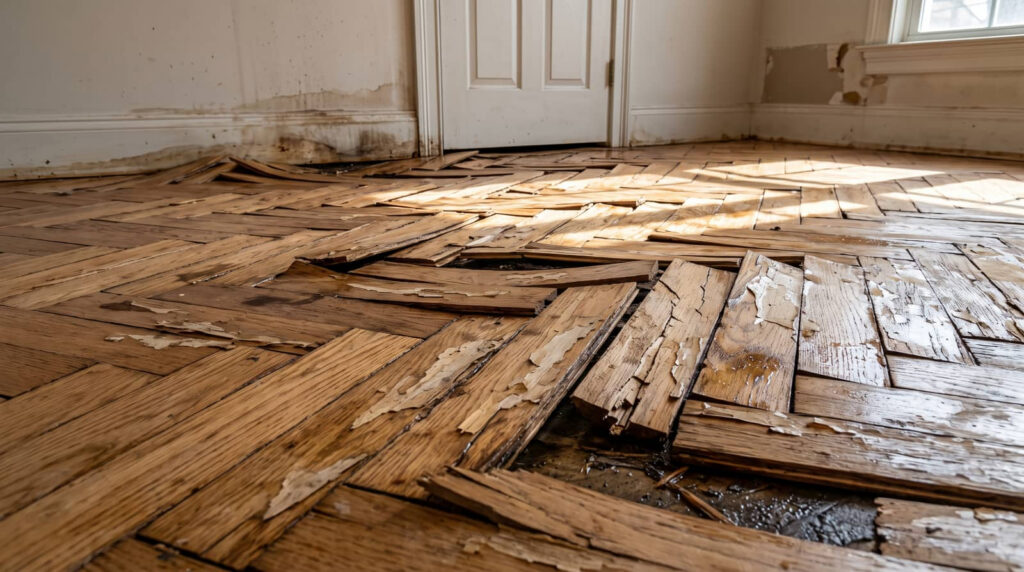
Check for visible signs of damage, such as discoloration or warping, and pay attention to hidden spaces like behind walls and under flooring. Document your findings to support any necessary remediation efforts.
Remember, the sooner you assess the extent of the damage, the better your chances are of preventing mold growth.
You’re not alone in this process; a proactive approach fosters a sense of community and resilience among those affected.
Dry Affected Areas Promptly
Although water damage is a critical concern, drying affected areas promptly is vital for preventing mold growth.
Start by using a dehumidifier to reduce humidity levels effectively. Set it to a low setting, especially in enclosed spaces, to expedite the drying process.
Monitor moisture levels regularly with a moisture meter to ensure they remain below 60%. Open windows and use fans to enhance air circulation.
Remove soaked materials like carpets and furniture, as they can harbor moisture and promote mold development.
Remember, the sooner you act, the better your chances of preventing mold infestations.
Remove Contaminated Materials Safely
Once you’ve dried the affected areas, addressing contaminated materials is the next crucial step in preventing mold growth.
Start by identifying hazardous materials, such as wet drywall, carpeting, and insulation, which can harbor mold. Carefully remove these items, making sure you wear protective gear like gloves and masks to minimize exposure.
Follow local disposal procedures for hazardous waste to ensure safe disposal. Seal contaminated materials in plastic bags before transporting them outside.
It’s essential to avoid spreading spores during this process, so work methodically and don’t rush. By effectively removing contaminated materials, you greatly reduce the risk of mold returning and protect both your health and your environment.
Stay vigilant and thorough to foster a mold-free space for everyone.
Gather Essential Tools for Mold Remediation
Before you plunge into mold remediation, it’s essential to gather the right tools to ensure an effective cleanup. Start with essential cleaning supplies like mold-specific cleaners, sponges, and scrub brushes.
You’ll also need personal protective equipment, including gloves, goggles, and masks to ensure your safety. A dehumidifier can help control moisture, vital for mold prevention techniques.
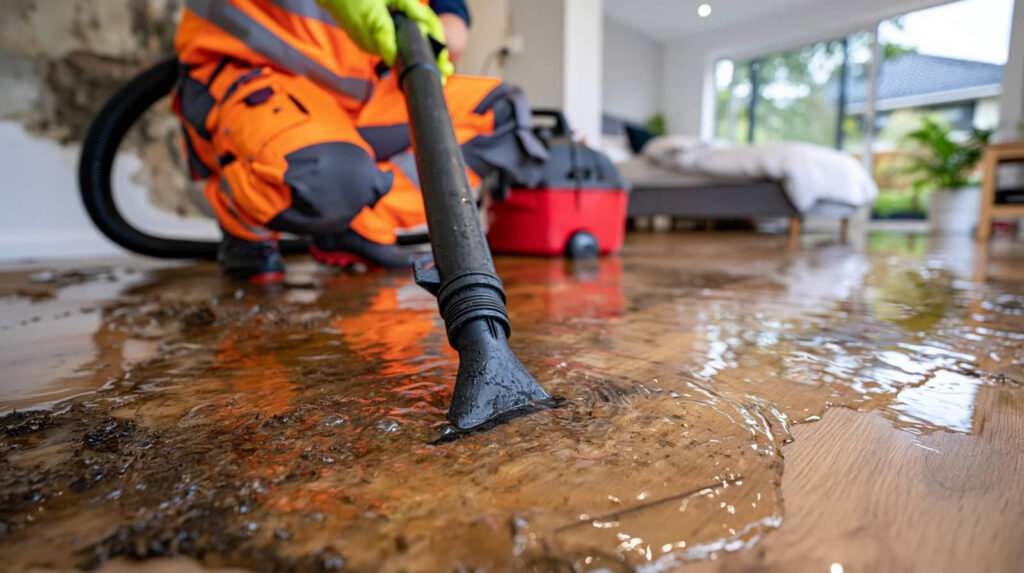
Don’t forget an airtight garbage bag for disposing of contaminated materials. A wet/dry vacuum is invaluable for removing water and debris.
Finally, have a moisture meter handy to monitor humidity levels. With these tools in place, you’ll be well-equipped to tackle the mold and safeguard your space, fostering a healthy environment for you and your community.
Your Step-By-Step Mold Remediation Guide
To effectively tackle mold remediation, follow these five essential steps to ensure a thorough and safe process.
First, identify the mold types present; common ones include black mold and Aspergillus, each posing unique health risks.
Second, make sure you have protective gear like masks and gloves before starting.
Third, contain the affected area to prevent further spread. This involves sealing off doors and vents.
Fourth, remove contaminated materials such as drywall or carpeting, disposing of them properly.
Finally, clean and disinfect surfaces with a solution effective against mold spores.
Key Signs of Mold Infestation to Watch For
Recognizing the key signs of mold infestation is vital for maintaining a healthy environment. Start by checking for visible mold growth, which can appear in various mold types, such as black, green, or white patches.
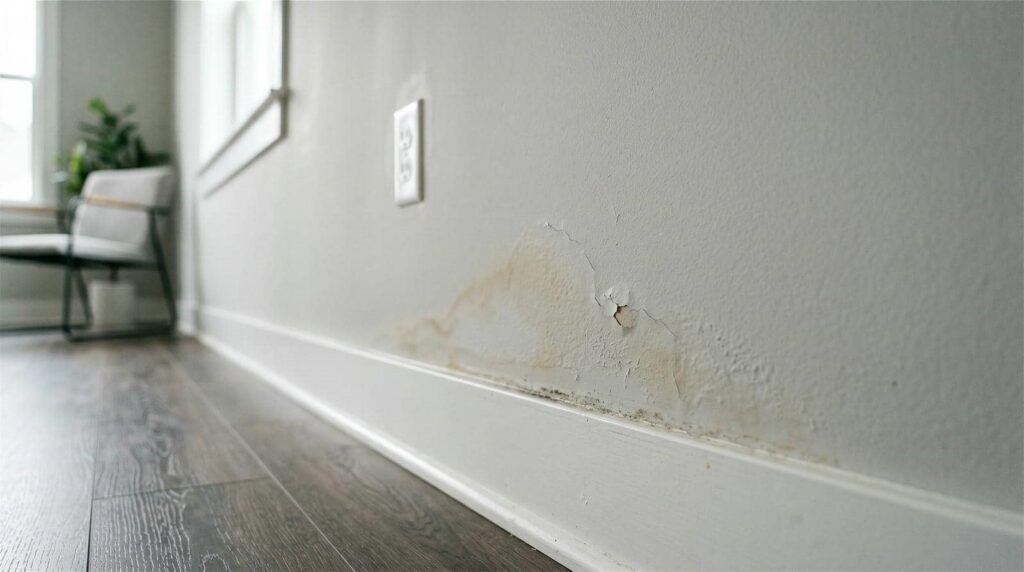
Musty odors also signal potential mold issues, often indicating hidden growth behind walls or under flooring. Pay attention to water stains or discoloration on surfaces; these can indicate moisture problems that foster mold development.
Additionally, if you or your family members experience respiratory issues, allergic reactions, or other health effects, it’s essential to investigate further. Promptly addressing these signs can help prevent extensive damage and safeguard your health, creating a safer living space for everyone involved.
When Should You Call in the Pros for Mold Remediation?
When should you consider calling in professionals for mold remediation? If you encounter significant mold growth, it’s essential to act swiftly. Here are three key scenarios that warrant a professional’s expertise:
Extensive Coverage: If mold covers more than 10 square feet, it’s best to get a professional assessment. They use advanced mold identification techniques to pinpoint sources and types.
Health Concerns: If anyone in your household has respiratory issues or allergies, professionals can evaluate the situation against established professional assessment criteria to ensure safety.
Persistent Odors: If mold odors linger despite cleaning efforts, this often indicates hidden growth that requires specialized tools for proper remediation.
Calling in pros ensures thorough, effective mold removal, protecting both your home and your health.
Tips for Preventing Future Mold Issues After Flooding
To prevent future mold problems after flooding, you need to focus on proper ventilation and regular moisture inspections.
Make certain your spaces are well-ventilated to reduce humidity levels, which can promote mold growth.
Additionally, routinely check for any moisture accumulation to address potential issues before they escalate.
Maintain Proper Ventilation
Proper ventilation is essential in preventing future mold growth after flooding, as stagnant air can exacerbate moisture problems.
By implementing effective airflow techniques and maintaining humidity control, you can considerably reduce mold risks.
Here are three key strategies to enhance ventilation in your home:
Use Exhaust Fans: Install exhaust fans in high-moisture areas like bathrooms and kitchens to expel humid air.
Open Windows: Whenever the weather permits, open windows to allow fresh air to circulate and reduce indoor humidity levels.
Utilize Dehumidifiers: Invest in dehumidifiers to maintain ideal humidity levels, especially in basements and crawl spaces prone to dampness.
Regularly Inspect for Moisture
Regularly inspecting for moisture is essential to preventing future mold issues after flooding.
Conduct routine checks in areas prone to dampness, such as basements, bathrooms, and under sinks. Use moisture detection tools to monitor levels, ensuring they stay below 60%. If you spot any leaks or excessive humidity, act quickly to address them.
Implement humidity control measures, like dehumidifiers or proper ventilation, to maintain a balanced indoor environment. Additionally, look for signs of water damage or condensation on walls and windows.
Frequently Asked Questions
How Long Does It Take for Mold to Start Growing After Flooding?
Mold can start growing within 24 to 48 hours after flooding. To prevent flood damage, make sure you dry affected areas quickly, as timely action greatly reduces mold growth timeline and protects your living environment.
Can Mold Be Removed With Household Cleaning Products?
Yes, you can use household cleaners for mold removal, but their effectiveness varies. For best results, combine mold removal techniques with specialized products, ensuring thorough cleaning to prevent regrowth and maintain a safe environment.
What Types of Molds Are Most Common After Flooding?
After flooding, you’ll commonly encounter black mold and white mold. Proper mold identification is essential for effective remediation. To ensure safety, focus on mold prevention strategies to protect your space and loved ones from health risks.
Is It Safe to Stay in a Home During Mold Remediation?
It’s not safe to stay during mold remediation. Mold exposure can lead to serious health effects, like respiratory issues. For your well-being, it’s best to find temporary accommodation until the process is complete.
How Can I Tell if Mold Is Toxic or Not?
To determine if mold is toxic, use mold identification techniques like visual inspection and air sampling. Watch for toxic mold symptoms such as respiratory issues, skin irritation, or headaches. If you notice these, act quickly.
Review
Act quickly—mold can start to grow within just 24 to 48 hours after flooding. By following the steps outlined in this guide, you can effectively mitigate the risks and protect your health. But remember, even after you’ve done everything right, lurking moisture could still pose a threat. Regular inspections and vigilance are your best defenses. Don’t let complacency put you at risk; stay proactive to keep mold at bay and ensure a safe environment.