Key Takeaways
- Prioritize safety by avoiding floodwaters and turning off utilities to prevent further hazards.
- Document all damage with photos and notes to support insurance claims and assessments.
- Engage certified flood damage remediation experts with relevant experience and good client testimonials.
- Use protective gear and effective techniques for debris removal, water extraction, and drying.
- Address mold promptly to safeguard health, and follow through with necessary repairs and restoration.
Immediate Actions After Flooding: What to Do First
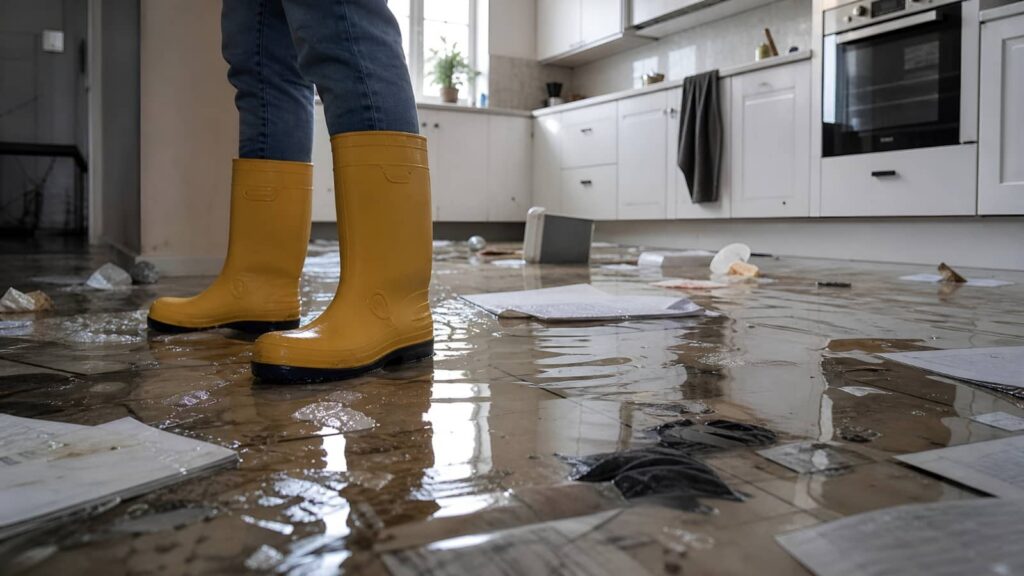
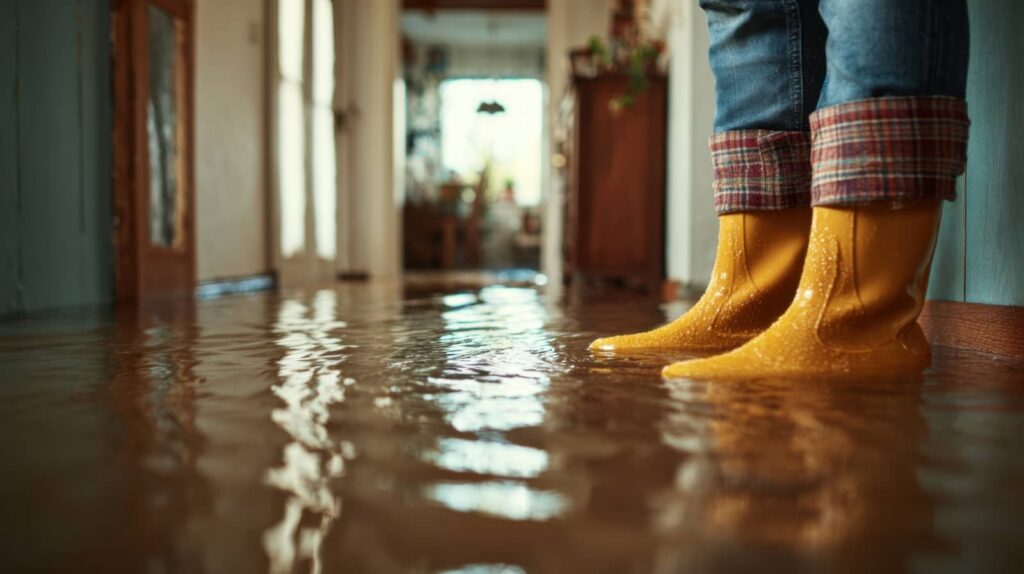
When flooding occurs, your immediate response can greatly impact the extent of damage and safety. First, prioritize safety precautions. Make sure you and your family are out of harm’s way; never wade through floodwaters, as they can conceal hazards.
Check your emergency contacts and reach out to local authorities for guidance. If it’s safe, turn off utilities to prevent further damage and hazards. Document any visible damage with photos, but avoid entering heavily affected areas until professionals assess the risks.
Communicate with neighbors to share information and resources, fostering a sense of community. Remember, your quick actions can protect lives and ease the recovery process.
Stay calm, focused, and connected during this challenging time.
Assessing and Documenting Flood Damage
Evaluating and documenting flood damage is essential for effective remediation and insurance claims. Start with a thorough damage assessment—look for structural issues, mold growth, and damaged belongings.
Use documentation techniques like photographs and written notes to capture the extent of the damage. Make sure to date your records and include descriptions of affected areas. This aids in your recovery efforts and strengthens your insurance claims.
Engage with your community; sharing experiences can offer support and insights. Remember, this process might feel overwhelming, but taking it step by step will help you regain control.
Your meticulous documentation can make a significant difference in how quickly you rebuild and recover.
How to Select a Flood Damage Remediation Expert
When selecting a flood damage remediation expert, focus on their qualifications and certifications to ensure they meet industry standards.
Consider their experience specifically in flood damage, as this can greatly impact the effectiveness of their work.
Additionally, review the insurance and warranty options they offer to protect your investment and provide peace of mind.
Qualifications and Certifications
Choosing the right flood damage remediation expert can feel overwhelming, but understanding their qualifications and certifications can simplify the process.
Start by checking their professional qualifications; verify they meet industry certification standards, such as those from the Institute of Inspection, Cleaning and Restoration Certification (IICRC). These certifications indicate a solid understanding of flood damage protocols and best practices.
Additionally, look for ongoing education, which shows their commitment to staying current with evolving techniques and technologies. You want an expert who not only has the right credentials but can also empathize with your situation, confirming you feel supported throughout the remediation process.
Making informed choices about qualifications will help you find a reliable partner in your recovery.
Experience in Flood Damage
Experience plays an essential role in selecting a flood damage remediation expert. When evaluating potential candidates, look for professionals with a proven track record in effective flood recovery strategies.
Their familiarity with various techniques ensures they can address your specific needs, minimizing the emotional impact of the disaster on you and your family. Ask about past projects and client testimonials to gauge their success and approach to customer care.
A knowledgeable expert will restore your property and provide reassurance throughout the process. Don’t hesitate to seek out those who actively communicate and empathize with your situation—they’ll help create a sense of belonging during this challenging time, ensuring you feel supported every step of the way.
Insurance and Warranty Options
Maneuvering the complexities of flood damage remediation involves more than just selecting a skilled expert; understanding insurance and warranty options is equally important.
You’ll want to review your policy thoroughly to ensure you’re aware of coverage options and any potential policy exclusions. This knowledge will empower you in discussions with your remediation expert.
Consider the following when evaluating your options:
- Coverage limits: Know the maximum amount your policy will cover.
- Exclusions: Identify what damage may not be covered.
- Claim process: Understand the steps for filing a claim.
- Warranties: Inquire about any warranties on the work performed.
Effective Flood Cleanup Techniques
After a flood, tackling cleanup efficiently is essential to prevent further damage and ensure safety.
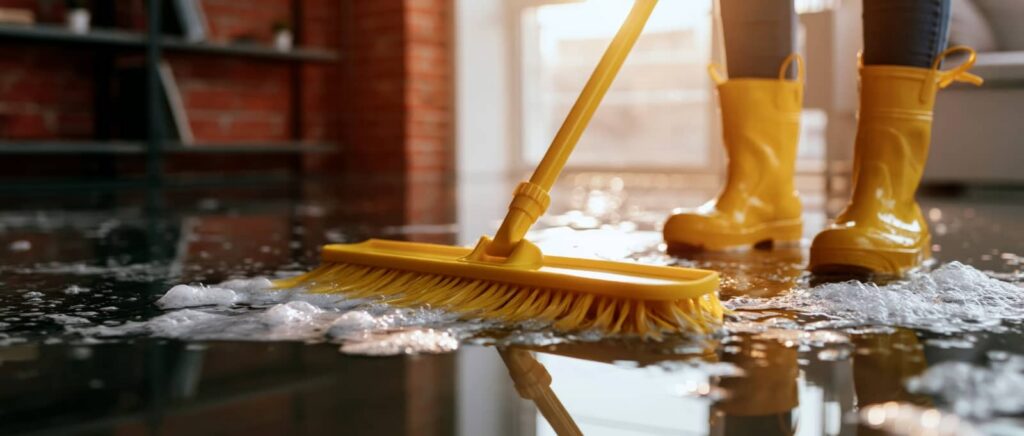
Start with flood debris removal, clearing out damaged furniture and personal items to minimize health risks. Wear protective gear, as debris can hide sharp objects or contaminants.
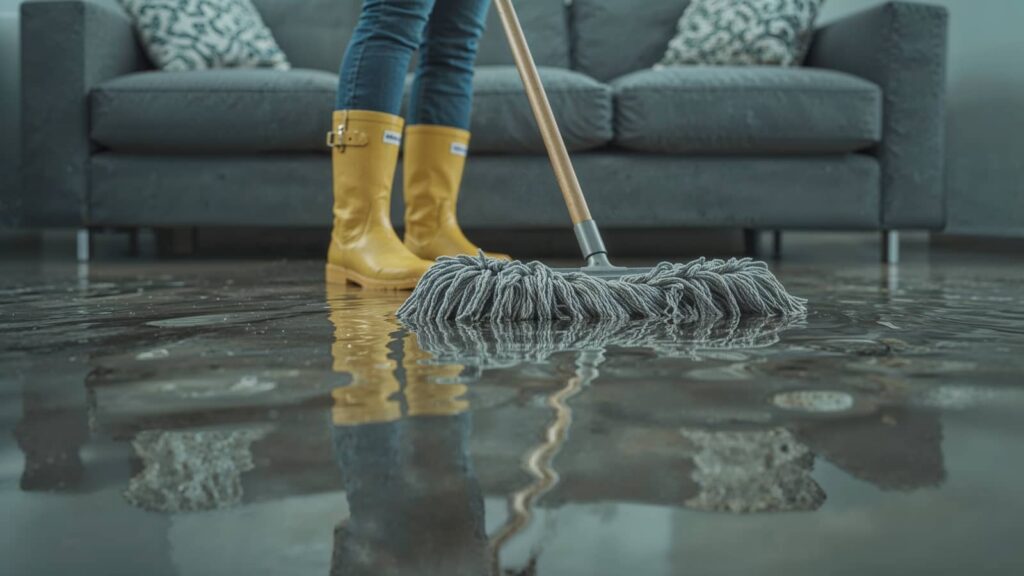
Next, focus on water extraction methods. Use pumps for standing water, followed by wet vacuums to remove residual moisture. Confirm proper ventilation to aid drying and reduce mold growth.
As you progress, document each step for insurance purposes, creating a clear record of your efforts.
Preventing Future Flood Damage: Best Practices
Once you’ve navigated the cleanup process, it’s time to focus on preventing future flood damage.
Implementing proactive measures can save you time, money, and stress down the line.
Start with these best practices:
- Improve drainage systems: Make certain your gutters and downspouts are clear and functional, directing water away from your home.
- Install water barriers: Use flood-resistant materials in vulnerable areas to create a protective shield against potential water intrusion.
- Landscape wisely: Grade your yard away from your foundation to promote proper water flow.
- Regular inspections: Check your property for potential vulnerabilities, addressing any issues before they escalate.
The Importance of Mold Remediation After Flooding
After flooding, mold can quickly become a serious health risk, affecting both your physical well-being and that of your loved ones.
It’s essential to implement effective prevention and control measures to tackle mold growth before it escalates.
Health Risks Of Mold
While floodwaters may recede, the lurking threat of mold can pose serious health risks that shouldn’t be ignored. Different mold types can thrive in damp environments, leading to various health symptoms that affect you and your loved ones.
If you encounter mold, it’s crucial to act swiftly.
- Allergic reactions: Sneezing, runny nose, or itchy eyes.
- Respiratory issues: Coughing, wheezing, or difficulty breathing.
- Skin irritations: Rashes or hives from direct contact.
- Long-term effects: Chronic fatigue or weakened immune response.
Addressing mold promptly through remediation is essential to protect your health.
Prevention And Control Measures
Mold remediation isn’t just a response to an immediate threat; it’s a proactive measure to safeguard your home and health in the aftermath of flooding.
After a flood, moisture can linger, creating an ideal environment for mold growth. You’ll want to act quickly to prevent this.
Make certain your drainage systems are functioning properly and consider installing flood barriers to protect your property from future incidents.
Regularly inspect your home for leaks and dampness, as early detection is key.
If mold does appear, don’t hesitate to seek professional help. It’s crucial to create a safe living space for you and your loved ones.
Taking these steps not only restores your home but also fosters a sense of community and belonging.
What to Expect During Flood Damage Remediation?
Flood damage remediation can feel overwhelming, but understanding what to expect can ease some of that stress. Here’s a breakdown of the process you’ll encounter:
- Initial Assessment: Professionals will evaluate the extent of the damage and develop a plan using flood restoration techniques.
- Water Extraction: Expect effective water extraction methods to remove standing water quickly and efficiently.
- Drying and Dehumidification: Specialized equipment will help dry out your property, preventing mold growth.
- Final Restoration: Repairs and rebuilding will take place, ensuring your space is safe and livable again.
Throughout this process, communication is key. You’ll feel supported as experts guide you step-by-step, helping you reclaim your home from the aftermath of flooding.
Frequently Asked Questions
Will My Insurance Cover Flood Damage Repairs?
Your flood insurance may cover repairs, but it’s essential to check your policy’s coverage limits. Understanding these details helps you navigate the claims process and ensures you’re prepared for any financial implications.
How Long Does Flood Damage Remediation Typically Take?
Flood damage remediation typically takes one to three weeks, depending on severity. You’ll follow specific remediation process steps, including assessment, drying, and repair, ensuring a thorough flood recovery timeline that supports your home’s restoration.
What Items Should I Discard After a Flood?
After a flood, flooded belongings may harbor harmful bacteria. Follow disposal guidelines to discard items like mattresses, carpets, and upholstered furniture. Prioritize safety over sentiment; your health matters most in recovery.
Are There Any Health Risks After Flooding?
Yes, there are health risks after flooding. Mold growth can trigger allergies, while water contamination may expose you to harmful bacteria. It’s essential to address these issues promptly to protect your health and well-being.
Can I Handle Flood Remediation Myself?
Yes, you can handle flood remediation yourself, but start with a thorough flood assessment. Use proper cleanup techniques and safety precautions. Remember, it’s essential to prioritize your health and well-being throughout the process.
Final Thoughts
In the aftermath of flooding, steering through the recovery journey can feel overwhelming, but you’re not alone. By taking deliberate steps and enlisting professional help, you can transform your space back into a safe haven. Embrace the process, knowing that each action you take brings you closer to restoring normalcy. While the waters may have caused disruption, you have the power to reclaim your environment and ensure it stands resilient against future storms.