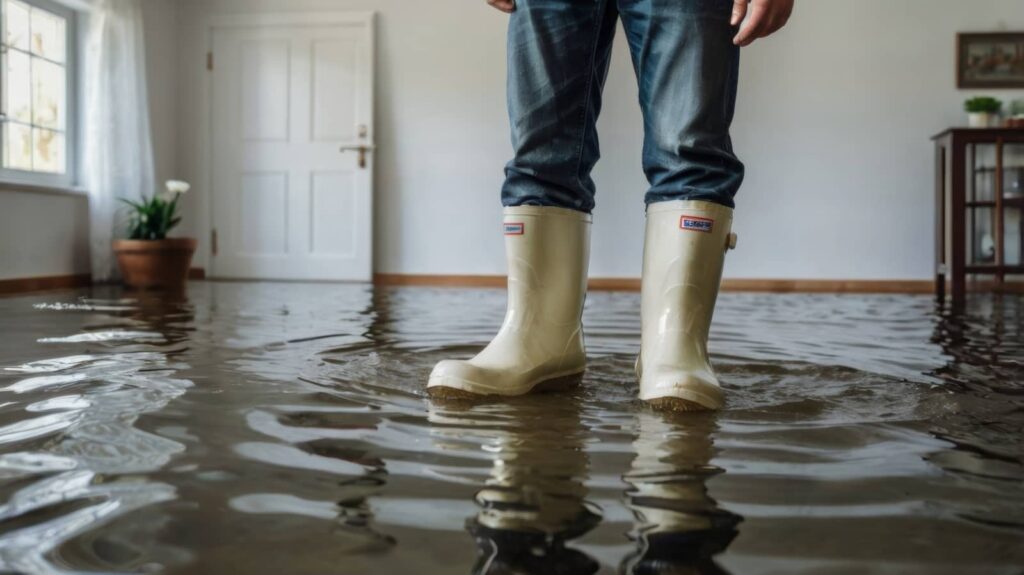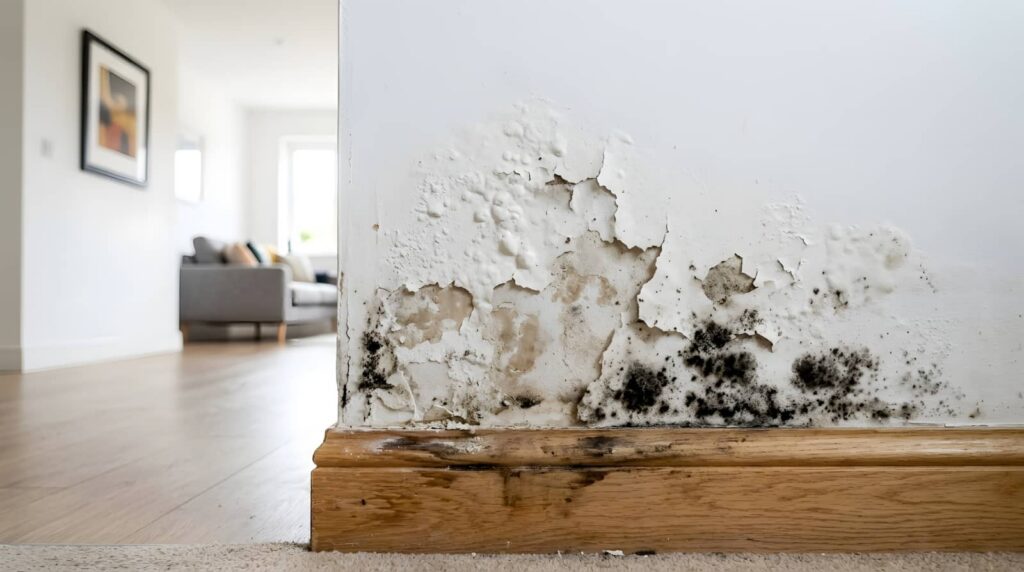
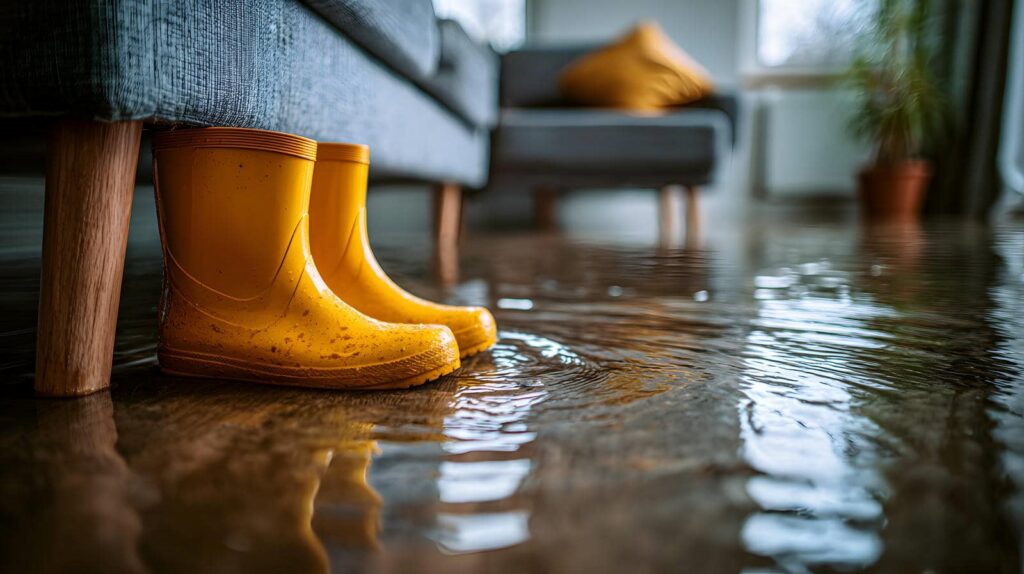
When faced with flood damage, you need a clear, structured approach to recovery. Start by evaluating the extent of the damage using essential tools, ensuring you capture every detail. Safety is paramount, so protective gear is a must. As you navigate this process, understanding effective extraction methods will be vital. It’s not just about fixing what’s broken; it’s about preventing future issues. Let’s explore how to effectively tackle each step for the best results.
Key Takeaways
Conduct a thorough assessment using moisture meters and infrared cameras to document damage and prioritize repair areas.
Ensure safety by avoiding standing water, wearing protective gear, and checking for hazards like mold and unstable structures.
Use professional-grade pumps and vacuums for effective and rapid water extraction from affected areas.
Implement drying and dehumidifying techniques, maintaining humidity levels below 60% to prevent mold growth.
Rebuild with flood-resistant materials and elevate critical systems to enhance resilience against future flooding.
How to Quickly Assess Flood Damage?
How can you effectively assess flood damage in your home? Start by gathering essential flood assessment tools like moisture meters and infrared cameras. These tools help you identify hidden damage that mightn’t be visible to the naked eye.
Next, use a damage evaluation checklist to systematically document affected areas, noting water levels and materials involved. Don’t forget to check electrical systems, plumbing, and structural components.
Take photos for insurance claims and future reference. As you assess, remember: it’s okay to feel overwhelmed. You’re not alone in this; many face similar challenges after flooding.
Prioritizing Safety and Health After a Flood
After evaluating the extent of flood damage, prioritizing safety and health becomes imperative.
Begin by ensuring flood safety; avoid standing water, as it can harbor contaminants. Wear protective gear like gloves and masks to shield yourself from harmful substances.
Next, assess your environment for potential hazards, such as unstable structures or exposed electrical wires.
Conduct thorough health precautions by checking for mold growth, which can develop rapidly in damp conditions. If you notice any signs, address them promptly.
Stay informed about local health advisories and resources available to your community.
Effective Techniques for Water Extraction
Act quickly to extract water from your space, as every moment counts in preventing further damage. Effective water removal is essential for restoring your environment.
Here are three techniques to take into account:
Use Extraction Equipment: Invest in professional-grade pumps and vacuums designed for water extraction. These tools can rapidly remove large volumes of water.
Assess the Area: Identify the most affected zones. Prioritize areas with standing water, and make sure you check hidden spaces like under carpets or behind walls.
Monitor Moisture Levels: After initial extraction, use moisture meters to determine lingering dampness. This step helps you gauge the effectiveness of your efforts and plan for drying.
Drying and Dehumidifying Affected Areas
Once you’ve successfully extracted the water, the next step is drying and dehumidifying the affected areas to prevent mold growth and further structural damage.
Start by using moisture measurement tools, like a hygrometer, to assess humidity levels. Aim for a relative humidity of below 60% to create an unfavorable environment for mold.
For effective dehumidifier selection, choose units with sufficient capacity for your space; oversized units can lead to temperature drops, while undersized ones may struggle.
Ensure proper airflow by strategically placing fans and opening windows, if the weather permits.
Monitor the drying process daily, adjusting your equipment as needed. This proactive approach protects your home and supports your peace of mind during this challenging time.
Restoring and Rebuilding for the Future
Restoring your home after flood damage involves a strategic approach to ensure long-term resilience.
Implementing effective flood resilience strategies is key to preventing future issues. Here are three essential steps to contemplate:
Elevate Key Structures: Raise electrical systems and appliances to minimize water exposure.
Use Flood-Resistant Materials: Opt for materials designed to withstand water damage, like treated wood and moisture-resistant drywall.
Engage in Community Recovery Initiatives: Collaborate with local organizations to share resources and knowledge, enhancing overall community resilience.
Frequently Asked Questions
What Should I Do if My Insurance Claim Is Denied?
If your insurance claim’s denied, start the insurance appeal process. Gather flood damage documentation, highlighting key evidence. Reach out to your insurer for clarity, and consider seeking professional help to strengthen your appeal. You’re not alone.
How Can I Prevent Mold Growth After a Flood?
You’d think water’s gone, so mold won’t show, right? Focus on mold prevention strategies like thorough post-flood cleaning, ensuring surfaces dry quickly, using dehumidifiers, and keeping air circulating to create a healthier home.
Are There Any Government Assistance Programs for Flood Victims?
Yes, there are federal aid programs and local resources available for flood victims. You should explore options like FEMA assistance and state grants to help you rebuild and recover. Don’t hesitate to reach out for support.
How Long Does Flood Damage Repair Typically Take?
Flood damage repair typically takes several weeks, depending on severity. A repair process overview includes assessment, drying, and restoration. You’ll appreciate knowing that timely action can considerably shorten the flood restoration timeline, easing your burden.
What Items Can Be Salvaged After Flood Damage?
You can often salvage furniture that’s been dried thoroughly and inspected for mold. However, flooded electronics usually aren’t repairable. Assess each item carefully; some cherished belongings might still hold value with the right restoration efforts.
Review
Tackling flood damage requires a meticulous approach to ensure safety and effectiveness. By evaluating the damage, prioritizing your health, expertly extracting water, and thoroughly drying out the space, you’re not just repairing; you’re fortifying your home against future disasters. Remember, with the right techniques and materials, you can turn your flood-ravaged space into a fortress that laughs in the face of water. Stay proactive, and you’ll emerge stronger than ever!