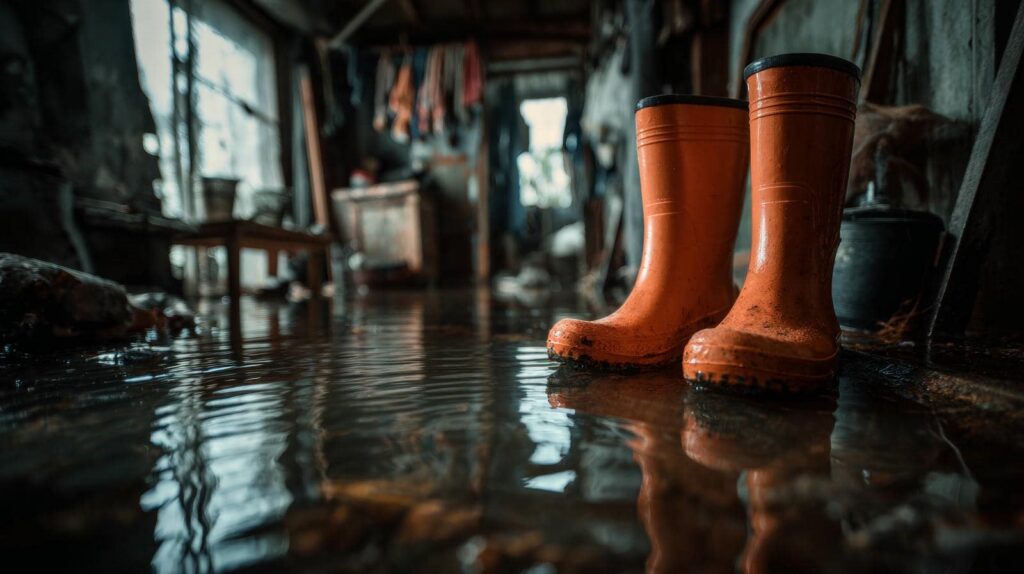
When evaluating flood damage, you need to employ professional techniques that yield precise results. Understanding the essential tools—like moisture meters and infrared cameras—is vital for an accurate appraisal. Additionally, examining structural integrity through visual inspections and material analyses will guide recovery efforts. But how do you effectively document these findings for all stakeholders involved? The answers to these questions can greatly influence the success of recovery initiatives.
Key Takeaways
- Utilize advanced tools like moisture meters, infrared cameras, and drones for comprehensive and efficient flood damage assessment.
- Employ systematic visual evidence collection techniques, capturing high-resolution images from multiple angles for accurate documentation.
- Conduct thorough structural inspections, including load-bearing analysis and material assessments, to ensure long-term integrity and safety.
- Maintain clear communication with stakeholders using visual aids, summary tables, and regular updates to foster collaboration and trust.
- Create and regularly update a detailed inventory checklist to systematically track damage and recovery progress.
Why Flood Damage Evaluation Matters
Flood damage evaluation is essential for effective recovery and mitigation strategies. By evaluating the flood impact, you can identify immediate damage and potential long-term effects on infrastructure and the environment.
This thorough evaluation helps establish a realistic recovery timeline, ensuring that resources are allocated efficiently and effectively. Understanding the extent of the damage allows you to prioritize critical areas that need immediate attention, fostering a sense of community and belonging as you work together towards recovery.
Furthermore, precise evaluations guide policy decisions, helping to shape future flood management practices. Ultimately, your proactive approach to flood damage evaluation paves the way for a more resilient future, reinforcing the importance of collaboration in rebuilding efforts.
Essential Tools for Effective Flood Damage Assessment
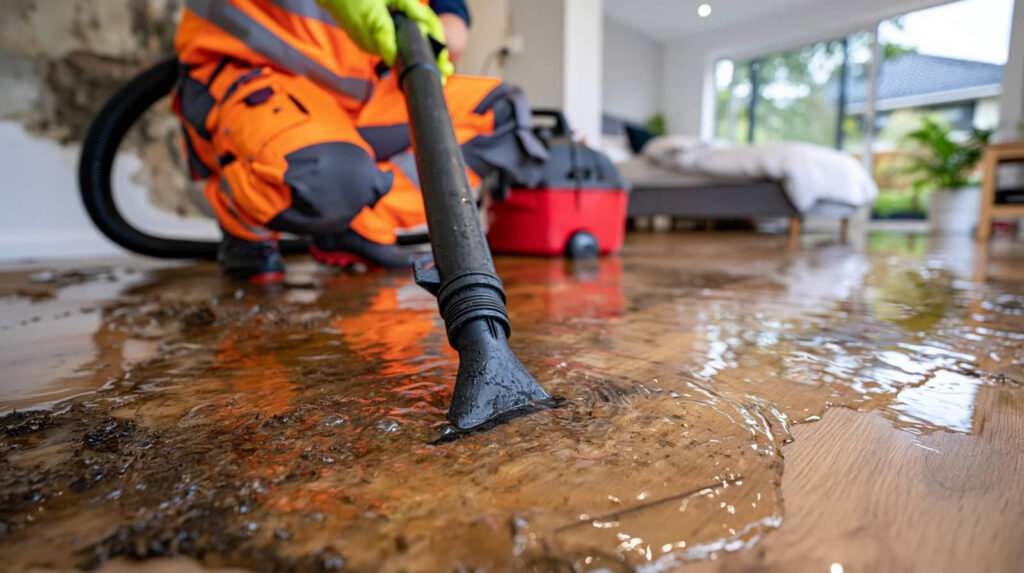
Effective flood damage evaluation hinges on the right tools and technologies. Utilizing advanced flood evaluation tools like moisture meters and infrared cameras allows you to pinpoint hidden damage that’s not visible to the naked eye.
Drones equipped with high-resolution cameras can survey large areas quickly, providing a thorough view of affected regions. Additionally, software applications designed for damage evaluation techniques can streamline data collection and analysis, ensuring accuracy and efficiency in your evaluations.
How to Document Flood Damage: Best Practices
When documenting flood damage, collecting visual evidence is essential for an accurate assessment.
You should also create a detailed inventory checklist to track affected items systematically.
These practices enhance your ability to present a thorough evaluation, ensuring all damage is accounted for.
Visual Evidence Collection
To accurately document flood damage, employing systematic visual evidence collection techniques is essential. Start with photographic documentation, ensuring you capture clear, high-resolution images from multiple angles. Focus on structural damage, water levels, and affected belongings. Use a consistent framing strategy for comparative analysis later.
Incorporating drone surveying can enhance your documentation by providing aerial perspectives that reveal damage over larger areas. This bird’s-eye view can uncover issues that ground-level photos might miss, such as roof damage or compromised landscapes.
Always date and label your images for organization, and consider using a digital platform for easy sharing. By combining these methods, you create a thorough visual record that can support assessments and claims effectively.
Detailed Inventory Checklist
A thorough inventory checklist is essential for documenting flood damage accurately and efficiently. Start by organizing your findings into specific inventory categories, such as structural damage, personal property, and hazardous materials.
This structured approach simplifies data collection and aids in damage prioritization. Identify and record critical areas first, like electrical systems and plumbing, to address safety concerns.
For each item, note its condition, value, and any relevant details, such as brand or model. Use photographs to complement written descriptions, ensuring you capture the full scope of damage.
Finally, regularly update your inventory as repairs progress, maintaining an accurate record that reflects your ongoing evaluation and supports any claims or restoration efforts.
Assessing Structural Integrity Post-Flood
When evaluating structural integrity post-flood, you’ll first implement visual inspection techniques to identify visible damage.
Next, conduct a load-bearing analysis to determine if critical support structures remain sound.
Finally, examine materials for deterioration to ensure long-term stability and safety.
Visual Inspection Techniques
While evaluating structural integrity post-flood, effective visual inspection techniques are essential for identifying potential hazards and damage. You’ll want to focus on a detailed site reconnaissance to ensure no detail is overlooked.
Here are three key techniques:
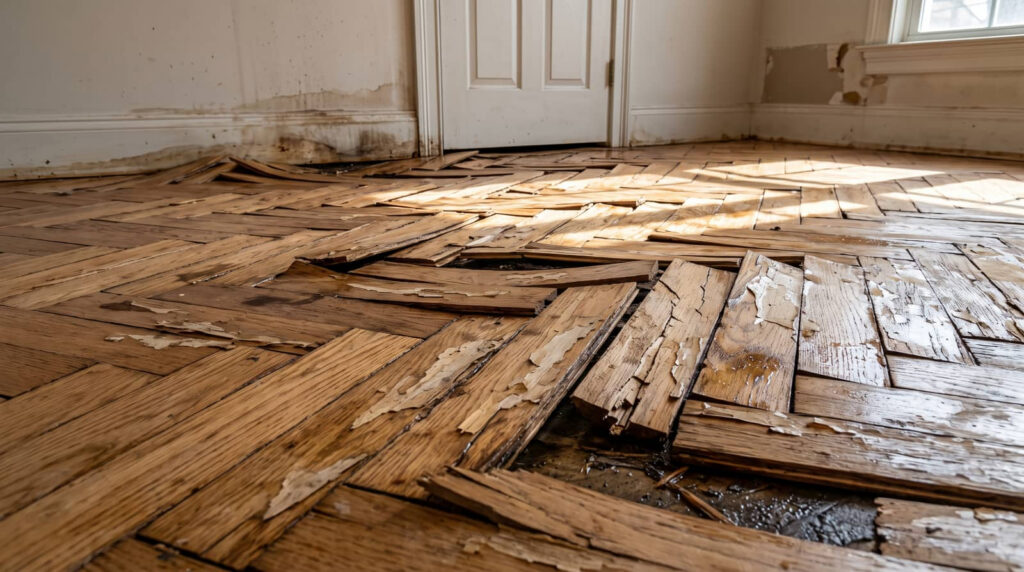
Surface Examination: Inspect walls, floors, and ceilings for cracks, warping, or discoloration that might indicate structural issues.
Foundation Assessment: Look for signs of settlement or erosion around the foundation, which could compromise stability.
Damage Triangulation: Cross-reference findings across different areas of the structure to identify patterns of damage that may suggest systemic issues.
Utilizing these techniques helps you achieve a thorough understanding of the building’s condition and ensures safety moving forward.
Load-Bearing Analysis
Understanding load-bearing capacity is crucial for evaluating structural integrity after a flood. You’ll need to conduct a thorough structural assessment to determine how the flood’s impact has affected load distribution throughout the building.
Begin by inspecting critical components like beams, columns, and foundations. Check for signs of stress or deformation, as these can indicate compromised load-bearing capabilities.
Utilize engineering tools to measure shifts in load paths and assess how water intrusion may have weakened materials. Document any irregularities meticulously; this information will be essential for future repairs.
Material Assessment Methods
Evaluating the condition of materials after a flood is essential to ensuring the structure’s long-term stability. You’ll want to employ specific assessment methods to determine damage effectively:
Moisture Mapping: Use specialized tools to pinpoint areas with excess moisture, vital for understanding water intrusion and potential structural damage.
Mold Detection: Implement testing kits or visual inspections to identify mold presence, which can compromise both health and structural integrity if left unchecked.
Material Testing: Perform tests on wood, concrete, and other materials to assess strength and integrity, ensuring they can safely support the structure after water exposure.
Communicating Findings to Stakeholders
Effective communication of flood damage findings to stakeholders is essential for informed decision-making and resource allocation. You need to prioritize stakeholder engagement by presenting data clearly and concisely.
Use effective reporting techniques, such as visual aids and summary tables, to convey complex information. Tailor your message to your audience, ensuring that technical jargon is minimized, promoting understanding and collaboration.
Regular updates foster trust and allow stakeholders to voice concerns or insights. Listening to their feedback can enhance your reports and improve future evaluations.
Steps for Successful Flood Recovery
While evaluating flood damage is essential, taking proactive steps for successful recovery can greatly mitigate long-term impacts. Here are three critical actions you can take:
Engage Community Support: Collaborate with local organizations to foster a network of assistance. This not only aids recovery but strengthens communal bonds.
Prioritize Emergency Preparedness: Assess your readiness for future floods. Develop a thorough plan that includes evacuation routes and emergency contacts, ensuring everyone knows their roles.
Implement Sustainable Practices: When rebuilding, consider eco-friendly materials and designs that reduce vulnerability to future flooding. This enhances resilience and promotes environmental stewardship.
Frequently Asked Questions
What Qualifications Should Flood Damage Evaluators Possess?
Flood damage evaluators should possess relevant certification requirements and strong evaluation credentials. You’ll benefit from expertise in structural assessment, moisture analysis, and damage documentation, ensuring accurate evaluations and enhancing your credibility in the industry.
How Long Does a Typical Flood Damage Evaluation Take?
A typical flood damage evaluation takes several hours to a few days, depending on assessment factors like property size and damage extent. Don’t worry; evaluators streamline the process to ensure thoroughness without unnecessary delays.
Are There Specific Regulations for Flood Damage Assessments?
Yes, there are specific regulations for flood damage assessments. You must follow flood assessment guidelines to ensure regulatory compliance, which helps maintain standards and protects both your interests and those of the affected community.
What Common Mistakes Occur During Flood Damage Evaluations?
Common mistakes during flood damage evaluations include neglecting oversight factors and failing to adhere to established evaluation standards. These errors can lead to inaccurate assessments, ultimately hindering effective recovery efforts and compromising community trust.
How Can Technology Improve Flood Damage Evaluation Processes?
“An ounce of prevention is worth a pound of cure.” You can enhance flood damage evaluations with drone inspections and remote sensing, providing precise data and improving decision-making while fostering community resilience and safety.
Recap
In the grand theater of flood recovery, you’d think appraising damage is a straightforward task. Yet, armed with moisture meters and drones, you might feel like a high-tech superhero battling nature’s chaos. But let’s be real: without proper documentation and communication, all that tech might as well be a fancy paperweight. So, while you’re out there assessing and analyzing, remember—it’s not just about the tools; it’s about turning data into action and saving the day.