Restoring a flood-damaged space is like piecing together a complex puzzle, where each step is essential to achieving a safe and effective flood damage restoration outcome. You need to start with a thorough assessment to understand the extent of the damage. Next, ensuring your safety during the restoration process is important. What follows is a methodical approach to water extraction and drying, but that’s just the beginning of the journey.
Key Takeaways
- Conduct a detailed flood assessment to identify and categorize damage into minor, moderate, and severe for prioritizing restoration efforts.
- Ensure safety by wearing appropriate personal protective equipment (PPE) and assessing risks before starting restoration work.
- Use specialized equipment to pump out excess water and check for hidden pockets of moisture to prevent mold growth.
- Regularly inspect for hidden moisture, clean surfaces, and maintain indoor humidity levels below 60% to prevent mold development.
- Perform a thorough final inspection to verify repairs, check for lingering moisture, and ensure all systems meet safety codes.
Assessing the Flood Damage
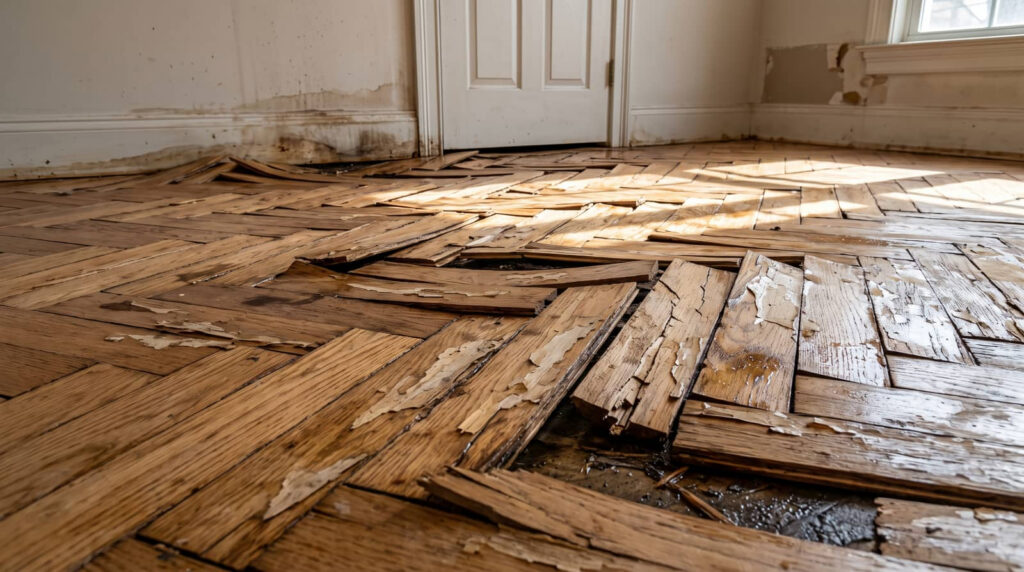
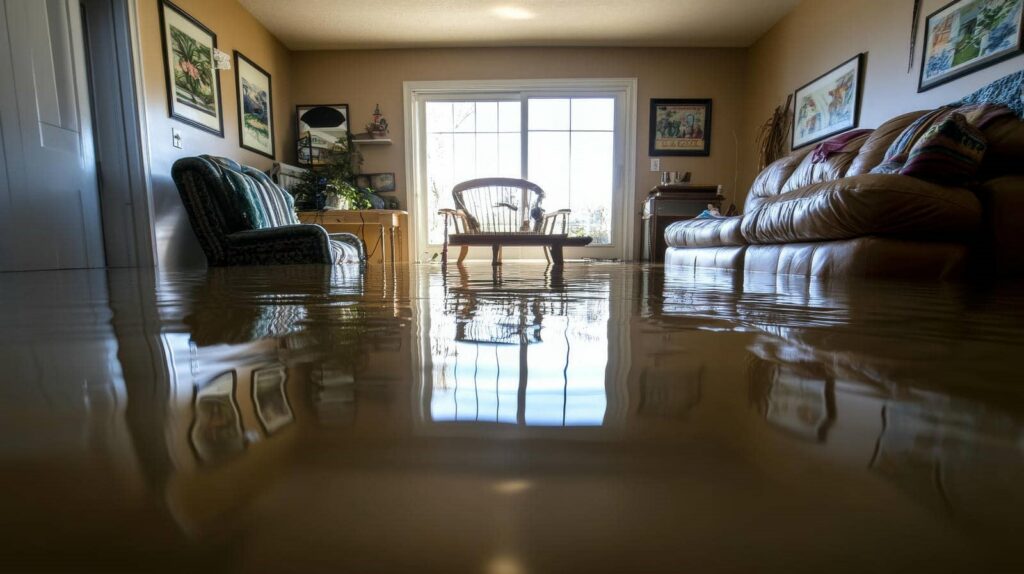
Before you begin the restoration process, it’s essential to thoroughly assess the flood damage. Start with a detailed flood assessment to identify the affected areas. Inspect your property for water intrusion, structural integrity, and damage to personal belongings.
Keep a notepad handy to document your findings; this will aid in the damage evaluation and help you make informed decisions.
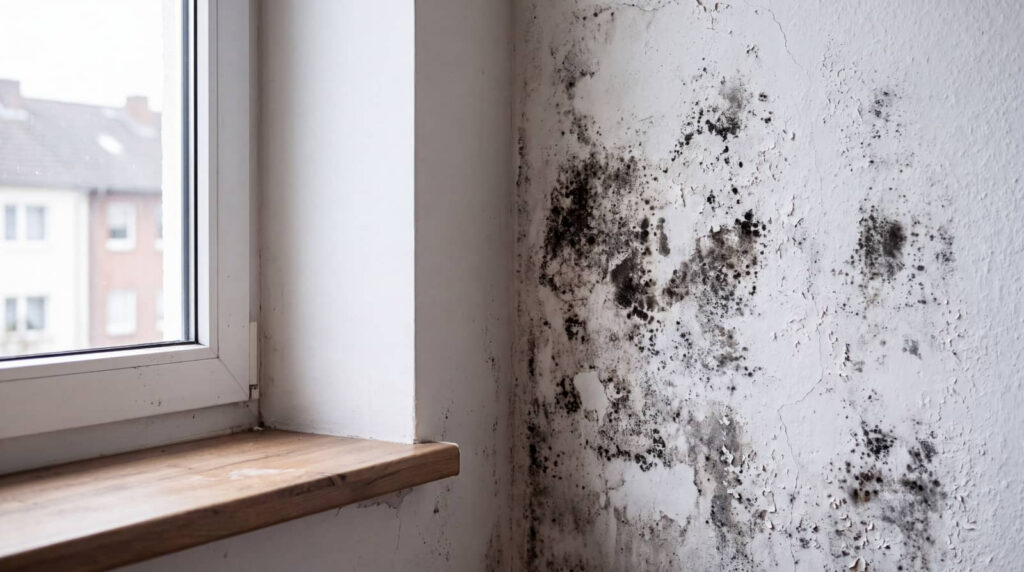
Next, categorize the damage into minor, moderate, and severe to prioritize your restoration efforts effectively. Look for signs of mold or mildew, which can develop quickly in damp environments.
Take photographs for insurance purposes, as they’ll serve as evidence during your claim process.
Engaging with professionals can provide additional insight and expertise, ensuring you’re not alone in this overwhelming situation.
Ensuring Safety During Restoration
During the restoration process, it’s essential to prioritize your safety by using appropriate personal protective equipment (PPE).
Make certain you’re wearing gloves, masks, and goggles to shield yourself from hazardous materials and contaminants.
Additionally, always follow electrical safety precautions to avoid risks associated with water-damaged wiring and appliances.
Personal Protective Equipment
When tackling flood damage restoration, prioritizing your safety is essential, and that starts with the right personal protective equipment (PPE). Equip yourself with protective gear like gloves, masks, goggles, and waterproof boots to shield against contaminants, mold, and hazardous materials.
These items form your first line of defense, ensuring you stay safe while restoring your space.
Adhering to proper safety protocols is vital. Make sure to assess the area for potential risks before beginning your work and always have a first aid kit on hand.
Electrical Safety Precautions
While restoring a flood-damaged area, ensuring electrical safety is essential to prevent accidents and injuries.
Start by identifying potential electrical hazards; never assume that power is off. Always turn off the main power supply before beginning any work. Use a multimeter to check circuits for residual electricity, ensuring circuit safety.
Equip yourself with insulated tools and wear rubber-soled boots to provide extra protection. If you’re unsure about any electrical component, consult a licensed electrician.
Keep electrical connections dry and avoid using damaged cords or outlets. Remember, safety during restoration isn’t just about following procedures; it’s about protecting everyone involved in the process.
Water Extraction Techniques
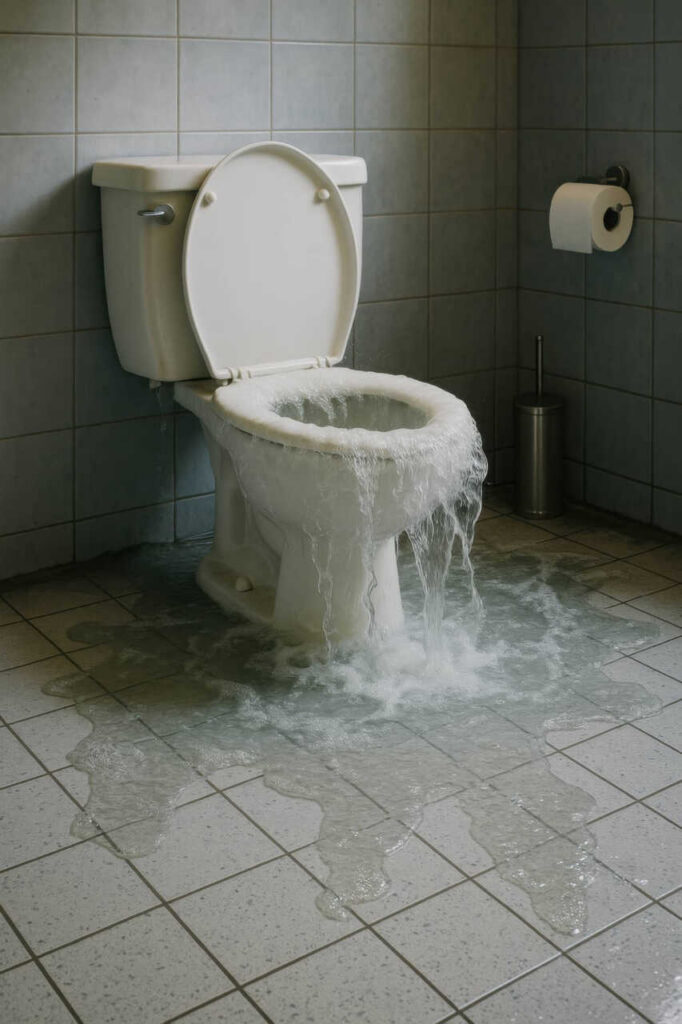
When faced with flood damage, the first step in water extraction involves efficiently pumping out excess water from your space.
Utilizing specialized equipment, you’ll need to assess the volume of water and select the appropriate pumps for effective removal.
Following that, implementing dehumidification methods will help prevent further moisture damage and promote a quicker recovery.
Pumping Out Excess Water
Effective water extraction is essential for minimizing damage after a flood, as it directly impacts the restoration process and the overall recovery of your property.
Begin by evaluating your drainage system; a thorough inspection can help identify blockages or weaknesses that could hinder water removal.
Employ efficient water removal techniques, such as submersible pumps or wet vacuums, to expedite the process. Start from the lowest point of your property, making sure that you remove as much water as possible.
Always check for hidden pockets of water in walls or floors, as these can lead to mold growth.
Dehumidification Methods
After you’ve pumped out the excess water, it’s crucial to address the humidity levels in your property to prevent further damage.
To achieve effective humidity control, invest in high-quality dehumidification equipment. Start by placing commercial dehumidifiers strategically in affected areas, ensuring they can extract moisture quickly and efficiently.
Monitor humidity levels regularly with a hygrometer, aiming to maintain levels below 60%. In addition to dehumidifiers, consider using fans to enhance airflow, which can speed up the drying process.
Don’t forget to check hidden spaces like basements and crawl spaces, as moisture can linger there.
Drying and Dehumidification Processes
To restore a space affected by flood damage, initiating the drying and dehumidification processes is essential. Start by evaluating the extent of moisture, using moisture meters to pinpoint areas needing attention.
Once you identify these spots, employ high-capacity fans to enhance air circulation, which is important for effective moisture control. Position these fans strategically to create a consistent flow, ensuring that moisture evaporates quickly from surfaces.
Next, utilize dehumidifiers to extract excess humidity from the air. This step is significant in preventing lingering dampness that could lead to further damage.
Monitor humidity levels regularly, aiming to maintain a balanced environment conducive to drying.
Mold Prevention and Remediation
Although moisture control is essential for preventing mold growth, it’s equally important to implement specific mold prevention and remediation strategies after flood damage.
Here are three key steps you should take:
Inspect and Identify: Regularly check for hidden moisture in walls, ceilings, and under flooring. Early detection is vital for effective mold remediation.
Clean and Disinfect: Use a mixture of water and detergent to clean surfaces that may harbor mold spores. For porous materials, consider replacing them entirely to ensure thorough mold prevention.
Control Humidity: Maintain indoor humidity levels below 60%. Use dehumidifiers and ensure proper ventilation in areas prone to moisture, like basements and bathrooms.
Structural Repairs and Restoration
When floodwaters recede, the urgency of addressing structural repairs and restoration becomes paramount to ensure the safety and integrity of your property.
Start by evaluating any visible damage to your home’s foundation and framing. Look for cracks or shifts that could compromise structural integrity. If you notice significant issues, consider foundation reinforcement techniques like underpinning or adding piers to stabilize your home.
Next, check for water-damaged joists, beams, and other critical structural elements. Replace any compromised components to maintain overall stability. Verify that any repairs follow local building codes and standards to protect your investment.
Once you’ve completed the necessary repairs, reinforce areas susceptible to future flooding. This proactive approach safeguards your home and fosters a sense of belonging in your community, demonstrating your commitment to resilience.
Final Inspection and Maintenance
After completing structural repairs, it’s crucial to conduct a thorough final inspection to ensure every aspect of your property is safe and sound.
This step ensures your peace of mind and protects your investment.
Use the following final checklist to guide you:
Inspect for Water Damage: Check all areas, especially hidden spots like basements and attics, to confirm there’s no lingering moisture or mold growth.
Evaluate Electrical Systems: Verify all wiring and outlets are functioning properly and meet safety codes to prevent future hazards.
Review Structural Integrity: Look for cracks or weaknesses in walls, floors, and ceilings, confirming that all repairs have been completed correctly.
Frequently Asked Questions
How Quickly Should I Start Flood Damage Restoration?
You should start flood damage restoration immediately, ideally within 24-48 hours. This swift action minimizes further damage, adheres to the flood restoration timeline, and ensures a more effective recovery for your property and belongings.
Can I Handle Flood Damage Restoration Myself?
You can handle flood damage restoration yourself, but prioritize flood safety. Assess your skills and resources before starting DIY restoration. Knowledge of proper techniques and safety measures is essential to protect yourself and your home.
What Insurance Coverage Is Needed for Flood Damage?
You need flood insurance for sufficient protection against water damage. Explore coverage options like building property and contents coverage to ensure your home and belongings are safeguarded. Don’t underestimate the importance of all-encompassing flood insurance.
How Do I Choose a Restoration Company?
To choose a restoration company, evaluate their restoration credentials and read company reviews. Confirm they have certifications and positive customer feedback, demonstrating reliability and expertise in effectively handling flood damage restoration. Your home deserves the best care.
What Items Should I Discard After a Flood?
You must discard flood damaged items like soaked carpets, mattresses, and food. While some belongings might seem salvageable, they can harbor health hazards, making it essential to prioritize your safety and well-being above sentimental value.
Recap
In flood damage restoration, following these procedures is like steering a ship through turbulent waters—each step is essential to reaching safe harbor. By evaluating damage, prioritizing safety, and employing effective water extraction and drying techniques, you can greatly mitigate further issues. Remember to address mold prevention and make necessary structural repairs. Finally, conduct a thorough inspection to ensure everything’s in order. By adhering to these steps, you’ll restore not just your space, but your peace of mind.