When faced with emergency water extraction, you need a clear and effective strategy. Identifying the source of the leak is vital, as is ensuring your safety before proceeding. Choosing the right tools can make a significant difference in minimizing damage. You’ll also want to take into account how to prevent future issues. Understanding these key aspects will help you act swiftly and efficiently. Let’s explore the top ten tips that can guide you through this challenging situation.
Key Takeaways
- Identify and address the leak source immediately to prevent further water damage and ensure safety.
- Utilize high-capacity pumps for major water removal and wet/dry vacuums for smaller, hard-to-reach areas.
- Wear appropriate safety gear, including gloves, boots, and masks, to protect against hazards.
- Turn off utilities like water, electricity, and gas to minimize risks during extraction efforts.
- Document the process with photos and notes to support insurance claims and future preventive measures.
How to Handle Emergency Water Extraction: A Step-by-Step Guide
When faced with a water emergency, swift action is vital. Start by evaluating the situation and identifying the source of the leak to prevent further water damage.
Implement extraction techniques like using pumps or wet vacuums to remove standing water. Always prioritize safety precautions; wear protective gear to avoid hazards.
Document the damage for insurance considerations, confirming you capture before-and-after photos.
After extraction, initiate the restoration process by drying out affected areas, using fans and dehumidifiers. Regular equipment maintenance is essential to ensure everything functions effectively when emergencies arise.
Remember these homeowner tips: act quickly, stay organized, and communicate with your insurance provider to streamline your recovery. Your proactive approach can greatly minimize damage and restore your home.
Quickly and Safely Assess the Situation
To quickly and safely assess the situation during a water emergency, start by identifying the source of the leak. This step is essential for effective risk assessment.
Once you’ve pinpointed the source, evaluate the surrounding area. Look for potential hazards, such as electrical outlets or structural damage, and follow established safety protocols. If the situation seems unsafe, don’t hesitate to evacuate the area and contact professionals.
Document everything you observe, as this information can be critical for insurance claims or further actions.
Communicating with others involved helps ensure everyone’s on the same page, fostering a sense of community during a stressful time. By staying calm and organized, you contribute to a safer and more effective response.
Essential Tools for Effective Water Extraction
Having the right tools is essential for effective water extraction, especially in emergencies. Start with a high-capacity pump; it’s vital for quickly removing large amounts of water.
Combine this with wet/dry vacuums for smaller areas or hard-to-reach spots. Don’t forget essential safety gear, like gloves, boots, and masks, to protect yourself from contaminants.
A sturdy flashlight ensures you can navigate dark spaces safely. Additionally, use moisture meters to assess lingering dampness, helping you apply the right water extraction techniques.
Finally, have tarps and buckets handy for unexpected leaks or spills. By equipping yourself with these tools, you’ll expedite the extraction process and secure safety for yourself and others involved.
Turn Off Utilities to Prevent Further Damage
After gathering your tools, it’s essential to turn off utilities to prevent further damage.
Start by locating your main water valve and turning it off to stop any additional flooding. Next, switch off electricity at the circuit breaker to avoid electrocution risks. Gas lines should also be shut off, as they can pose serious hazards during water damage situations.
This step ensures utility safety and minimizes potential dangers while you work. Remember, each second counts in damage prevention, so act swiftly and decisively.
Use the Right Equipment for Water Extraction
While the urgency of water extraction can’t be overstated, using the right equipment is vital for effective results. You’ll want to invest in high-powered pumps and wet vacuums that offer strong suction power. This ensures you remove water quickly and minimizes damage to your property.
Regular equipment maintenance is also important; check filters, hoses, and seals to keep everything in top shape. If you’re part of a community that often faces water issues, share tips and experiences on the best equipment to use.
Thoroughly Dry Affected Areas
Once you’ve extracted the water, it’s crucial to thoroughly dry the affected areas to prevent mold growth and structural damage.
Start by employing moisture detection tools to identify hidden pockets of dampness. These tools help ensure you target all the trouble spots, leaving no room for mold to flourish.
Next, utilize effective drying techniques. Open windows and doors to promote airflow, which can speed up the drying process.
If possible, remove soaked materials, like carpets and furniture, to dry them separately. Consider using fans to enhance air circulation, as this can greatly reduce drying time.
Regularly check the moisture levels until you achieve ideal dryness. Taking these steps safeguards your space and fosters a sense of community readiness for handling emergencies.
Effectively Use Dehumidifiers and Air Movers
To maximize the effectiveness of dehumidifiers and air movers, you need to place them strategically in the affected areas.
Adjusting the settings based on humidity levels ensures ideal performance and quicker drying.
Understanding these techniques can greatly enhance your water extraction efforts.
Proper Placement Techniques
Effective placement of dehumidifiers and air movers is crucial for maximizing water extraction in any emergency situation. By strategically positioning these devices, you can enhance water flow and speed up the drying process.
Here are some key techniques to keep in mind:
Direct Airflow: Aim air movers at the wettest areas to boost evaporation.
Placement Angles: Adjust the angle of dehumidifiers to target moisture pockets effectively.
Spacing: Maintain adequate distance between units to ensure peak airflow and coverage.
Corner Strategy: Place air movers in corners to encourage circulation throughout the room.
Utilizing these placement techniques creates a sense of community and collaboration in tackling water damage, making it possible for everyone to contribute to faster recovery.
Optimal Settings Adjustment
Proper placement techniques set the stage for maximizing the efficiency of dehumidifiers and air movers, but adjusting their settings is just as important for ideal water extraction.
Start by calibrating your equipment to achieve peak humidity levels; this ensures effective moisture removal. Dehumidifiers typically function best between 30-60% humidity, so monitor the environment regularly.
For air movers, adjust the speed settings based on the specific area’s conditions—higher speeds may be necessary for saturated zones.
Don’t forget to create airflow patterns that enhance evaporation, guiding moisture toward the dehumidifiers.
Regularly reassess and fine-tune these settings to adapt to changes in moisture levels.
Identify and Prevent Mold Growth After Water Extraction
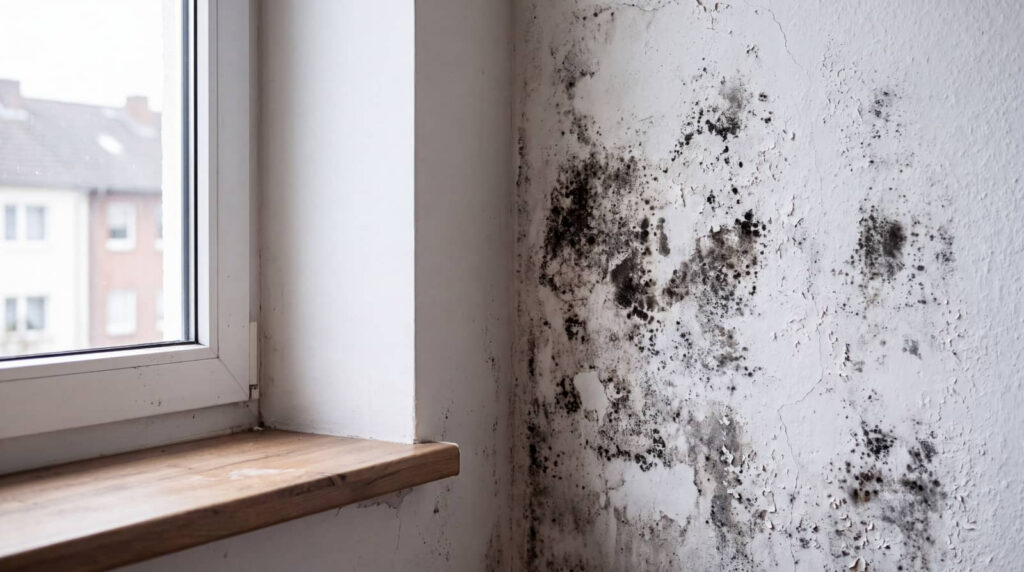
While water extraction is essential in mitigating damage, the risk of mold growth looms if proper measures aren’t taken immediately.
To protect your space and loved ones, implement these mold prevention strategies:
Dry Quickly: Use fans and dehumidifiers to reduce moisture levels within 24-48 hours.
Inspect Regularly: Use mold identification techniques to check for early signs of growth in hidden areas.
Seal Leaks: Address any plumbing issues to prevent future water accumulation and mold growth.
Maintain Ventilation: Ensure proper airflow in areas like bathrooms and basements to discourage mold development.
Document Damage for Insurance Claims
After addressing mold growth, documenting water damage becomes vital for securing insurance claims. Start by taking clear photos of the affected areas, capturing both the extent of the damage and any personal belongings impacted. This visual evidence strengthens your insurance documentation.
Keep a detailed record of all repairs and expenses, including receipts and invoices, as these play a significant role in the claim process. Don’t forget to create a timeline of events—when the damage occurred, when you reported it, and any actions taken.
Communicate regularly with your insurance adjuster to ensure you’re meeting all requirements. By staying organized and proactive, you’ll enhance your chances of a successful claim and feel a sense of belonging in your community’s support network.
Preventing Future Water Damage: Practical Tips
To prevent future water damage, it’s essential to take proactive measures that protect your home.
Implementing effective waterproofing techniques and drainage solutions can save you from costly repairs down the line. Here are some practical tips:
Inspect and Maintain Gutters: Regularly clean and repair gutters to ensure proper flow away from your home.
Seal Cracks: Use waterproof sealants on cracks in your foundation and basement walls.
Install a Sump Pump: A sump pump can efficiently manage excess water during heavy rains.
Create Grading: Ascertain your landscaping slopes away from your home to direct water away from the foundation.
Frequently Asked Questions
How Long Does Water Extraction Typically Take?
Water extraction typically takes a few hours to several days, depending on the severity. You’ll want to contemplate various water extraction techniques and extraction equipment options to optimize efficiency and ensure thorough results.
Can I Perform Water Extraction Without Professional Help?
Yes, you can perform water extraction without professional help. Using DIY techniques and recommended equipment like pumps and wet vacs, you’ll reclaim your space. Just remember, safety first—don’t plunge in without proper precautions!
What Are the Health Risks of Water Damage?
Water damage poses serious health risks, including mold growth that can trigger allergies and respiratory issues. It can also lead to structural damage, compromising your home’s safety. Acting quickly is essential to mitigate these risks.
How Do I Choose a Reliable Water Extraction Service?
Choosing a reliable water extraction service is like finding a trusted friend. Check their service credentials and read client testimonials to ensure they’ve got a solid reputation. Your peace of mind depends on their expertise.
Is Homeowner’s Insurance Likely to Cover Water Extraction Costs?
Homeowner’s insurance might cover water extraction costs, especially if you have flood coverage. However, check your policy limits carefully, as they can vary greatly, impacting the amount you’ll receive for damages and cleanup.
Recap
In the aftermath of a water emergency, swift action is key to minimizing damage. By following these steps, you’ll restore your space and protect your investment—like a knight donning armor before battle. Remember to document every step for insurance purposes and remain vigilant against mold. With the right tools and precautions, you can turn a potential disaster into a manageable situation, ensuring your home stays safe and sound for the future.