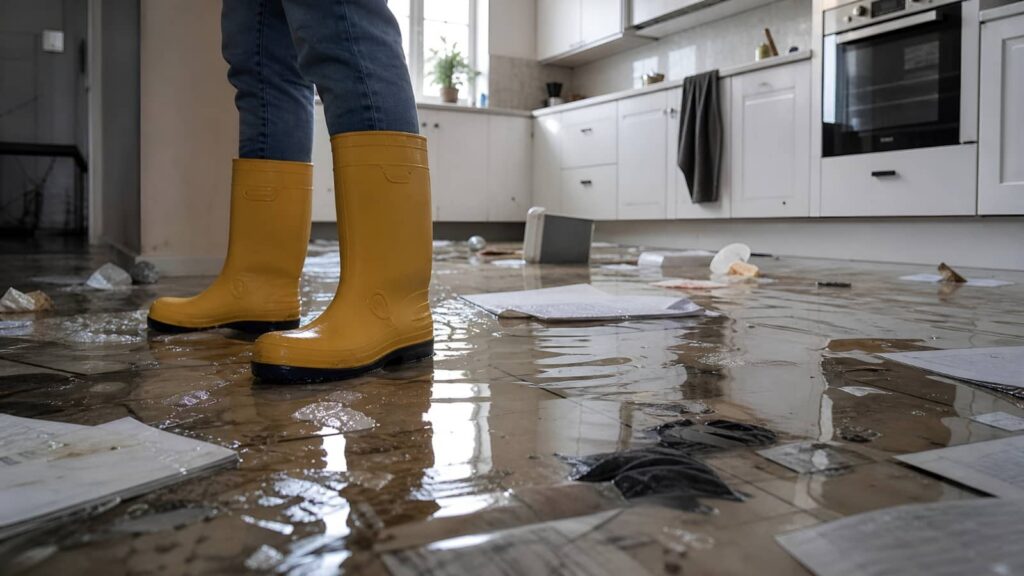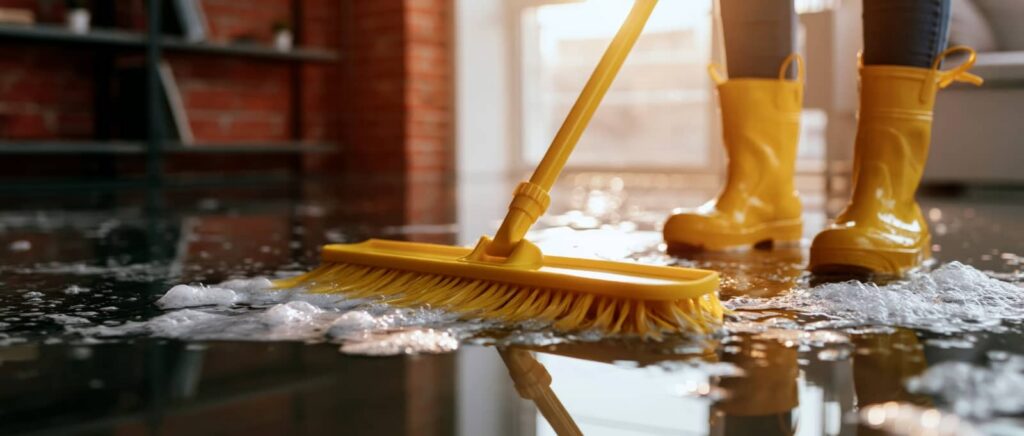
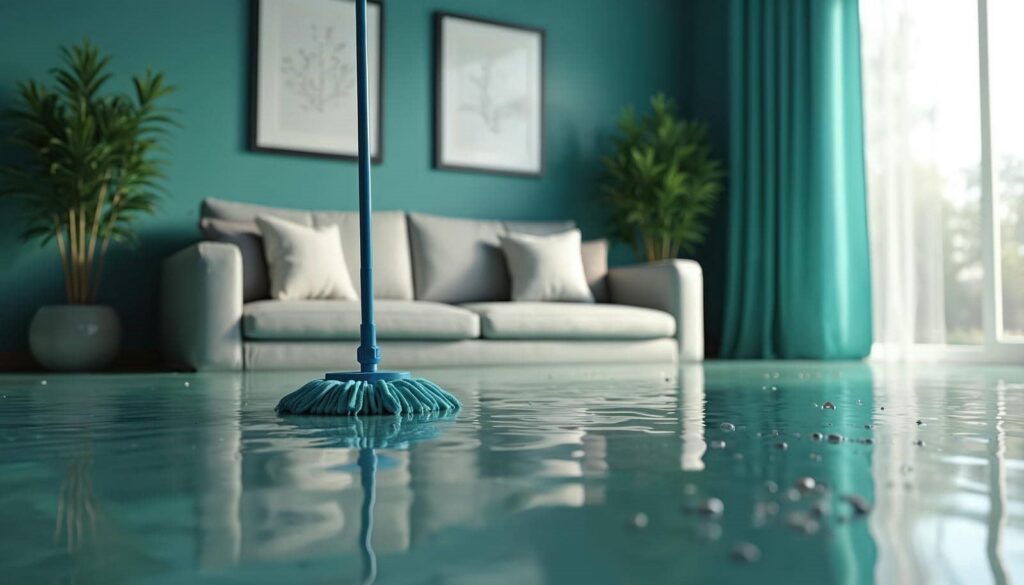
When faced with water damage, you need a clear strategy to minimize impact. First, understand the source and extent of the issue. Then, selecting the right tools is essential for efficient water removal. Finally, consider how to prevent future incidents to safeguard your space. Each step plays an important role in effective water management, and understanding these can greatly influence your outcomes. So, what are the essential tools and techniques you should prioritize?
Key Takeaways
- Use reliable suction pumps to efficiently extract large volumes of standing water from affected areas.
- Deploy portable dehumidifiers to eliminate residual moisture and prevent mold growth.
- Inspect and repair leaks promptly to minimize the risk of future water damage.
- Ensure proper ventilation in damp areas to maintain low humidity levels.
- Conduct regular maintenance checks to identify and address potential moisture issues early.
Understanding the Source and Impact of Water Damage
When you think about water damage, it’s vital to identify its sources and understand its potential impact. Common sources include leaks, flooding, and high humidity, each leading to significant structural and health risks.
Effective moisture detection is imperative; without it, hidden damage can worsen, causing mold growth and deterioration. Conducting a thorough damage assessment helps you gauge the extent of the problem, informing your next steps.
Recognizing early signs, such as discoloration or a musty odor, can save you time and money. Engaging with professionals can further ensure accurate evaluations, fostering a sense of security in your living environment.
Choosing the Right Tools for Water Removal
Selecting the right tools for water removal is vital for effective and efficient cleanup. You’ll want to take into account using suction pumps, as they’re designed to extract large volumes of water quickly.
Whether you’re dealing with a flooded basement or a minor leak, a reliable suction pump can make a significant difference in your cleanup time.
Additionally, portable dehumidifiers are essential for eliminating residual moisture. They help prevent mold growth and further damage, ensuring your space dries thoroughly.
When choosing these tools, prioritize quality and efficiency to achieve the best results.
Preventing Future Water Damage After Removal
Although you’ve effectively removed water, preventing future damage requires a proactive approach. Start by ensuring proper moisture control in your environment. Use dehumidifiers in damp areas and regularly check for leaks in plumbing and roofing.
Proper ventilation in basements and attics helps reduce humidity levels, minimizing mold prevention risks. Invest in water-resistant materials for vulnerable areas, like bathrooms and kitchens, to further enhance protection.
Regularly inspect and clean gutters to prevent water accumulation around your home. Additionally, consider sealing basement walls to block moisture infiltration.
Frequently Asked Questions
How Long Does It Take for Water Damage to Become Serious?
Water damage can escalate seriously within 24 to 48 hours, depending on water duration. The longer you wait to address it, the more extensive the damage becomes, potentially leading to mold and structural issues.
Can I Stay in My Home During Water Removal?
You can stay in your home during water removal, but ensure the water is safely removed. If drying equipment usage creates excessive noise or fumes, consider temporary relocation to maintain comfort and health while the process unfolds.
What Should I Do if Mold Starts to Grow?
If mold starts to grow, act quickly. Use mold prevention techniques like improving ventilation and reducing humidity. Apply effective cleanup techniques, such as scrubbing surfaces with a mixture of water and detergent. Don’t hesitate; your health matters.
Are There Any Health Risks From Water Damage?
Yes, water damage poses serious health risks; many asthma cases are linked to moisture problems. Mold growth can lead to respiratory issues, allergies, and other health effects, so addressing water damage promptly is essential.
How Can I Tell if My Insurance Covers Water Damage?
To determine if your insurance covers water damage, review your insurance policy and check the coverage limits. Look for specific clauses detailing water damage and consult your agent for clarification on any uncertainties.
Review
Water damage can spread like a silent wildfire, quickly escalating from a minor inconvenience to a major disaster. By understanding the source and using the right tools, you can effectively tackle the issue head-on. Remember, removing water is just the beginning; taking preventive measures ensures that the cycle doesn’t repeat. Stay vigilant and proactive, and you’ll safeguard your space against the hidden dangers that moisture can bring. Your home deserves it.