When sewage backs up into your basement, every minute raises the risk of pathogen spread, structural damage, and code violations. You’re dealing with contaminated water, aerosolized hazards, and fast-moving moisture that can reach framing, flooring, and HVAC systems. Immediate containment and cleanup can limit exposure, reduce remediation scope, and help you avoid secondary mold growth. What happens in the first few hours often determines the full extent of the loss.
Key Takeaways
- Emergency sewage cleanup matters now because raw sewage exposes people to dangerous bacteria, viruses, and parasites.
- Fast cleanup reduces rapid spread through floors, wall cavities, and hidden drainage paths.
- Immediate containment helps prevent contamination of clean areas, HVAC systems, and porous materials.
- Delays increase mold growth risk, odor, and respiratory health problems within 24 to 48 hours.
- Prompt cleanup supports safety, documentation, insurance claims, and compliance with health standards.
What Makes Emergency Sewage Cleanup Urgent?
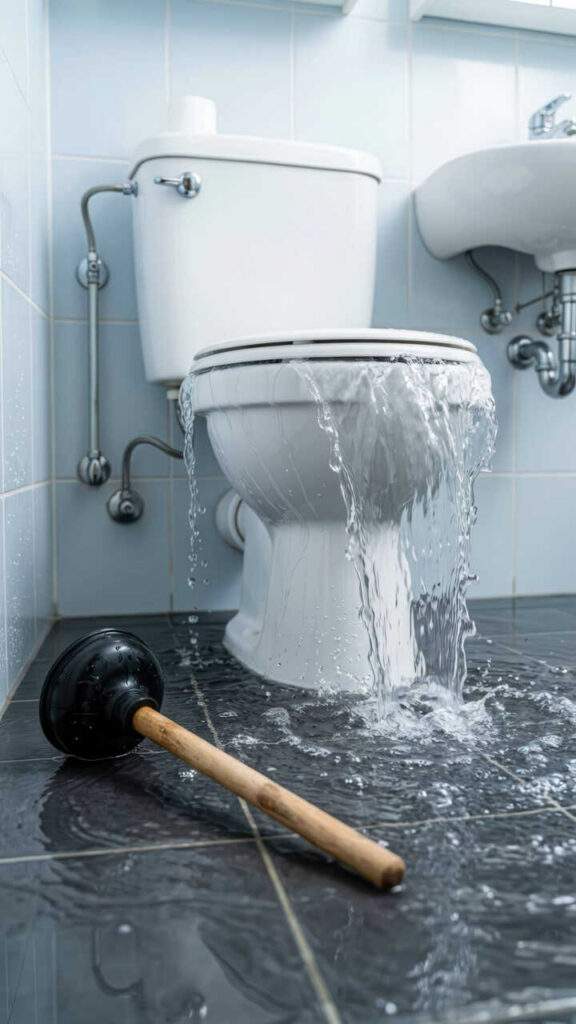
Emergency sewage cleanup is urgent because raw sewage can rapidly expose occupants to pathogenic bacteria, viruses, and parasites, creating an immediate public health hazard.
You need rapid containment, because sewage urgency increases when contaminated materials contact floors, walls, and HVAC components.
You should follow cleanup protocols that isolate the area, restrict access, and remove unsanitary waste under applicable health and safety rules.
You also need PPE, disinfection, and controlled disposal to reduce exposure risks and restore compliance.
Delays can intensify odor, biohazard concerns, and documentation burdens for your facility.
If you’re responsible for the site, act with your team and coordinate with qualified responders so everyone stays protected and informed.
This approach supports safe reentry, regulatory alignment, and a clearer path to recovery.
Why Sewage Water Spreads Fast?
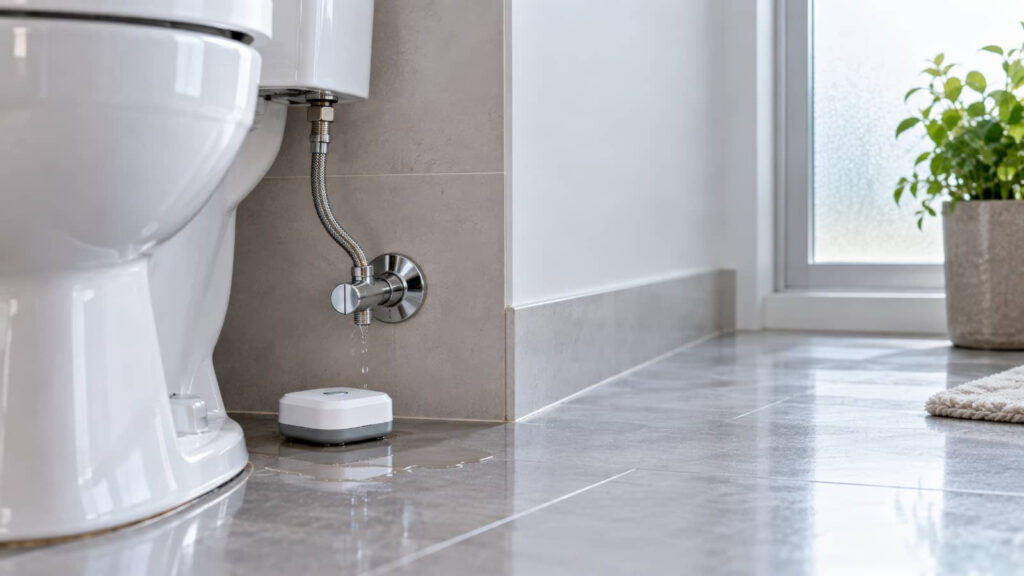
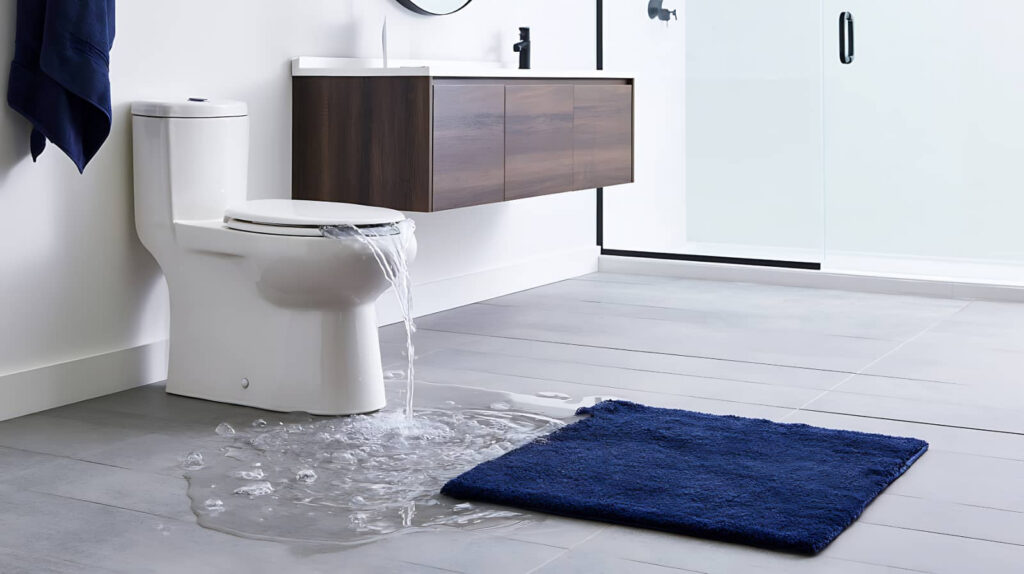
You’ll see sewage water spread quickly because it follows rapid flow paths through flooring gaps, wall cavities, and low points in the structure.
It can also travel through hidden drain networks, where connected plumbing and floor drains move contamination beyond the visible spill area.
For regulatory cleanup, you need to identify these pathways immediately so you can contain the affected zone and limit secondary exposure.
Rapid Flow Paths
Sewage water spreads quickly because it follows the path of least resistance through floors, wall cavities, drain lines, and low-lying areas, allowing contamination to move far beyond the original source in minutes.
You’ve got to treat every minute as a compliance issue, because sewage flow can undermine flooring, insulation, and structural assemblies before you see visible pooling. A rapid response limits migration, protects adjacent occupied spaces, and supports documented remediation under local health and building codes.
You should isolate the affected area, stop foot traffic, and verify all source control measures right away. When you act fast, you help your team stay aligned, reduce exposure risks, and keep cleanup steps consistent with accepted sanitation standards.
Hidden Drain Networks
Behind walls and under floors, hidden drain networks can move sewage far beyond the visible spill area through branch lines, vent stacks, floor drains, sump pits, and failed pipe joints.
You can’t rely on surface drying alone, because drain systems often retain contaminated water in low points and concealed voids. Once pressure changes or blockages occur, sewage can backflow into connected fixtures and spread through hidden networks into adjacent rooms, shared chases, and utility spaces.
You should isolate affected plumbing, document migration paths, and follow applicable health and building codes during cleanup.
Teams that act with you in mind use containment, negative air, and verified disinfection to protect occupants. Fast source control limits exposure, reduces cross-contamination, and supports compliant restoration.
Emergency Basement Sewage Cleanup Risks
When you clean up sewage in a basement, you face immediate health hazards from pathogens, aerosolized contaminants, and contact with contaminated water.
You also risk structural damage if saturated materials, electrical systems, or load-bearing components aren’t assessed before work starts.
Because of these conditions, you should treat basement sewage cleanup as a regulated exposure and damage-control event.
Health Hazards
Even a small basement sewage backup can expose you to serious health hazards, including bacteria, viruses, parasites, and aerosolized contaminants that can enter through inhalation, skin contact, or accidental ingestion.
You’re dealing with pathogen exposure, and that means you should treat the area as contaminated until professionals verify it’s safe. Sewage can also contain toxic chemicals, detergents, and pharmaceutical residues that increase acute and chronic risk.
If you enter the space, wear approved PPE, avoid splashing, and wash exposed skin immediately. Keep children, pets, and anyone with asthma, immune suppression, or open wounds away from the area.
Follow local public health and occupational safety guidance, isolate affected materials, and report symptoms such as fever, vomiting, diarrhea, or respiratory irritation promptly. Acting together protects everyone.
Structural Damage
Sewage intrusion doesn’t stop at contamination; it can quickly weaken the building itself. You need to treat basement exposure as a structural event, not just a sanitation issue. Standing wastewater can degrade framing, drywall, insulation, and concrete, reducing structural integrity and increasing repair costs.
Inspect load-bearing walls, joists, and subflooring for swelling, rot, and delamination.
Remove saturated materials under code requirements before hidden decay spreads.
Document damage for insurance, permitting, and qualified restoration review.
If you belong to a community of property owners who value safe homes, act fast and coordinate with licensed professionals.
Delayed cleanup lets moisture migrate, compromises electrical systems, and can trigger more extensive remediation. Your prompt response protects the building, your budget, and everyone who relies on the space.
Health Hazards in Sewage Spill Cleanup
Because sewage spills can expose you to serious biological, chemical, and physical hazards, cleanup must account for risks such as pathogenic bacteria, viruses, parasites, sharp debris, and airborne contaminants.
You face pathogen exposure through contact with contamination sources, so you should follow strict sanitation practices and approved cleanup protocols. Use protective measures such as gloves, boots, eye protection, and respiratory control to reduce uptake and injury.
In organized emergency response, you and your team should isolate affected areas, limit entry, and document exposures.
Monitor health after cleanup because long term effects can include infection, gastrointestinal illness, dermatitis, and respiratory irritation. Report symptoms promptly, and keep health monitoring active until authorities confirm the site meets hygiene and safety criteria for return.
How to Stop Basement Contamination
To stop basement contamination after a sewage spill, you must first isolate the area and prevent spread to clean surfaces, drains, and HVAC returns.
Then apply preventive measures that fit your space and local code.
Use basement sealing, water barriers, and drainage solutions to block entry points.
Check sump pumps, set emergency kits nearby, and confirm flood insurance requirements.
Schedule routine inspections, plumbing maintenance, and soil testing to verify site stability.
You belong to a prepared community when you document conditions, notify your insurer, and correct defects fast.
Keep floors dry, limit access, and maintain ventilation controls.
These steps reduce recurrence, support compliance, and help you restore safe use without delay, while protecting shared spaces and equipment from further contamination.
Why Sewage Requires Biohazard Cleanup
You treat sewage as a biohazard because it can expose you to bacteria, viruses, parasites, and other pathogens that trigger acute illness.
You also have to account for contamination that extends beyond standing water, since aerosolization, porous materials, and surface contact can spread hazardous residues throughout the structure.
Regulatory cleanup protocols require containment, disinfection, and proper disposal to reduce these health and contamination risks.
Health Risks of Sewage
Sewage contains pathogenic bacteria, viruses, parasites, and other contaminants that can spread disease through direct contact, inhalation of aerosols, or cross-contamination of surfaces and materials.
You should treat sewage pathogens as an immediate public health hazard and follow biohazard protocols without delay. This approach protects your team and helps everyone maintain a safe, compliant workspace.
- Wear approved PPE to reduce exposure.
- Restrict access until cleanup and disinfection are complete.
- Dispose of contaminated materials under local regulatory requirements.
You belong with the professionals who prioritize containment, sanitation, and documented control measures.
When you respond quickly, you lower infection risk and support public health standards. Emergency sewage cleanup isn’t optional; it’s a regulated health protection step that helps restore safe conditions for everyone involved.
Contamination Beyond Water
Although water often gets the most attention, sewage contamination extends far beyond visible flooding because it deposits biohazardous solids, aerosolized particles, and microbes into porous materials, HVAC systems, and concealed structural cavities.
You’re dealing with multiple contamination sources, not just pooled liquid, so every affected surface can harbor pathogens, endotoxins, and persistent odors.
Regulated cleanup teams must remove damaged materials, disinfect remaining substrates, and verify that hidden voids are dry and sanitary.
If you delay, long term effects can include mold amplification, ongoing cross contamination, and failure of indoor air quality standards.
You belong in a response process that treats sewage as a biohazard, because that approach protects occupants, supports compliance, and reduces the chance of recurring exposure after restoration work finishes.
How Cleanup Limits Water Damage
Rapid sewage cleanup limits water damage by removing contaminated water before it can migrate into porous materials, subflooring, and wall cavities. You reduce water absorption and support damage prevention when you isolate the area, extract standing liquid, and dry exposed surfaces within the required response window.
Your team should document moisture readings, remove saturated contents, and verify that structural materials stay within acceptable limits.
- Shut off affected utilities and restrict access.
- Remove wastewater and clean hard surfaces promptly.
- Confirm drying with calibrated meters and written records.
When you follow these steps, you meet common remediation expectations and protect the property from avoidable repair costs. You also stay aligned with public health guidance and preserve the building’s serviceability for everyone involved.
Mold Growth After Basement Sewage Flooding
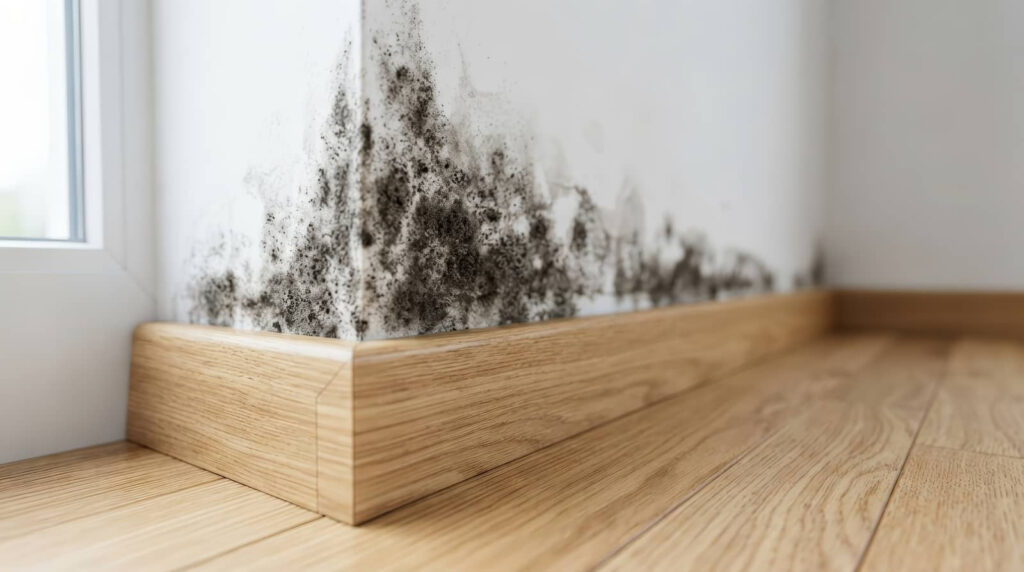
Once basement sewage flooding leaves moisture in drywall, framing, insulation, or concrete pores, mold can begin colonizing within 24 to 48 hours if you don’t fully dry the area.
You’re dealing with mold spores that settle quickly in damp environments and feed on residual organic material. To interrupt the growth cycle, you need strict moisture control, prompt removal of contaminated materials, and documented cleanup techniques that meet local health and building requirements.
Use containment, negative pressure, and verified drying before reoccupying the space. These prevention strategies help protect air quality for you and everyone in your household.
If you delay, the health implications can include respiratory irritation and allergic responses. Acting fast keeps your community safer and reduces the chance of recurring indoor contamination.
What Mold Remediation Prevents
Mold remediation prevents indoor contamination from spreading into adjacent rooms, HVAC systems, and porous building materials after sewage exposure. You protect occupants by removing contaminated residues, drying affected surfaces, and verifying safe conditions under applicable health and building standards.
Use these mold prevention strategies to limit regrowth and secondary exposure.
- You isolate affected zones to reduce cross-contamination.
- You apply moisture control methods to reach dry, stable materials.
- You dispose of damaged porous items that can’t be properly cleaned.
This process helps you meet regulatory expectations and supports a healthier shared environment for everyone in your building.
How Mitigation Protects Your Basement
When you mitigate sewage intrusion in a basement, you limit contamination, structural deterioration, and unsafe moisture conditions before they spread to framing, insulation, and adjacent occupied areas.
You protect your basement by removing blackwater promptly, isolating affected surfaces, and verifying complete drying under moisture-control standards. These mitigation strategies reduce pathogen exposure, corrosion, and odor persistence, while supporting code-compliant restoration and helping your household stay safer together.
You also preserve concrete, subflooring, and mechanical systems by stopping capillary migration and microbial growth early. For effective basement protection, you should document damage, use proper PPE, and coordinate disposal with local regulations.
Timely response keeps your space more stable, healthier, and ready for approved repairs without unnecessary secondary loss.
Review
When sewage backs up into your basement, “waiting it out” is the worst plan you can make. You may think the mess stays contained, but it can spread fast, contaminate materials, and trigger mold before you notice. You need immediate cleanup to limit exposure, meet sanitation requirements, and protect the structure. In other words, the nastier the leak, the quicker you’ll need to act to keep your “small problem” from becoming a regulated disaster.