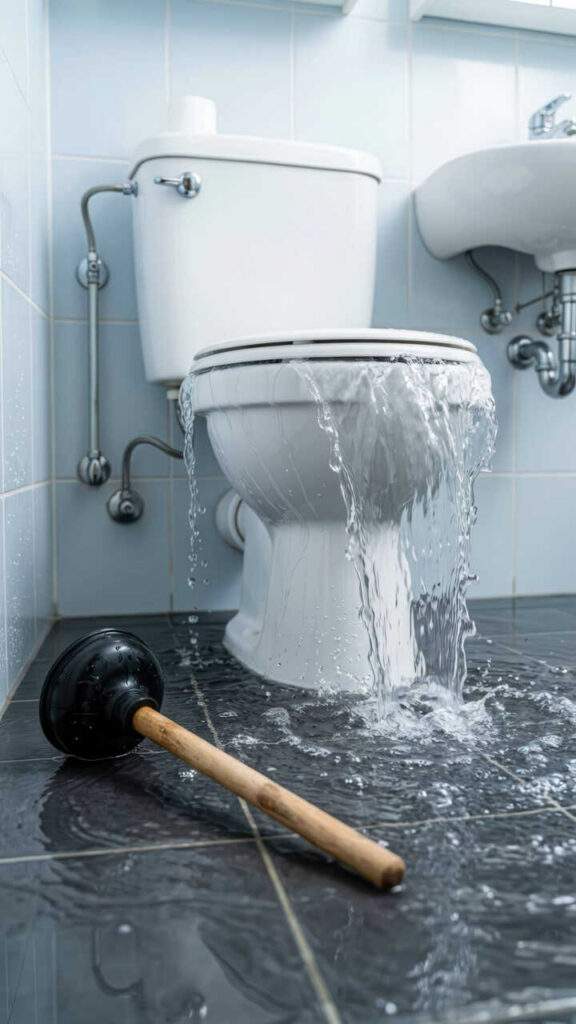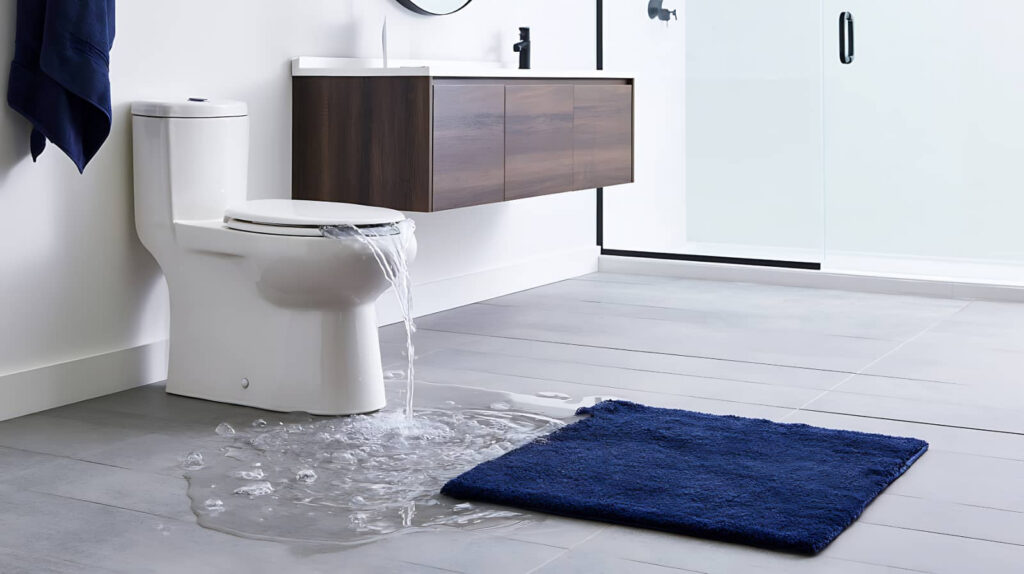
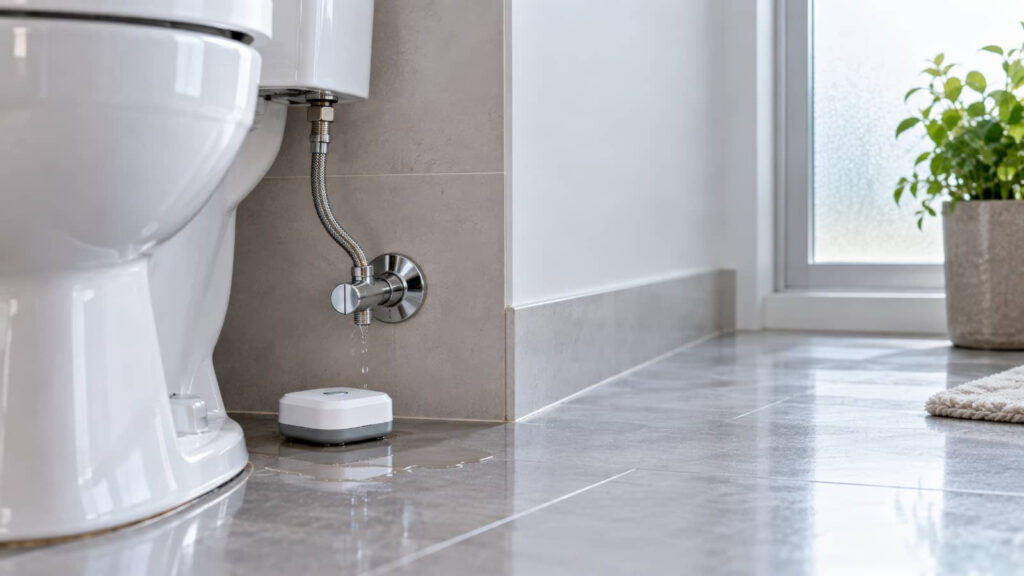
After sewage flooding, you need to stop the backup fast, then shut off power and water to the affected area. Put on gloves, boots, and other PPE before you enter, because the water can carry serious contaminants. Pump out standing water, remove damaged porous materials, and disinfect hard surfaces. If the damage is widespread or the smell won’t clear, you may need professional help—but first, check one critical step.
Key Takeaways
- Stop the sewage flow, shut off power to affected areas, and turn off the main water supply if needed.
- Wear protective gear, including gloves, waterproof boots, goggles, and a respirator, before entering the area.
- Remove standing sewage water with a sewage-rated pump and discard porous items like carpet, drywall, and insulation.
- Disinfect hard surfaces with an EPA-registered sanitizer or bleach solution, then dry the area thoroughly with fans and dehumidifiers.
- Call a licensed plumber or sewage cleanup professional for major backups, hidden damage, or health-risk contamination.
Stop the Sewage Backup First
Before you clean up anything, stop the sewage from coming in. You need to act fast and stay focused.
Check the lowest drains, floor cleanouts, and the sewer line access point for active flow. If you can, close the main sewer cleanout cap securely to slow the backup.
Use sewage prevention tips: keep grease, wipes, and debris out of drains, and watch for early warning signs like slow flow or gurgling. Good plumbing maintenance helps you catch partial blockages before they spread.
If the backup keeps rising, call a licensed plumber or sewer service right away. You’re not dealing with this alone; many homeowners face the same problem, and fast source control protects your space, limits contamination, and makes the next cleanup steps safer.
Shut Off Power and Water
Once the backup is under control, shut off power to any affected area and turn off the main water supply if there’s any chance it will worsen the flooding. You protect your home and your crew by following emergency procedures before you touch anything else.
Use the breaker panel to cut electricity to wet spaces, and verify that no circuits feeding those areas stay live. Then close the main water valve to stop additional flow into damaged lines.
These safety protocols reduce shock risk, limit further contamination, and help you stabilize the site for cleanup. If you share the property with family or neighbors, tell everyone what you’ve done so they don’t restore power or water too soon.
Clear communication keeps your team aligned and ready for the next step.
Put on PPE Before You Enter
Suit up in PPE before you step into the flooded area. You need personal protective gear to keep sewage off your skin, eyes, and lungs. Choose safety equipment that fits well, seals properly, and stays on while you work. Your crew counts on you to stay protected, so don’t improvise.
Wear chemical-resistant gloves and waterproof boots.
Use a face shield or goggles with a tight seal.
Put on a respirator rated for contaminated air.
Check every item before entry. Replace torn gloves, cracked goggles, or damaged masks right away. Tape gaps only if the gear allows it.
Keep sleeves outside gloves and pants over boots to limit exposure. When you dress correctly, you protect yourself and support everyone working beside you.
Pump Out the Contaminated Water
With your PPE on, start removing the contaminated water as quickly and safely as possible. Use a submersible pump rated for sewage, and place the discharge hose where runoff won’t flow back inside.
Keep electrical connections dry, grounded, and elevated. If the water is deep, lower the pump slowly so you don’t stir up sludge or clog the intake.
Monitor the water extraction continuously, because levels can drop unevenly around corners and low spots. Shut the unit off immediately if you hear strain, vibration, or loss of flow, then clear debris and check pump maintenance items like the impeller, screen, and seals.
Work methodically, and stay in touch with your cleanup team so everyone knows the space is getting safer.
Remove Contaminated Items and Materials
Remove all porous items and materials that sewage has soaked, such as drywall, insulation, carpet, and upholstered furniture.
Place contaminated debris in sealed bags or containers and follow local disposal rules for hazardous waste or contaminated refuse.
Sort any items that might be salvageable only after you’ve confirmed they can be fully cleaned, disinfected, and dried.
Safe Disposal Steps
Start by sorting out everything sewage touched so you can dispose of it safely. Wear gloves, boots, and a mask, then bag porous materials that soaked through. Use safe disposal methods for items that can’t be disinfected, and treat all contaminated debris as hazardous waste until your local facility says otherwise.
Seal bags tightly, label them clearly, and move them out of the home without dragging them across clean areas.
- Bag and double-bag ruined drywall, insulation, and carpet padding.
- Separate sharp or broken items in puncture-resistant containers.
- Follow your waste hauler’s pickup rules before setting anything out.
You’re not handling this alone; follow local disposal rules, keep people away from the pile, and document what you remove for cleanup records.
Salvageable Item Sorting
Once you’ve cleared out the obviously ruined debris, sort the remaining items by what can be cleaned and what must go.
Wear gloves, boots, and a mask, and inspect each object for porosity, staining, odor, and structural damage. During item evaluation, set aside nonporous tools, sealed plastics, and intact metal that show strong restoration potential.
Discard drywall, insulation, carpet padding, mattresses, paper goods, and any swollen wood that absorbed sewage. Bag contaminated materials separately and keep them out of living spaces.
Wash salvageable items with detergent, then disinfect with an EPA-registered solution and let them dry completely. If you’re unsure, choose safety over savings.
Your cleanup crew should stay consistent, document decisions, and protect one another while you rebuild a healthy home.
Disinfect and Dry the Basement
Remove any remaining contaminated materials from the basement, including porous items that can’t be fully cleaned.
Then disinfect all hard surfaces with an appropriate bleach solution or EPA-registered sanitizer, following the label instructions.
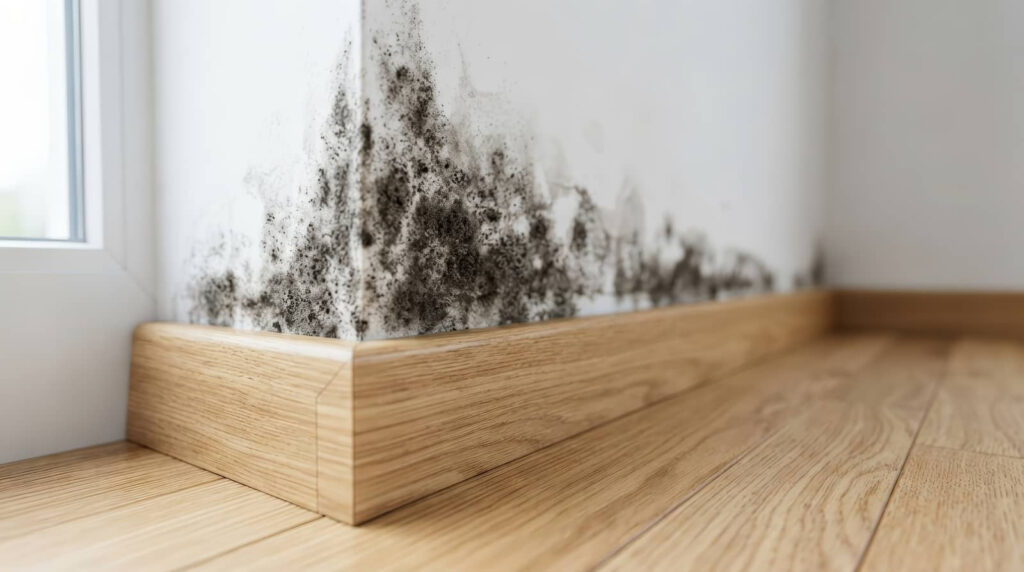
After cleaning, dry the basement thoroughly with fans, dehumidifiers, and steady ventilation to prevent mold growth.
Remove Contaminated Materials
Strip out any porous materials that sewage soaked, including carpet, padding, drywall, insulation, and upholstered items, because they can hold contamination even after they look dry. You’re protecting your crew and your home when you treat these items as hazardous materials.
Bag small debris at once and move contaminated furniture out for disposal or special handling.
- Wear gloves, boots, and a respirator.
- Cut materials into manageable sections.
- Seal waste before you carry it through shared spaces.
Work methodically so you don’t spread residue into clean rooms. Keep children and pets away, and make sure everyone helping knows the removal plan.
If you’re unsure whether a material can be salvaged, choose removal. Your space will recover faster when you clear out what sewage damaged and keep the remaining structure ready for the next step.
Disinfect All Surfaces
After you clear out damaged materials, scrub every hard surface in the basement with a disinfectant labeled for sewage cleanup, then let the area dry completely.
Use surface sanitization techniques that cover floors, walls, stairs, joists, and any intact fixtures. Work from the cleanest area toward the dirtiest, changing cloths or mops as soon as they soil.
Mix effective disinfectant solutions exactly as directed; stronger isn’t safer. Wear gloves, boots, and eye protection so you can work confidently with your household or cleanup team.
Keep pets and kids out until every treated surface is free of residue. If you miss a spot, sanitize it again right away.
Consistent cleaning helps your space feel safe, restored, and ready for the next recovery step.
Dry Basement Thoroughly
Once the basement surfaces are disinfected, start drying the space immediately with fans, dehumidifiers, and open ventilation to pull out lingering moisture. You need fast moisture control to protect your home and your crew.
Keep airflow steady across floors, walls, and hidden corners so dampness doesn’t settle.
- Run a dehumidifier nonstop until humidity drops below 60%.
- Lift wet materials off the floor to expose trapped water.
- Check wall cavities, insulation, and subfloors for hidden saturation.
Replace soaked drywall, carpet, and insulation if they stay wet after 24 to 48 hours.
Document what dries, what stays damaged, and what you remove. This disciplined approach supports mold prevention and helps you reclaim a safe basement with confidence.
When to Call Sewage Cleanup Pros
If sewage has backed up into more than a small, contained area, call a sewage cleanup pro right away. You’re facing more than a mess; you’re facing contamination that can spread fast.
Look for signs of damage such as soaked drywall, warped flooring, or lingering odors. Those conditions raise health risks from bacteria, viruses, and airborne particles.
A certified team can provide emergency response, isolate the area, remove waste, and start the restoration process correctly. They also document losses for insurance claims, which helps you avoid delays.
If you’re unsure, choose caution; pros know when hidden moisture, structural damage, or electrical exposure makes DIY cleanup unsafe.
Afterward, ask for prevention tips so your home’s protected and your household can get back to normal safely.
Final Thoughts
When the sewer issue is under control, keep your focus on safety and swift cleanup. You’ll want to cut power and water, suit up, pump out the mess, and remove anything that can’t be saved. Then disinfect hard surfaces and dry the area completely to help keep mold at bay. If the damage is broad or the health risks feel serious, don’t hesitate to call sewage cleanup professionals.