Many homes with flood damage develop mold within 48 hours, so you need to act fast. Certified mold remediation after a flood means trained pros assess moisture, isolate contaminated areas, remove water-damaged materials, and use HEPA filtration and dehumidification to stop spread. You’ll also get documentation and post-remediation verification, but the real question is how they decide what stays, what goes, and why that matters for your basement.
Key Takeaways
- Certified mold remediation after a flood is a documented process to remove mold safely and prevent cross-contamination.
- It begins with moisture assessment, containment, and HEPA filtration to control airborne spores.
- Professionals extract water, dry affected areas, and remove damaged porous materials like drywall and carpet.
- Certified teams inspect hidden areas, verify contamination levels, and confirm the space is safe after cleanup.
- Fast action within 24 to 48 hours helps protect indoor air quality and prevent structural damage.
Why Flooded Basements Need Mold Cleanup Fast
When a basement floods, mold can begin growing within 24 to 48 hours if moisture remains in place. You need to act fast because damp drywall, carpet, insulation, and wood hold water and accelerate colonization.
Flood damage isn’t just visible staining; it also creates hidden pockets where spores spread behind walls and under flooring. If you delay cleanup, humidity stays elevated, odors intensify, and materials may degrade beyond repair.
Quick water extraction, drying, and removal of saturated items support mold prevention and reduce structural loss. You also protect indoor air quality, which matters when you’re trying to keep your home healthy and comfortable.
Fast action helps you stay ahead of contamination and gives your household a safer place to belong.
What Certified Mold Remediation Means
Certified mold remediation means a trained professional follows a documented process to identify, contain, remove, and dry mold-affected materials while limiting cross-contamination.
You can expect the remediation process to start with a moisture assessment, then move to containment, HEPA filtration, controlled removal, and final drying.
A valid mold certification shows the technician has training in safe handling, source control, and proper waste management. This matters because you’re not just cleaning visible growth; you’re restoring conditions that support healthy indoor air and helping your household feel secure again.
Certified work also includes clear records, methods, and post-remediation verification when required. That documentation lets you know the job followed recognized standards, not guesswork, so you can trust the outcome and move forward with confidence.
Signs You Need Basement Mold Remediation
Basement mold remediation becomes necessary once moisture problems start creating visible growth, odors, or material damage that won’t resolve on their own.
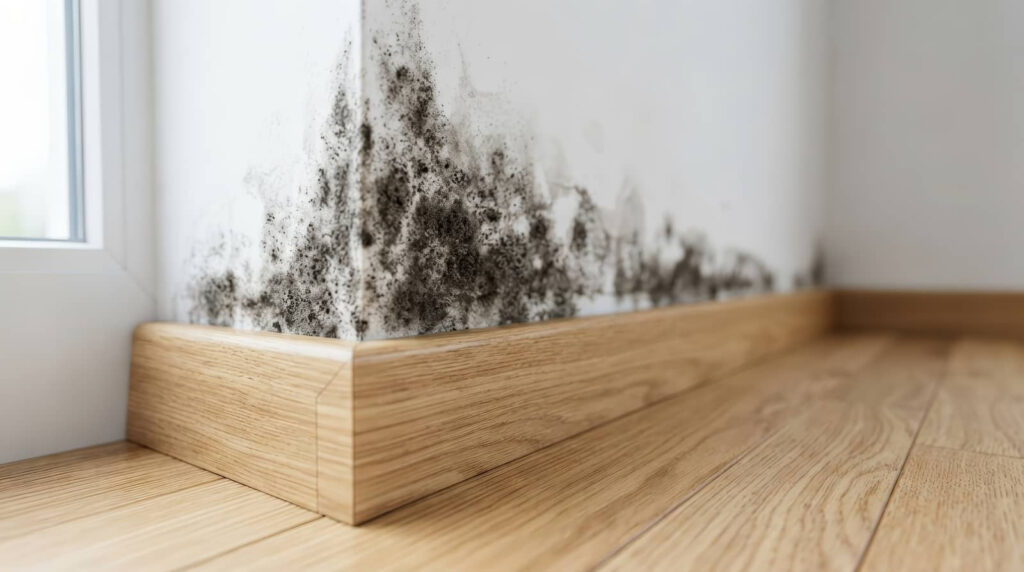
You may notice dark spots on walls, peeling paint, warped trim, or a persistent musty smell after flooding or leaks. These are common mold indicators that your basement’s humidity and drainage conditions aren’t staying stable.
You might also see condensation on pipes, damp insulation, or efflorescence beside foundation walls, which can signal ongoing water intrusion.
If you or your family members experience coughing, sneezing, headaches, or worsening allergies in the space, treat those as health risks tied to indoor mold exposure.
When these signs appear together, you need prompt action to protect your home’s structure and your household’s well-being.
What Experts Do Before Mold Spreads
Before mold can spread, you need to stop the moisture source, whether that’s a leak, seepage, or high humidity.
Certified experts isolate affected areas with containment barriers to limit spore movement and cross-contamination.
They then dry materials and the surrounding structure with controlled airflow and dehumidification to reduce conditions that support growth.
Moisture Source Control
Moisture source control starts with finding and stopping the water intrusion that lets mold grow, whether it comes from a roof leak, plumbing failure, foundation seepage, poor drainage, or high indoor humidity.
You’ll verify the source, repair it fast, and confirm the building envelope stays dry. Effective moisture management means you address wet materials, failed seals, and drainage defects before spores find a food source.
For humidity control, you’ll keep indoor relative humidity in the safe range with ventilation, dehumidification, and calibrated monitoring.
You also document the fix so your team can trust the environment again. When you control moisture at the source, you protect the structure, reduce recurrence, and create the stable conditions certified remediation requires after flood damage.
Containment And Drying
Once the water source is under control, certified mold remediation teams isolate the affected area with physical barriers and negative air pressure to keep spores from migrating into clean spaces.
You’ll see targeted drying next: high-velocity air movers, dehumidifiers, and moisture meters work together to reduce humidity and stop mold growth. Technicians inspect porous materials, remove unsalvageable items, and track drying progress until readings return to safe levels.
This process limits water damage, protects adjoining rooms, and helps you stay part of a healthy, controlled environment.
- Seal openings
- Monitor moisture
- Dry structural cavities
- Remove saturated debris
- Verify conditions are stable
How Professionals Remove Water and Contain Mold
Professionals start by extracting standing water with pumps, wet vacuums, and other specialized equipment. Then they dry affected materials with dehumidifiers and air movers to stop moisture from fueling further growth.
During water extraction, you get a faster response that limits saturation in framing, flooring, and contents. Next, a mold assessment guides containment, so technicians isolate damaged zones with plastic barriers and negative air pressure.
This setup helps keep spores from spreading into cleaner areas you share with your household or team. They also seal HVAC registers, remove contaminated porous items, and clean hard surfaces with approved antimicrobials.
You’ll notice a methodical process that protects indoor air quality, supports documentation, and prepares your space for safe clearance without unnecessary disruption.
What Happens During Basement Mold Remediation
During basement mold remediation, you first get a full inspection to identify the moisture source, affected materials, and contamination boundaries.
Next, you establish containment to prevent spores from spreading into adjacent spaces.
After that, you remove contaminated material and dry the basement to reduce moisture to safe levels.
Inspection And Containment
Before any remediation starts, inspectors evaluate the basement to identify mold growth, moisture sources, and the extent of contamination.
You’ll receive a detailed mold assessment that maps affected surfaces, hidden cavities, and likely spread patterns. They’ll check air quality with calibrated instruments to see whether spores are elevated and whether nearby rooms are impacted.
To protect your space, the team sets containment barriers, seals HVAC openings, and creates negative pressure so particles stay controlled. You’re kept informed at each step, so you know what’s happening and why.
- Visual inspection of walls, joists, and flooring
- Moisture readings from materials and air
- Sampling for suspected mold colonies
- Barrier placement around the work zone
- HEPA-filtered pressure control to limit spread
Removal And Drying
Once the inspection and containment are in place, the crew can start removing contaminated materials and drying the basement.
You’ll see porous items, like soaked drywall, carpet, and insulation, taken out because they trap spores after flood damage. The team bags debris, seals exits, and keeps the work zone isolated so contaminants don’t spread into your living space.
Next, they use pumps, air movers, and dehumidifiers to lower moisture in framing, concrete, and hidden cavities. They check readings with meters to confirm safe drying progress.
This step matters because mold can regain a foothold fast in damp conditions. Proper removal and drying support mold prevention and help you move back into a cleaner, safer space with confidence.
Why Certified Help Matters for Basement Mold
Because basement mold often grows in hidden, moisture-prone areas, certified help matters when you need a thorough assessment, safe containment, and proper removal. You get certified benefits when trained professionals follow verified protocols and document each step. Their expert knowledge helps you identify mold types, limit cross-contamination, and choose targeted remediation methods.
They inspect behind walls and under flooring.
They isolate affected zones with controlled barriers.
They use calibrated tools to verify contamination.
They remove materials without spreading spores.
They explain findings so you stay informed and included.
When you work with certified technicians, you’re not guessing about risk. You’re joining a process built on standards, accountability, and clear communication, so your basement gets treated with precision and care.
How Drying Protects Your Basement Structure
Drying is the critical step that stops basement moisture from turning a mold problem into structural damage. You protect your basement by lowering wood, drywall, and concrete moisture before decay, warping, or spalling can start.
Certified technicians use air movers, dehumidifiers, and moisture meters to confirm hidden cavities and sill plates reach safe levels. This approach preserves structural integrity by limiting swelling in framing and corrosion on fasteners.
You also reduce the chance that damp insulation will hold water against joists and subfloors. When you follow disciplined basement maintenance, you keep the space stable, usable, and safer for your household.
Fast, verified drying helps your home recover without silent weakening that can grow costly later.
How to Prevent Mold After Future Floods
After any future flood, you can reduce mold risk by acting within the first 24 to 48 hours: remove standing water, discard saturated porous materials, and dry all affected surfaces completely.
Use dehumidifiers and airflow to keep humidity below 60%, and inspect hidden cavities for moisture. Your mold prevention strategies work best when you document damage, clean with detergent, and seal dried materials only after they pass inspection.
- Shut off power before cleanup
- Wear gloves, boots, and a respirator
- Move furniture off wet flooring
- Check HVAC, insulation, and drywall
- Save flood preparedness tips in a kit
Summary
When you choose certified mold remediation after a flood, you protect your basement before mold can spread and damage your home. A certified team will inspect moisture, contain the affected area, remove contaminated materials, and dry the space with HEPA filtration and dehumidifiers. For example, if your basement stayed wet for 48 hours after a storm, mold can begin growing quickly. Acting fast helps you avoid costly repairs and protects your family’s indoor air.