When facing property reconstruction after water loss, it’s vital to start with a thorough assessment of the damage. Document everything to guide your repairs effectively. Engage qualified professionals who specialize in water damage restoration to guarantee quality outcomes. Prioritizing drying affected areas helps prevent mold growth, but what other steps can you take to safeguard your property? Understanding the full scope of restoration is fundamental for long-term protection against future incidents.
Key Takeaways
Assess the extent of damage thoroughly using moisture tools and document findings for effective planning and repairs.
Remove all standing water promptly and dry affected areas to prevent mold growth and further damage.
Replace damaged materials, such as drywall and insulation, to restore structural integrity and prevent future issues.
Choose qualified reconstruction professionals by checking credentials, experience, and client reviews for reliable service.
Implement preventive measures like effective drainage systems and regular moisture inspections to safeguard against future water damage.
Essential Steps for Effective Water Damage Restoration
When facing water damage, following a systematic approach is vital for effective restoration. Start by guaranteeing safety; turn off electricity and wear protective gear.
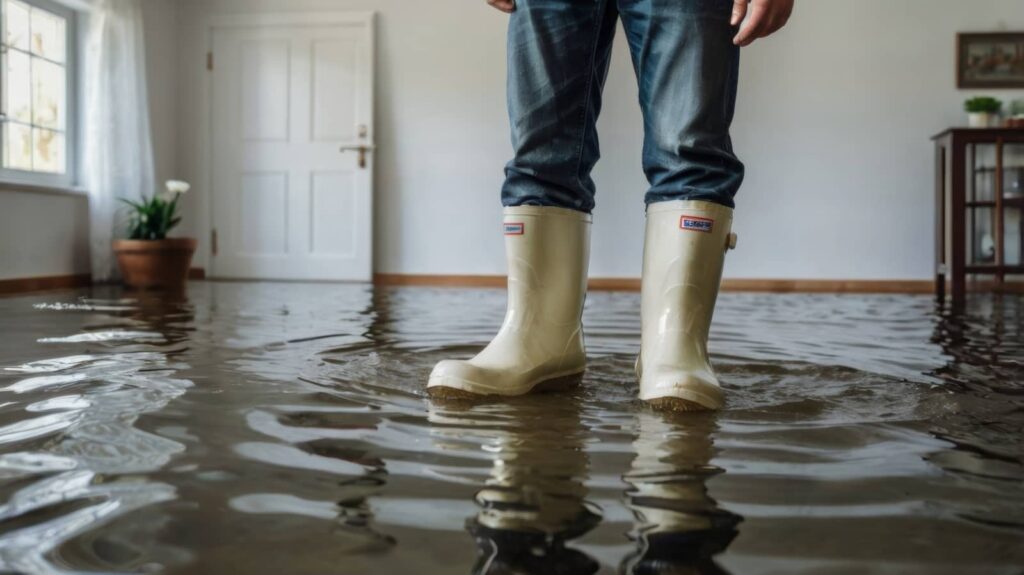
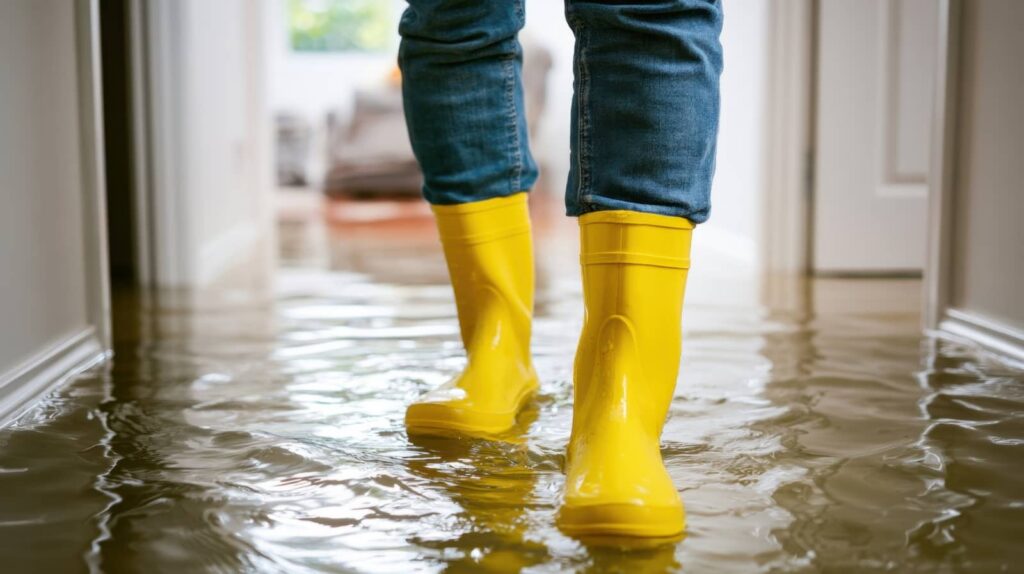
Next, remove standing water using pumps and wet vacuums. Once that’s done, focus on drying out the affected areas. Dehumidifiers and fans can help expedite this process, which is important in preventing mold growth.
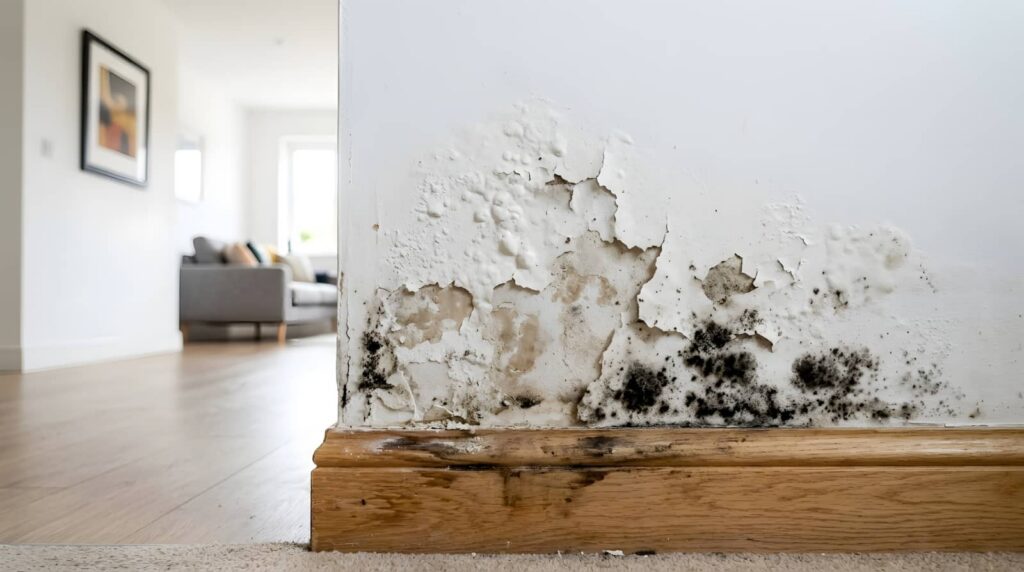
After drying, inspect for any signs of mold; if found, initiate mold remediation immediately to protect your health and maintain structural integrity.
Replace damaged materials like drywall or insulation as needed. Finally, consider applying water-resistant coatings to prevent future issues.
Assessing the Extent of Water Damage
To effectively assess the extent of water damage, you need to start by thoroughly inspecting the affected areas. Look for damage indicators such as discoloration, warping, and peeling paint, which signal underlying issues.
Use moisture assessment tools, like hygrometers, to measure humidity levels and pinpoint moisture sources. Check walls, floors, and ceilings, ensuring you examine hidden spaces like behind appliances or under carpets.
Document your findings with photos and notes to track the damage’s progression. This detailed approach not only helps you understand the situation but also aids in planning effective repairs.
How to Choose the Best Water Damage Reconstruction Professionals
Choosing the right water damage reconstruction professionals can considerably impact the recovery process, especially after a devastating incident.
Start by creating a qualifications checklist that includes certifications, experience, and specialized training in water damage restoration. Look for professionals with a proven track record in your area.
Don’t skip the importance of contractor reviews; explore testimonials and ratings from previous clients to gauge reliability and quality of work. It’s also wise to ask for references and check their insurance coverage.
Communication is key, so guarantee they’re responsive and transparent about the process.
Prevent Future Water Issues?
While addressing water damage is crucial, preventing future issues should be your top priority. Start by implementing effective drainage solutions around your property. Make sure gutters and downspouts direct water away from your foundation to minimize pooling. Additionally, consider installing French drains in areas prone to flooding.
Next, invest in moisture barriers, especially in basements and crawl spaces. These barriers can greatly reduce the risk of water intrusion and mold growth. Regularly inspect and maintain these systems to guarantee they function efficiently.
Lastly, monitor indoor humidity levels with dehumidifiers where necessary. This proactive approach not only safeguards your property but also fosters a sense of community by encouraging neighbors to adopt similar preventative measures.
Your efforts can lead to a healthier, water-safe environment for everyone.
How to Handle Insurance Claims for Water Damage?
When water damage strikes, maneuvering the insurance claims process can feel overwhelming, but understanding key steps can streamline your recovery.
First, gather thorough claim documentation, including photos of the damage and any repair estimates. This evidence supports your case and helps you communicate effectively with your insurer.
Next, review your policy coverage to understand what’s included and any exclusions. Knowing your rights can empower you during negotiations.
After submitting your claim, maintain regular contact with your adjuster and document all interactions. If delays occur, don’t hesitate to follow up.
Finally, consider seeking assistance from a public adjuster if you feel your claim isn’t being handled fairly. Taking these steps guarantees you’re well-prepared to navigate the claims process successfully.
Frequently Asked Questions
How Long Does the Reconstruction Process Typically Take?
The reconstruction timeline usually spans several weeks to months, depending on project management efficiency and scope. You’ll stay updated throughout, ensuring every detail aligns with your goals for a successful recovery and restoration.
What Materials Are Best for Water-Resistant Construction?
When you’re building, think of water-resistant materials like fiberglass, treated wood, and concrete. Combine these with effective construction techniques, ensuring durability and long-lasting protection against moisture. Your space deserves the best defense against water damage.
Can I Live in My Home During Reconstruction?
You can live in your home during reconstruction, but prioritize safety precautions. Consider temporary housing if severe damage exists. Guarantee proper ventilation and avoid hazardous areas to safeguard your well-being while repairs are underway.
How Can I Speed up the Drying Process?
You’d think water evaporates on its own, but it won’t. Use dehumidifiers and apply ventilation techniques to enhance airflow. Fans and open windows help speed up drying, ensuring your home’s restored quicker than expected.
What Signs Indicate Mold Growth After Water Damage?
You’ll notice musty odors, visible mold patches, or water stains as clear signs of mold growth. Prioritize moisture control and mold prevention strategies to safeguard your space and promote a healthier environment for everyone.
To Sum Up
In the aftermath of water damage, think of your property as a phoenix rising from the ashes. By following these effective reconstruction tips, you’re not just repairing; you’re fortifying your home against future threats. Engage skilled professionals, document every step, and keep your insurance provider in the loop. With proactive measures and a solid plan, you’ll transform your space into a resilient fortress, ready to withstand whatever nature throws your way.