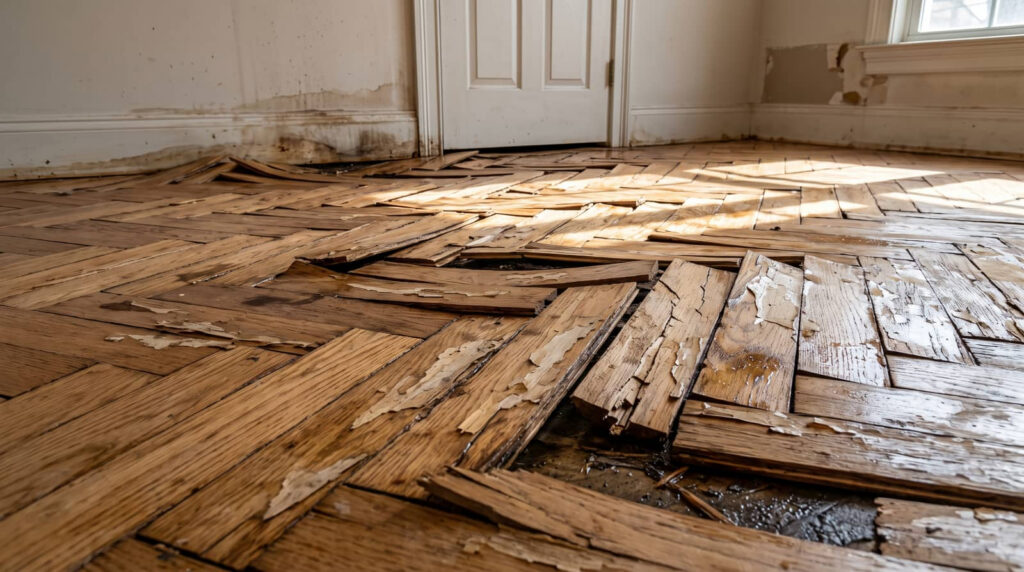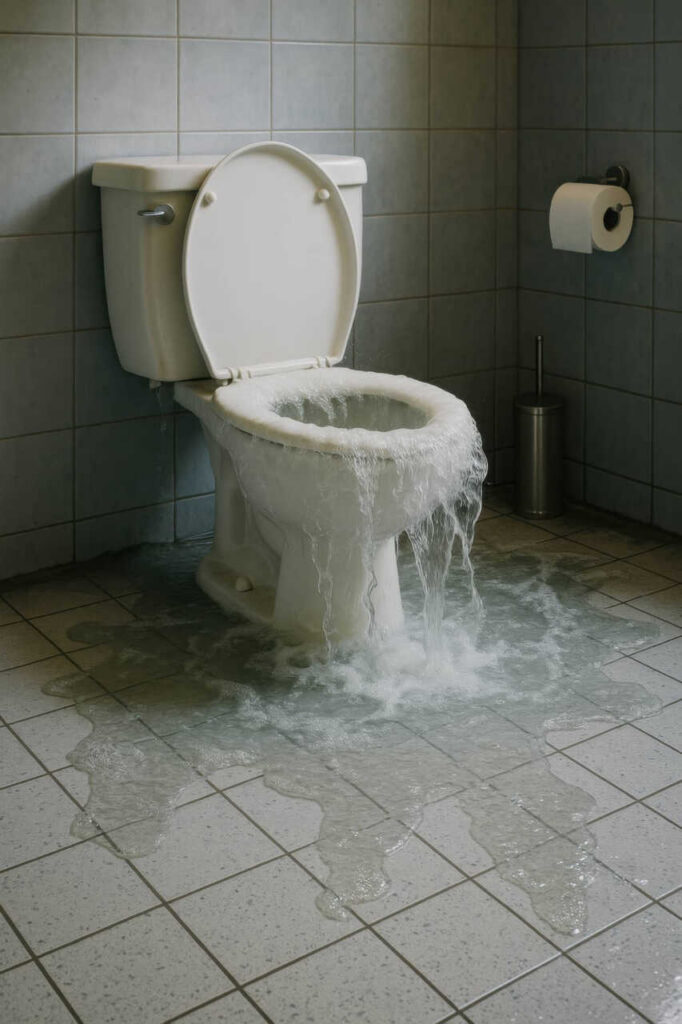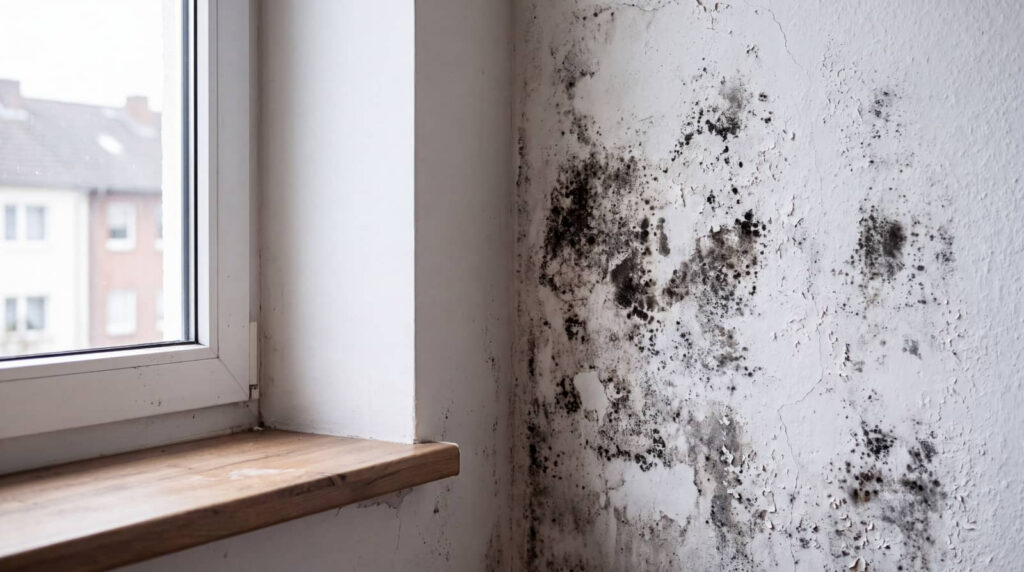
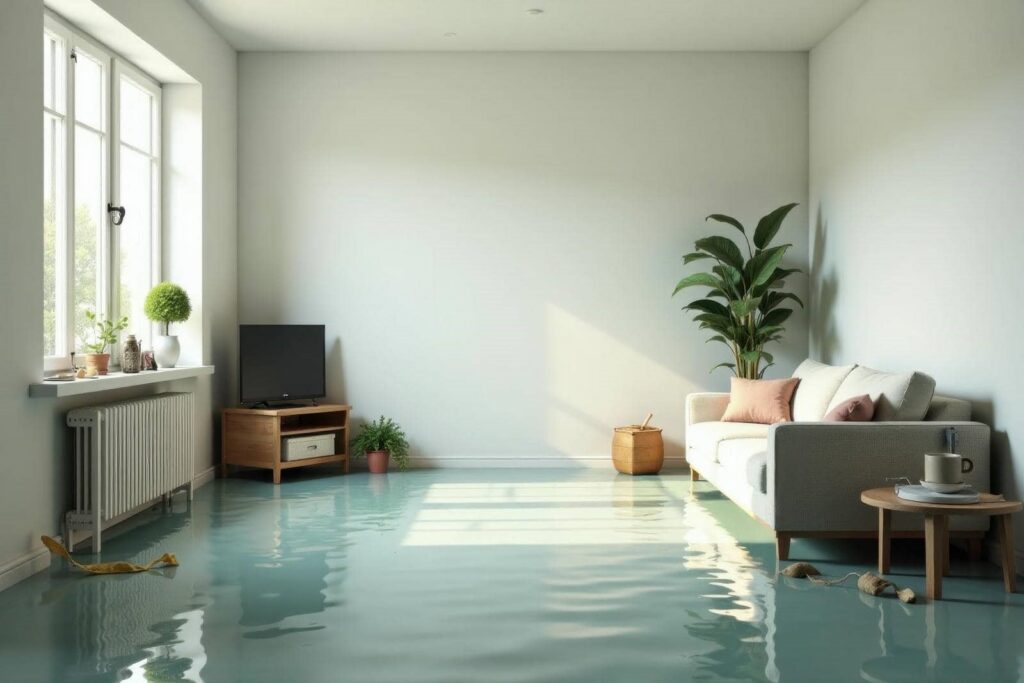
When faced with water damage, quick action is vital. Start by evaluating the water damage cleanup situation to ensure your safety before addressing the source of the problem. Shut off the water supply and electricity to prevent further issues. Once you’ve done that, focus on removing standing water and drying the affected areas. But that’s just the beginning—there are essential steps you need to follow to fully restore your space and protect your investment.
Key Takeaways
- Identify the source of water and ensure safety by shutting off the main water supply and electricity to avoid hazards.
- Remove standing water promptly using buckets, mops, or pumps to prevent further damage and mold growth.
- Dry affected areas by increasing air circulation with fans and using dehumidifiers to maintain 30-50% humidity.
- Clean and sanitize surfaces with soap and water, then apply disinfectants, ensuring proper ventilation and protective gear.
- Document all damage with photos and detailed lists to support insurance claims and facilitate necessary repairs.
Assess the Situation and Ensure Safety
When you encounter water damage, it’s essential to assess the situation immediately to ensure your safety and minimize further damage.
Start by identifying the source of the water and any potential hazards, such as electrical issues or structural instability. This initial risk assessment helps you understand the severity of the situation and informs your next steps.
Take necessary safety precautions, like wearing protective gear and ensuring proper ventilation. If the area is flooded, stay clear of any standing water until you’re sure it’s safe.
Consider the materials affected—carpets, furniture, and drywall can harbor mold if not addressed promptly.
After evaluating the scene, document the damage for insurance claims.
Shut Off Water Supply and Electricity
After ensuring your safety and evaluating the damage, the next step is to shut off the water supply and electricity to prevent further complications. This is vital for protecting both your property and yourself.
First, locate the main water valve and turn it off to stop any additional flooding. If you’re unsure where it is, it’s worth taking a few moments to find it before an emergency arises.
Next, head to your electrical panel. Turn off the main breaker to ensure electricity safety throughout your home. This action helps avoid electrical hazards, especially if water has reached outlets or appliances.
Once these steps are complete, you can focus on addressing the water damage without the worry of further complications. Remember, taking these precautions safeguards your property and provides peace of mind during a stressful situation.
You’re not alone in this; reaching out for help is always a smart option.
Remove Standing Water
To effectively tackle water damage, start by removing standing water as quickly as possible. Standing water can lead to further damage and mold growth, so time is of the essence.
Begin with water extraction; if the amount is manageable, use buckets or mops to eliminate it. For larger volumes, consider pump options like submersible or utility pumps. These can efficiently remove water from your space and help prevent further complications.
Make sure to position the pump correctly, ensuring it draws water from the lowest points. If you’re unsure about using pumps, don’t hesitate to consult with a professional. They’ve the expertise and equipment necessary for effective water extraction.
Dry and Dehumidify Affected Areas
Once you’ve removed standing water, the next step is drying and dehumidifying the affected areas.
Start by using fans and ventilation to increase air circulation, which helps expedite the drying process. Consider your dehumidifier selection carefully; choose one with the right capacity for your space to effectively reduce humidity levels. Aim for a relative humidity of around 30-60% to prevent mold growth.
Implement drying techniques such as placing absorbent towels or using a wet/dry vacuum to soak up residual moisture from carpets and upholstery.
If feasible, remove furniture and other belongings to allow for better airflow and drying. Monitor the drying progress regularly, as this ensures you catch any lingering dampness before it leads to further issues.
Clean and Sanitize Surfaces
As you tackle water damage, cleaning and sanitizing surfaces is essential to prevent health hazards and future problems. Start by using effective cleaning techniques, such as wiping down surfaces with a mixture of soap and water. This will help remove dirt and debris.
Next, choose appropriate sanitizing agents like bleach or hydrogen peroxide, making certain you follow the manufacturer’s instructions for dilution and application.
Pay special attention to high-touch areas, such as doorknobs, light switches, and countertops, as these can harbor harmful bacteria. After applying the sanitizing solution, let it sit for the recommended dwell time before rinsing or wiping it clean.
Remember to wear gloves and ensure proper ventilation during the process. By taking these steps, you’re not just cleaning; you’re creating a healthier environment for yourself and your loved ones, reinforcing your commitment to safety and well-being in your home.
Document Damage for Insurance Claims
After sanitizing surfaces, it’s important to document the damage for your insurance claims. Start by taking clear photos of all affected areas, capturing details like water stains, structural issues, and damaged belongings. This visual evidence is essential for your insurance documentation.
Next, make a list of damaged items with descriptions and approximate values. Be thorough; the more information you provide, the smoother the claim process will be.
If you’ve made immediate repairs to prevent further damage, keep receipts and invoices, as these can also support your claim.
Don’t forget to note the date and time of the incident, along with any conversations you have with your insurance adjuster. This organized approach not only helps in filing your claim efficiently but also strengthens your case, ensuring you receive the support you need during this challenging time.
Frequently Asked Questions
How Long Does It Take for Water Damage to Become Serious?
Water damage can become serious within 24 to 48 hours. If you don’t address it promptly, you risk mold growth and structural issues. Understanding the water damage timeline is vital to avoid these serious consequences.
Can I Use Regular Household Fans to Dry Wet Areas?
Yes, you can use regular household fans for drying wet areas. Their fan effectiveness can aid in evaporation. However, combine them with other drying techniques for best results, ensuring the area dries thoroughly and prevents mold growth.
What Items Can Be Salvaged After Water Damage?
You can salvage items like furniture through restoration, and important documents can often be preserved. Act quickly to assess what’s recoverable, as timely intervention increases the chances of saving your cherished belongings.
Is It Necessary to Hire Professionals for Water Damage Cleanup?
Hiring professionals for water damage cleanup ensures effective water extraction, thorough damage assessment, and swift recovery. They’ve got the expertise, equipment, and experience you need for a successful restoration, so you can focus on what matters.
How Can I Prevent Mold Growth After Water Damage?
To prevent mold growth after water damage, focus on moisture control. Dry affected areas quickly, use dehumidifiers, and ensure proper ventilation. Regularly monitor humidity levels to maintain a mold-free environment you can feel safe in.
Conclusion
In the face of water damage, acting quickly and efficiently is vital. By following these steps, you can mitigate further issues and protect your home. Remember, the aftermath of such incidents can be overwhelming—who wouldn’t feel anxious about potential damage? Taking control now safeguards your space and provides peace of mind. Don’t hesitate to reach out for professional help if needed; your safety and well-being should always come first during these emergencies.