When water floods your home, acting quickly is essential to minimize damage. You’ll need specific tools and techniques to extract water effectively and prevent further issues like mold growth. Understanding the right methods and equipment ensures you tackle the problem efficiently. But what exactly do you need to get started, and how can you secure safety during the process? Let’s explore essential strategies for effective water extraction.
Key Takeaways
- Act quickly to minimize water damage and prevent mold growth within 24-48 hours.
- Use a commercial-grade wet/dry vacuum for effective removal of standing water.
- Employ portable submersible pumps for deeper areas that require extraction.
- Utilize dehumidifiers to eliminate residual moisture after initial extraction.
- If flooding is extensive or structural damage occurs, call professionals for assistance.
Why You Need to Act Fast for Water Extraction
When water damage occurs, acting quickly can greatly reduce the extent of harm to your property. An urgency response is critical; every minute counts as water seeps into materials, compromising structural integrity and promoting mold growth.
If you delay, you risk escalating the damage, which can lead to costly repairs and health hazards. By responding swiftly, you can minimize the area affected and preserve your home’s value.
Your prompt action protects your investment and fosters a sense of community and support among neighbors who may face similar issues.
Essential Tools for Quick Water Extraction
To effectively extract water quickly, having the right tools is essential.
You’ll need recommended extraction equipment like pumps and dehumidifiers, as well as vital safety gear to protect yourself during the process.
Understanding these tools will enhance your efficiency and safety in water extraction efforts.
Recommended Extraction Equipment
Effective water extraction hinges on having the right equipment at your disposal. To tackle water damage efficiently, you’ll need a few essential equipment types.
First, consider a commercial-grade wet/dry vacuum. This tool excels in removing standing water quickly.
Next, portable submersible pumps are crucial for deeper water extraction methods, particularly in basements.
Don’t overlook the importance of dehumidifiers; they’ll help eliminate residual moisture, preventing mold growth.
Additionally, extraction wands can enhance the effectiveness of your vacuum by reaching tight spaces.
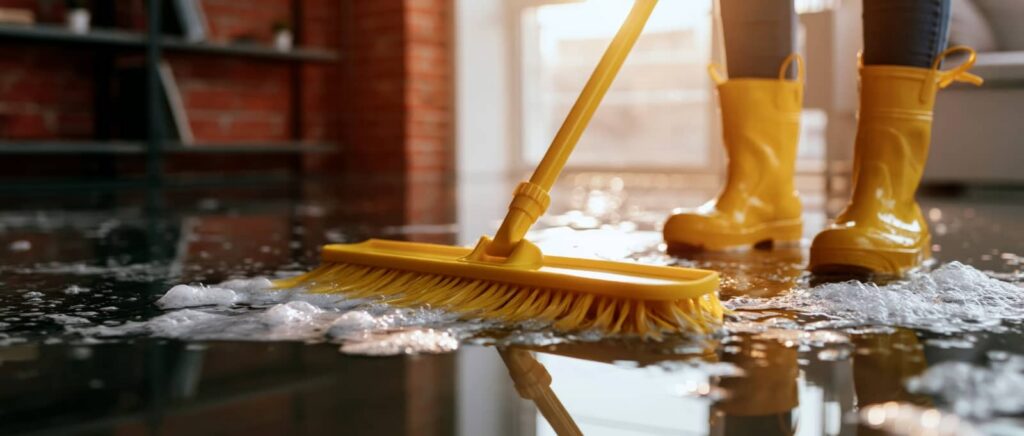
Finally, make sure you have an adequate supply of towels and mops for final touches.
Safety Gear Essentials
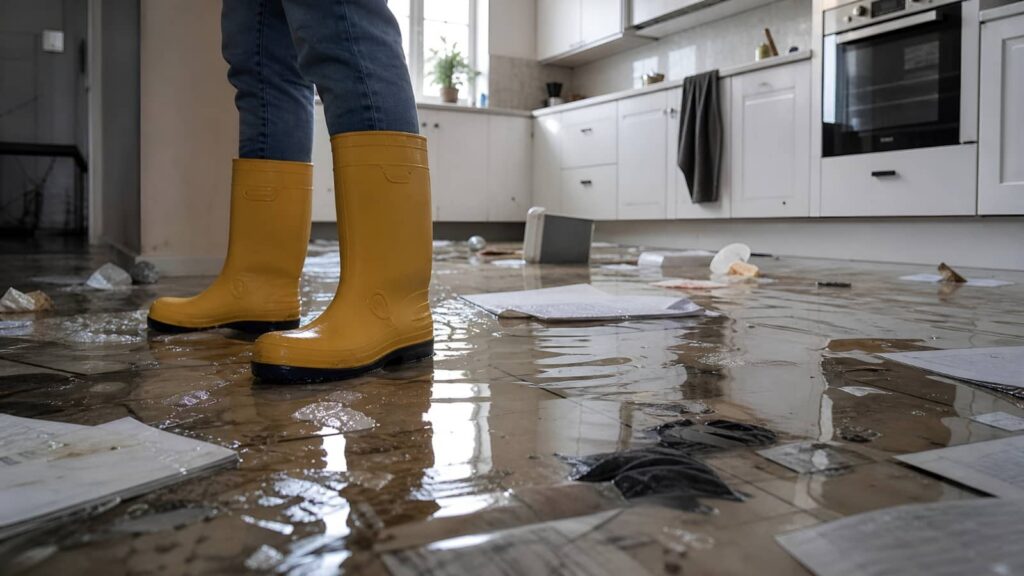
Proper safety gear is essential for anyone involved in quick water extraction. Start with protective clothing, like waterproof boots and gloves, to shield yourself from contaminants and sharp objects.
A sturdy pair of goggles will protect your eyes from debris and chemicals that may be present in floodwaters. Don’t forget a respirator, especially if you’re dealing with mold or mildew, as these can pose serious health risks.
A hard hat can also be invaluable in areas where ceilings or walls might be unstable. Confirm your gear is fitted and comfortable to maintain mobility.
Step-by-Step Guide to Manual Water Extraction
Manual water extraction can be accomplished in just five essential steps, ensuring a thorough and efficient process. Follow these steps to effectively manage water removal using manual techniques:
Gather necessary tools: buckets, mops, and towels.
Remove furniture and belongings to prevent further damage.
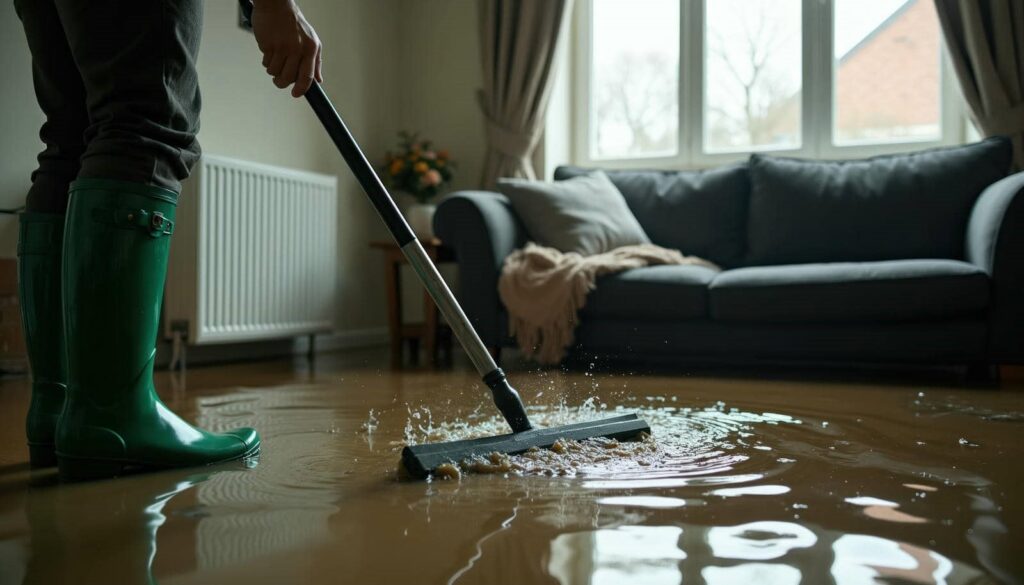
Use mops and towels to soak up standing water, focusing on corners and edges.
Wring out soaked materials into your buckets, repeating until most water is removed.
Dry the area thoroughly by opening windows and using fans.
By taking control of the situation, you’re not just protecting your home; you’re safeguarding your memories and sense of belonging.
You’ll restore comfort to your space.
You’ll feel empowered in overcoming challenges.
You’ll create a safe environment for loved ones.
Using Pumps and Vacuums for Quick Results
When time is of the essence, using pumps and vacuums can greatly speed up water extraction. Sump pumps, specifically designed for removing standing water, are ideal for basements and flooded areas. They efficiently discharge water through attached water hoses, making the process quick and effective.
For smaller spills or damp carpets, vacuum cleaners equipped with water extraction capabilities can work wonders. These devices suck up excess moisture and help reduce the risk of mold growth.
Ensure Safety During Water Extraction
When extracting water, you must assess electrical hazards to prevent shocks or short circuits.
Always wear protective gear, including gloves and boots, to safeguard against contaminants.
Ensure proper ventilation in affected areas to minimize exposure to harmful mold and fumes.
Assess Electrical Hazards
Before beginning any water extraction process, it’s crucial to assess electrical hazards to confirm your safety.
Electrical safety is paramount; water and electricity are a dangerous mix. Start by identifying any potential hazards around you.
- Look for frayed wires or exposed circuits.
- Check if any outlets are submerged in water.
- Verify the main power supply is turned off.
Wear Protective Gear
Wearing protective gear is essential for ensuring safety during water extraction. Start by donning protective gloves to shield your hands from contaminants and sharp objects.
Safety goggles are important as they protect your eyes from splashes and debris, allowing you to work without distraction. Waterproof boots keep your feet dry and safe from hazardous materials lurking in the water.
Finally, a respirator mask is critical, especially if you’re dealing with mold or other airborne pollutants. By equipping yourself with these items, you minimize the risk of injury and contamination, allowing you to focus on the task at hand.
Prioritizing your safety protects you and enhances the efficiency of your water extraction efforts.
Ventilate Affected Areas
To ensure a safe environment during water extraction, you need to ventilate affected areas effectively. Proper airflow techniques are essential to reduce moisture and prevent mold growth.
Start by opening windows and doors to allow fresh air in. Use fans to enhance circulation, directing airflow toward damp areas.
For ideal results, consider these key points:
- A well-ventilated space promotes faster drying, keeping your home safe.
- Proper dehumidifier placement helps remove excess moisture, supporting airflow.
- Maintaining airflow can greatly reduce the risk of long-term damage.
How to Identify and Repair Hidden Damage After Extraction?
Once water extraction is complete, you must carefully assess the area for hidden damage that can lead to further complications.
Start by checking for hidden mold, especially in corners, behind walls, or under flooring. Use a moisture meter to identify damp spots that may compromise structural integrity.
Look for discoloration on walls and ceilings, as this often signals water intrusion. If you suspect mold, consider using a mold test kit or consulting with an expert.
Repair any visible damage promptly, replacing damaged drywall or flooring as needed. Don’t forget to seal any gaps to prevent future moisture entry.
When to Call Professionals for Water Extraction?
Knowing when to call professionals for water extraction can save you time and prevent further damage. If you’re facing significant water damage, it’s essential to recognize when DIY efforts just won’t cut it.
Here are key signs to look for:
- Extensive flooding that your equipment can’t handle
- Mold growth appearing within 24-48 hours
- Structural damage that could compromise safety
These situations require professional services to ensure thorough extraction and proper restoration.
It’s not just about drying the space; it’s about protecting your home and your well-being.
Don’t hesitate to reach out for help when you notice these signs. Your home deserves expert care to prevent long-term issues.
Frequently Asked Questions
Can I Use a Regular Vacuum for Water Extraction?
You can’t use a regular vacuum for water extraction during home restoration. Instead, opt for a water vacuum designed for this purpose, ensuring efficient water vacuuming and preventing damage to your equipment and home.
How Long Does It Take for Mold to Develop After Water Damage?
Mold can start developing within 24 to 48 hours after water damage. For effective mold prevention, focus on moisture control by drying affected areas thoroughly and maintaining low humidity levels in your home.
What Are the Signs of Structural Damage After Water Exposure?
After water exposure, you’ll notice water stains on walls, peeling paint, and foundation cracks. These signs whisper of hidden troubles beneath the surface, urging you to act before the damage deepens and spreads.
Can I Extract Water Without Electricity?
Yes, you can extract water without electricity. Use manual water removal methods, like buckets and mops, and utilize emergency supplies such as wet/dry vacuums or siphons. These tools help manage water effectively during outages.
Is It Safe to Enter a Flooded Area Alone?
Better safe than sorry; it’s risky to enter a flooded area alone. Flood safety precautions are essential. Always assess conditions with someone else, as a solo assessment can overlook dangers like hidden hazards or unstable structures.
Final Thoughts
Acting quickly after flooding is essential; studies show that delaying water extraction by just 24 hours can increase repair costs. By using the right tools and techniques, you can greatly reduce damage and restore your home efficiently. Always prioritize safety during the process, and don’t hesitate to call professionals if the situation exceeds your control. Remember, swift action is key to safeguarding your property and minimizing long-term effects.