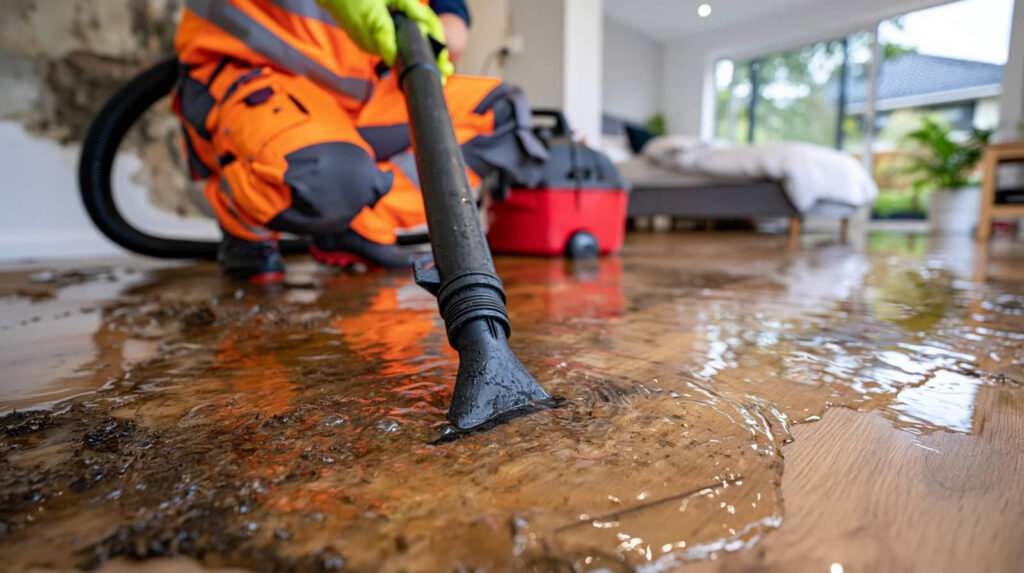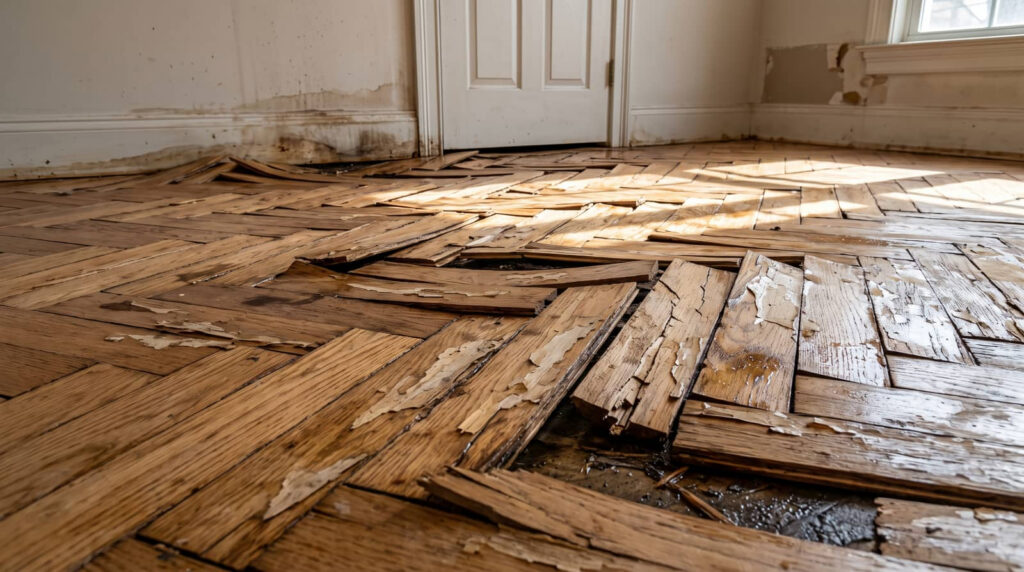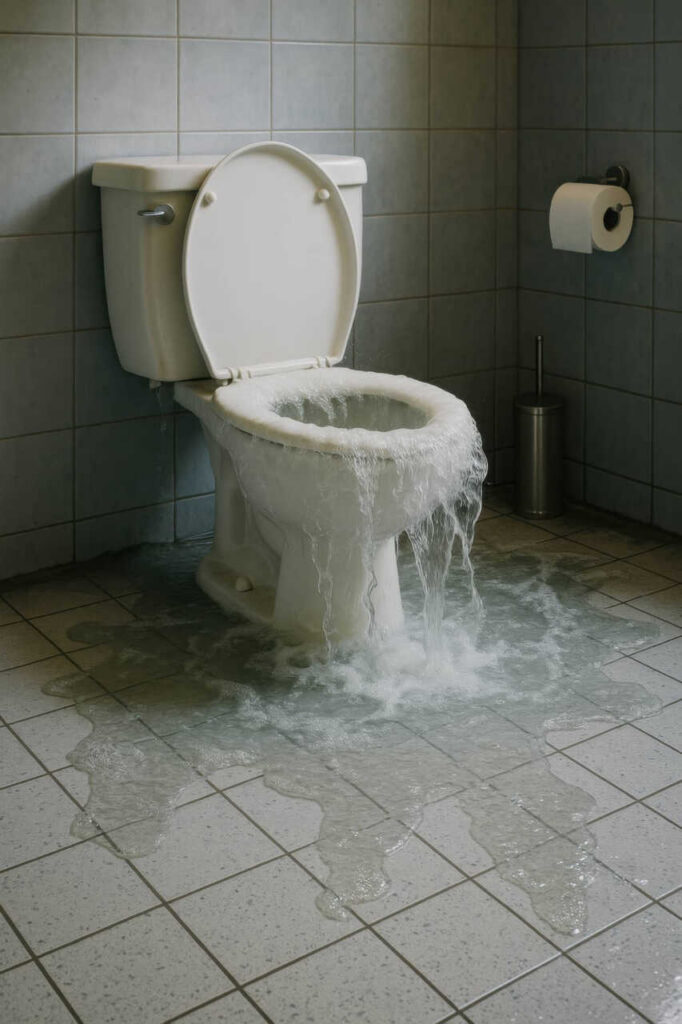
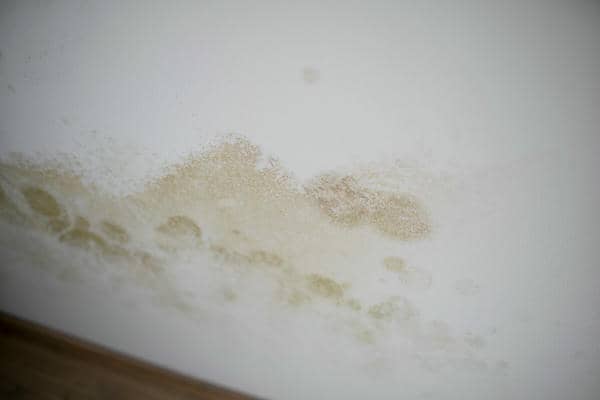
After a heavy rainstorm, you might find your basement flooded and at risk for mold growth. It’s vital to act quickly to mitigate the damage and prevent further issues. Understanding how to assess the situation, remove contaminated materials, and effectively dry out the space can make a significant difference. But what mold remediation steps should you take to ensure a safe, mold-free environment going forward? Let’s explore five essential mold remediation tips.
Key Takeaways
- Identify and eliminate the water source promptly to prevent further damage and mold growth.
- Remove contaminated materials safely, wearing protective gear, and disposing of them according to local regulations.
- Thoroughly dry affected areas using dehumidifiers and ventilation to maintain humidity levels below 60%.
- Apply mold inhibitors like boric acid or vinegar to treated surfaces, and consider commercial products for severe infestations.
- Regularly monitor humidity levels and inspect for leaks to prevent future moisture issues and mold growth.
Assess the Water Damage and Identify Affected Areas
Before you can tackle mold remediation, you need to evaluate the water damage and identify the affected areas in your home.
Start by locating the water source; understanding how the moisture entered your space is essential. It could be from a broken pipe, a leaky roof, or even high humidity levels.
Next, conduct a thorough moisture inspection. Check walls, ceilings, and floors for any signs of dampness or discoloration.
Use a moisture meter if necessary to pinpoint hidden areas that may not be visible. Pay special attention to corners and behind appliances, as these spots are often overlooked.
Document your findings, as this will help you plan the next steps in the remediation process.
Remove and Dispose of Contaminated Materials
Once you’ve identified the affected areas, it’s crucial to remove and dispose of any contaminated materials promptly.
This process helps prevent the spread of mold and ensures your safety. Always take necessary safety precautions, such as wearing gloves, masks, and goggles, to protect yourself during removal.
When disposing of contaminated materials, consider the following methods:
- Seal in plastic bags: Prevent spores from escaping.
- Check local regulations: Follow guidelines for hazardous waste disposal.
- Use a dumpster: If available, for larger items.
- Document the process: Keep records for insurance purposes.
- Hire professionals: If the contamination is extensive, seeking expert help can be beneficial.
Dry Out the Affected Areas Effectively
To effectively prevent mold growth after water damage, you must dry out the affected areas as quickly as possible. Start by using a dehumidifier with appropriate settings; aim for a humidity level below 60%. This will greatly reduce moisture in the air, discouraging mold development.
Next, implement ventilation techniques to enhance airflow throughout the space. Open windows and doors when the weather permits, and consider using fans to circulate air. This combination of dehumidification and ventilation creates an environment that’s less favorable for mold spores to thrive.
Don’t neglect hidden areas like behind walls or under carpets. Inspect these spaces and use moisture meters if necessary to verify thorough drying.
Use Mold Inhibitors and Cleaning Solutions
While drying out the affected areas is essential, using mold inhibitors and effective cleaning solutions can considerably bolster your efforts in preventing mold growth.
Mold inhibitors help to create an environment that’s less conducive to mold development, while cleaning solutions eliminate existing spores. Here are some important options to evaluate:
- Boric acid: Acts as a powerful mold inhibitor, especially on porous surfaces.
- Hydrogen peroxide: Naturally disinfects and removes mold stains without harsh chemicals.
- Vinegar: A safe, eco-friendly option to deter mold growth.
- Commercial mold inhibitors: Specifically formulated products that contain biocides to prevent mold.
- Bleach: Effective for non-porous surfaces, but use cautiously as it can release harmful fumes.
Monitor for Future Moisture and Mold Growth
As you work to restore your space, it’s essential to monitor for future moisture and mold growth, since even small amounts of lingering dampness can lead to significant problems.
Begin by regularly checking humidity levels in your home. Ideally, indoor humidity should stay between 30% and 60%. Use a hygrometer to keep track, and consider a dehumidifier if levels rise too high.
Next, identify potential moisture sources. Inspect areas like basements, bathrooms, and kitchens where leaks might occur. Pay attention to plumbing fixtures and appliances, as these can often be culprits.
Additionally, make certain proper ventilation in your space to reduce moisture accumulation.
Frequently Asked Questions
How Long Does Mold Remediation Typically Take After Water Damage?
Mold remediation typically takes one to five days, depending on the extent of mold growth and damage. A clear remediation timeline helps you understand the process and ensures a thorough restoration of your space.
Can I Complete Mold Remediation Without Professional Help?
Sure, you can tackle mold remediation yourself. Start with mold identification techniques to locate the problem spots, then use DIY mold removal strategies. Just ensure you’re thorough and follow safety precautions to protect your health.
What Personal Protective Equipment Should I Wear During Mold Cleanup?
During mold cleanup, you should wear protective gear like gloves, goggles, and an N95 respirator. Following safety protocols helps minimize exposure, ensuring you feel secure and supported in tackling this challenging task effectively.
Are There Specific Types of Mold That Are More Dangerous?
Yes, some molds are indeed more dangerous. Toxic molds, like black mold, pose serious health risks, while common molds, though less harmful, can still trigger allergies. Always prioritize safety when dealing with any mold type.
How Can I Prevent Mold Growth in the Future?
To prevent mold growth in the future, implement preventive measures like maintaining humidity control. Use dehumidifiers, ensure proper ventilation, and fix leaks promptly to create an environment where mold can’t thrive. Your proactive approach matters.
Review
In the aftermath of water damage, taking swift action is essential to ward off mold’s insidious spread. Picture a once vibrant space turned musty and uninviting; you can prevent that. By evaluating damage, removing contaminated materials, and drying thoroughly, you reclaim your environment. Employing mold inhibitors acts as a protective barrier, while vigilant monitoring keeps the specter of moisture at bay. By following these steps, you restore your space and safeguard it against future threats.