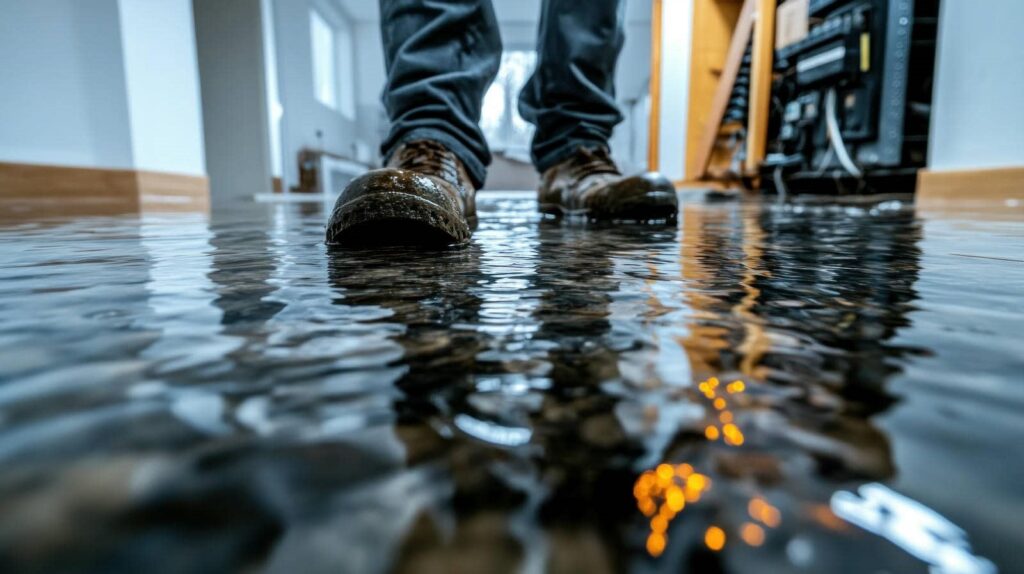
Water damage restoration can bring a home back to life, yet neglecting quality control can quickly undo that work. You need to take deliberate steps to secure lasting results. Start by evaluating structural integrity and checking for moisture levels. As you proceed, consider how each action impacts the overall safety and comfort of your living space. But what specific measures can you implement to ensure thorough inspections and lasting protection?
Key Takeaways
- Inspect the structural integrity of the building, checking for cracks, settling, and moisture levels in critical areas.
- Conduct thorough mold assessments using testing kits and moisture detection to ensure a safe environment.
- Review restoration documentation for accuracy, confirming the work performed aligns with expectations and timelines.
- Gather customer feedback through surveys to identify areas of improvement and enhance service quality.
- Monitor air quality regularly to maintain a healthy living space and address any pollutants or contaminants.
Assessing Structural Integrity
When evaluating structural integrity after water damage restoration, you need to carefully examine key areas of your property to identify any potential weaknesses.
Start with a foundation assessment, as this is critical for long-term stability. Check for cracks, settling, or signs of erosion around the foundation, indicating that water has compromised its strength. Pay attention to load-bearing walls and support beams; any warping or displacement should raise alarms.
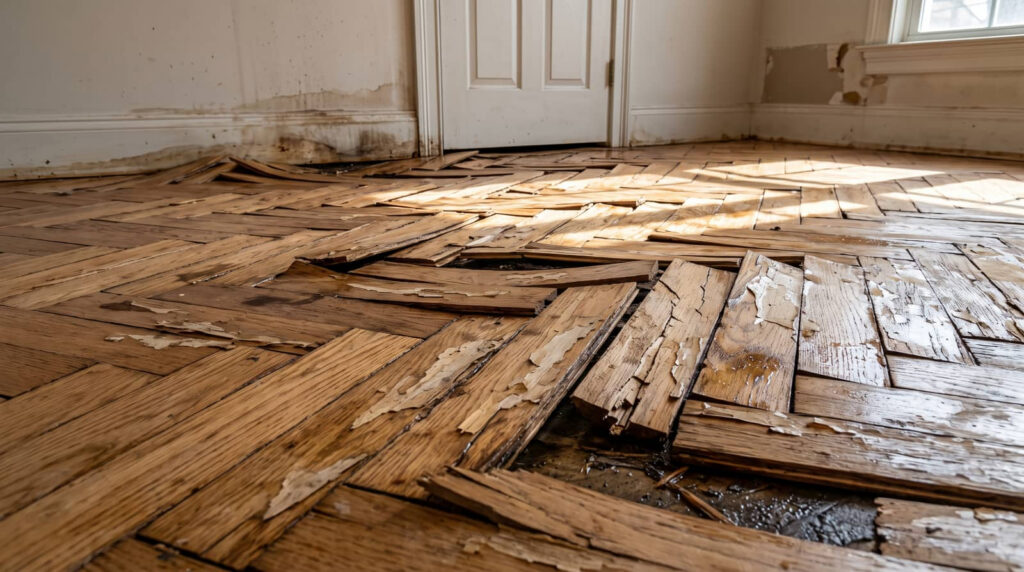
Next, assess the flooring and framing materials for signs of warping or mold growth, which could necessitate structural repairs.
Document your findings meticulously, as this information will guide necessary interventions. Consulting with a structural engineer might be beneficial to ensure you’re not overlooking any issues.
Checking for Moisture Levels
To ensure thorough water damage restoration, you need to carefully check moisture levels.
Start by using moisture meters to gauge the dampness in various materials.
Don’t forget to inspect hidden areas and regularly monitor the drying progress to prevent future issues.
Use Moisture Meters
Using moisture meters is essential for accurately evaluating moisture levels in materials after water damage restoration.
These devices, equipped with advanced moisture sensors, allow you to pinpoint areas where excess moisture may remain. Regularly checking with moisture meters ensures precise water detection, helping prevent future issues such as mold growth or structural damage.
When you take these measurements, be methodical—check various materials and locations within the affected area. This detailed approach fosters a sense of security, knowing you’ve thoroughly assessed the situation.
Remember, consistent monitoring aids the restoration process and reinforces your commitment to maintaining a safe and healthy environment for everyone involved.
Trust in your moisture meters to guide your efforts effectively.
Inspect Hidden Areas
After evaluating moisture levels with your moisture meters, it’s time to turn your attention to hidden areas where water damage may lurk.
Start by inspecting behind cabinets, under sinks, and within walls, as these spots often harbor hidden leaks and concealed damage. Use your moisture meter to probe these locations, ensuring you check corners and seams where water could accumulate unnoticed.
Pay special attention to areas near plumbing fixtures and appliances, as they’re common culprits for hidden leaks. Document any findings carefully, as this will help you track issues over time.
Monitor Drying Progress
While it’s essential to inspect hidden areas for moisture, actively monitoring the drying process is equally critical to ensuring your home returns to a safe state.
Use moisture indicators to gauge the effectiveness of your drying techniques. Regularly check levels in walls, floors, and furniture to confirm no hidden pockets of dampness remain.
- Feel the relief of a dry home.
- Experience the comfort of restored spaces.
- Relish the peace of mind in safety.
- Enjoy the renewed sense of belonging.
- Take pride in a proactive approach.
Inspecting for Mold Growth
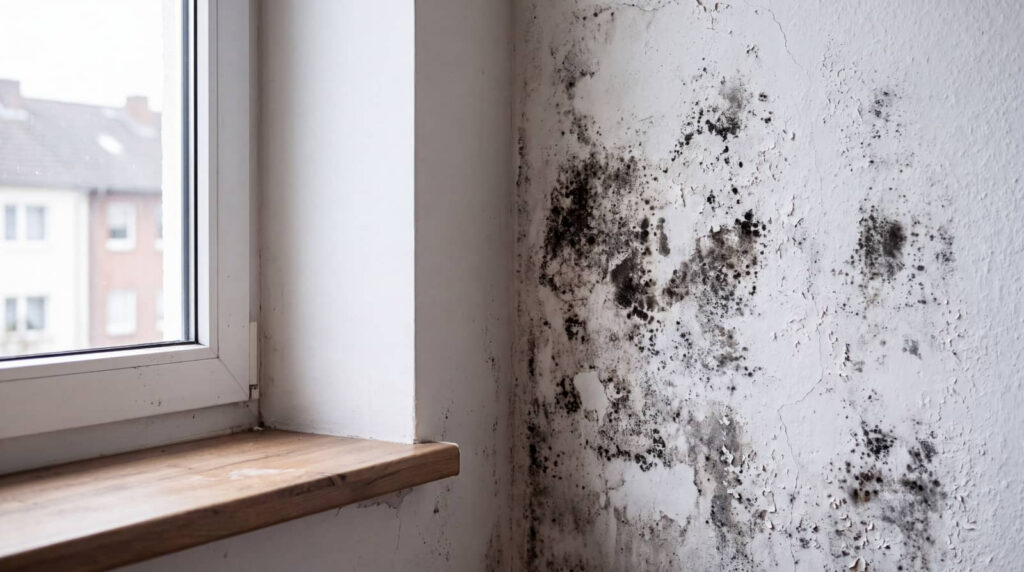
After addressing moisture levels, you need to inspect for mold growth in moisture-prone areas like basements and around plumbing.
Using mold testing kits can help you accurately identify any hidden infestations.
Being thorough in this inspection is essential to ensure a safe and healthy environment post-restoration.
Identifying Moisture-Prone Areas
As you assess your space for potential moisture-prone areas, keep an eye out for signs of mold growth that can indicate lingering water issues.
Conducting moisture detection and a thorough vulnerability assessment is essential for maintaining a healthy living environment.
Look closely at areas that are often overlooked, such as:
- Behind appliances and furniture
- Under sinks and around plumbing
- In basements or crawl spaces
- Near windows and doors
- In bathrooms and laundry rooms
Using Mold Testing Kits
Identifying moisture-prone areas is just the first step in safeguarding your home from mold growth.
Once you’ve pinpointed these spots, using mold testing kits becomes essential. These kits allow you to conduct thorough testing procedures, helping you detect any hidden mold before it spreads.
Follow the instructions carefully, making sure you collect samples from affected areas and air quality. If results indicate mold presence, it’s time for prompt mold removal.
This proactive approach protects your home and ensures the health of your loved ones. Regular testing can foster a sense of security, reinforcing your commitment to maintaining a safe and welcoming environment.
Don’t wait—act now to keep your home mold-free and thriving.
Evaluating Air Quality
When evaluating air quality following water damage restoration, it’s essential to assess both the presence of contaminants and the overall humidity levels in your environment.
Indoor pollutants can thrive in damp conditions, so ensure proper air circulation to reduce their impact. Use an air quality monitor to check for harmful particles and humidity levels regularly.
- Breathing clean air feels invigorating and revitalizing.
- A safe home fosters peace of mind.
- Healthy air supports your family’s well-being.
- Clean environments promote happiness and connection.
- Knowing you’re in control of your space is empowering.
Reviewing Restoration Documentation
After confirming the air quality in your home is safe and healthy, it’s time to focus on reviewing the documentation from the water damage restoration process.
Start by examining the records for document accuracy. Check that all details reflect the work performed, including the specific areas restored and materials used. This verification ensures the quality of the work and serves as a reference for any future repairs.
Next, analyze the restoration timeline. Verify it aligns with your expectations and any agreements made with the restoration company. A clear timeline helps you understand the duration of each phase, identifying any delays that may have occurred.
Conducting Final Walkthrough
To ensure the restoration meets your expectations, conducting a final walkthrough is essential. This final inspection allows you to assess the quality of the completed work and ensures everything aligns with your vision.
Engage in open homeowner communication during this process, as it fosters a sense of belonging and trust with your restoration team.
During the walkthrough, consider these key areas:
- Dryness: Check for any lingering moisture.
- Odor: Confirm there are no unpleasant smells.
- Repairs: Review all repairs and finishes for quality.
- Safety: Verify that all safety measures are in place.
- Satisfaction: Reflect on whether the results meet your expectations.
Implementing Preventative Measures
Completing a thorough final walkthrough is just the beginning of safeguarding your property against future water damage. To effectively implement preventative measures, start with a detailed risk assessment of your property. Identify areas prone to moisture accumulation, such as basements, crawl spaces, and around windows.
Next, establish a routine for preventative maintenance. Regularly check gutters and downspouts to verify they’re clear of debris, and inspect your roof for any signs of wear.
Consider installing sump pumps or dehumidifiers in high-risk areas to mitigate moisture issues. Seal any cracks in your foundation and verify proper drainage away from your home.
Building a proactive approach reduces the likelihood of water damage and fosters a sense of belonging and security in your environment. By taking these steps, you’re not just protecting your property; you’re investing in your peace of mind.
Obtaining Customer Feedback
How can you ensure that your water damage restoration efforts truly meet customer expectations? Obtaining customer feedback is essential. By actively seeking input, you can refine your services and foster a sense of belonging among your clients.
Consider implementing customer surveys to gather insights into their experience. Use feedback analysis to identify trends and areas for improvement.
- Customers feel valued when their opinions matter.
- Positive feedback reinforces your team’s hard work.
- Constructive criticism helps you grow and adapt.
- Satisfied customers are more likely to refer you to others.
- A strong connection builds lasting relationships.
Frequently Asked Questions
How Long Does the Water Damage Restoration Process Usually Take?
The restoration timeline typically ranges from a few days to several weeks, depending on the extent of damage. Drying duration can vary, so it’s essential you monitor progress to ensure thorough restoration and prevent further issues.
What Are the Signs of Hidden Water Damage?
Like a silent thief, hidden water damage creeps in unnoticed. Look for mold growth, musty odors, or warped walls; these can signal compromised structural integrity, threatening your home’s safety and comfort. Stay vigilant for these signs.
Can I Stay in My Home During Restoration?
You can stay in your home during restoration, but prioritize safety precautions. Ensure adequate ventilation and monitor air quality. If conditions feel unsafe or uncomfortable, consider temporarily relocating until the restoration is complete. Your well-being matters.
How Much Does Water Damage Restoration Typically Cost?
Water damage restoration typically costs between $1,000 and $5,000, depending on the severity. To create a realistic restoration budget, consider factors like the extent of damage, materials needed, and labor costs.
Will My Insurance Cover Water Damage Restoration Expenses?
Yes, your insurance policy may cover water damage restoration expenses, but it depends on your coverage limits. Review your policy details and consult your agent to understand what’s included and ensure you’re adequately protected.
Summary
Thorough quality control after water damage restoration is essential for ensuring a safe living environment. Remember, homes affected by water damage can develop mold within 48 hours if not properly addressed. By regularly evaluating structural integrity, monitoring moisture levels, and reviewing air quality, you can greatly reduce the risk of future problems. Emphasizing detailed documentation and customer feedback further enhances your restoration efforts, fostering trust and satisfaction in your services.