Just like steering a ship through turbulent waters, understanding the flood damage restoration insurance process can be complex and intimidating. You need to know your policy’s coverage limits and the steps to take after a flood occurs. From documenting the damage to filing a claim, each step is essential. But what happens when your claim is denied? The intricacies of this process may hold the key to restoring your home and peace of mind.
Key Takeaways
- Review your flood insurance policy to understand coverage limits and exclusions before initiating restoration claims.
- Document all damages thoroughly with photographs and a detailed inventory to support your insurance claim.
- File your claim promptly with your insurance provider, providing all necessary documentation and keeping a record of communications.
- Work with an insurance adjuster who will evaluate the damages and determine the extent of your coverage for restoration costs.
- If a claim is denied, thoroughly review the denial reasons, gather additional evidence, and prepare a structured appeal within the required timeframe.
Understanding Flood Damage Coverage
Understanding flood damage coverage is vital, especially since many homeowners mightn’t realize the limitations of their policies. Flood insurance typically comes with specific coverage limits that can leave you vulnerable if disaster strikes. It’s important to familiarize yourself with what your policy includes and excludes.
For instance, standard homeowners’ insurance often doesn’t cover flood damage, making a separate flood insurance policy necessary.
When you evaluate your coverage, pay attention to the maximum payout for structures and personal property. Some policies may only cover the actual cash value rather than replacement costs, which can greatly affect your financial recovery after a flood.
Reviewing your needs and potential risks can help you select a policy that adequately protects your home. By understanding these nuances, you’ll be better equipped to make informed decisions and ensure your peace of mind during unpredictable weather events.
Documenting the Damage
To support your insurance claim, you need to document the damage meticulously.
Start by taking detailed photographs of the affected areas.
Then create an inventory of all damaged property.
Finally, gather repair estimates to provide a thorough overview of the financial impact.
Take Detailed Photographs
Capturing detailed photographs of flood damage is essential for a successful insurance claim. Use effective photograph techniques to clearly document each affected area.
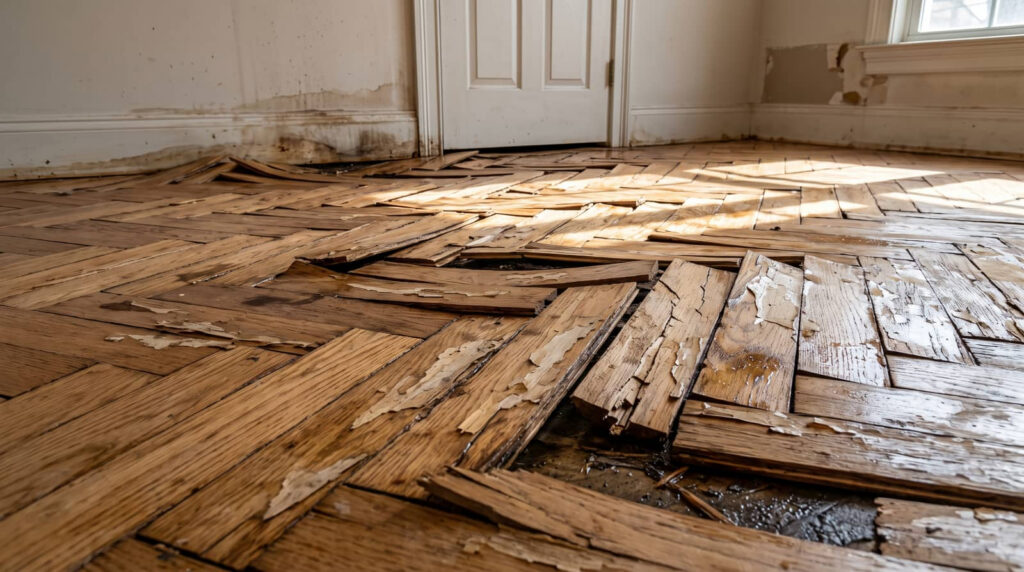
Begin with wide shots to establish the overall scene, then move to close-ups that highlight specific damage, such as warped floors or soaked electronics. Verify your images are well-lit and focused, as clarity aids in thorough damage assessment.
Take multiple angles to provide an all-encompassing overview, and include timestamps where possible to establish the timeline of the damage.
Inventory Damaged Property
Creating an inventory of damaged property is an essential step in documenting the extent of flood damage for your insurance claim.
Start by using an inventory checklist to systematically record each affected item. Include details such as descriptions, quantities, and estimated values. This extensive property assessment helps you keep track of losses and strengthens your claim by providing clear evidence of the damage.
Don’t forget to include personal belongings, appliances, and structural elements. Additionally, if possible, note the approximate purchase dates to support your valuation.
Taking the time to compile a comprehensive inventory makes you feel more organized and prepared, fostering a sense of control during an overwhelming process.
Gather Repair Estimates
Once you’ve compiled your inventory of damaged property, the next step involves gathering repair estimates to document the extent of the damage.
Start by contacting reputable contractors to obtain detailed contractor estimates. These estimates should outline repair costs for each item or area affected, ensuring you have a thorough understanding of the financial implications.
Make sure to ask for a breakdown of labor, materials, and any additional fees. It’s important to gather multiple estimates to compare and validate the costs.
This documentation will support your insurance claim and provide clarity for your own planning. By being thorough in this process, you’re positioning yourself for a smoother restoration journey and fostering a sense of belonging within your community.
Filing a Claim With Your Insurance Provider
When you experience flood damage, filing a claim with your insurance provider is essential for recovering your losses. Start by gathering all necessary documentation, including photos of the damage, repair estimates, and your policy details. This ensures a smooth claim submission process.
Next, contact your insurance provider to initiate the claim. Clear and effective insurance communication is significant; be prepared to explain the situation and provide the required documentation promptly.
Keep a record of all interactions with your insurer, noting dates, names, and details of conversations. This documentation can be invaluable if any issues arise.
Understand the specifics of your policy, including coverage limits and deductibles, to set realistic expectations.
Finally, follow up regularly on your claim’s status, making sure you’re informed throughout the process. By taking these steps, you can navigate the claims process efficiently and work towards recovering from the flood damage you’ve endured.
The Role of Adjusters in the Claims Process
While steering through the claims process, understanding the role of adjusters is vital for effectively managing your flood damage claim. Adjusters are responsible for evaluating the damage you’ve reported, gathering evidence, and determining the extent of your losses.
They’ll inspect your property, document their findings, and may even consult with contractors or specialists to get a thorough view of the situation. Their expertise plays an important role in claim determination, as they determine what’s covered under your policy and the amount your insurer will pay.
You can expect them to communicate with you throughout the process, providing updates and clarifying any questions you may have. Building a rapport with your adjuster can foster a collaborative environment, making it easier to navigate the complexities of your claim.
Coordinating Restoration Services With Your Claim
After engaging with your adjuster and understanding the evaluation of your flood damage, the next step involves coordinating restoration services that align with your claim.
Effective restoration coordination is crucial for a smooth recovery and ensures your insurance collaboration is maximized. Here’s how to proceed:
Choose a Qualified Restoration Company: Research and select a company experienced in flood damage.
Communicate Your Needs: Clearly outline your expectations and specific areas of concern to the restoration team.
Keep Your Adjuster Updated: Regularly inform your insurance adjuster about the progress and any changes in the restoration plan.
Document Everything: Maintain records of all communications, contracts, and receipts related to restoration services for insurance purposes.
Navigating Denials and Appeals
When your flood damage claim gets denied, understanding your policy coverage becomes essential in addressing the issue.
You’ll need to meticulously document your claim, as this evidence will support your case in the appeals process.
Understanding Policy Coverage
Understanding your policy coverage is essential in managing the flood damage restoration insurance process, especially when facing denials or appeals. Familiarizing yourself with your policy can help you navigate potential challenges.
Here are key points to evaluate:
Policy Limitations: Identify any restrictions on the amount you can claim.
Coverage Exclusions: Understand what damages aren’t covered under your policy.
Deductibles: Be aware of the costs you must pay out of pocket before coverage kicks in.
Claim Deadlines: Note the time limits for filing claims to avoid losing your benefits.
Being informed about these aspects fosters confidence in addressing denials and appeals, ensuring you’re better prepared to advocate for the coverage you deserve.
Documenting Your Claim
Once you’ve grasped your policy coverage, it’s time to focus on documenting your claim effectively. Start by gathering all relevant information related to the flood damage. This includes photographs, receipts, and any communication with contractors.
Strong claim documentation is essential; it serves as your evidence collection to substantiate your losses. Make sure to organize your materials chronologically and clearly label them, which helps streamline the review process.
If your claim gets denied, don’t lose hope. Review the denial letter carefully and identify the reasons for the rejection. You can appeal by providing additional evidence that supports your case.
Frequently Asked Questions
What Types of Floods Are Typically Covered by Insurance?
Flood insurance types mainly cover natural disasters like heavy rainfall and storm surges. However, you should be aware of coverage limitations, as not all policies protect against flooding from sewer backups or overland flooding.
How Long Does the Claims Process Usually Take?
The claims timeline usually varies, but you can expect it to take several weeks to months. Insurance adjustments often delay final decisions, so staying proactive and communicating with your adjuster can expedite the process.
Can I Choose My Own Restoration Contractor?
Absolutely, you can choose your own restoration contractor, but check your insurance policy specifics first. Some policies might limit contractor options, such as choosing a ship in a storm—navigate wisely to ensure coverage.
Is There a Waiting Period Before Coverage Begins?
Yes, there’s often a waiting period before your coverage begins. It’s essential to review your policy’s coverage details, as waiting times can vary considerably based on your insurer and specific circumstances surrounding the flood event.
What Happens if My Claim Is Denied?
If your claim’s denied, you can initiate the appeal process. Review your policy carefully, identify reasons for denial, and gather supporting documents to strengthen your case. Engaging with your insurer can lead to a resolution.
Wrap-Up
In maneuvering the flood damage restoration insurance process, understanding your policy and documenting your losses are essential steps. By filing a well-supported claim and coordinating with adjusters, you enhance your chances of a successful resolution. If your claim faces denial, remember that appealing with solid evidence can turn the tide. Ultimately, staying informed and proactive throughout the process can make all the difference in restoring your home and peace of mind after a flood.