
Key Takeaways
- Act quickly to remove water within 24-48 hours to prevent mold growth and structural damage.
- Use sump pumps and wet/dry vacuums for efficient water extraction in flooded areas.
- Assess flood damage by inspecting walls, floors, and ceilings for discoloration and warping.
- Employ dehumidifiers and fans to reduce moisture and promote drying after extraction.
- Clean and disinfect all surfaces to eliminate contaminants and prevent mold recurrence.
Why Immediate Water Removal Is Crucial for Your Home
When water infiltrates your home, the clock starts ticking, and immediate removal is essential to prevent long-term damage.
Delaying action can lead to extensive water damage, compromising your home’s structure and value. Beyond structural concerns, the presence of moisture fosters mold growth, which poses significant health risks to you and your loved ones.
Breathing in mold spores can lead to respiratory issues, allergies, and other serious health problems. By acting swiftly to remove water, you safeguard both your property and your family’s well-being.
It’s not just about fixing your home; it’s about creating a safe environment where you can thrive. Don’t underestimate the importance of immediate action—your home deserves it, and so do you.
How to Assess Flood Damage Effectively?
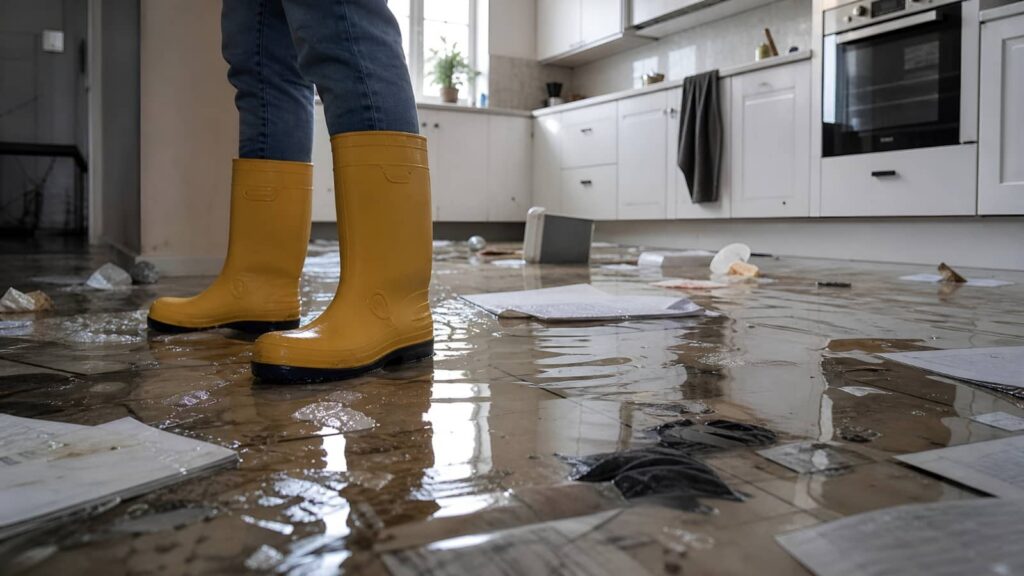
When you’re faced with flood damage, starting with a thorough visual inspection is key to understanding the extent of the problem.
Pay close attention to walls, floors, and ceilings for signs of water intrusion or structural compromise.
Evaluating the structural integrity will help you identify any critical safety issues that need immediate attention.
Visual Inspection Techniques
Evaluating flood damage through visual inspection is crucial for effective recovery. Start by examining the affected areas, looking for visible signs like discoloration, peeling paint, or warped flooring. These indicators often reveal underlying moisture issues.
Use surface analysis to identify moisture detection, focusing on walls, ceilings, and floors. Pay close attention to hidden spaces, such as behind appliances or in crawl spaces, where water can linger unnoticed.
Don’t forget to check for mold growth, which can indicate prolonged exposure to moisture. Document your findings with photos and notes, as this will help you communicate clearly with professionals.
Structural Integrity Assessment
To effectively assess flood damage and ensure the safety of your structure, you need to prioritize a thorough evaluation of load-bearing elements.
Start by diagnosing damage to beams, columns, and foundations, as these components are vital for maintaining stability. Look for signs of warping, cracks, or corrosion that could compromise the structure’s integrity.
Next, assess stability by checking for alignment and settling issues. Use a level to confirm surfaces are even and identify any shifting.
If you find significant concerns, consult a structural engineer for a more detailed analysis.
Effective Techniques for Water Extraction
When facing water damage, knowing the right techniques for extraction can make all the difference.
You’ll find that both pumping methods and vacuum extraction play vital roles in removing excess water efficiently.
Understanding how to implement these techniques effectively ensures you can restore your space quickly and safely.
Pumping Techniques Overview
Extracting water efficiently demands a solid grasp of various pumping techniques tailored to your specific situation.
Sump pumps are a popular choice, designed to remove accumulated water from basements or low-lying areas. By placing them strategically, you can prevent further flooding and protect your home.
Additionally, consider using water barriers to redirect water flow, minimizing the volume that your sump pump needs to handle. These barriers can be temporary or permanent, depending on your needs.
Always verify your equipment is in good working order before you start, and be ready to adapt your strategy based on the water’s depth and surrounding conditions.
Vacuum Extraction Methods
While traditional pumping methods can be effective, vacuum extraction offers a more nuanced approach for removing water, especially in challenging environments like flooded basements or tight spaces.
Utilizing suction methods, vacuum extraction can reach areas that pumps may struggle with, ensuring thorough water removal. Portable vacuums are particularly advantageous; they’re easy to maneuver and can tackle smaller volumes of water efficiently.
When using these vacuums, it’s essential to choose models designed for water extraction to avoid damage and secure peak performance. Not only do these methods expedite the drying process, but they also help prevent mold growth, creating a safer environment for you and your loved ones.
Embracing these techniques fosters a sense of community resilience during tough times.
Must-Have Tools for Effective Flood Cleanup
Flood cleanup demands a well-equipped toolkit to effectively tackle the aftermath of water damage.
Start with a high-capacity wet/dry vacuum to remove standing water quickly. A dehumidifier is essential; its benefits include reducing moisture and preventing further damage.
Safety precautions are important—wear rubber gloves and boots to protect yourself from contaminants.
Also, stock up on sturdy fans to promote air circulation and speed up drying. Use a moisture meter to verify that surfaces are thoroughly dried, preventing hidden issues.
Don’t forget a reliable flashlight for working in dark areas.
With these tools, you’ll feel more empowered and prepared to restore your space, fostering a sense of belonging as you reclaim your home.
Tips to Stop Mold From Taking Over After Water Damage
To effectively prevent mold from taking over after water damage, it’s crucial to act swiftly and decisively.
Start by removing any standing water and drying out affected areas within 24-48 hours. Use dehumidifiers to maintain humidity control, keeping levels below 60%.
Confirm proper ventilation by opening windows and using fans to circulate air. Don’t forget to check hidden spaces like behind walls and under carpets, as these can harbor moisture.
Clean and disinfect surfaces with a mixture of water and detergent to eliminate spores. If you notice mold growth, address it immediately—consider using a bleach solution or a commercial mold remover.
Navigating Insurance Claims for Flood Damage Recovery
When unexpected water damage strikes, knowing how to navigate insurance claims can greatly ease your recovery process. Start by reviewing your insurance policies to understand coverage limits and policy exclusions.
Gather all documentation requirements, such as photos, receipts, and loss estimation reports. Communicate with your adjuster regularly to clarify the claim process and make certain nothing gets overlooked.
- Keep a detailed log of conversations for future reference.
- Be prepared for denial appeals if your claim is rejected.
- Consult experts for guidance on complex situations.
- Understand recovery timelines to manage your expectations.
Frequently Asked Questions
How Long Does It Take to Remove Water From a Flooded Area?
Removing water from a flooded area can take hours to days, depending on water extraction methods and drying techniques used. You’ll feel relief as professionals quickly address the situation, restoring your space to safety.
Can I Handle Water Removal Myself, or Should I Hire Professionals?
You can tackle DIY water removal if you’re experienced, but hiring professional services often ensures thoroughness and safety. Balancing your capabilities with the situation’s severity can lead to the best outcome for your home.
What Are the Health Risks Associated With Floodwater Exposure?
Exposing yourself to floodwater contaminants can lead to serious health symptoms like gastrointestinal issues, skin infections, and respiratory problems. It’s essential to protect yourself and seek help if you experience any concerning signs after exposure.
How Do I Prevent Future Flooding in My Home?
To prevent future flooding in your home, invest in effective drainage solutions. Regularly maintain gutters and downspouts, and consider landscaping adjustments. Embracing these measures creates a protective shelter, ensuring your family’s safety and comfort.
What Items Should I Discard After Flood Exposure?
You should discard flooded items like carpets, mattresses, and any porous materials. Follow disposal guidelines to ensure safety and prevent mold growth. It’s tough, but prioritizing your health and home is essential for recovery.
Conclusion
In the aftermath of a flood, every moment counts. You must act swiftly to remove water and prevent mold from settling in. Imagine the damage lurking beneath the surface if you delay. By using the right extraction techniques and tools, you can safeguard your home and family’s health. Don’t let the opportunity slip away—take charge now, and ensure your space is dry and secure before the hidden dangers take root. Your proactive steps today could save you tomorrow.