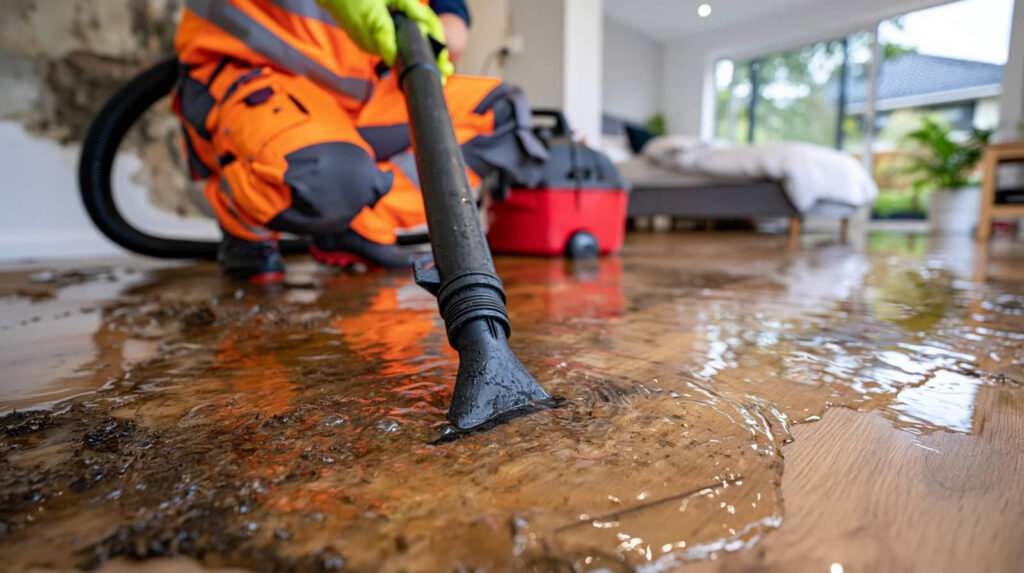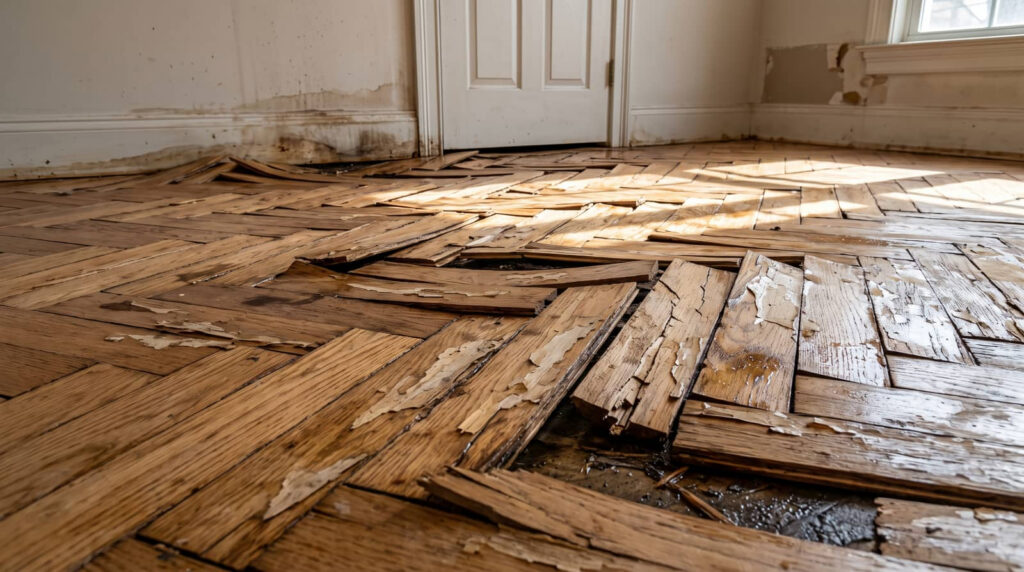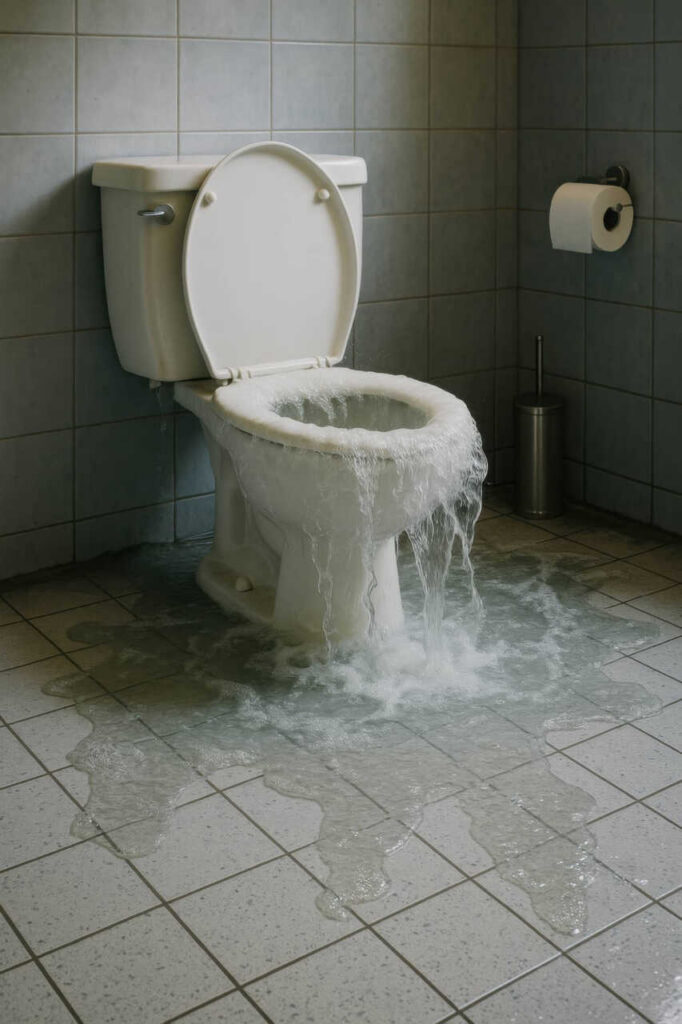
When evaluating flood damage, relying on professional techniques is essential for accurate assessments. You might think a DIY approach suffices, but hidden damage often escapes notice. Experts employ advanced tools and methods that identify underlying issues and streamline your insurance claims process. Understanding these techniques can greatly influence your recovery strategy. So, what specific advantages do professionals bring to the table that could shape your approach to flood recovery?
Key Takeaways
- Professional techniques ensure accurate assessment, identifying both visible and hidden damages that DIY methods might overlook.
- Advanced tools, like thermal detection and drones, enhance evaluation precision and streamline recovery processes.
- Expertise in flood damage evaluation prevents costly mistakes and long-term consequences for both property and community resilience.
- Professionals provide thorough documentation, crucial for insurance claims and financial planning during recovery.
- Engaging experts fosters community trust and enhances collaborative recovery efforts, leading to better outcomes for all affected.
Why Understanding Flood Damage Matters
Understanding flood damage matters because it directly influences recovery efforts and future preparedness. The flood impact extends beyond physical destruction, affecting community resilience and the emotional toll on individuals.
Effective recovery strategies hinge on recognizing these dimensions, allowing communities to rebuild stronger. Implementing prevention measures can mitigate long-term effects, addressing the immediate damage and environmental concerns that arise post-flood.
By prioritizing safety protocols, you help safeguard homes and the well-being of your community. A thorough understanding of flood damage enables you to advocate for necessary resources and support, fostering a collaborative environment where everyone plays a role in recovery.
Your awareness and actions can greatly contribute to a more resilient community.
The Importance of Accurate Damage Assessment
Accurate damage assessment is vital for identifying the full extent of flood-related destruction.
It ensures precise cost estimates, which are essential for budgeting repairs and recovery efforts.
Additionally, a thorough evaluation streamlines the insurance claim process, helping you secure the compensation you need more efficiently.
Comprehensive Damage Identification
Accurately identifying flood damage is essential for effective recovery and restoration efforts.
Thorough damage identification relies on established flood assessment methods, which help you pinpoint the extent and type of damage. Using standardized damage evaluation standards ensures that you’re thorough and consistent in your assessments.
This meticulous approach allows you to understand the specific impacts on structures, contents, and the environment. By employing these methods, you can collaborate with professionals who share a commitment to quality, fostering a sense of belonging within your community.
Ultimately, accurate damage identification sets the foundation for informed decision-making, guiding you toward efficient recovery strategies and minimizing future risks.
Embracing these techniques will lead to more robust restoration outcomes.
Cost Estimation Accuracy
While evaluating flood damage, ensuring cost estimation accuracy is essential for effective financial planning and resource allocation.
Accurate cost forecasting allows you to develop a realistic budget that aligns with the actual damage incurred. This precision helps mitigate overspending and ensures funds are allocated where they’re most needed.
When you rely on professional techniques, you can trust that the assessments reflect true repair costs, reducing the risk of financial shortfalls.
Effective budget planning hinges on this accuracy, allowing you to prioritize urgent repairs and avoid unnecessary delays.
Ultimately, precise damage assessment fosters informed decisions, enabling you to navigate the recovery process with confidence and clarity, fostering a sense of community support during challenging times.
Insurance Claim Facilitation
When you submit an insurance claim for flood damage, the accuracy of your damage assessment can greatly influence the outcome. Understanding the nuances of the insurance process is crucial to ensure claim accuracy and compliance with documentation requirements.
Here are three key points to take into account:
Expert Evaluation: Engaging professionals can provide a thorough assessment, enhancing loss verification.
Policy Understanding: Familiarize yourself with your coverage limits to ensure you’re adequately compensated for all damages.
Damage Reporting: Detailed and precise reporting aids in aligning your claim with your insurer’s expectations.
Expert Techniques for Assessing Flood Damage
When evaluating flood damage, employing advanced diagnostic tools can considerably enhance your evaluation accuracy.
These tools enable a thorough damage assessment, allowing for a clearer understanding of structural impacts and necessary repairs.
Advanced Diagnostic Tools
As flood damage assessment becomes increasingly complex, leveraging advanced diagnostic tools is essential for accurate evaluation.
These techniques enhance understanding and ensure effective remediation. Here are three key methods you should consider:
Advanced Imaging: Utilizing infrared technology, you can detect hidden moisture pockets, essential for moisture mapping.
Thermal Detection: This method helps pinpoint temperature variations, indicating structural damage and moisture intrusion.
Drone Inspections: Employ drones for real-time monitoring of extensive properties, allowing for efficient structural analysis and data collection.
Comprehensive Damage Assessment
A thorough flood damage assessment is crucial for understanding the scope of destruction and planning effective recovery strategies. By evaluating water contamination, you can identify potential safety hazards that threaten both health and structural integrity.
Implementing moisture detection techniques helps pinpoint areas at risk for mold growth, which could lead to long-term effects on both property and occupants. Moreover, an environmental assessment ensures compliance with building codes and informs restoration planning.
This all-encompassing approach addresses immediate concerns and considers the broader community impact, promoting resilience against future flooding. Engaging in this meticulous evaluation fosters a sense of belonging, as it strengthens community ties through shared recovery efforts.
How Technology Improves Flood Damage Assessment
While traditional methods of evaluating flood damage often rely on manual inspections and subjective evaluations, technology has revolutionized this process, enhancing both accuracy and efficiency.
You can leverage advanced tools to improve your assessments considerably. Here are three key technologies transforming flood damage evaluation:
Drone Technology: Drones offer aerial views, enabling quick assessments of large areas without risking safety.
Remote Sensing: This technique captures data from satellites and sensors, pinpointing affected zones accurately through GIS mapping.
Data Analytics: Utilizing predictive modeling and moisture detection, you can assess potential damages and future risks with greater precision.
Why You Need Experts for Damage Assessment?
Engaging experts for damage assessment can considerably impact the accuracy of your evaluations. Their specialized knowledge enables them to identify damage nuances that you might overlook.
These professionals utilize advanced techniques and tools, ensuring a thorough examination of affected areas. With expert insights, you gain a clearer understanding of the extent and implications of the damage, which is essential for making informed decisions.
They can also provide guidance on necessary remediation actions, helping you avoid costly mistakes. By relying on their expertise, you enhance your evaluation’s precision and foster a sense of community with others who value informed, professional assessments.
Ultimately, this collaboration leads to more effective recovery strategies and long-term resilience.
Risks of DIY Damage Evaluation
Relying on DIY damage evaluation can lead to significant risks that may compromise your recovery efforts. While it might seem tempting, the pitfalls of DIY assessments can create long-term consequences.
Here are three main risks to take into account:
Assessment Accuracy: DIY methods often lack the precision needed, missing hidden damages that professionals would catch, leading to further issues down the line.
Safety Concerns: Improper methods can expose you to hazardous conditions, putting your safety at risk during the evaluation process.
Emotional Stress and Time Consumption: Maneuvering through the complexities of flood damage can be overwhelming, adding unnecessary emotional stress as you grapple with repairs and potential long-term effects.
Choosing professional help ensures a thorough evaluation and minimizes these risks, fostering a more effective recovery journey.
Cost Benefits of Hiring Professionals
Investing in professional flood damage evaluation can ultimately save you money and time, as their expertise helps identify issues that might otherwise go unnoticed.
By hiring professionals, you gain access to specialized knowledge and advanced tools that pinpoint potential problems, preventing costly repairs down the line. Their thorough assessments can reveal hidden damage, ensuring you address all necessary repairs promptly.
This proactive approach leads to significant cost savings compared to the expenses incurred from delayed actions. Additionally, professionals can help you navigate insurance claims more effectively, maximizing your benefits.
Ultimately, the value of professional expertise enhances the restoration process and fosters a sense of security within your community, ensuring everyone can recover efficiently.
Importance of Thorough Documentation
Following a professional flood damage evaluation, thorough documentation becomes an essential step in the recovery process. Proper evidence collection not only supports your claims but also streamlines communication with insurance companies and contractors.
By ensuring you have a detailed record, you’re protecting your interests and facilitating a smoother recovery.
Here are three key aspects of thorough documentation:
Visual Evidence: Take clear photos and videos of damaged areas, capturing specific details for future reference.
Written Records: Maintain detailed notes on the evaluation process, including dates, times, and observed damages.
Cost Estimates: Collect quotes from professionals to substantiate your claims and ensure fair compensation.
Next Steps After Assessment
Once you’ve completed the flood damage assessment, it’s crucial to prioritize your next steps to ensure an effective recovery.
Begin by developing a recovery planning strategy that outlines mitigation strategies to minimize future risks. Consult with professionals for guidance on the restoration timeline, ensuring you allocate resources efficiently.
Implement safety measures to protect yourself and your community during the recovery process. Engage with community support networks to foster collaboration and share resources.
Be aware of the emotional impact this situation may have on you and others, and consider seeking support if needed.
Frequently Asked Questions
How Long Does a Professional Flood Damage Assessment Typically Take?
A professional flood damage assessment typically takes one to three hours, depending on evaluation factors like property size, damage extent, and complexity. Each situation’s unique characteristics influence the overall assessment duration, ensuring thorough analysis.
What Qualifications Do Professionals Have for Flood Damage Evaluation?
Professionals boast stellar qualifications, blending certification standards with expert experience. They’ve tackled countless floods, ensuring they know every detail. You can trust their insights, making your evaluation process smoother and less intimidating.
Are There Specific Tools Used During a Flood Damage Assessment?
Yes, during a flood damage assessment, you’ll find professionals using evaluation tools like moisture meters, thermal imaging cameras, and structural analysis software. These tools ensure accurate measurements and help identify hidden damage effectively.
Will Insurance Cover the Cost of Hiring Professionals for Evaluation?
Insurance coverage often includes costs for professional evaluations, but you should check your policy for specifics. Understanding these cost considerations helps you navigate claims and ensures you’re adequately prepared for potential financial impacts.
Can I Stay in My Home During the Assessment Process?
You might wonder if it’s safe to stay during the assessment. Given potential safety concerns, it’s best to vacate your home until the evaluation’s complete, as assessment duration can vary based on damage severity.
Summary
In the aftermath of a flood, relying on professional techniques for damage evaluation isn’t just smart; it’s essential. Think of it as steering through a stormy sea without a compass—without expert guidance, you risk missing critical damage and incurring unnecessary costs. By investing in professionals, you’re ensuring a thorough assessment and laying the groundwork for a stronger, more resilient community. Don’t leave your recovery to chance; make informed decisions that pave the way for a brighter future.