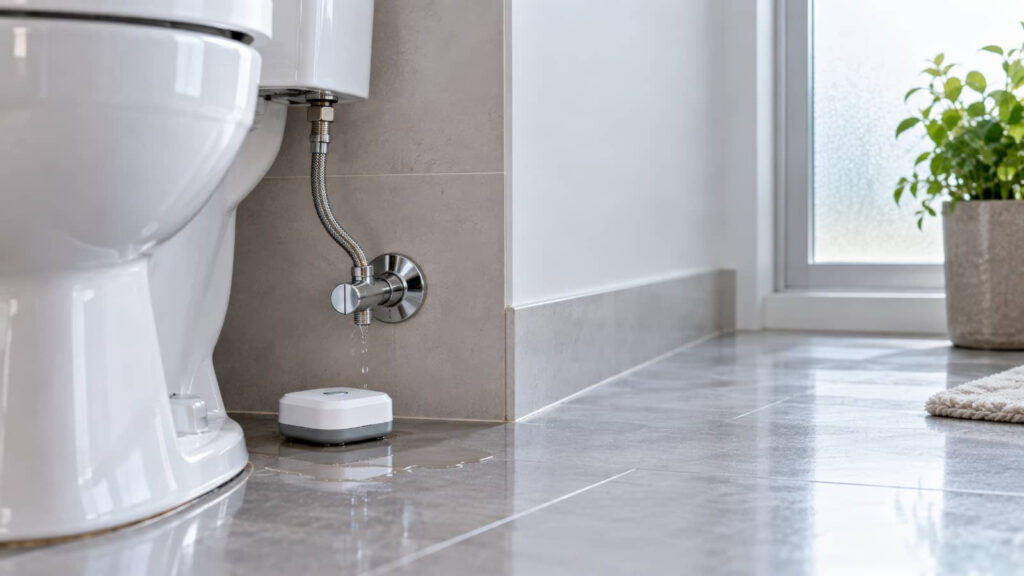
Imagine you’ve just discovered a leak in your basement, and water damage is spreading. You might feel overwhelmed, but Cost-Effective Damage Repair starts with prioritizing urgent issues, selecting budget-friendly materials, and knowing when to tackle manageable repairs yourself. You should also consider regular maintenance and proper insurance coverage to reduce the risk of larger expenses later. Taking the right steps now can help control repair costs while preventing future damage.
Key Takeaways
- Prioritize Repairs: Address urgent structural issues first to prevent escalating costs and further damage over time.
- DIY Assessments: Use tools like moisture meters to assess damage and determine if professional help is needed for extensive issues.
- Choose Affordable Materials: Opt for budget-friendly, moisture-resistant options such as cement board and bamboo flooring to minimize repair costs.
- Regular Maintenance: Schedule plumbing inspections and maintain drainage systems to prevent future water damage and costly repairs.
- Understand Insurance: Review policy coverage and gather accurate repair estimates to strengthen claims and ensure financial protection during repairs.
Understanding the Importance of Timely Water Damage Repair
When you experience water damage, acting quickly can make all the difference in minimizing costs and preventing further issues.
Water damage statistics reveal that delays in repair can lead to escalating expenses, as even minor leaks can cause significant structural problems over time.
Understanding the repair timeline is essential; addressing issues within the first 24-48 hours can often prevent mold growth, which can be costly and hazardous.
By prioritizing timely repairs, you safeguard your property and foster a sense of security within your community.
Everyone wants to feel safe in their home, and taking prompt action shows that you care about your space and those who share it with you.
Your proactive approach makes a difference.
How to Assess Water Damage: DIY vs. Professional Help
Timely action is only part of the equation; knowing how to assess the extent of water damage is equally important. You can start by focusing on water source identification—whether it’s a leaky pipe or roof. This will guide your next steps.
For a DIY approach, use damage assessment tools like moisture meters and thermal imaging cameras to pinpoint affected areas. If the damage seems extensive or you’re unsure, calling in professionals might be the best route. They bring specialized expertise and equipment that can save time and prevent further issues.
Ultimately, knowing when to tackle the problem yourself and when to seek help can make all the difference in effectively managing water damage.
Cost-Effective Materials for Water Damage Repair
When you’re facing water damage, choosing the right materials can make a big difference in both repairs and budget.
You’ll want to explore affordable drywall options, budget-friendly flooring solutions, and economical insulation choices that don’t compromise quality.
Let’s break down these choices to help you make the most cost-effective decisions for your home.
Affordable Drywall Options
Although dealing with water damage can be overwhelming, choosing affordable drywall options can greatly ease the financial burden of repairs.
You might want to explore drywall alternatives like cement board or green board, which resist moisture better than traditional drywall. These materials not only save you money but can also extend the life of your repairs.
When installing, remember a few key installation tips: use waterproof tape, ensure proper sealing, and allow for adequate drying time. This way, you’ll create a more durable barrier against future damage.
Budget-Friendly Flooring Solutions
While dealing with water damage can feel challenging, finding budget-friendly flooring solutions can make the process smoother and more manageable.
Consider eco-friendly flooring options like bamboo or cork; they’re sustainable and resilient, effectively withstanding moisture.
When planning your budget, factor in installation tips like DIY methods to save on labor costs.
Also, remember that proper flooring maintenance can prolong the life of your investment, reducing future expenses. Regular cleaning and timely repairs can make a world of difference.
By choosing cost-effective materials and being mindful of upkeep, you’ll create a welcoming space that feels good for both you and the environment.
Embrace these strategies to ensure your home stays beautiful and functional.
Economical Insulation Choices
After selecting the right flooring, addressing insulation becomes essential, especially in areas prone to water damage.
Choosing economical insulation materials protects your home and enhances energy efficiency. Here are some cost-effective options to contemplate:
- Fiberglass Batts: Affordable and widely available, they provide excellent thermal performance.
- Spray Foam: Though slightly pricier, it creates an airtight seal, maximizing energy-efficient options.
- Cellulose: Made from recycled materials, it’s eco-friendly and offers great insulation properties.
Mold Prevention Techniques After Water Damage
When dealing with water damage, implementing effective mold prevention techniques is vital to safeguarding your home and health.
Start by employing mold resistance techniques, focusing on surface treatment options that deter growth. Use humidity control methods to maintain ideal indoor moisture levels, ideally below 60%.
Ventilation strategies are essential; ensure proper airflow in damp areas to reduce stagnant conditions. Consider air filtration systems to capture airborne spores and enhance the effectiveness of cleaning solutions.
Implement moisture barrier solutions in basements or crawl spaces to prevent seepage.
Finally, adopt growth inhibition practices, like using mold-resistant paints, to fortify your home against future infestations.
When Should You Call in Mold Remediation Pros?
If you spot visible mold growth or notice a musty odor in your home, it’s time to contemplate calling in mold remediation pros.
Even if water damage seems minor, hidden issues can escalate quickly if not addressed.
Recognizing these signs early can save you both time and money in the long run.
Visible Mold Growth Signs
Have you noticed dark spots or a musty odor in your home? These could be signs of visible mold growth, and it’s essential to act quickly. Ignoring mold can lead to serious health effects, affecting your family’s well-being.
Here are some key indicators to watch for:
- Discoloration on walls or ceilings
- Water stains or leaks
- Persistent dampness in indoor areas
Utilizing mold identification techniques can help you determine the severity of the issue. If you see these signs, don’t hesitate to call in mold remediation pros.
They’ll help ensure your home is safe and healthy. Remember, addressing mold early can save you time and money in the long run.
Musty Odors Detection
How can you tell when a musty odor in your home signals a bigger issue? First, consider the potential musty odor sources—like damp basements, hidden leaks, or poorly ventilated areas.
If you notice persistent odors despite using common odor removal techniques, it’s time to take action. Trust your instincts; these smells often indicate mold growth that can affect your health and home value.
While DIY solutions may offer temporary relief, they mightn’t eliminate the underlying problem. Calling in mold remediation pros ensures a thorough assessment and effective treatment.
They can pinpoint the source and provide long-term strategies to prevent recurrence. Don’t let musty odors linger—address them promptly for a healthier, more inviting home.
Water Damage Assessment
When you notice water damage in your home, it’s essential to act quickly, as delayed responses can lead to more significant issues, including mold growth.
To effectively address the situation, you should consider calling in mold remediation pros when:
- You can’t identify the water source.
- The damage assessment tools reveal moisture levels above normal.
- You notice visible mold growth or musty odors.
Understanding water source identification is vital. Whether it’s a leaky roof or a burst pipe, pinpointing the cause helps prevent future issues.
Using damage assessment tools like moisture meters can provide insights into hidden damage.
How to Create a Realistic Budget for Water Damage Repair
Creating a realistic budget for water damage repair involves careful assessment and planning, especially since unexpected costs can quickly escalate.
Start with budget planning by estimating overall expenses, including labor costs and material selection. Be transparent about what you can afford; this keeps stress levels down.
Use expense tracking to monitor your spending closely, ensuring you’re staying within your budget.
Prioritize your repairs based on urgency—address structural issues first, then focus on cosmetic fixes. This approach not only helps you allocate funds effectively but also minimizes the risk of further damage.
Comparing DIY and Professional Water Damage Repairs
While tackling water damage repairs yourself might seem cost-effective at first, it’s essential to weigh the pros and cons against hiring professionals. Consider the following:
- DIY Techniques require thorough skill assessments and proper tool requirements.
- Professional expertise often leads to quicker repair timelines and long-term solutions.
- Cost comparisons can reveal hidden expenses in materials and safety precautions.
When deciding, think about the project scope and your comfort level with the necessary skills.
While DIY can save money initially, it may lead to costly repairs down the line if not done correctly.
Ultimately, knowing your limits and the potential risks involved will help you choose the best path for your home and peace of mind.
How Insurance Can Help With Water Damage Repair Costs
Understanding how insurance can mitigate the costs of water damage repairs is essential for homeowners facing unexpected incidents. Your insurance policies can offer critical support, but it’s important to know your coverage limits and any policy exclusions.
When filing a claim, be mindful of the claim process and filing deadlines to ensure you maximize your benefits. Gathering accurate repair estimates can strengthen your case, helping you receive the compensation you deserve.
If your home becomes uninhabitable, additional living expenses may also be covered. Consider flood endorsements if you live in a flood-prone area, as they can provide extra protection.
Common Mistakes in Water Damage Repair to Avoid
When tackling water damage repairs, it’s easy to overlook key pitfalls that can exacerbate the problem.
Ignoring hidden moisture sources, skipping a professional inspection, and delaying repairs might seem like minor oversights, but they can lead to costly consequences.
Let’s explore these common mistakes so you can avoid them and keep your repair costs in check.
Ignoring Hidden Moisture Sources
- Utilize moisture meters to detect damp areas.
- Implement ventilation solutions to control condensation.
- Schedule regular plumbing inspections to catch potential water sources early.
Skipping Professional Inspection
Skipping a professional inspection can lead to costly mistakes in water damage repair, as hidden issues often lurk beneath the surface. By bypassing this step, you’re risking significant hidden costs that can inflate repair timelines and complicate future warranty issues.
While DIY inspections may seem tempting, they often overlook critical risk assessments and safety considerations, exposing you to potential pitfalls. Instead, consider inspection alternatives like consulting with experts who can identify underlying problems that require specialized skill sets.
Delaying Repairs and Cleanup
Neglecting timely repairs and cleanup can greatly compound the damage caused by water intrusion. When you delay, you risk escalating issues that could have been managed quickly and cost-effectively.
Prioritizing cleanup and repairs ensures you stay within repair timelines and control cost implications.
- Conduct thorough risk assessments early.
- Establish clear communication strategies with contractors.
- Understand insurance considerations to avoid unforeseen expenses.
Long-Term Strategies for Preventing Future Water Damage
While it’s easy to overlook the potential for water damage in your home, implementing long-term strategies can greatly reduce the risk.
Start by installing moisture barriers in vulnerable areas and committing to regular maintenance. Schedule plumbing inspections to catch issues early, and consider waterproofing techniques for basements and crawlspaces.
Effective drainage solutions, like French drains, can channel water away from your foundation. Make landscaping adjustments to slope away from your home, and make sure your gutters are clear—gutter upkeep is essential.
Don’t forget about a sump pump for extra protection during heavy rains.
Frequently Asked Questions
What Are the Signs of Hidden Water Damage?
You’ll notice signs of hidden water damage through mold growth, musty odors, and discoloration on walls. Check for warped floors or ceilings, as these can compromise your home’s structural integrity, signaling potential issues needing immediate attention.
How Long Does It Take to Repair Water Damage?
Repairing water damage can feel like watching paint dry, but it typically takes 3 to 7 days. You’ll need swift water extraction and thorough damage assessment to ensure your space returns to normal quickly.
Can I Claim Water Damage on My Taxes?
You can claim water damage on your taxes if it qualifies as a deductible expense. Check if your insurance claims affect this; sometimes, they may reduce your deductible amount. Always consult a tax professional for clarity.
What Should I Do Immediately After Water Damage Occurs?
After water damage, act quickly: start your emergency response by shutting off utilities, documenting the damage for insurance claims, and contacting professionals. These steps protect your home and help you feel secure in recovery.
How Can I Prevent Future Water Damage in My Home?
To prevent future water damage, explore waterproofing techniques for your walls and foundation. Implement effective drainage solutions around your property, ensuring water flows away from your home. You’ll feel more secure and confident in your space.
Review
In the world of water damage repair, a stitch in time saves nine. By prioritizing timely repairs and using cost-effective materials, you can tackle issues before they spiral out of control. Whether you choose DIY methods or seek professional help, staying proactive is key. Don’t forget the importance of regular maintenance and understanding your insurance coverage. With the right strategies, you can save money and protect your home from future damage.